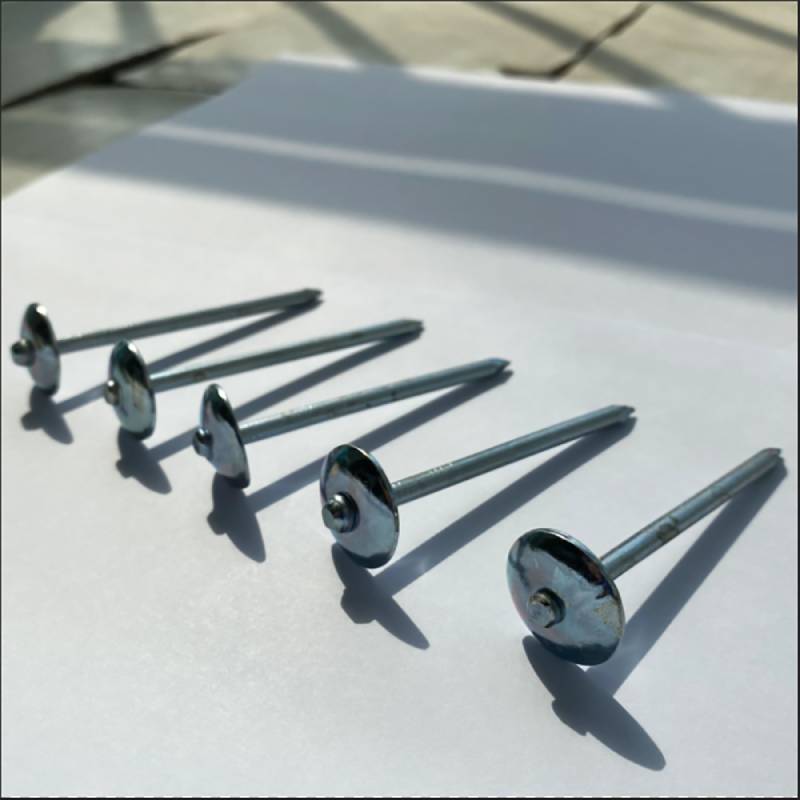
High Performance Industrial Solutions from the wire mesh company
Selecting a reliable partner for industrial filtration and enclosure needs often comes down to the balance between material purity and manufacturing precision. For procurement managers and project engineers, the challenge lies in finding a supplier that can handle everything from standard apertures to highly specific custom surface treatments without compromising on international quality standards. Whether the application involves heavy-duty industrial screening or precision architectural mesh, the structural integrity of the wire and the consistency of the weave are the primary drivers of long-term performance.
By focusing on the intersection of raw material inspection and automated production, professionals can mitigate the risks of premature corrosion or structural failure. This guide examines the critical technical specifications, packaging logistics, and quality control benchmarks that define high-performance wire mesh solutions, providing a framework for optimizing your supply chain and ensuring that the materials delivered match the exact engineering requirements of your project.

Engineering Foundations of High-Performance Metal Mesh Systems
The efficacy of a metal mesh system is determined by its construction method and the metallurgical properties of the wire used. In industrial environments, the choice between welded and woven structures depends entirely on the required rigidity and the nature of the materials being filtered or contained. Precision in aperture size is not merely a preference but a technical requirement to ensure consistent flow rates and filtration accuracy across the entire surface area of the mesh.
Modern manufacturing utilizes automated production lines to eliminate human error in the weaving process, ensuring that every millimeter of the product adheres to the specified tolerances. This consistency is vital for applications in the aerospace, chemical, and construction sectors, where a single deviation in mesh density can lead to operational inefficiency or safety hazards. The integration of spectrometers and tensile testers during the production phase allows for the verification of material composition and break-strength before the product ever leaves the factory floor.
- Tensile Strength: Ensuring the mesh can withstand operational loads without deformation.
- Aperture Uniformity: Maintaining precise gaps for accurate filtration and separation.
- Surface Integrity: Applying specialized treatments to prevent oxidation in corrosive environments.

Critical Selection Criteria for Industrial Procurement Managers
When evaluating a wire mesh supplier, procurement specialists must look beyond the price per meter and analyze the total cost of ownership, which includes the lifespan of the product and the frequency of replacement. A key differentiator is the level of quality control implemented from the receipt of raw materials to the final inspection. ISO 9001 and CE compliance serve as baseline indicators, but site-specific certifications like RoHS and REACH are essential for projects with strict environmental and health safety mandates.
Customization capability is another pivotal factor. A truly capable manufacturer provides one-stop solutions, allowing buyers to specify the material grade, aperture dimensions, overall size, and specific surface treatments such as galvanization or powder coating. This flexibility reduces the need for secondary processing, which often introduces new points of failure or degrades the protective coatings of the wire. By consolidating these requirements into a single manufacturing step, engineers can ensure a more homogenous and durable final product.
Operational Applications and Environmental Suitability
The deployment of wire mesh varies significantly across industries. In the construction sector, heavy-duty mesh is often used for reinforcement and safety barriers, where structural stability and load-bearing capacity are paramount. Conversely, in the chemical processing industry, the focus shifts toward corrosion resistance and chemical inertness, requiring the use of high-grade stainless steel or specialized alloys that can withstand acidic or alkaline environments without degrading.
For distributors and retailers, the ability to offer a diverse range of configurations—from fine mesh for laboratory use to coarse mesh for agricultural fencing—is a competitive advantage. Understanding the relationship between the environment and the material is crucial; for instance, utilizing ASTM and EN standard conformity declarations ensures that the product is fit for the specific regulatory environment of the destination country, whether it be the USA, Germany, or Australia.
Logistics and Packaging Specifications for Global Shipping
| Packaging Type | Unit Weight / Configuration | Inner Protection | Suitability |
|---|---|---|---|
| Standard Carton | 20-25kgs / Carton | No poly bags | Bulk Industrial Supply |
| Poly Bag Pack | 1kg / Poly bag (25 bags/carton) | Individual Sealing | Retail / Small Scale |
| Inner Box Option A | 5kgs / Inner box (4 boxes/carton) | Rigid Cardboard | Precision Componentry |
| Inner Box Option B | 3.125kgs / Inner box (8 boxes/carton) | Rigid Cardboard | Specialized Distribution |
| Wooden Crate | 20kgs / Wooden box (16 inner boxes) | Heavy-Duty Wood | International Freight |
Quality Assurance Protocols in Metal Wire Production
Reliability in wire mesh production is achieved through a multi-stage quality control (QC) process. This begins with strict incoming material inspections to ensure the raw wire meets chemical and mechanical specifications. During the production phase, in-process checks monitor the tension and alignment of the automated lines, preventing the occurrence of gaps or uneven weaves that could compromise the product's functionality.
Final product inspection is the last line of defense, where each batch is verified using surface-roughness meters and spectrometers. The provision of inspection certificates and lab reports for each shipment is a hallmark of a transparent manufacturing operation. This level of documentation is critical for engineering firms that must provide a traceable audit trail of materials used in large-scale infrastructure projects, ensuring that the products delivered match the technical blueprints exactly.
Strategic Sourcing and Supply Chain Optimization
To optimize the procurement of wire mesh, buyers should prioritize direct-factory partnerships over trading company intermediaries. Direct sourcing eliminates unnecessary markups and provides a direct line of communication with the production team, which is invaluable when executing complex customized orders. Flexibility in MOQ and the ability to provide free samples (excluding freight) allow companies to validate the material quality before committing to large-scale contracts.
Furthermore, the delivery timeline—typically ranging from 15 to 30 days post-payment—must be integrated into the broader project schedule. By partnering with a manufacturer that has a proven track record of exporting to over 95 countries, buyers can rely on the supplier's expertise in international logistics and customs compliance, reducing the risk of shipping delays and ensuring a seamless transition from the factory floor to the project site.
Frequently Asked Questions Regarding Industrial Wire Mesh
Are you a trading company or a direct manufacturer?
We are a direct factory that owns our own production lines and employs our own workers. This ensures flexibility in customization and removes extra charges typically added by middlemen or traders.
Which global markets do you currently serve?
Our products are primarily exported to Australia, Canada, the UK, USA, Germany, Thailand, South Korea, and many other countries worldwide.
Can I request samples for quality verification?
Yes, we can provide samples free of charge; however, the customer is responsible for paying the cost of freight.
Is there a minimum order quantity (MOQ) for your products?
Actually, there is no strict MOQ for our products. We typically recommend a quantity based on the price point that is most acceptable for the customer's budget.
What is the typical delivery timeframe for an order?
Delivery time depends on the specific order, but it is normally within 15-30 days after we receive the advance payment.
What quality certifications do your products hold?
We hold a wide range of certifications including ISO 9001, CE, RoHS, REACH, and multiple SGS testing reports, ensuring compliance with ASTM and EN standards.
Technical References and Industry Standards
- ISO Quality Management Systems Standards
- ASTM International Material Specifications
- EU CE Marking Compliance Guide
- REACH Chemical Safety Regulations
Selecting the right wire mesh requires a deep understanding of material science and a partnership with a manufacturer committed to rigorous quality control. If you are looking for a tailored solution to meet your specific project requirements, our team is ready to provide technical consultation and precise quotes to ensure your success.
Industry Insights and Related Solutions