In the modern landscape of civil engineering and urban development, the selection of materials determines not only the longevity of a structure but also its safety and cost-efficiency. Among these essential materials, gi wire used in construction stands out as a cornerstone for reinforcing, binding, and securing various structural elements. By combining the inherent strength of steel with a protective zinc coating, this material ensures that critical frameworks remain resilient against the relentless forces of oxidation and environmental decay.
Globally, the construction industry faces the constant challenge of balancing rapid urbanization with sustainable material usage. The widespread adoption of galvanized iron (GI) wire addresses this by providing a high-strength, low-maintenance solution that reduces the need for frequent replacements. From the intricate binding of rebar in high-rise foundations to the installation of expansive perimeter fencing, the versatility of this wire makes it an indispensable asset for contractors and engineers worldwide.
Understanding the technical nuances of gi wire used in construction allows project managers to optimize their resource allocation and ensure compliance with international safety standards. Whether it is applied in residential housing or heavy industrial complexes, the right grade of galvanized wire prevents structural failure caused by corrosion, thereby safeguarding human lives and financial investments over the long term.
The Technical Fundamentals of GI Wire in Construction
At its core, gi wire used in construction is created through a process called galvanization, where a layer of zinc is applied to the steel substrate. This chemical bond creates a sacrificial anode, meaning the zinc layer will corrode first, effectively protecting the underlying steel from rust even if the surface is scratched. In the demanding environment of a construction site—where moisture, salt, and alkaline cement are prevalent—this protection is vital for maintaining structural integrity.
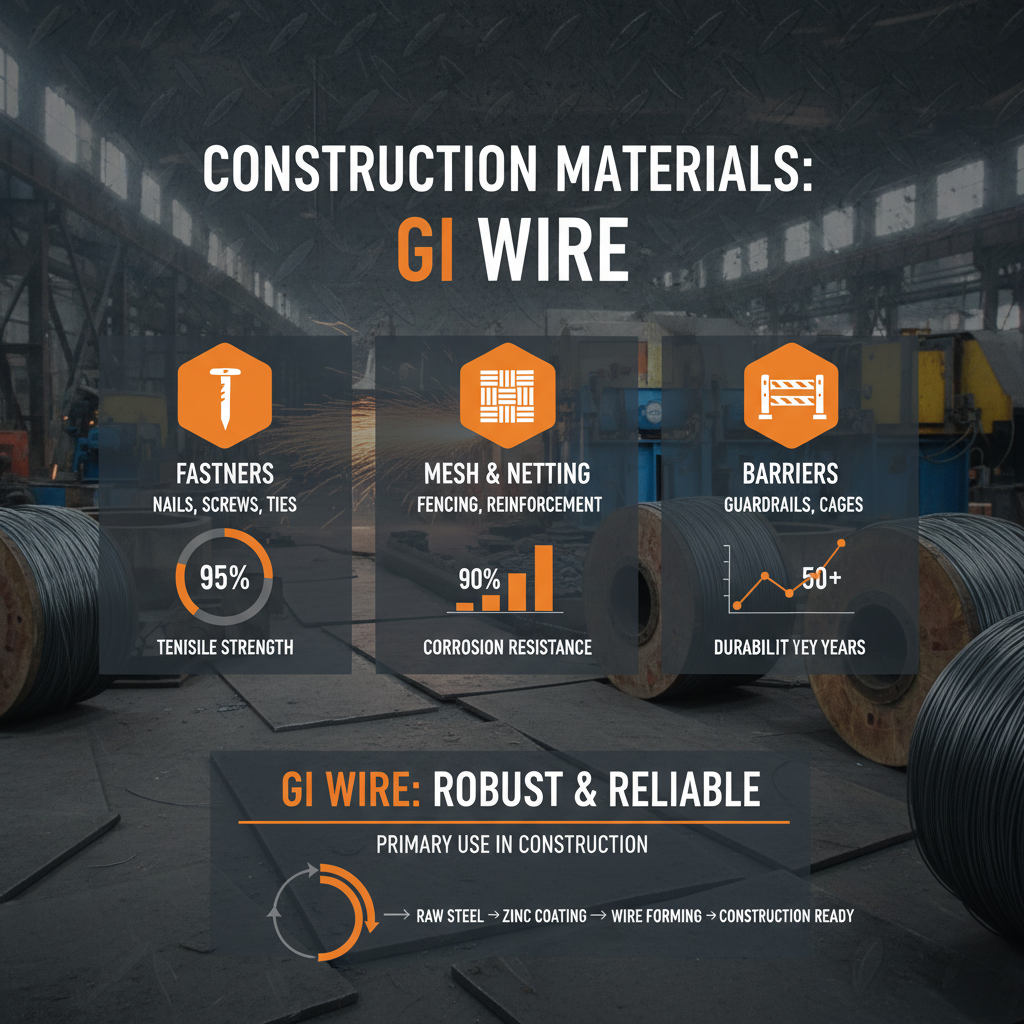
The mechanical properties of this wire, including its tensile strength and ductility, allow it to be twisted, cut, and bound without snapping. This flexibility is essential for tasks such as tying together steel reinforcement bars (rebar) before concrete is poured, ensuring that the skeleton of the building remains immobile during the curing process. The synergy between the zinc coating and the steel core provides a material that is both robust and adaptable.
Global Demand and Industry Standardization
The demand for gi wire used in construction has surged in tandem with the rapid urban expansion in Asia and Africa. According to infrastructure reports, the shift toward high-density housing and massive transport networks has necessitated materials that can be deployed quickly and last for decades. ISO standards and ASTM specifications now dictate the thickness of the zinc layer, ensuring that a contractor in Dubai receives the same quality of corrosion resistance as one in New York.
One of the primary challenges addressed by global standardization is the variability in environmental stressors. For instance, in coastal regions where salt-laden air accelerates oxidation, "heavy galvanized" wires are mandated to prevent premature failure. By adhering to these strict industry benchmarks, the global construction community can reduce the risk of catastrophic failures in bridges, dams, and skyscrapers, which would otherwise result from internal corrosion of the binding wires.
Furthermore, the integration of GI wire into prefabricated construction—where components are manufactured off-site—has streamlined the assembly process. The ability to use standardized wire gauges means that components can be shipped across borders and assembled with precision. This globalized approach to material sourcing has not only lowered costs but has also elevated the minimum safety threshold for residential developments in emerging economies.
Critical Factors Influencing Material Selection
When specifying gi wire used in construction, the first consideration is always the zinc coating weight. The thickness of this layer directly correlates to the "years to first rust," a critical metric for engineers calculating the lifecycle of a project. Depending on whether the wire will be embedded in concrete or exposed to the open air, the choice between hot-dipped and electro-galvanized finishes becomes the deciding factor.
Tensile strength is another non-negotiable factor. High-tensile gi wire used in construction is required for structural supports and high-tension fencing, whereas soft-annealed galvanized wire is preferred for tying rebar. The balance between hardness (to resist breaking) and malleability (to allow for secure knotting) ensures that the wire performs its specific role without compromising the overall stability of the build.
Finally, cost-efficiency must be weighed against durability. While low-grade wires may offer initial savings, the long-term costs associated with corrosion and subsequent structural repairs often far outweigh the initial investment. Expert procurement focuses on the "total cost of ownership," ensuring that the chosen gi wire used in construction provides the optimal balance of performance and price for the project's specific environment.
Performance Comparison of Galvanized Wire Grades
Different construction tasks require different specifications of galvanized wire. For example, the structural requirements for a temporary crowd control barrier differ vastly from those of a permanent reinforced concrete wall. By analyzing various grades of gi wire used in construction, we can see a clear divide in performance based on coating thickness and steel carbon content.
Below, we have quantified the performance of five common application methods. These ratings reflect a combination of corrosion resistance, ease of installation, and load-bearing capacity, providing a snapshot of how different versions of galvanized wire serve the industry.
Performance Efficiency of GI Wire Application Methods
Practical Applications in Modern Infrastructure
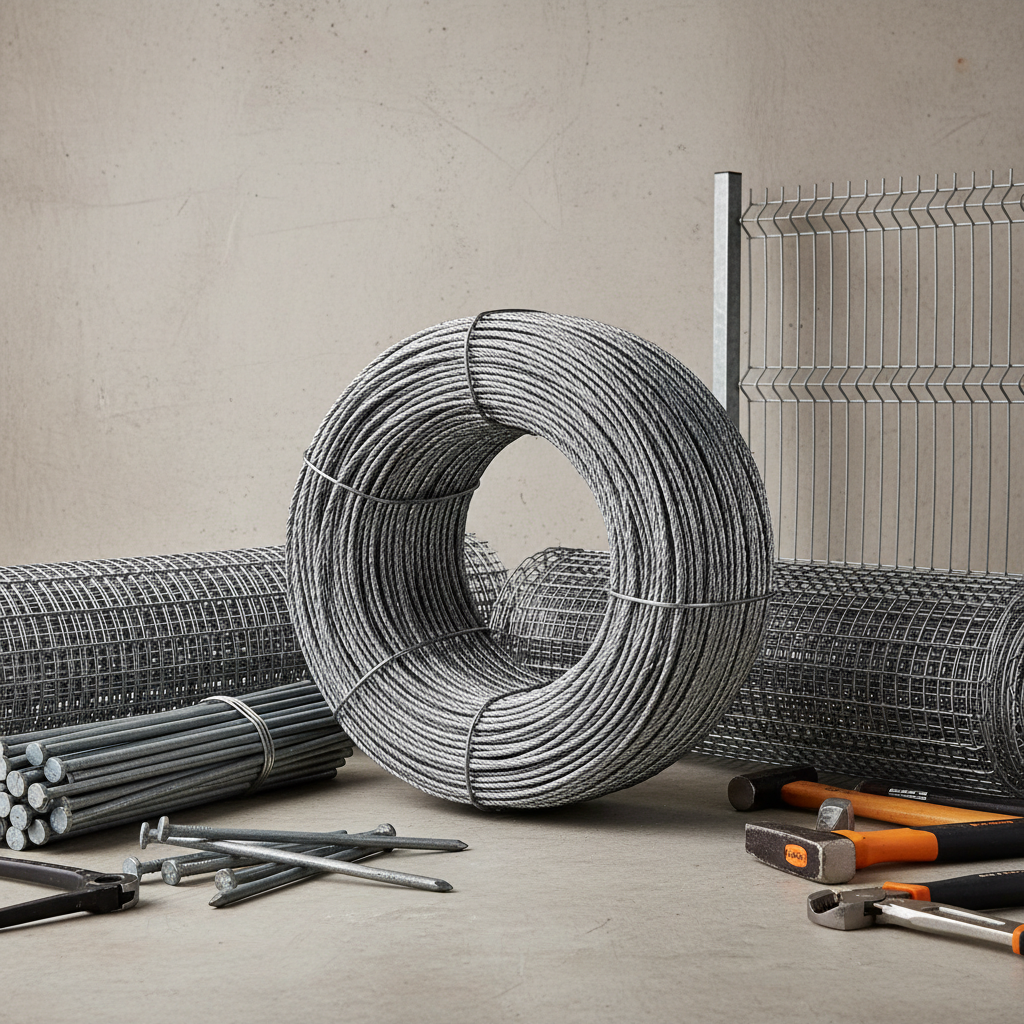
The utility of gi wire used in construction extends far beyond simple binding. In the realm of security and perimeter control, it is the primary material for 358 security fences, chain link fences, and razor barbed wire. These applications rely on the wire's ability to withstand outdoor exposure for decades without losing its structural tension, providing essential safety for airports, military bases, and industrial warehouses.
Beyond security, galvanized wire plays a pivotal role in sustainable infrastructure. For instance, gabion boxes—wire cages filled with rocks—are used extensively for erosion control and retaining walls. The high-quality gi wire used in construction of these cages ensures that they do not rust away when in constant contact with soil and water, allowing for natural drainage while maintaining the strength of the slope.
Long-Term Value and Economic Impact
Investing in premium gi wire used in construction is an exercise in risk management. When developers prioritize lower-grade materials to save on initial capital expenditure, they often inadvertently increase the "maintenance debt" of the building. Zinc-coated steel significantly extends the interval between inspections and repairs, reducing the operational costs of the facility over its 50-to-100-year lifespan.
From a social perspective, the reliability of these materials translates directly into safety. In residential housing, the use of proper galvanized binding wire in the concrete frame prevents the "concrete cancer" caused by rusting internal steel, which can lead to spalling and structural collapse. Therefore, the value of GI wire is not just measured in dollars, but in the trust and dignity of the people living and working within these structures.
Furthermore, the scalability of GI wire production allows it to remain affordable despite its high performance. The ability to manufacture it in massive coils and various gauges means it can be integrated into everything from small-scale rural projects to mega-city infrastructure, democratizing access to durable building materials regardless of the project's budget.
Future Innovations in Zinc Coating Technology
As the industry moves toward "Green Construction," the production of gi wire used in construction is evolving. We are seeing a shift toward more eco-friendly galvanizing baths that reduce the emission of volatile organic compounds (VOCs) and implement closed-loop water recycling systems. These innovations ensure that the materials protecting our buildings are not destroying our environment during their creation.
Another emerging trend is the development of "Zinc-Aluminum-Magnesium" (ZAM) coatings. These alloy coatings provide significantly higher corrosion resistance than traditional pure zinc, particularly in extreme industrial environments with high sulfur or chlorine levels. The integration of these alloys into construction wire means that infrastructure in harsh chemical plants or seaside resorts will have an even longer lifespan.
Digital transformation is also hitting the wire industry. Smart manufacturing and AI-driven quality control now allow for microscopic precision in coating thickness. This ensures that every meter of gi wire used in construction is uniform, eliminating the weak spots where corrosion usually begins and further enhancing the reliability of the final build.
Comparison of Zinc Coating Technologies for Construction Wire
| Coating Type |
Corrosion Resistance |
Typical Application |
Lifecycle Rating (1-10) |
| Electro-Galvanized |
Moderate |
Indoor binding/mesh |
6 |
| Hot-Dipped (Light) |
High |
Standard fencing |
8 |
| Hot-Dipped (Heavy) |
Very High |
Coastal infrastructure |
9 |
| ZAM Alloy Coating |
Extreme |
Industrial zones |
10 |
| PVC Coated GI |
Very High |
Decorative/Wet areas |
9 |
| Galvanized Annealed |
Moderate-High |
Rebar tying |
7 |
FAQS
The primary advantage is corrosion resistance. While black annealed wire is flexible and strong, it lacks protection against moisture and oxygen, leading to rapid rusting. GI wire, through its zinc coating, provides a protective barrier that prevents oxidation, making it far more suitable for outdoor use or embedding in concrete where long-term durability is required.
Gauge selection depends on the application. For rebar binding, a thinner, more flexible gauge (usually soft-annealed) is ideal for secure knotting. For security fencing or structural supports, a thicker gauge with high tensile strength is required. Always refer to the architectural specifications or ISO standards to ensure the wire can handle the intended load and environmental stress.
Generally, yes, for construction. Hot-dipped galvanization creates a thicker, more durable zinc layer that is far more resistant to corrosion. Electro-galvanized wire has a smoother finish and is cheaper, but it is best suited for indoor applications or temporary uses where the wire is not exposed to harsh weather conditions.
Yes, but it is highly recommended to use "heavy galvanized" or ZAM alloy-coated wire. Salt accelerates the corrosion process, meaning standard GI wire will wear out faster. Heavy galvanization provides a thicker sacrificial layer of zinc, ensuring the structure remains intact for years despite the aggressive salty air.
By preventing rust and structural decay, GI wire extends the overall lifecycle of the building. This reduces the need for frequent renovations and the consumption of new raw materials for repairs. Furthermore, the steel and zinc used in GI wire are highly recyclable, fitting into a circular economy model for construction materials.
When properly embedded in high-quality concrete, GI wire can last for several decades. The alkaline environment of the concrete actually helps maintain the zinc coating. However, if the concrete cracks and allows moisture to seep in, the zinc layer acts as the first line of defense, significantly delaying the corrosion of the internal steel structure compared to non-galvanized alternatives.
Conclusion
In summary, gi wire used in construction is much more than a simple binding tool; it is a critical component of modern engineering that ensures longevity, safety, and cost-effectiveness. From its fundamental chemical protection against rust to its diverse applications in security fencing and structural reinforcement, galvanized wire provides the necessary resilience to withstand diverse global environments. By understanding the distinctions between different coatings and gauges, developers can significantly mitigate structural risks and reduce long-term maintenance burdens.
Looking forward, the integration of advanced alloys and eco-friendly manufacturing processes will continue to elevate the standards of the wire industry. As we build the cities of tomorrow, the focus must remain on sourcing high-quality, standardized materials that prioritize both human safety and environmental sustainability. For those seeking reliable, industry-grade solutions to secure and strengthen their projects, we invite you to explore our full range of professional wire products. Visit our website: www.ironwirefactorys.com