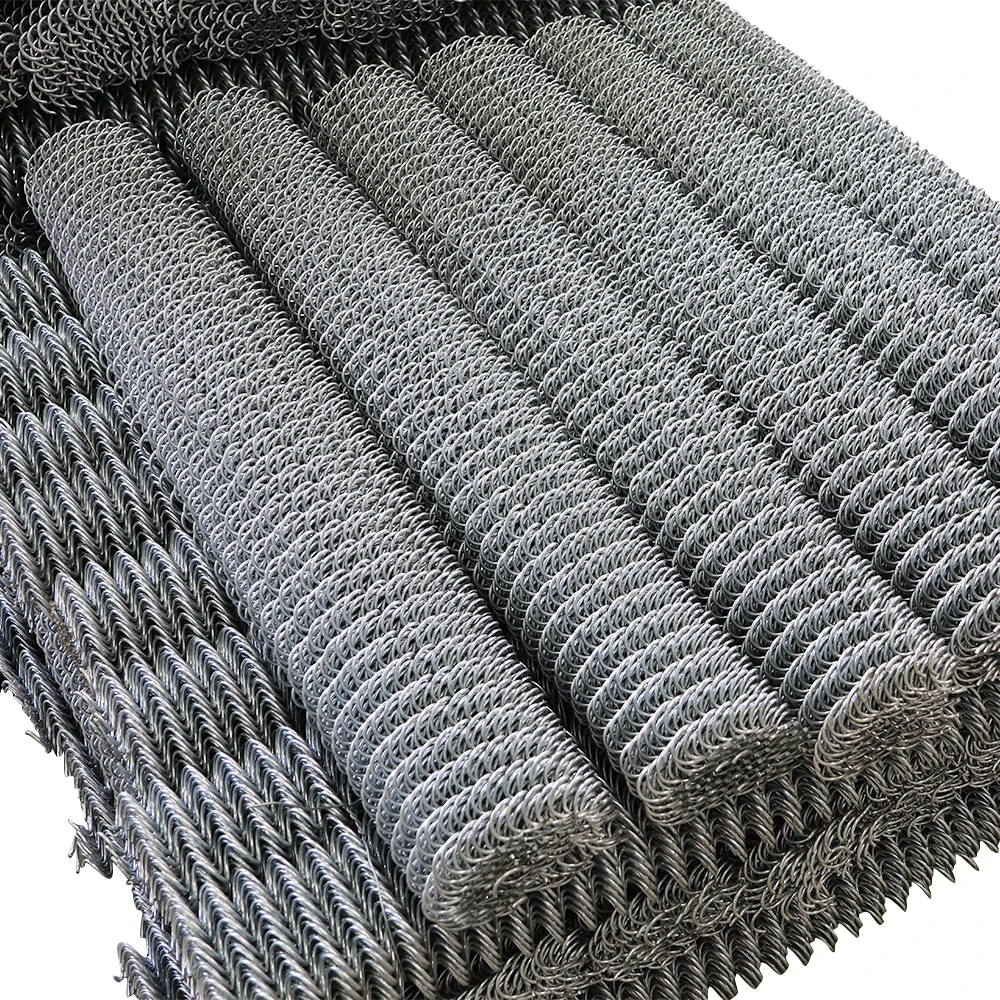

Precision-Engineered Metal Wire Products
Supplying heavy-duty binding iron wire, stainless mesh, and security fencing to support DRC's industrial growth.
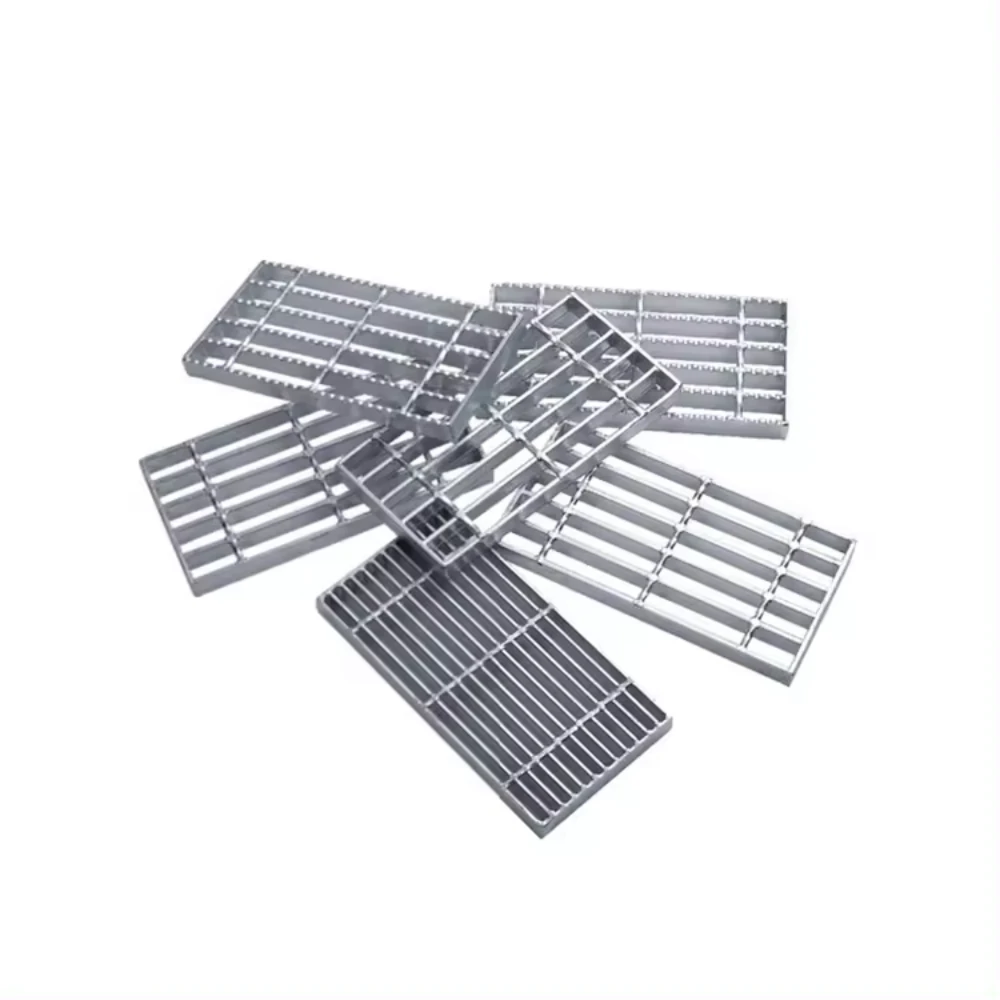
Galvanized Metal Steel Grating Panel
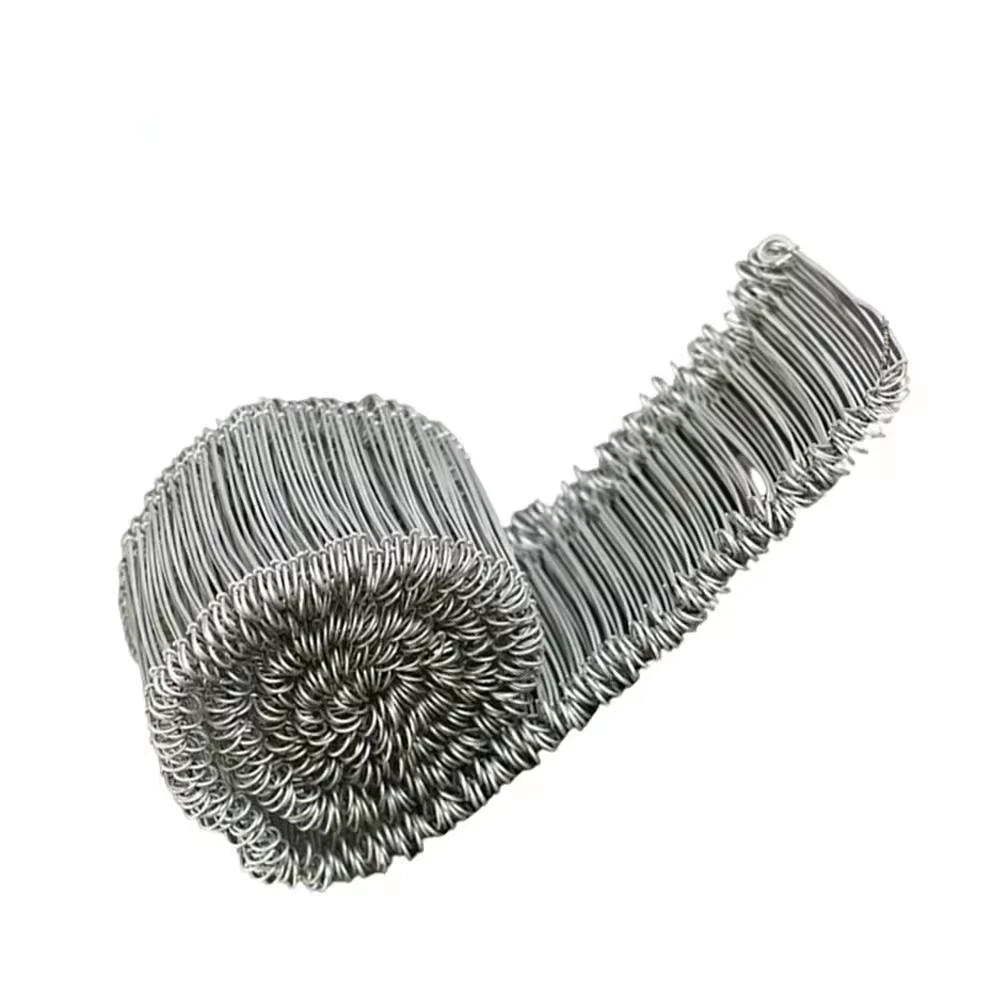
Binding Double Loop Tie Wire
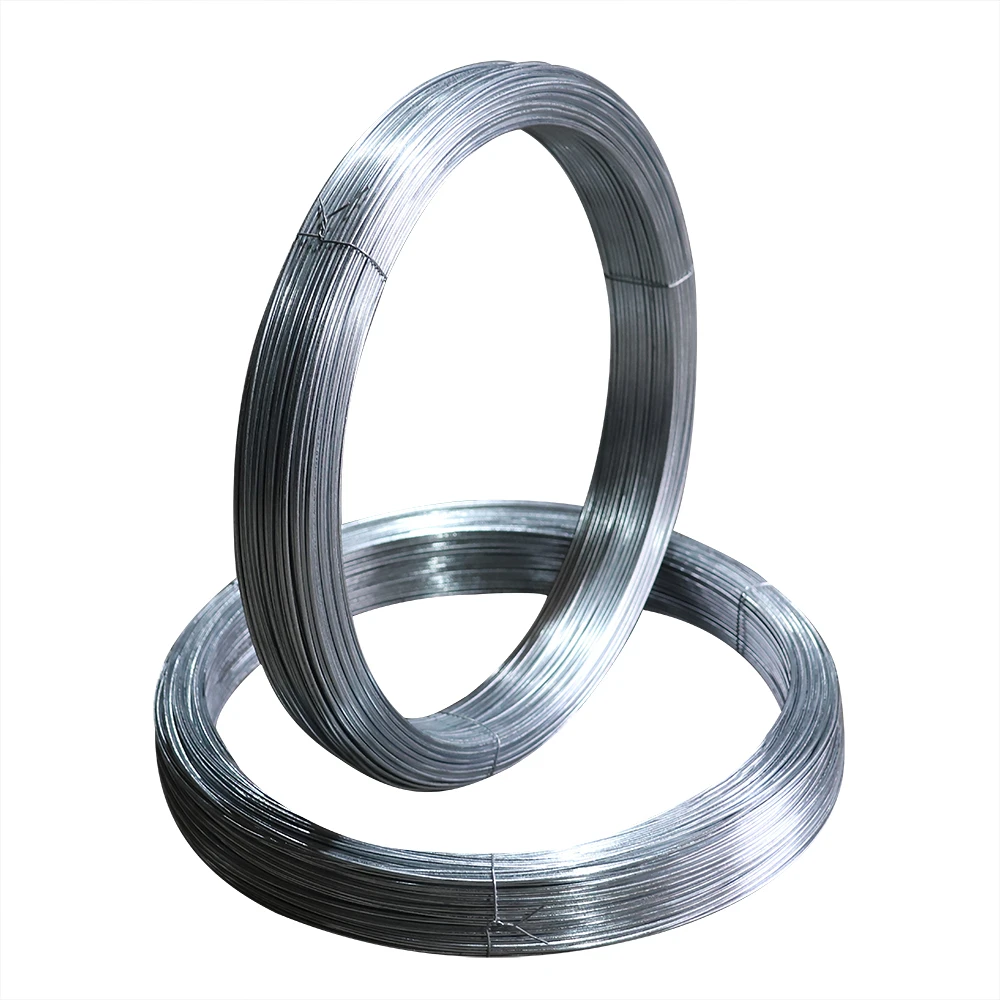
Galvanized Wire
Procurement Analysis for Wire Mesh in the DRC Market
Evaluating the intersection of environmental challenges and material requirements in Central Africa.
The Democratic Republic of the Congo presents a unique procurement landscape where logistics and humid tropical climates dictate material choice. For large-scale construction and mining projects, the priority is often placed on corrosion resistance and tensile strength to withstand high humidity and heavy industrial usage.
Local buyers increasingly seek specialized materials like stainless welded wire mesh for chemical processing and food-grade applications. The shift toward standardized international certifications ensures that imported components integrate seamlessly with global engineering specifications.
Supply chain reliability is a critical operational challenge. Procurement strategies in the region now emphasize one-stop customization to reduce the risk of mismatched components, focusing on precise specifications for aperture size and surface treatment before shipment to minimize on-site adjustments.
Evolution of Wire Mesh Industry Standards
Tracing the transition from basic utility fencing to high-precision engineered mesh systems.
Industrial Development Path
-
Early Adoption Stage
Initial reliance on basic galvanized wire and manual weaving for rudimentary boundary marking and simple agricultural enclosures. -
Standardization Stage
Introduction of automated welding and adherence to ASTM/EN standards, enabling the use of consistent mesh panels in urban construction. -
Current Integration Stage
Implementation of high-grade alloys and customized surface coatings designed for extreme environmental durability and specialized industrial filtration.
Future Development Trends
- Material Optimization — Increasing adoption of hybrid coatings to combat high-humidity corrosion in tropical zones.
- Customization Precision — Transition toward fully tailored aperture and gauge specifications via digital design.
- Supply Chain Efficiency — Movement toward integrated logistics and pre-fabricated modular mesh systems for rapid deployment.
Future Directions in Metal Wire Fabrication
Predicting the technical and operational shifts influencing the global wire mesh trade over the next 5 years.
Technical Specialization
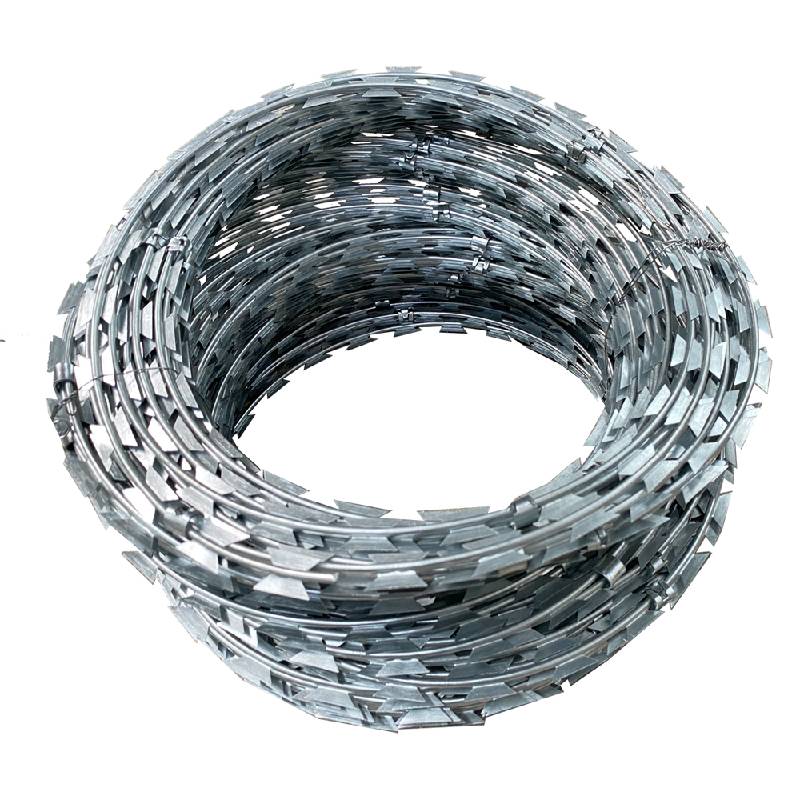
A rise in demand for high-tensile barbed wire fence systems with enhanced zinc coatings for perimeter security.
Procurement Digitalization
Shift toward data-driven specification sheets and virtual sample approvals to streamline international trade.
Sustainability Focus
Increased focus on RoHS compliance and environmental safety in the production of galvanizing agents.
Modular Integration
Design of prefabricated mesh panels for rapid assembly in large-scale infrastructure projects.
Industry Outlook and Commercial Impact
The trajectory of the wire mesh industry is moving toward a "performance-first" model. Instead of generic product categories, the market is demanding solution-based procurement where materials are selected based on specific environmental stressors, such as the high salinity or humidity found in certain African regions.
For manufacturers, this necessitates a transition from mass production to high-flexibility automation. The ability to rapidly adjust material gauges and aperture sizes without sacrificing output consistency will be the primary competitive advantage in the coming years.
Application Scenarios in the DRC
Practical implementations of wire mesh solutions across diverse industrial and commercial sectors.
1
Mining Infrastructure Security
Utilization of heavy-duty barbed wire fence and welded panels to secure perimeter boundaries of mineral extraction sites, ensuring site integrity and safety.
2
Urban Concrete Reinforcement
Implementation of binding iron wire and structural mesh panels in the construction of commercial buildings and residential foundations in Kinshasa and Lubumbashi.
3
Industrial Filtration Systems
Applying stainless welded wire mesh in processing plants for the filtration of minerals and liquid waste, where chemical resistance is mandatory.
4
Agricultural Enclosures
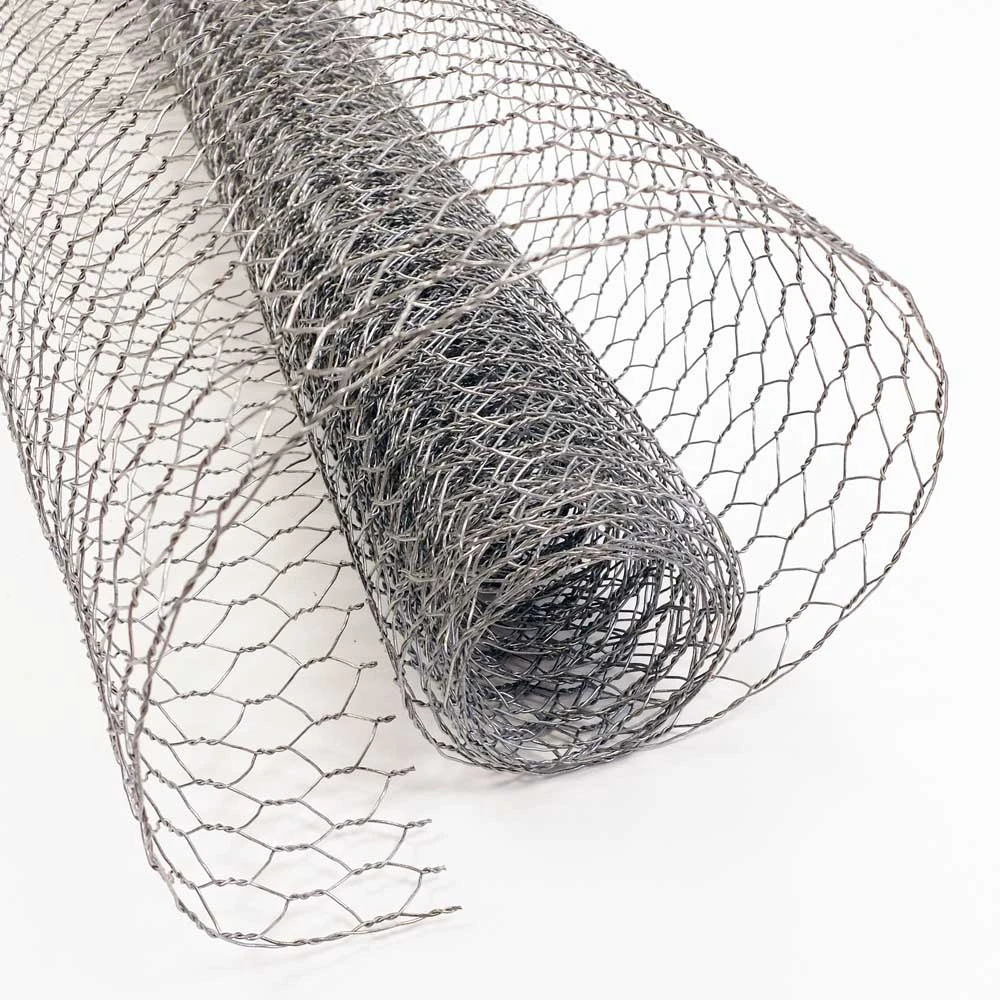
Deploying galvanized welded mesh for the protection of high-value crops and livestock from predators in rural agricultural developments.
5
Roofing and Fastening Works
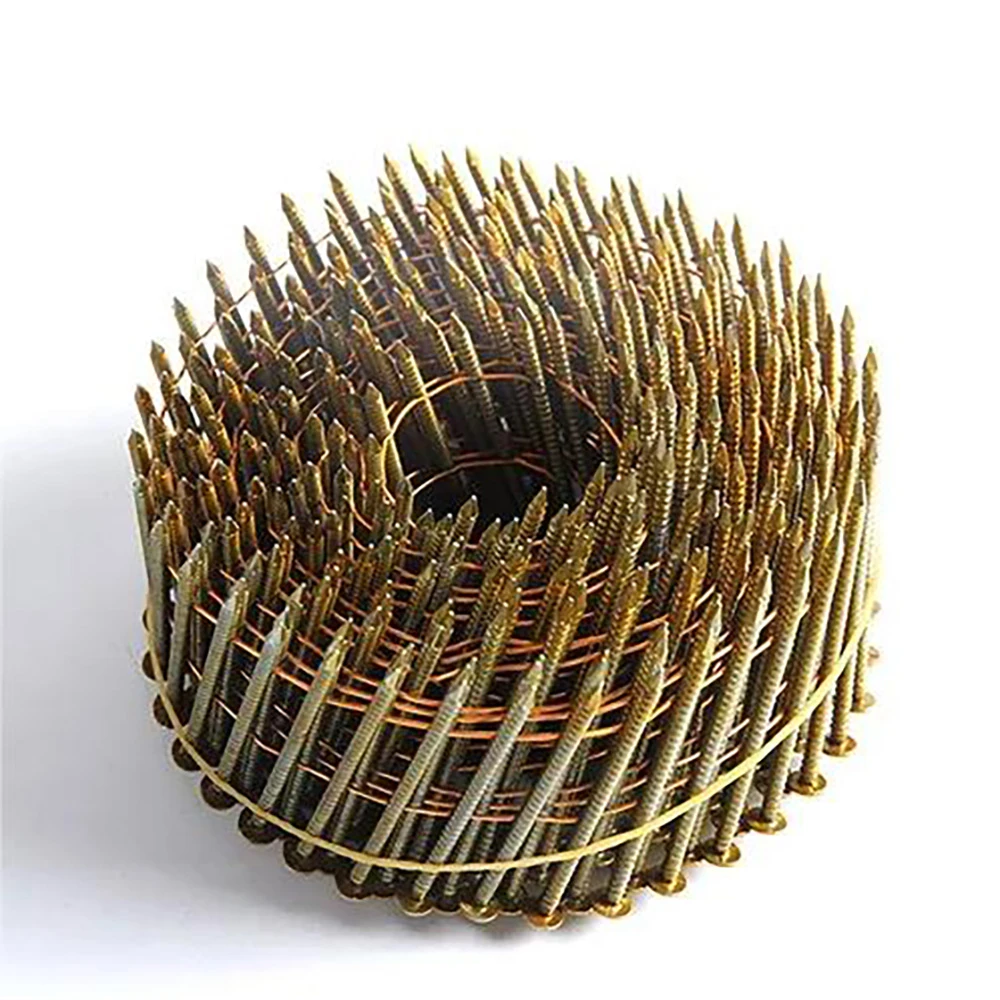
Integration of high-grip roofing nails and binding wires in the assembly of industrial warehouses and roofing structures.
Legacy of Excellence in Wire Mesh Manufacturing
Over three decades of commitment to quality, precision, and global partnerships.
90
1990
Company Foundation
Established in Zhengxuan Industrial Zone, Anping, Hebei, China, focusing on the research and production of premium wire mesh products.
04
2004
International Trade Expansion
Strategic shift toward global markets, expanding the delivery of tailored mesh solutions to customers in over 95 countries.
05
2005
Global Exhibition Initiative
Began consistent participation in the Canton Fair and major international trade shows like Big 5 Dubai and FEICON Brazil to strengthen global partnerships.
Tailored Wire Solutions for DRC Industrial Requirements
Compliant with ISO 9001, CE, and RoHS standards for maximum safety and durability.
Wire Mesh Technical & Procurement FAQ
Addressing common technical considerations for buyers in the Democratic Republic of the Congo.
How do I choose the right mesh material for high-humidity environments in the DRC?
For humid tropical climates, stainless steel or heavy-duty hot-dipped galvanized coatings are recommended. Stainless welded wire mesh is ideal for corrosive environments, while galvanized options provide a cost-effective balance for perimeter fencing.
What customizations are available for welded mesh panels?
Customization options include material grade, wire diameter, aperture size, panel dimensions, and surface treatments (such as PVC coating or electro-galvanizing) to meet specific engineering requirements.
Can you provide certification for international compliance?
Yes, we hold ISO 9001, CE, and RoHS certifications, and our products are tested against ASTM and EN standards, with SGS reports available to verify material quality.
What is the recommended use for binding iron wire in construction?
Binding iron wire is primarily used to secure rebar in concrete reinforcement. We recommend selecting a gauge that matches the structural load requirements of your project to ensure stability.
How are products verified for quality before shipment?
Every batch undergoes a multi-stage QC process including tensile testing, spectrometer analysis, and surface-roughness measurement, accompanied by inspection certificates and lab reports.
What factors influence the shipping cost of wire mesh to the DRC?
Costs are primarily influenced by total volume, material weight, and the choice of port of entry. We optimize packaging for container efficiency to help reduce overall landed costs.
Consult Our Engineering Team for Your Next Project
Discuss your specific technical requirements and receive a personalized solution for your industrial applications in the Democratic Republic of the Congo.
Contact Us Now

