

Market Challenges
Addressing Wire Mesh Procurement Hurdles in Egypt
Egyptian contractors and industrial operators often face critical vulnerabilities in material reliability and supply chain consistency.
Structural Integrity Risks
Low-grade welded mesh panel options in the local market often suffer from inconsistent weld strength, leading to potential failure in reinforced concrete structures across Cairo's urban expansions.
Rapid Corrosion Rates
The high salinity and arid climate in coastal Egyptian regions accelerate the oxidation of standard steel, making untreated wire mesh impractical for long-term outdoor infrastructure projects.
Precision Inconsistency
Variations in aperture size and wire diameter in generic shipments cause alignment issues during installation, increasing labor hours and material waste on high-precision industrial sites.
Security Perimeter Breach
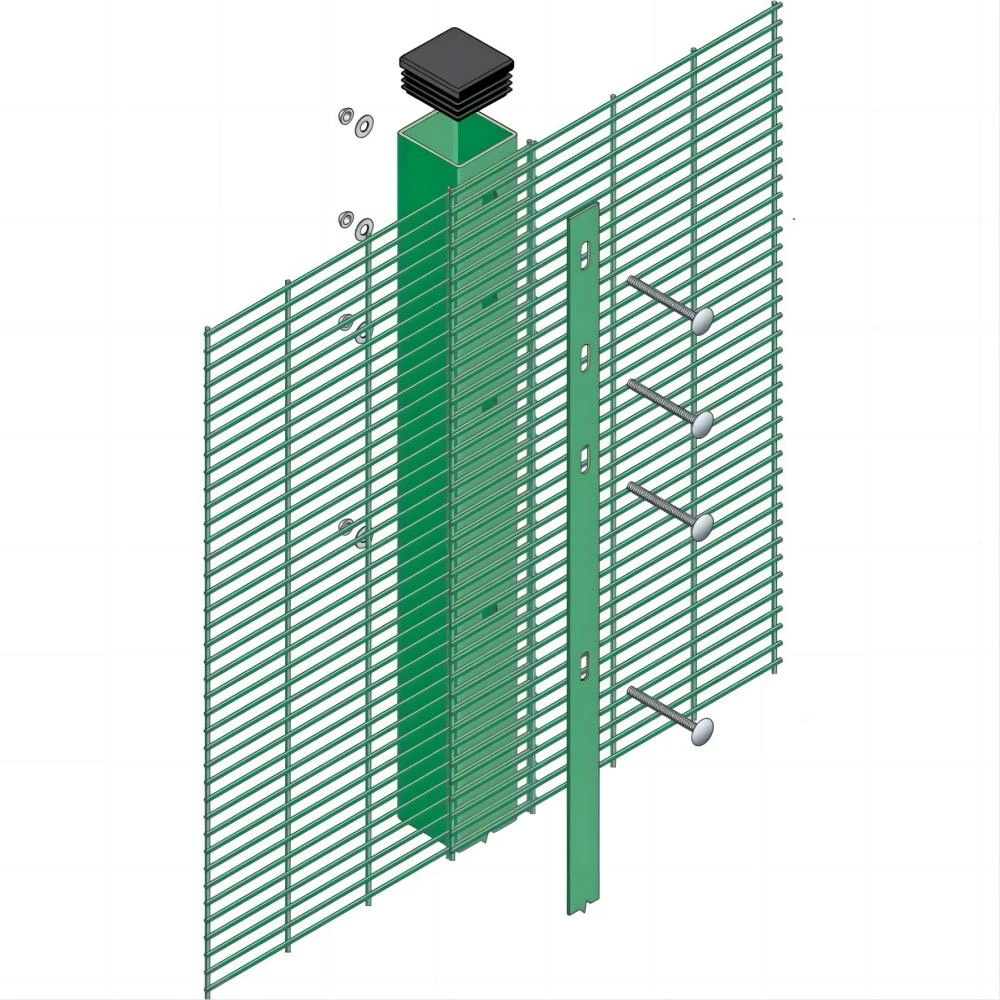
Substandard barbed wire fence installations often lack the necessary tensile strength, allowing for easy breaching in agricultural or remote industrial zones.
Supply Chain Lag
Dependence on fragmented distributors leads to unpredictable lead times, which can halt critical construction milestones for large-scale Egyptian infrastructure developments.
Compliance Gaps
Difficulty in sourcing materials that meet both international ASTM/EN standards and specific Egyptian building codes often complicates the certification process for government projects.
Our Approach
Engineered Wire Solutions for Egyptian Requirements
We replace generic supplies with precision-engineered metal products designed for durability and compliance.
Automated Weld Precision
Utilizing five automated production lines, our welded mesh ensures uniform weld points and exact dimensions, eliminating structural weak spots in reinforced concrete.
Advanced Surface Treatment
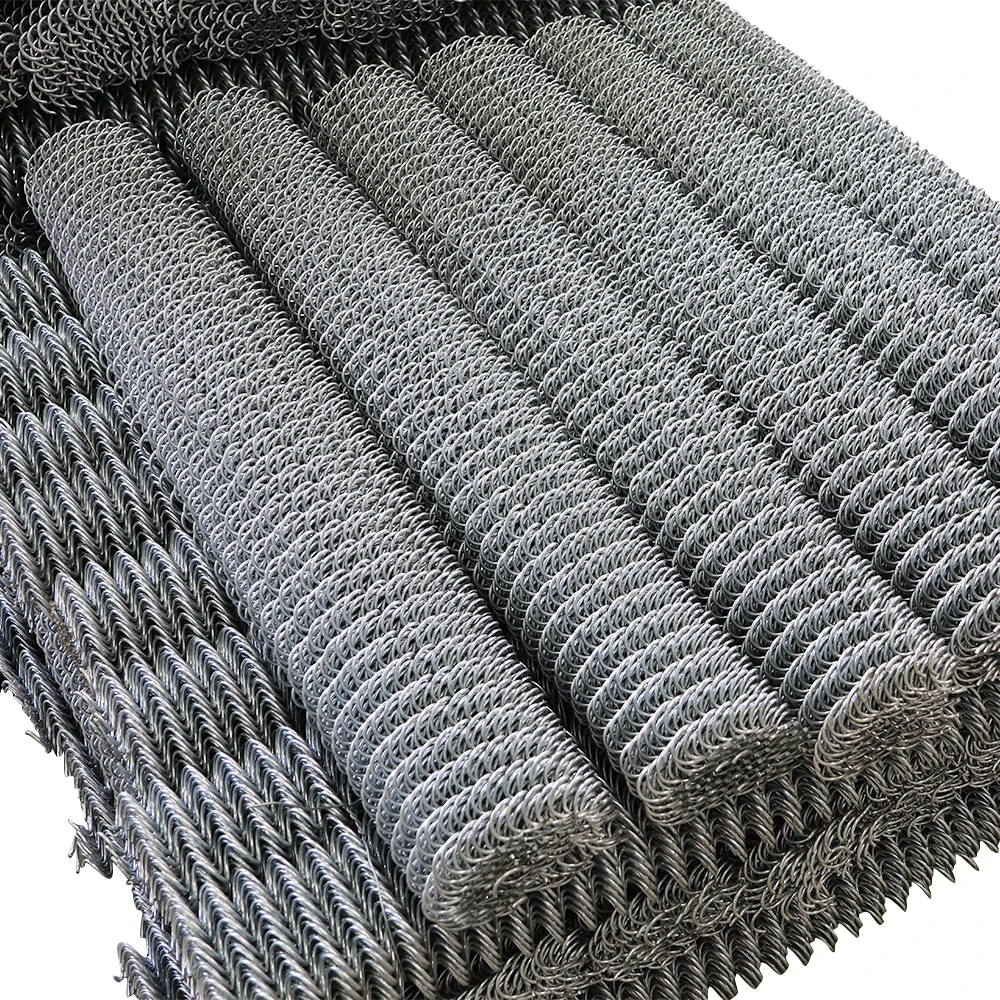
We provide stainless welded wire mesh and specialized coatings that resist the corrosive effects of Egypt's saline coastal air and desert dust.
Custom Aperture Calibration
Our one-stop customization allows for precise material and aperture selection, ensuring that the wire mesh fits your technical specifications exactly, reducing on-site waste.
High-Tensile Security Wire
Our barbed wire is produced with strict tensile testing, ensuring high breaking strength and longevity for secure perimeter fencing in challenging terrains.
Direct Factory Logistics
By eliminating middlemen, we provide rapid turnaround and transparent shipping schedules, ensuring materials arrive at Egyptian ports exactly when needed.
Certified Global Compliance
With ISO9001, CE, and RoHS certifications, our products meet the rigorous safety and quality standards required for international engineering projects in Egypt.
Manufacturing Power
Proven Capacity and Quality
Quantitative metrics reflecting our commitment to industrial excellence and global reach.
0+
Years Experience
0m²
Factory Area
0+
Countries Served
0
Auto Production Lines
0+
Years at Canton Fair
0%
QC Inspection Rate
0+
Global Certifications
0h
Technical Support
Regional Analysis
The Metal Wire Mesh Landscape in Egypt
Understanding the intersection of infrastructure growth and material demands in the North African hub.
Egypt's construction sector is currently undergoing a massive transformation, driven by New Administrative Capital projects and extensive urban redevelopment. This environment creates a sustained demand for high-strength steel products, particularly reinforcement and containment systems. The local market is characterized by a mix of large-scale government-led infrastructure and a growing private industrial sector. However, the reliance on a few primary distributors often creates bottlenecks, making direct partnerships with experienced manufacturers an essential strategy for Egyptian engineering firms to ensure project timelines are met without compromising on structural quality.
Current trends indicate a shift toward higher-specification materials. There is an increasing preference for stainless welded wire mesh in food processing and pharmaceutical plants in Cairo and Alexandria to meet stringent hygiene and corrosion standards. Furthermore, the integration of automated construction techniques is driving the demand for precision-cut panels that reduce on-site labor. Commercial operators are increasingly prioritizing long-term durability over initial cost, recognizing that high-quality galvanized or stainless options significantly reduce lifecycle maintenance costs in Egypt's aggressive environmental conditions.
The primary outlook for the Egyptian market is one of cautious expansion. While economic fluctuations present challenges in currency and import costs, the fundamental need for secure fencing and structural reinforcement remains constant. The opportunity lies in providing "certified quality"—materials that come with full lab reports and inspection certificates. As Egypt continues to align its building standards with international norms (like ASTM and EN), the competitive advantage shifts toward manufacturers who can provide verifiable compliance and tailored engineering solutions rather than generic commodity products.
Industry Journey
The Evolution of Wire Mesh Technology
From basic manual weaving to high-precision automated systems.
Early Era
Manual Fabrication
Traditional methods relied on manual twisting and welding, resulting in high variance in mesh aperture and limited structural consistency across large batches.
Industrial Shift
Semi-Automation
The introduction of mechanical looms and early spot-welding machines improved speed, though material quality remained dependent on raw metal consistency.
Current Phase
Precision Engineering
Modern facilities now utilize CNC-controlled automation and spectrometer-verified alloys to ensure zero-defect production and international certification.
Transition to Alloy Specialization
The industry has moved beyond simple carbon steel. There is now a heavy focus on high-grade stainless steels and specialized galvanized coatings that provide multi-decade protection against salt-spray and humidity.
Integration of QC Digitization
Quality control has evolved from random sampling to comprehensive batch testing using tensile testers and surface-roughness meters, providing customers with verifiable lab reports for every shipment.
Demand for Modular Customization
Standard sizes are being replaced by "project-specific" dimensions. The ability to customize everything from the wire gauge to the surface treatment allows for optimized material use on-site.
Future Outlook
Key Trends Shaping the Metal Mesh Industry
Analyzing the technological and operational shifts impacting global and local procurement.
Smart Manufacturing Integration
The adoption of AI-driven quality monitoring and automated tensile testing ensures that every meter of mesh adheres to strict tolerances, reducing failure rates in critical construction.
Sustainability-Driven Material Selection
There is a growing demand for RoHS-compliant and eco-friendly coatings that reduce environmental impact during production and disposal without sacrificing corrosion resistance.
Specialized Application Engineering
Industry demand is moving toward "functional" mesh, where aperture and wire thickness are engineered for specific tasks like high-frequency filtration or heavy-duty animal containment.
Direct-to-Project Procurement
To reduce costs and lead times, larger Egyptian firms are bypassing local trading houses in favor of direct relationships with verified global factories.
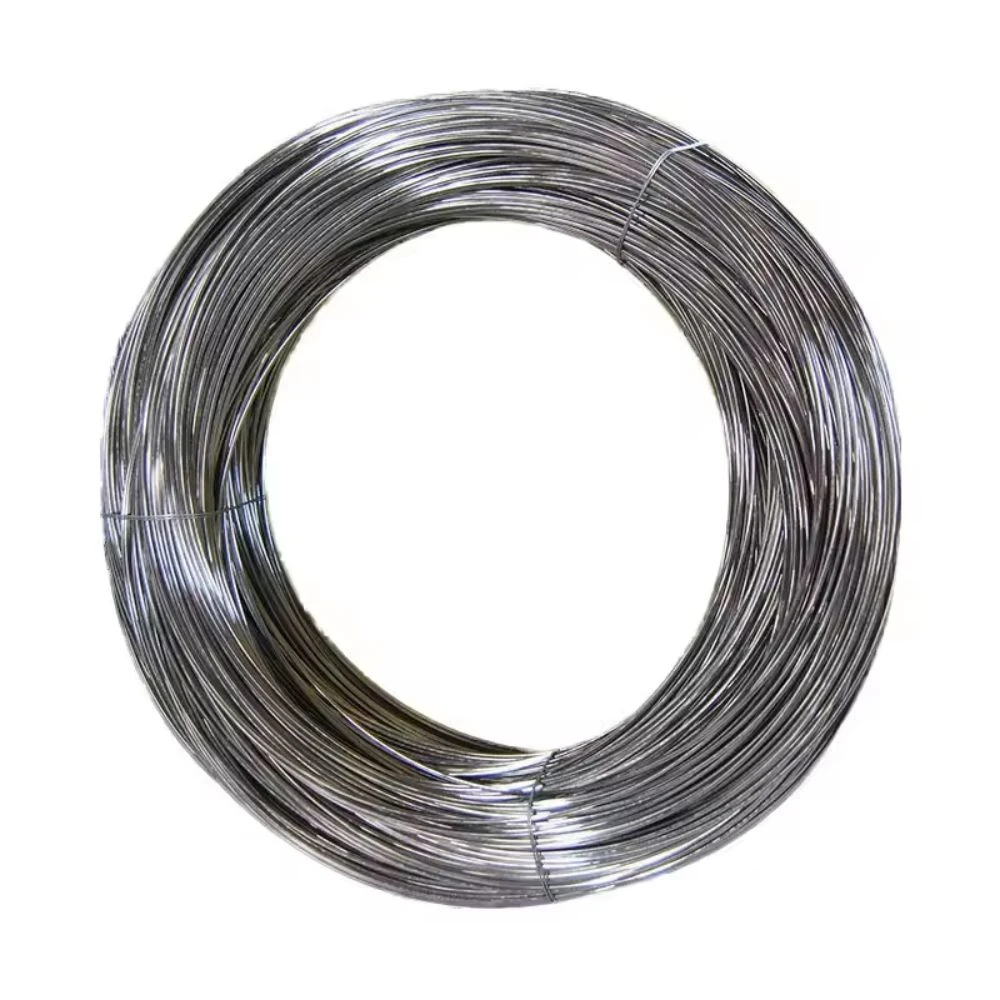
The convergence of these trends suggests that the wire mesh industry is no longer about selling a commodity, but about providing a technical solution. In Egypt, this is particularly evident in the demand for high-precision binding iron wire that ensures stability in complex rebar intersections. The ability to provide material that is not only strong but also compliant with international certifications (CE, REACH, ASTM) is becoming the primary differentiator for suppliers.
Moreover, the focus on operational efficiency is leading to a rise in "ready-to-install" mesh panels. By providing panels that are precisely cut to project dimensions, manufacturers are helping Egyptian contractors reduce on-site labor costs and material waste. This shift toward pre-engineered components is a key part of the broader modernization of the North African construction landscape, where speed and precision are now as critical as raw material strength.
Application Guide
Typical Deployments in the Egyptian Market
How our wire mesh solutions are applied to solve specific local infrastructure and industrial challenges.
01
Urban Housing Reinforcement in Cairo
In the rapid expansion of Cairo's residential sectors, contractors use our welded mesh panels to reinforce concrete slabs. The local challenge is the high volume of pours and the need for rapid installation. By using precision-welded panels, they ensure uniform steel distribution, preventing structural cracking and reducing the time required for manual rebar tying.
02
Coastal Industrial Fencing in Alexandria
Industrial facilities near the Mediterranean coast face extreme salt-spray corrosion. We provide high-grade galvanized and stainless steel fencing solutions. The application involves heavy-duty barbed wire fence toppers to secure perimeter boundaries, ensuring the coatings can withstand the saline environment without premature oxidation.
03
Agricultural Perimeter Security in the Nile Delta
Large-scale farming operations in the Delta region require extensive security boundaries. Our high-tensile barbed wire is deployed to protect crops and livestock from unauthorized entry. Given the soft soil conditions, our wire is engineered for flexibility and strength, resisting sagging over long distances while remaining a potent deterrent.
04
Pharmaceutical Plant Filtration in Giza
Medical and pharmaceutical facilities require extreme hygiene. Here, stainless welded wire mesh is used for equipment guards and filtration screens. The solution focuses on the non-reactive nature of the stainless steel and smooth surface finishes to prevent bacterial buildup, meeting both Egyptian and international health regulations.
05
Roadway and Bridge Infrastructure in New Capital
For the construction of highway overpasses and bridges, our heavy-duty binding iron wire is used to secure massive rebar cages. The critical requirement is the high breaking strength of the binding wire to ensure the cages maintain their shape during the concrete pouring process under high pressure.
Verified Application
Representative Operator Perspectives
Illustrative scenarios demonstrating the impact of high-precision wire mesh on project outcomes.
Implementing direct factory sourcing for welded mesh panels significantly reduced our project lead times for urban housing. The consistency in weld strength ensured we passed structural inspections on the first attempt, avoiding the costly rework common with local generic supplies.
The transition to high-grade stainless welded wire mesh for our filtration systems was essential for meeting pharmaceutical standards. The precision in aperture size allowed for a seamless fit into our existing machinery, reducing operational downtime during installation.
Securing a large agricultural perimeter required materials that could withstand both the environment and attempted breaches. The high-tensile barbed wire provided a reliable security barrier that didn't sag over time, significantly reducing the need for perimeter maintenance.
Our Heritage
Anping Honglin: 35 Years of Wire Mesh Excellence
A legacy of precision manufacturing and global partnership.
1990
Company Foundation
Established in Anping, Hebei, China, focusing on the fundamental research and production of premium wire mesh products to serve the growing industrial demand.
2004
International Trade Expansion
Expanded operational scope to international markets, initiating the delivery of customized wire mesh solutions to clients across more than 95 countries.
2005
Strategic Exhibition Presence
Began consecutive participation in the Canton Fair and other major global trade shows (NAHB IBS, Big 5), establishing direct links with global engineering firms.
Growth Phase
Facility Modernization
Developed a 50,000m² facility equipped with five automated production lines and a comprehensive lab for tensile and spectral testing.
Compliance Era
Certification Integration
Achieved a wide range of international certifications including ISO9001, CE, RoHS, and REACH, ensuring all shipments meet global safety and health standards.
Present
Global Industry Leadership
Continuing to lead in the metal wire mesh industry through a commitment to quality, tailored customization, and long-term trust-based partnerships worldwide.
Technical Support
Common Inquiries Regarding Wire Mesh Procurement
Detailed answers to technical and commercial questions for Egyptian importers and engineers.
What is the difference between standard welded mesh and stainless welded wire mesh for industrial use?
The primary difference lies in material composition and corrosion resistance. Standard welded mesh is typically carbon steel, which requires galvanization to resist rust. Stainless welded wire mesh is made from alloys (like 304 or 316) that are inherently resistant to corrosion. For Egyptian environments, especially in coastal cities like Alexandria, stainless options are recommended for high-humidity or chemical-exposure areas, while galvanized carbon steel is suitable for general structural reinforcement in dry inland areas.
How do you ensure the quality and tensile strength of the barbed wire fence for large-scale projects?
Quality is ensured through a multi-stage QC process. Every batch undergoes testing using calibrated tensile testers to verify the breaking point of the wire. We also use spectrometers to check the chemical composition of the raw material. Each shipment is accompanied by an inspection certificate and lab reports, ensuring that the fencing meets the specified ASTM or EN standards, preventing premature failure or sagging in the field.
Can the dimensions and aperture of the welded mesh panels be customized for specific Egyptian construction codes?
Yes, we provide full one-stop customization. You can specify the material grade, wire diameter, aperture size, and overall panel dimensions. We understand that different projects in Egypt may require adherence to specific local building codes or international standards. Our technical team works with your blueprints to provide panels that fit your exact specifications, which reduces on-site cutting and minimizes material waste.
What are the shipping lead times for bulk orders of binding iron wire to Egypt?
Lead times vary based on the order volume and customization level, but our five automated production lines allow for rapid turnaround. Typically, production is completed within a few weeks, followed by international shipping to Egyptian ports. We provide transparent shipping schedules and coordinate closely with logistics partners to ensure that the materials arrive in sync with your project milestones, avoiding costly construction delays.
Which certifications are provided with the shipments to ensure compliance with Egyptian import regulations?
We provide a comprehensive documentation package to facilitate customs clearance and project certification. This includes ISO9001 Quality Management certificates, CE compliance for EU safety standards, RoHS for environmental safety, and SGS product testing reports. We can also provide ASTM and EN standard conformity declarations, which are widely recognized by Egyptian engineering consultants and government regulatory bodies.
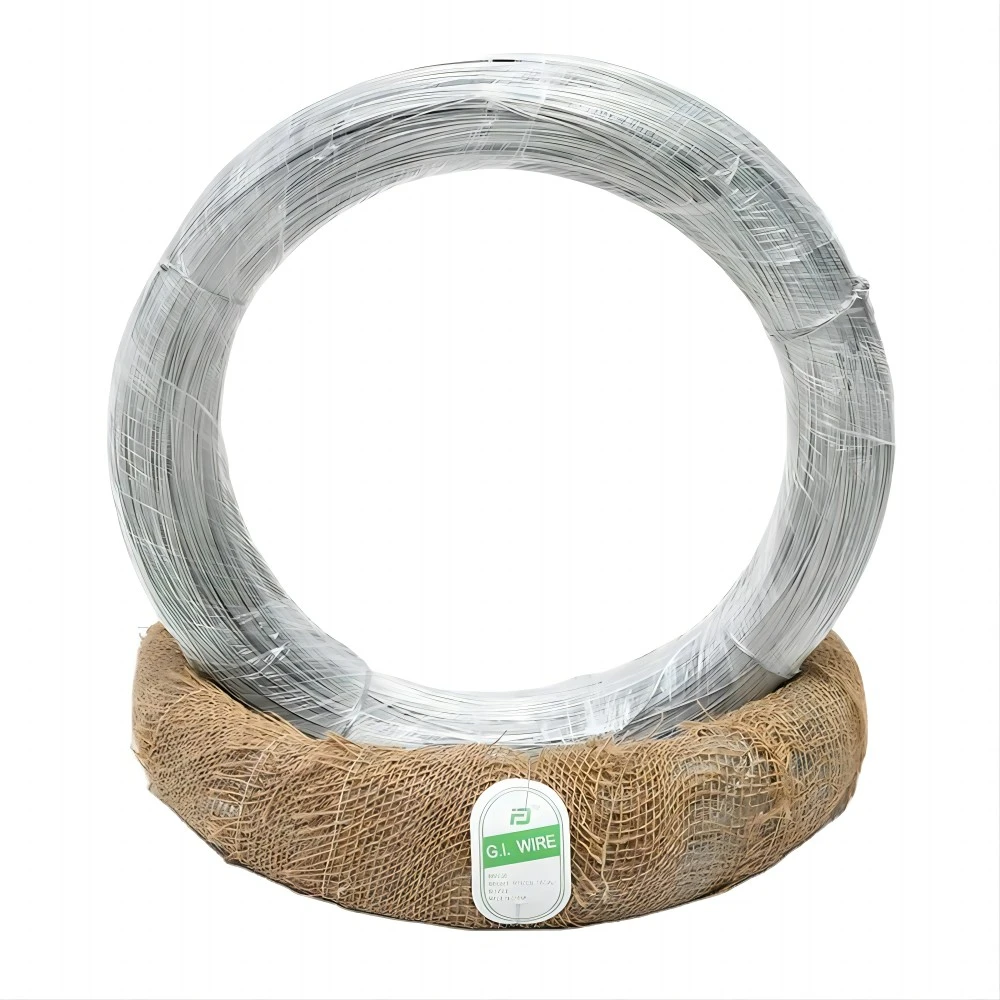
How should I choose between different galvanized coatings for wire mesh used in desert environments?
The choice depends on the expected lifespan and the specific environmental stressors. For dry desert regions, standard hot-dip galvanization is usually sufficient. However, if the application is near the coast or in an industrial zone with chemical pollutants, a thicker zinc coating or a stainless steel alternative is required. We recommend evaluating the specific site's salinity and humidity levels; our technical team can suggest the optimal coating thickness to balance initial cost with long-term durability.
Direct Factory Partnership
Secure High-Precision Wire Mesh for Your Next Project in Egypt
Whether you are managing a large-scale infrastructure project in Cairo or an industrial facility in Alexandria, our 35 years of expertise ensures you receive materials that meet exact technical specifications and international certifications. Avoid the risks of substandard supplies and optimize your structural integrity with our automated production. Contact us today for a personalized quote or technical consultation tailored to your specific Egyptian site requirements.
Discuss Your Requirements

