The humble wire of iron, often overlooked, is a foundational material underpinning countless aspects of modern life and critical infrastructure. From the electrical grids powering our cities to the reinforcing elements within concrete structures, its robust properties enable essential functionality. Understanding the characteristics and applications of wire of iron is increasingly vital as global populations grow and demand for resilient infrastructure rises.
The importance of wire of iron extends beyond mere construction. It plays a crucial role in communications, transportation, and even humanitarian aid. The inherent strength, conductivity, and relative cost-effectiveness of iron wire make it an invaluable resource in both developed and developing nations. As global challenges like climate change and disaster resilience become more pressing, the significance of this fundamental material will only increase.
Ultimately, the effective implementation and innovative application of wire of iron are key to building a more sustainable, interconnected, and secure future. Exploring its diverse uses and potential for advancement is not just an engineering exercise; it's a crucial step toward addressing some of the world's most urgent needs.
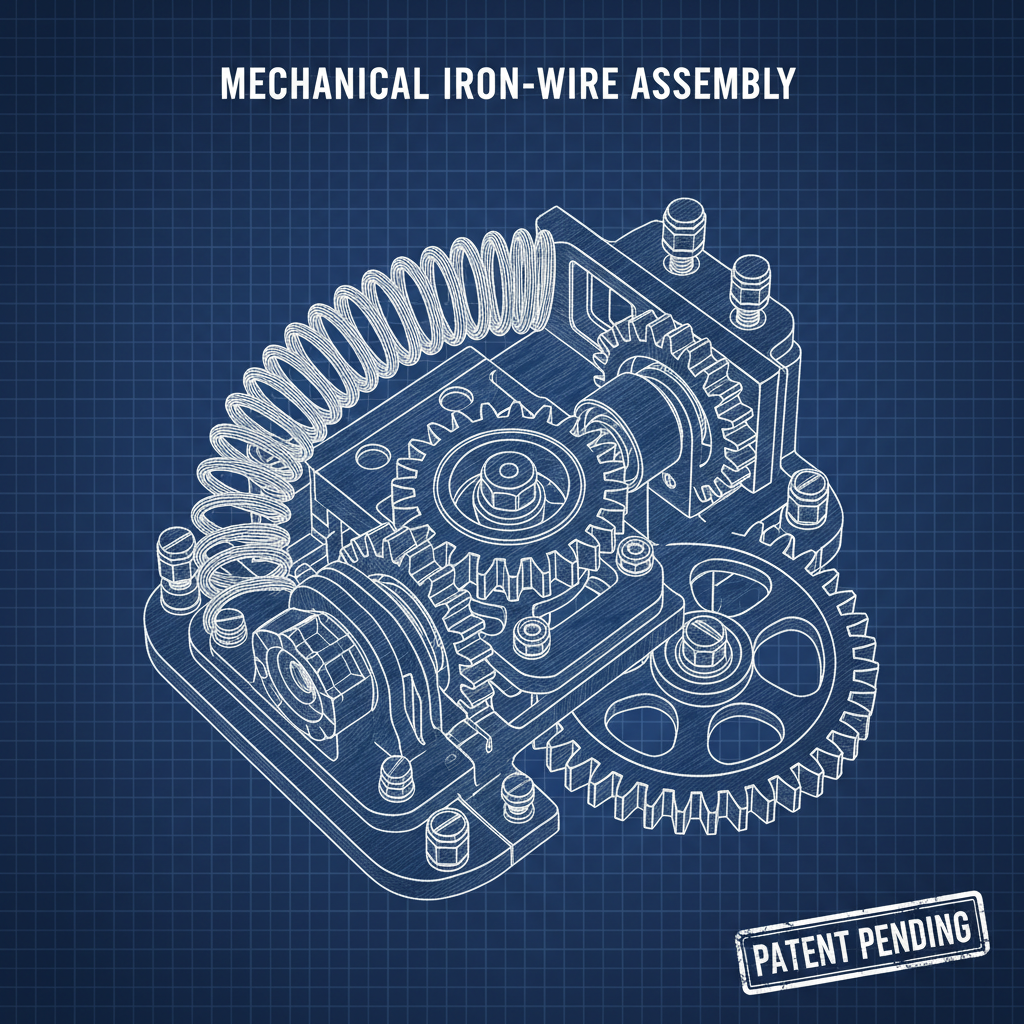
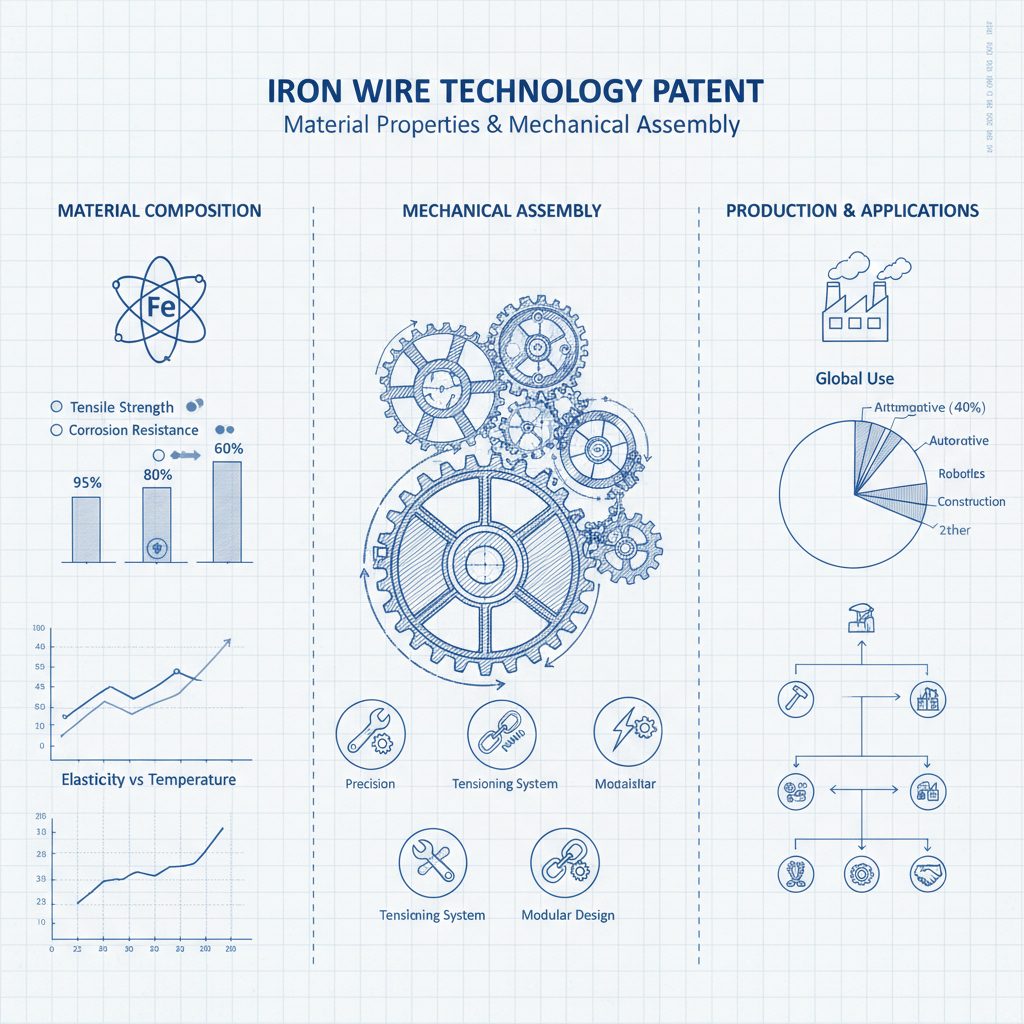
The global demand for wire of iron is staggering, largely driven by infrastructure development in emerging economies. According to the World Steel Association, global steel production (the primary source material for iron wire) reached nearly 1.9 billion tonnes in 2022. A significant portion of this production is directly used in the manufacturing of various wire products. This demand is particularly high in regions undergoing rapid urbanization and industrialization, such as Asia and Africa.
The UN’s Sustainable Development Goals (SDGs) – particularly SDG 9 (Industry, Innovation, and Infrastructure) – are heavily reliant on the availability of durable and affordable materials like iron wire. It is a vital component in constructing essential infrastructure, improving connectivity, and fostering economic growth. However, challenges remain in ensuring sustainable and ethical sourcing of iron ore and minimizing the environmental impact of wire production.
The most prevalent methods for protecting wire of iron from corrosion include galvanization (coating with zinc), passivation (creating a protective oxide layer), and the application of polymeric coatings. Galvanization is particularly effective, providing a sacrificial barrier that prevents rust. The choice of method depends on the specific application and environmental conditions. Regular inspection and maintenance are also crucial for maximizing longevity.
Carbon content significantly impacts the properties of wire of iron. Higher carbon content increases hardness and tensile strength but reduces ductility, making the wire more brittle. Lower carbon content improves ductility and weldability but compromises strength. Different applications require different carbon levels to optimize performance characteristics.
Iron is a naturally occurring element, and wire of iron is highly recyclable, making it a relatively environmentally friendly material. The main environmental concern lies in the energy consumption during production and the potential for pollution from mining operations. Using recycled iron and employing sustainable manufacturing practices can minimize the environmental impact.
High-tensile wire of iron is commonly used in applications requiring exceptional strength and durability, such as agricultural fencing, suspension cables, and reinforcement in pre-stressed concrete. Its ability to withstand significant stress makes it ideal for demanding structural applications.
Selecting the correct wire gauge depends on the intended application and the loads it will bear. Generally, higher gauge numbers indicate thinner wires. Factors to consider include tensile strength requirements, corrosion resistance, and the overall structural design. Consulting engineering guidelines or a materials specialist is recommended for critical applications.
Both galvanized and stainless steel wire offer corrosion resistance, but they differ in composition and performance. Galvanized wire is coated with zinc, providing a sacrificial barrier against rust. Stainless steel wire contains chromium, forming a passive oxide layer that resists corrosion. Stainless steel generally offers superior corrosion resistance but is more expensive than galvanized wire.
In summary, wire of iron is a foundational material whose significance extends far beyond its unassuming appearance. From bolstering infrastructure and aiding disaster relief to enabling technological advancements, its versatility, affordability, and durability make it an indispensable component of modern society. Understanding its properties and applications is crucial for addressing global challenges and building a more sustainable future.
Looking ahead, continued innovation in materials science and manufacturing processes will further enhance the performance and sustainability of wire of iron. By embracing circular economy principles, investing in research and development, and fostering collaboration across industries, we can unlock the full potential of this remarkable material and build a more resilient and interconnected world.