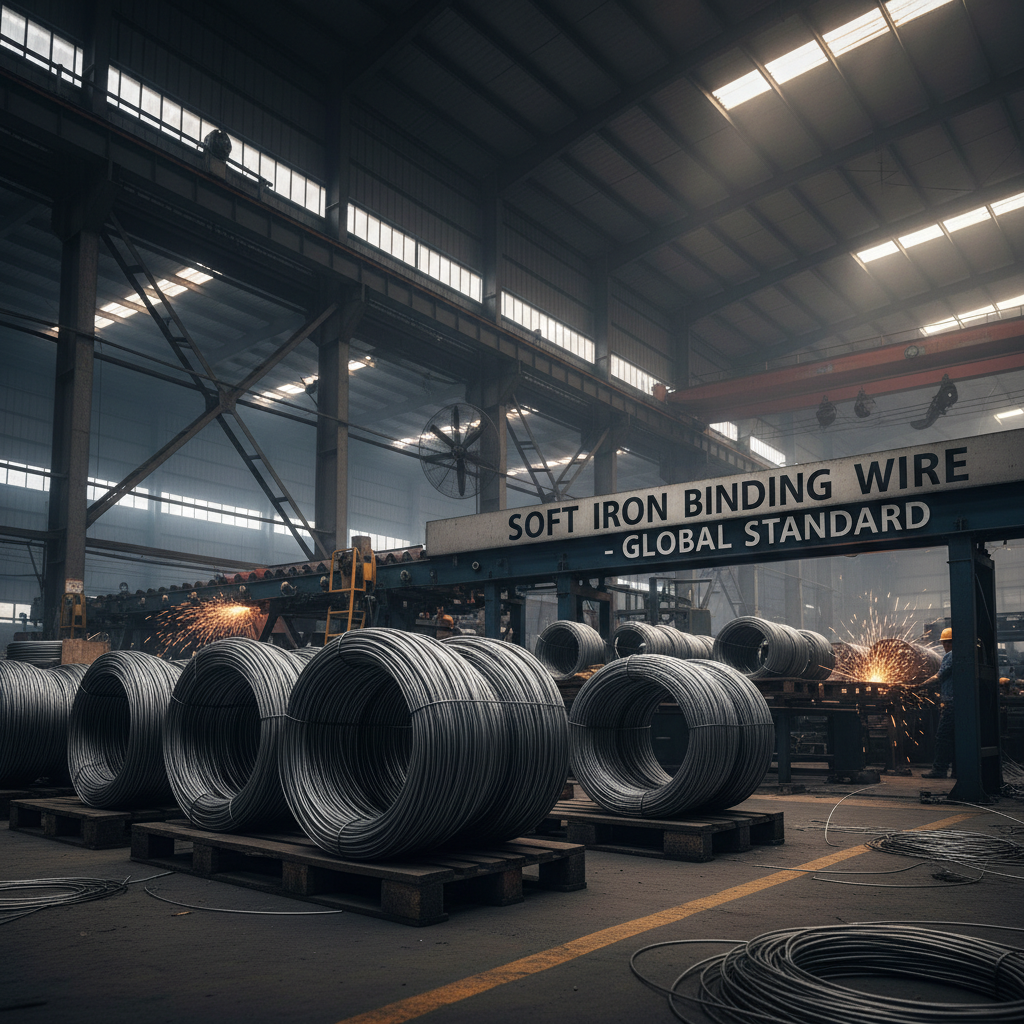
Soft iron binding wire, a deceptively simple material, plays a crucial role in a surprisingly wide range of applications globally. From securing agricultural products to providing foundational support in emergency shelter construction, its versatility and cost-effectiveness make it an indispensable component in numerous industries and humanitarian efforts. Understanding its properties and applications is increasingly important as we face growing demands for sustainable and adaptable solutions.
The global demand for soft iron binding wire is driven by factors like agricultural production, construction activity, and disaster relief operations. Data from the UN Office for Disaster Risk Reduction highlights a significant increase in climate-related disasters, driving demand for rapid deployment solutions where this wire is essential. Simultaneously, growing agricultural sectors, particularly in developing nations, rely on it for bundling and securing harvests. The ISO standards for metal tensile strength and corrosion resistance heavily influence the quality and reliability of this wire, ensuring it meets international safety benchmarks.
At its core, soft iron binding wire is a pliable ferrous metal, typically low carbon steel, characterized by its ease of manipulation and relatively low tensile strength. This pliability allows for easy twisting and knotting, making it ideal for securing and bundling. Its connection to modern industry isn't merely functional; it's often a critical enabler for efficiency, particularly in situations where speed and cost are paramount. In humanitarian contexts, it provides a lifeline for building temporary shelters and securing essential supplies, directly impacting the well-being of vulnerable populations.
Introduction to soft iron binding wire
Soft iron binding wire is more than just a simple fastener; it's a foundational element in numerous industries and critical applications. Its primary function, securing objects through twisting and knotting, belies its importance in sectors ranging from agriculture and construction to disaster relief and arts & crafts. The wire’s ability to provide a quick, reliable, and inexpensive binding solution makes it a highly sought-after material worldwide. soft iron binding wire is often used where permanent fastening isn’t required, offering a flexible and adaptable solution.
The properties that define soft iron binding wire – its malleability, tensile strength, and affordability – contribute directly to its widespread adoption. Unlike harder steel wires, it can be easily manipulated by hand, reducing the need for specialized tools. This characteristic is particularly valuable in remote locations or emergency situations where access to advanced equipment may be limited. Furthermore, the inherent recyclability of iron contributes to the sustainable nature of this material, aligning with growing environmental concerns.
Defining Soft Iron Binding Wire
Soft iron binding wire is a type of low-carbon steel wire known for its ductility and ease of bending. "Soft iron" refers to iron with a very low carbon content, resulting in a metal that is relatively weak but incredibly malleable. This malleability is the key characteristic that defines its purpose: it’s designed to be easily formed and twisted without snapping, allowing for secure and adjustable bindings.
Its role extends far beyond simple bundling. In agriculture, it secures crops like vines and vegetables. In construction, it temporarily holds materials in place during assembly. In disaster relief, it helps build temporary shelters and reinforce damaged structures. The low carbon content also means it’s readily recyclable, aligning with sustainable practices.
Understanding the distinction between soft iron and other steel wires is crucial. High-carbon steel, while stronger, is far less pliable. Soft iron binding wire is deliberately engineered to prioritize formability over ultimate strength, making it perfectly suited for applications demanding adjustability and ease of use. It’s a testament to how material science can tailor properties to specific needs, directly impacting practical applications.
Key Characteristics of Soft Iron Binding Wire
One of the defining characteristics of soft iron binding wire is its malleability. This refers to its ability to be hammered, pressed, or rolled into thin sheets or drawn into wires without fracturing. This property is paramount for its intended use—easily twisting and knotting the wire around objects.
Another crucial aspect is tensile strength. While not as high as hardened steel, soft iron binding wire offers sufficient strength for most bundling and securing tasks. It balances pliability with enough resistance to maintain its form after being twisted. Choosing the correct gauge of wire is important to ensure it can handle the anticipated load.
Corrosion resistance, although not inherent, can be enhanced through galvanization or other coating processes. Untreated soft iron will rust over time, making coated varieties preferred for outdoor applications or environments with high humidity. soft iron binding wire with protective coatings ensure longevity and reliability.
Practical Applications and Uses
The versatility of soft iron binding wire is reflected in its diverse range of applications. In agriculture, it's used extensively for training vines, securing fruit trees to supports, and bundling harvested crops like hay and vegetables. This ensures efficient handling and storage of agricultural produce.
The construction industry utilizes it for temporary fastening of building materials during the assembly process. It can hold components in place before permanent welds or fasteners are applied, improving efficiency and safety. Additionally, it's commonly used in fencing applications for tying wire mesh to support posts.
Comparison of soft iron binding wire Applications
Global Applications of Soft Iron Binding Wire
In post-disaster relief operations, soft iron binding wire is invaluable. It’s used to quickly construct temporary shelters, reinforce damaged buildings, and secure essential supplies. Its ease of use and availability make it a critical resource in responding to emergencies around the world, especially in regions prone to natural disasters.
Across developing nations, particularly in Asia and Africa, small-scale farmers rely heavily on this wire for supporting crops and creating efficient storage solutions. The low cost and accessibility are crucial for these communities, enabling them to improve agricultural practices and enhance food security.
Advantages and Long-Term Value
The primary advantage of soft iron binding wire lies in its cost-effectiveness. Compared to other fastening methods, like welding or using specialized clamps, it represents a significantly cheaper solution, making it accessible to a wider range of users. This affordability doesn't compromise its utility, as it provides a reliable and secure binding solution for numerous applications.
From a sustainability perspective, the recyclability of iron is a major benefit. Discarded wire can be readily reprocessed, reducing waste and conserving resources. Beyond environmental considerations, its versatility offers long-term value by adapting to various needs, offering a durable and dependable option.
The speed and simplicity of using this wire also contribute to its value. It doesn’t require specialized skills or equipment, empowering individuals to quickly and efficiently address binding needs. This inherent accessibility, coupled with its reliability, fosters trust and confidence in its performance.
Future Trends and Innovations
Ongoing research focuses on enhancing the corrosion resistance of soft iron binding wire through innovative coating technologies. Nanomaterials and advanced polymers are being explored to create coatings that offer superior protection against rust and environmental degradation, extending the wire’s lifespan and reducing maintenance requirements.
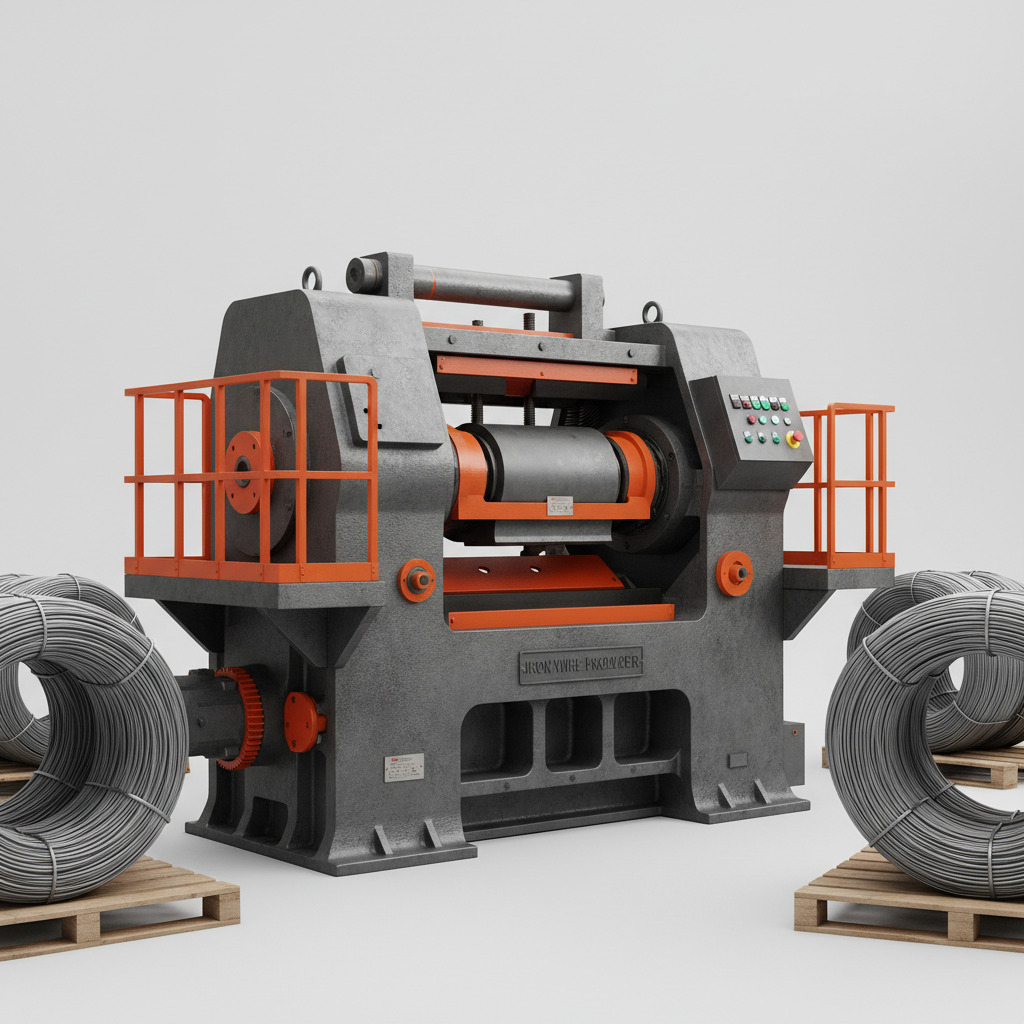
Automation is also playing a role. Automated wire-twisting machines are being developed to increase efficiency and reduce labor costs in industries like agriculture and packaging. These machines can consistently produce secure bindings, improving product quality and overall productivity.
With the growing emphasis on sustainable practices, the development of bio-based coatings for soft iron binding wire is gaining traction. These coatings, derived from renewable resources, offer an environmentally friendly alternative to traditional petroleum-based options.
Summary of Challenges and Potential Solutions for Soft Iron Binding Wire
| Challenge |
Impact on Application |
Potential Solution |
Implementation Cost (1-10) |
| Corrosion Susceptibility |
Reduced lifespan in outdoor environments |
Application of advanced coatings (galvanization, polymer coatings) |
6 |
| Manual Labor Intensity |
High labor costs and potential for inconsistent binding |
Integration of automated wire-twisting machinery |
8 |
| Limited Strength |
Inability to withstand heavy loads or high stresses |
Use of thicker gauge wire or combination with reinforcing materials |
4 |
| Environmental Impact of Coatings |
Potential pollution from traditional coating materials |
Development and adoption of bio-based and eco-friendly coatings |
7 |
| Supply Chain Disruptions |
Fluctuations in iron ore prices and availability |
Diversification of sourcing and strategic stockpiling |
5 |
| Standardization of Quality |
Inconsistent product quality across different manufacturers |
Implementation of stricter quality control measures and industry standards |
6 |
FAQS
While both offer binding solutions, soft iron binding wire is known for its exceptional malleability, making it easy to twist and shape by hand. Galvanized steel wire, conversely, is significantly stronger and more resistant to corrosion due to its zinc coating. This makes it suitable for outdoor applications where rust prevention is crucial. However, galvanized wire is harder to manipulate. The choice depends on the specific application – pliability versus durability and corrosion resistance.
Generally, no. Untreated soft iron binding wire is prone to rusting when exposed to moisture and the elements. While rust doesn’t necessarily compromise its immediate binding ability, it weakens the wire over time. For outdoor applications, it’s highly recommended to choose galvanized or polymer-coated versions of soft iron binding wire to protect against corrosion and extend its lifespan.
For securing heavy plants like grapevines, a heavier gauge of soft iron binding wire is recommended. Typically, a gauge between 14 and 16 AWG (American Wire Gauge) provides sufficient strength to support the weight of the vines and withstand wind pressure. Lighter gauges might be suitable for smaller, less demanding plants, but a heavier gauge offers greater security and longevity.
Yes, soft iron binding wire is readily recyclable. Because it’s primarily composed of iron, it can be easily reprocessed into new steel products. Recycling helps conserve resources, reduces landfill waste, and minimizes the environmental impact of production. Many scrap metal dealers will accept soft iron binding wire for recycling.
While soft iron binding wire is relatively safe to handle, it's essential to wear gloves to protect your hands from sharp edges and potential cuts. When cutting the wire, use appropriate wire cutters and avoid creating frayed ends. Be mindful of the wire's tension when twisting it, as it can snap back if released suddenly. Safety glasses are recommended to protect your eyes.
High-quality soft iron binding wire is readily available from numerous suppliers, including agricultural supply stores, hardware stores, and online retailers. When purchasing, look for wire that meets industry standards for tensile strength and corrosion resistance. Iron Wire Factory offers a wide selection of soft iron binding wire in various gauges and coatings to meet diverse needs.
Conclusion
Soft iron binding wire, despite its simple nature, remains a remarkably versatile and valuable material across a wide spectrum of industries and applications. From its crucial role in agriculture and construction to its vital function in disaster relief, its affordability, malleability, and recyclability ensure its continued relevance. Understanding its properties and optimizing its use is essential for maximizing efficiency and sustainability in various sectors.
Looking ahead, innovations in coating technologies and automation promise to further enhance the performance and ease of use of soft iron binding wire. By embracing these advancements and prioritizing sustainable practices, we can unlock even greater potential from this unassuming yet indispensable material. Visit our website at www.ironwirefactorys.com to learn more about our range of soft iron binding wire products and solutions.