
358 Security Fence: Anti-Climb & Anti-Cut Maximum Protection
The Imperative of High-Security Perimeter Solutions
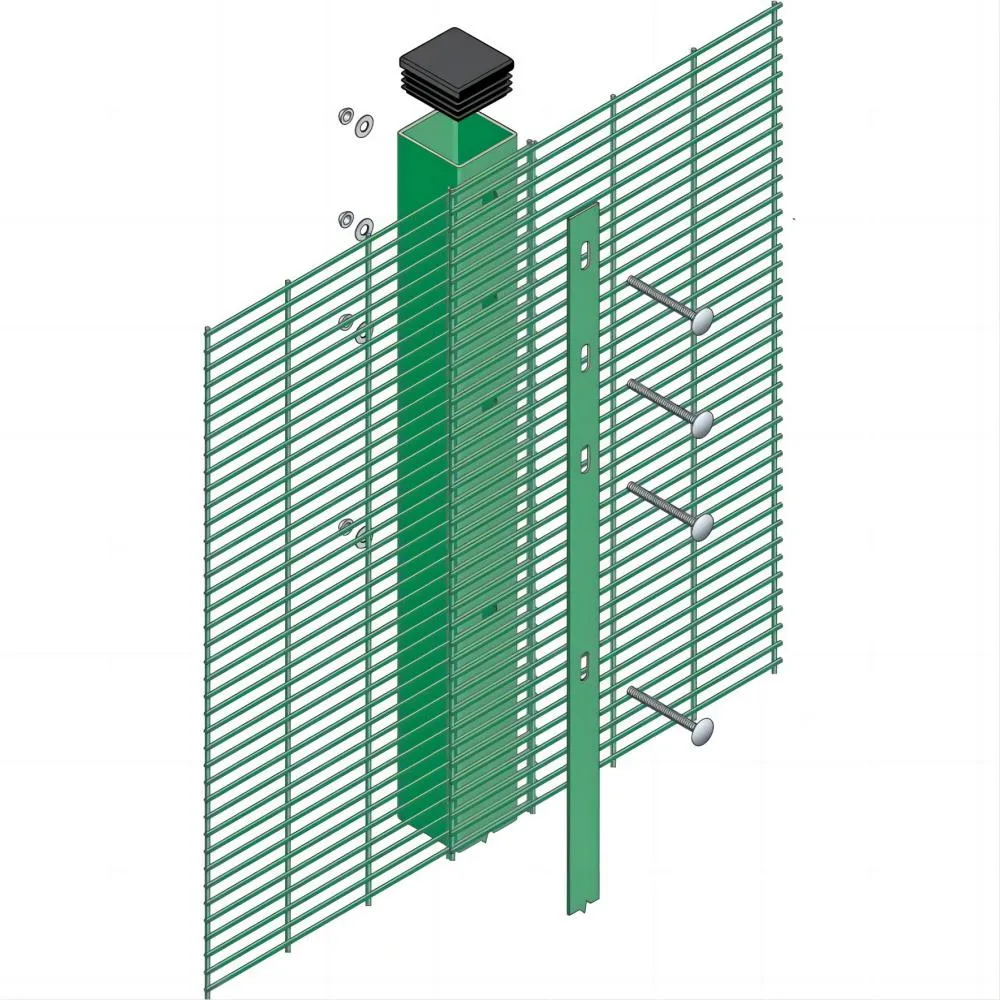
In an era defined by evolving security threats, robust perimeter protection is no longer a luxury but a critical necessity for industries ranging from vital infrastructure to sensitive commercial assets. The demand for advanced security solutions has driven innovation, leading to specialized products designed to counter sophisticated intrusion attempts. Among these, the 358 Security Fence stands out as a leading solution, engineered for maximum deterrence and operational resilience. This article delves into the technical aspects, applications, and strategic advantages of this critical security component, offering B2B decision-makers a comprehensive understanding of its value proposition.
Industry Trends in Perimeter Security Systems
The global perimeter security market is experiencing significant growth, driven by increasing geopolitical instability, rising terrorism concerns, and the need to protect critical national infrastructure. Current trends emphasize integrated security solutions, combining physical barriers with electronic surveillance and access control. Technologies like anti-climb and anti-cut fencing, such as the 358 Security Fence, are increasingly being paired with AI-powered video analytics, ground radar, and fiber-optic intrusion detection systems. This synergy creates multi-layered defenses capable of detecting, deterring, delaying, and denying unauthorized access effectively. Regulatory compliance, particularly in sectors like petrochemicals and defense, also mandates the deployment of certified high-security barriers meeting stringent international standards.
Detailed Manufacturing Process Flow of 358 Security Fence
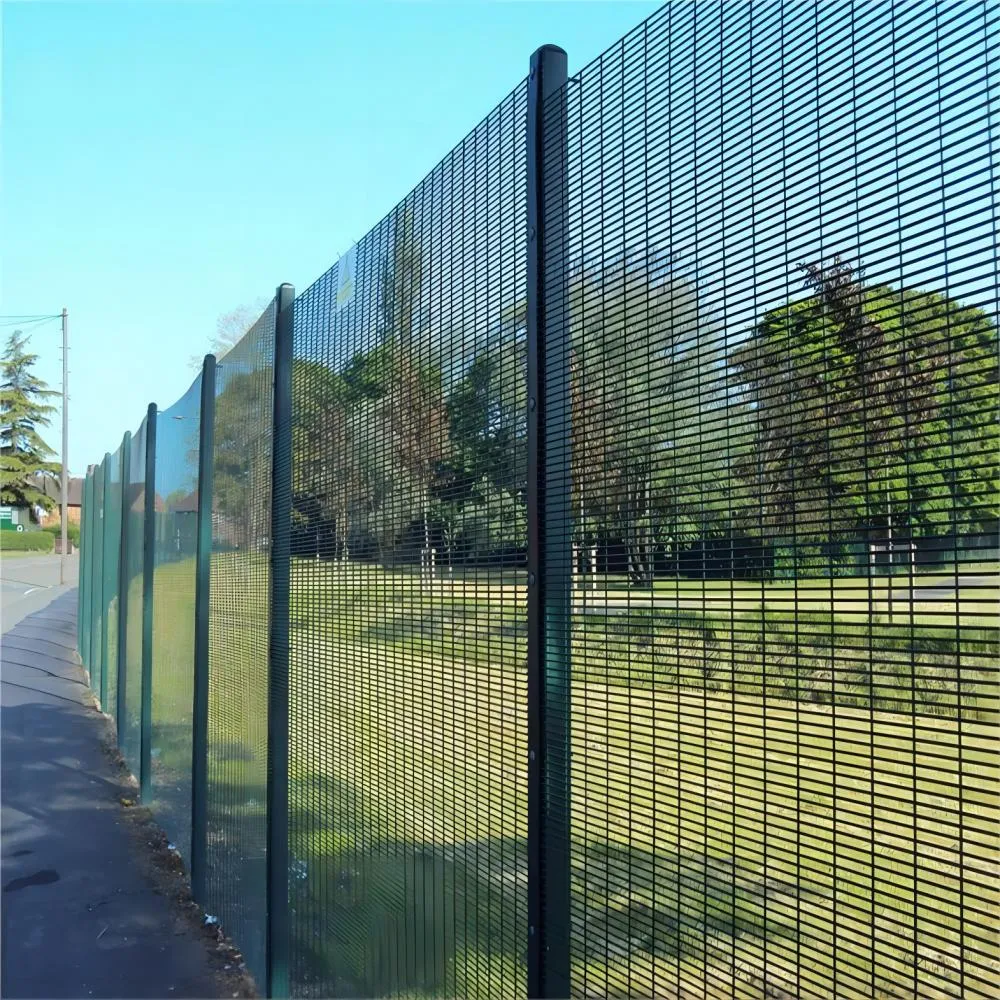
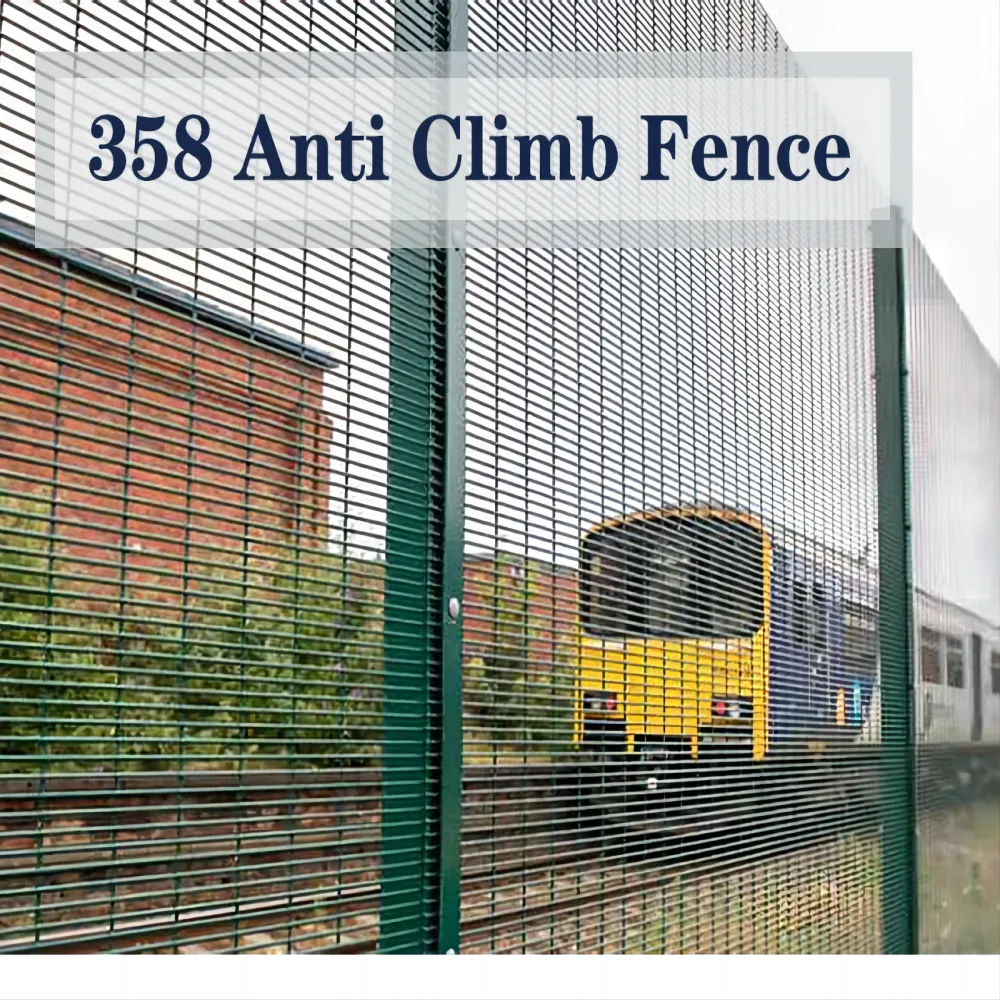
The production of a 358 Security Fence is a meticulous process, engineered to deliver unparalleled strength and durability. The "358" nomenclature refers to its mesh size: 3-inch x 0.5-inch openings (approximately 76.2mm x 12.7mm) using 8 gauge (approximately 4mm diameter) wire. This tight mesh pattern is key to its anti-climb and anti-cut properties. The typical manufacturing process involves several critical stages:
- Material Selection: High-tensile steel wire is chosen for its strength and resilience. Common materials include low-carbon steel or galvanized steel wire, selected to meet specific mechanical property requirements (e.g., tensile strength, yield strength) as per ASTM A641/A641M or EN 10223-4 standards.
- Wire Drawing & Straightening: The raw steel wire coils undergo a precision wire drawing process to achieve the exact 8-gauge diameter (4mm). This process enhances the wire's tensile strength and ensures uniformity. Subsequently, the wires are straightened and cut to precise lengths for horizontal and vertical elements.
- Mesh Welding (Resistance Welding): Using advanced automated welding machines, the horizontal and vertical wires are resistance welded at each intersection. This is a critical step, ensuring a robust, tamper-resistant mesh panel. The welding parameters (current, time, pressure) are meticulously controlled to guarantee superior weld strength, preventing easy separation or penetration.
- Panel Trimming & Edge Finishing: After welding, panels are trimmed to precise dimensions. Edges are carefully finished to remove any sharp burrs, ensuring safety during installation and enhancing the product's aesthetic.
- Surface Treatment:
- Hot-Dip Galvanization: Panels are immersed in molten zinc, creating a metallurgical bond that provides excellent corrosion resistance. This process typically adheres to ISO 1461 or ASTM A123/A123M standards, ensuring a minimum coating thickness and uniform coverage. This significantly extends service life, often exceeding 20-30 years in typical environments, crucial for target industries like petrochemicals and water supply & drainage where corrosion resistance is paramount.
- Powder Coating: After galvanization (or sometimes directly on bare steel for specific applications), an electrostatic powder coating is applied and then oven-cured. This provides an additional layer of protection against UV degradation and corrosion, while also offering aesthetic flexibility (e.g., RAL colors). Adherence to ISO 12944 for corrosion protection or Qualicoat standards for architectural coatings is common.
- Quality Control & Testing: Throughout the process, rigorous QC checks are performed. This includes visual inspection, dimensional accuracy checks, weld strength tests, zinc coating thickness measurements (via magnetic induction or other non-destructive methods), and adhesion tests for powder coating (e.g., cross-hatch test). Material traceability, adhering to ISO 9001 quality management systems, is maintained from raw material to finished product.
- Packaging: Finished panels are carefully bundled and packaged, typically on wooden or steel pallets, to prevent damage during transit. Protective films or wraps are often used.
The emphasis on high-quality materials and stringent manufacturing processes ensures that the 358 Security Fence delivers superior performance, especially in demanding applications where energy saving (through reduced maintenance) and exceptional corrosion resistance are critical.
Technical Specifications and Parameters
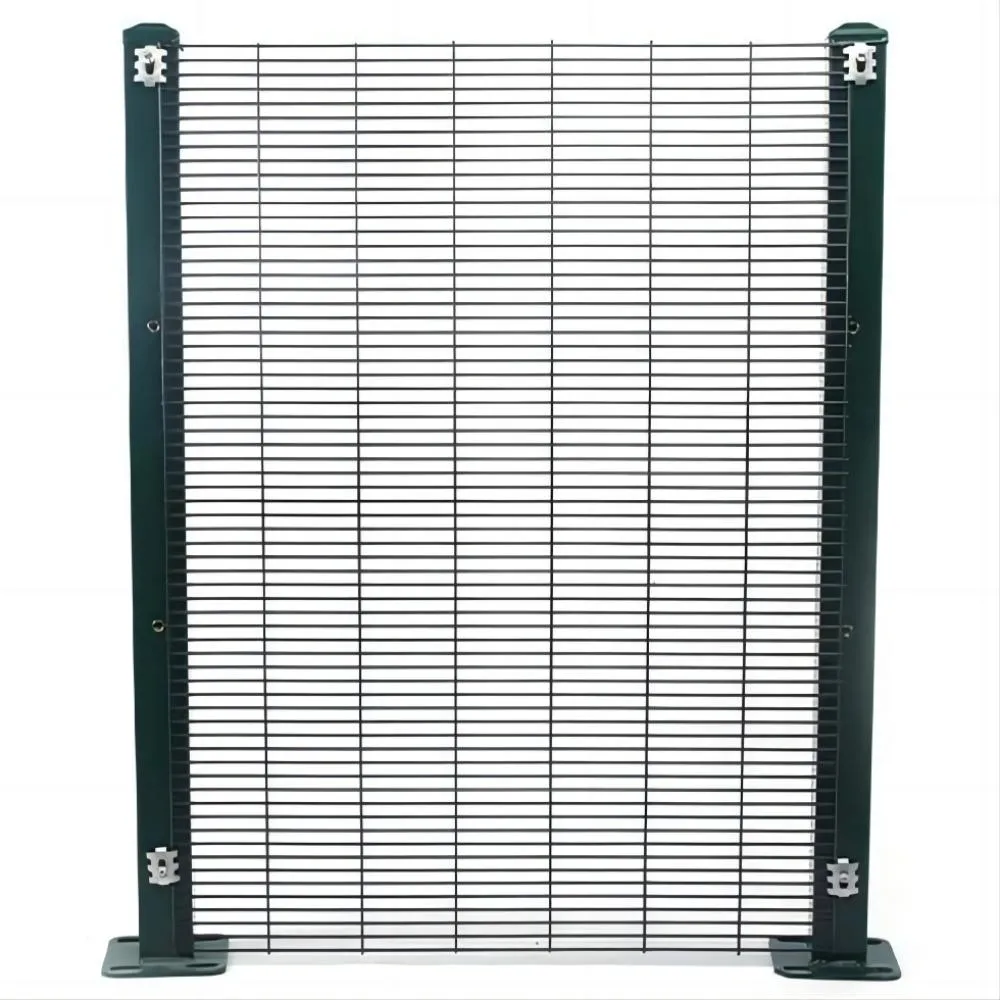
The performance of a 358 Security Fence is defined by its precise technical parameters. These specifications ensure compliance with security requirements and project-specific demands.
Typical 358 Security Fence Specifications
| Parameter | Value/Description |
|---|---|
| Mesh Aperture | 76.2mm x 12.7mm (3" x 0.5") |
| Wire Diameter (Gauge) | 4.0mm (8 Gauge) or 3.0mm (11 Gauge) for lighter variants |
| Panel Height | 1.8m, 2.0m, 2.4m, 2.7m, 3.0m, 3.3m, 3.6m, 4.2m (custom heights available) |
| Panel Width | 2.5m, 3.0m (standard) |
| Tensile Strength | 500-700 N/mm² (typical for steel wire) |
| Surface Treatment | Hot-dip galvanized (min. 60g/m² zinc coating) and/or Polyester Powder Coated (min. 60 microns) |
| Standard Colors (Powder Coated) | RAL 6005 (Moss Green), RAL 9005 (Jet Black), RAL 7016 (Anthracite Grey) |
| Post Type | Square hollow section (SHS) or Rectangular hollow section (RHS), typically 60x60mm or 80x80mm |
| Corrosion Resistance | Excellent (Salt Spray Test: >1000 hours for HDG+PC) |
| Service Life | 20-30+ years, depending on environment and coating |
These specifications are crucial for engineers and project managers to ensure the chosen fencing system meets the required security rating and environmental resilience for specific installations.
Key Technical Advantages of 358 Security Fence
The design of the 358 Security Fence incorporates several features that provide distinct advantages over conventional fencing systems:
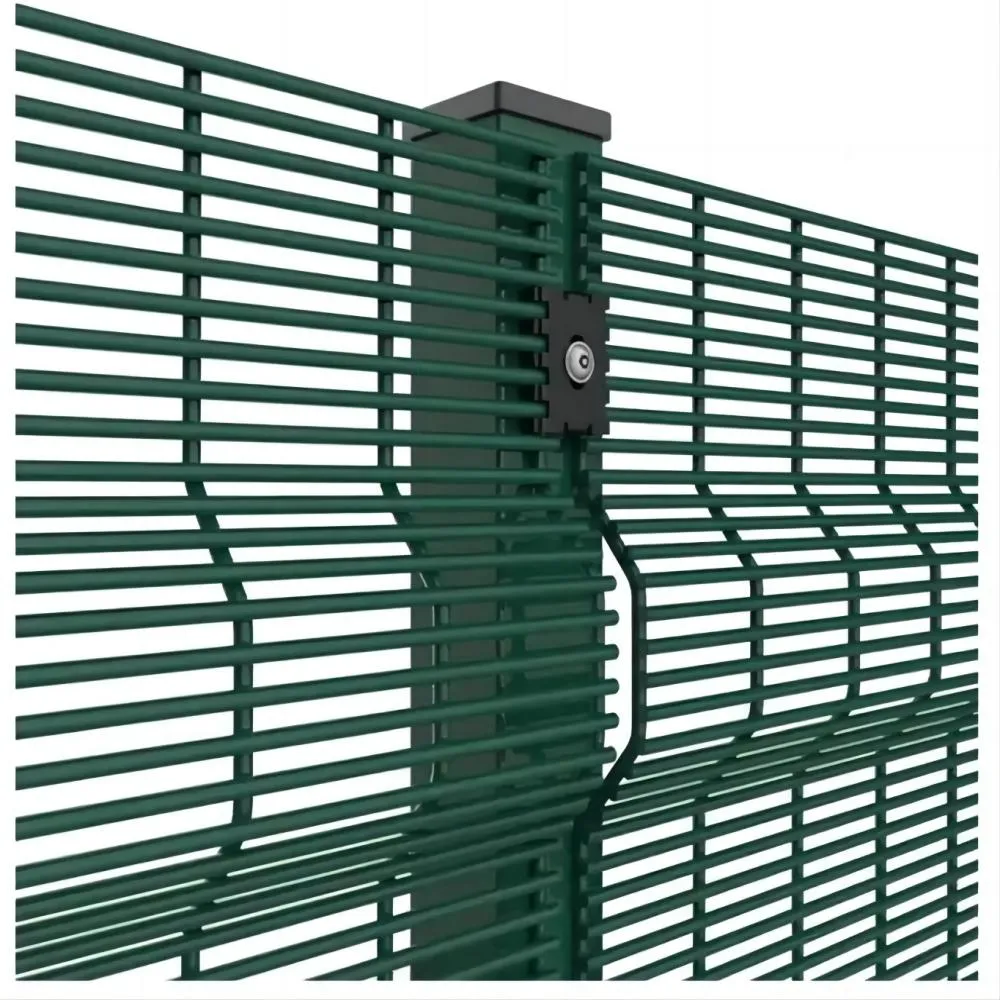
- Anti-Climb Design: The narrow mesh aperture (76.2mm x 12.7mm) makes it virtually impossible for an intruder to gain finger or toe holds, effectively preventing climbing without specialized equipment.
- Anti-Cut Resistance: The robust 4.0mm wire diameter, coupled with the dense mesh, renders standard hand tools (like bolt cutters) ineffective. Multiple cuts in different locations would be required, making forced entry time-consuming and noisy, thus increasing the likelihood of detection.
- High Visibility: Despite its strength, the fence offers excellent through-visibility. This allows for unobstructed surveillance and clear sightlines for CCTV systems, enhancing monitoring capabilities without creating blind spots.
- Durability and Longevity: Constructed from high-strength steel and typically hot-dip galvanized and powder coated, the fence exhibits exceptional resistance to weathering, corrosion, and physical impact. This ensures a long service life with minimal maintenance requirements.
- Minimal Visual Impact: Available in various colors, the fence can blend into its surroundings, offering high security without being overtly intrusive or industrial in appearance, which is beneficial for aesthetic-sensitive sites.
- Integration Capability: The rigid panel design allows for seamless integration with various security enhancements, including razor wire, barbed wire, PIDs (Perimeter Intrusion Detection systems), and CCTV cameras, creating a comprehensive security envelope.
Application Scenarios and Target Industries
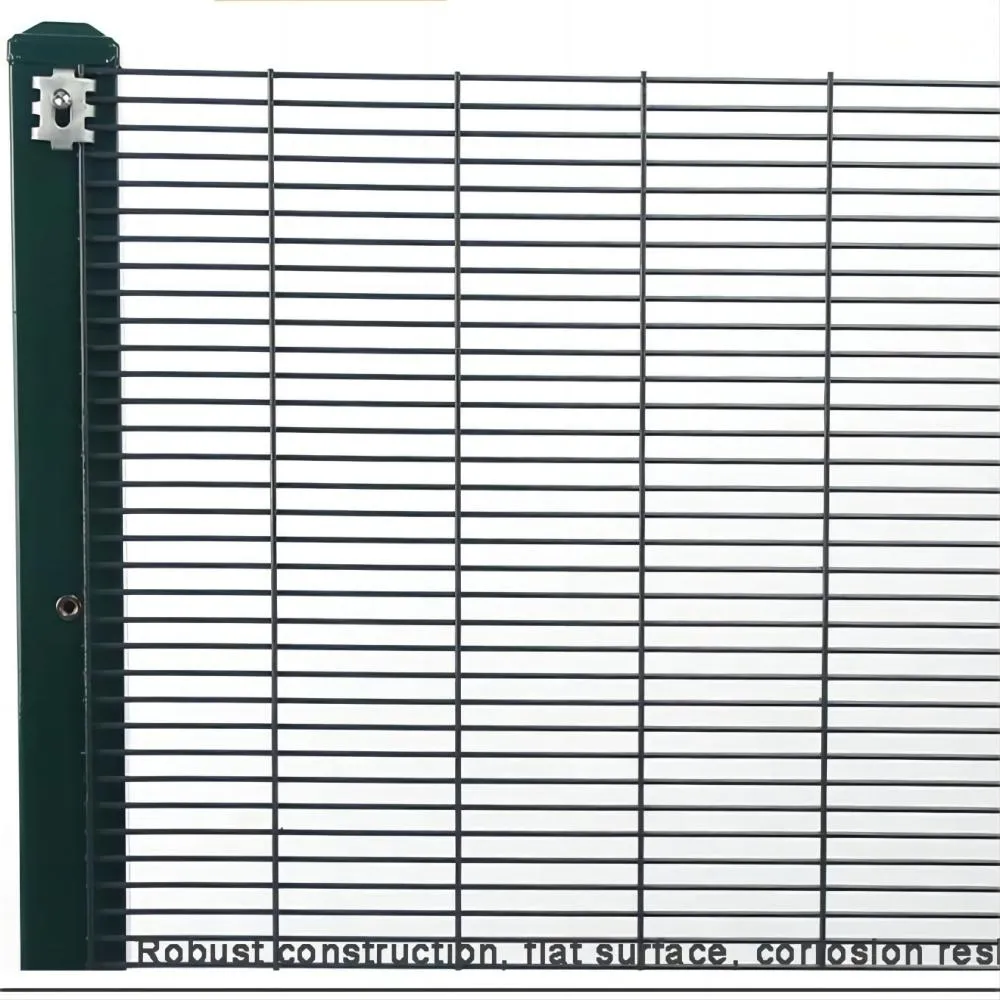
The versatility and high-security attributes of the 358 Security Fence make it ideal for a wide array of demanding applications across critical industries:
- Petrochemical and Energy Facilities: Refineries, power plants, and gas storage depots require robust perimeter security to prevent sabotage and theft. The fence's corrosion resistance is particularly valuable in these often harsh environments.
- Military Bases and Defense Installations: Offering a high level of physical deterrence against unauthorized entry, essential for national security assets.
- Prisons and Correctional Facilities: Its anti-climb and anti-cut properties are crucial for preventing escapes and contraband introduction.
- Data Centers and Server Farms: Protecting sensitive data infrastructure from physical breaches is paramount, and the fence provides a strong first line of defense.
- Airports and Seaports: Securing perimeters to prevent unauthorized access to runways, docks, and restricted areas, critical for aviation and maritime security compliance.
- Water Supply & Drainage Systems: Protecting critical public utilities from vandalism or contamination attempts, where long-term corrosion resistance in moist environments is key.
- Border Security and Customs Control: Effective in delaying and deterring illegal crossings, especially when integrated with surveillance technologies.
- Telecommunication Sites: Protecting cellular towers and communication hubs from theft of equipment or malicious damage.
- Commercial and Industrial Parks: Providing enhanced security for high-value assets and sensitive industrial processes.
Vendor Comparison Considerations for 358 Security Fence
When procuring 358 Security Fence solutions, selecting the right vendor is paramount. This involves evaluating several critical factors beyond just price:
Key Vendor Comparison Matrix
| Criteria | Importance | Evaluation Points |
|---|---|---|
| Product Quality & Adherence to Standards | Critical | Certifications (ISO 9001, CE, ASTM, EN), wire gauge consistency, weld strength, coating thickness & adhesion tests, material traceability. |
| Customization Capabilities | High | Ability to provide custom heights, widths, wire gauges, post types, colors, and integration options for specific site requirements. |
| Experience & Authoritativeness | High | Years in business, portfolio of similar projects, client testimonials, case studies, industry recognition, engineering expertise. |
| Technical Support & After-Sales Service | Medium-High | Installation guidance, maintenance advice, availability of spare parts, responsive technical assistance. |
| Lead Time & Logistics | Medium | Reliable production schedules, efficient shipping capabilities, ability to meet project deadlines. |
| Warranty & Guarantees | High | Clear warranties on materials, coatings, and workmanship, demonstrating confidence in product longevity. |
A thorough evaluation across these criteria ensures a reliable, high-performance security solution that provides long-term value and peace of mind.
Customized Solutions and Integration
While standard configurations of 358 Security Fence meet many requirements, critical infrastructure and specialized facilities often demand bespoke solutions. Customization options include varying panel heights and widths, specific wire gauges for enhanced resistance, and specialized coating systems to withstand extreme environmental conditions (e.g., highly corrosive industrial atmospheres or coastal installations). Post types can be tailored for different ground conditions or to facilitate the mounting of additional security devices.
Furthermore, the modular design of the fence allows for seamless integration with a suite of advanced security technologies. This includes:
- Perimeter Intrusion Detection Systems (PIDs): Fiber optic, taut wire, or seismic sensors can be mounted directly onto the fence fabric, detecting attempts to cut, climb, or breach the barrier and triggering immediate alerts.
- CCTV and Thermal Imaging Cameras: Posts can be designed to accommodate camera mounts, providing clear lines of sight for surveillance, day and night.
- Access Control Systems: Integrated with high-security gates, turnstiles, and electronic access control for controlled entry points.
- Razor Wire or Barbed Tape Concertina: Top sections can be extended and fitted with razor wire or barbed tape for enhanced deterrence against climbing.
- Electric Fence Systems: Can be added as a further layer of deterrence and detection.
These integrated solutions create a formidable multi-layered defense, critical for the highest security applications.
Application Case Studies
Case Study 1: Critical National Infrastructure (Power Substation)
A major regional power substation required an upgrade to its perimeter security following a heightened threat assessment. The existing chain-link fence offered insufficient resistance to intrusion. A customized 358 Security Fence system was installed, featuring 3.6m high panels, hot-dip galvanized and powder coated in Anthracite Grey (RAL 7016) for aesthetic integration. The fence was topped with three strands of barbed wire and integrated with a fiber-optic perimeter intrusion detection system. The tight mesh prevented climbing, while the robust wire and welded intersections thwarted cutting attempts. The high transparency of the mesh allowed existing CCTV systems to maintain clear surveillance. Post-installation audits confirmed a significant improvement in security resilience, reducing false alarms from wildlife while detecting genuine intrusion attempts with high accuracy.
Case Study 2: High-Security Data Center
A new Tier III data center facility needed a robust physical barrier to protect sensitive servers and proprietary information. The chosen solution was a 2.7m high 358 Security Fence with a Black (RAL 9005) powder coating for a sleek, modern appearance. The fence panels were anchored into a reinforced concrete plinth, preventing tunneling attempts. Each panel was secured to heavy-duty steel posts using anti-tamper fixings. For added security, a microwave perimeter detection system was deployed behind the fence line, creating an invisible detection zone. This multi-layered approach successfully provided the requisite level of physical and electronic security, complying with industry-specific data protection and physical security standards, and contributing to the facility's overall accreditation.
Ensuring Trustworthiness: Certifications, Warranty, and Support
Trustworthiness in B2B transactions hinges on verifiable quality, clear commitments, and reliable support. Our products, including the 358 Security Fence, adhere to stringent international standards, underpinning our commitment to quality and reliability.
Certifications and Authoritative References
Our manufacturing processes and products are certified to ISO 9001 for Quality Management Systems, ensuring consistent product quality from raw material sourcing to final dispatch. Materials and coatings comply with relevant ASTM (e.g., ASTM A641/A641M for galvanized wire, ASTM A123/A123M for hot-dip galvanizing) and European EN standards (e.g., EN 10244-2 for zinc coatings, EN 10223-4 for steel wire mesh fencing). These certifications provide independent assurance of product performance and longevity.
Lead Time and Fulfillment
Typical lead times for standard 358 Security Fence panels range from 3-5 weeks, depending on order volume and current production schedules. Custom orders may require additional time for design and specialized manufacturing. We maintain efficient logistics networks to ensure timely and secure delivery globally, providing comprehensive shipping documentation and tracking.
Warranty Commitments
We stand by the quality of our products. All galvanized and powder-coated 358 Security Fences come with a comprehensive warranty against defects in materials and workmanship, typically covering 10-15 years for corrosion resistance, depending on the coating system and environmental exposure. Specific warranty details are provided with each quotation.
Customer Support Information
Our dedicated technical support team is available to assist with product selection, technical queries, installation guidance, and after-sales service. We offer comprehensive documentation, including installation manuals and maintenance recommendations. For inquiries, please contact us via the details provided on our website. Our commitment is to ensure seamless project execution and long-term product satisfaction.
Frequently Asked Questions (FAQ)
- Q: What does "358" mean in 358 Security Fence?
A: "358" refers to the mesh dimensions: 3 inches x 0.5 inches for the openings, and 8 gauge for the wire diameter. This translates to approximately 76.2mm x 12.7mm mesh and 4mm wire, creating a dense, high-security barrier.
- Q: Is the 358 Security Fence truly anti-climb and anti-cut?
A: Yes. The small mesh aperture prevents hand and foot holds for climbing, while the robust 8-gauge (4mm) wire, combined with the tight mesh, makes it extremely difficult to cut with standard hand tools, greatly delaying any breach attempts.
- Q: What types of finishes are available for corrosion protection?
A: The primary finishes are hot-dip galvanization, which provides excellent base corrosion resistance, often followed by a polyester powder coating for enhanced durability, UV protection, and aesthetic customization (available in various RAL colors).
- Q: Can the 358 Security Fence be integrated with electronic security systems?
A: Absolutely. Its rigid structure is ideal for mounting various electronic security systems, including perimeter intrusion detection systems (PIDs), CCTV cameras, and access control points, facilitating a comprehensive security solution.
- Q: What are the typical applications for this type of fencing?
A: It is widely used in high-security environments such as military bases, prisons, data centers, airports, power stations, petrochemical facilities, and critical infrastructure projects where superior perimeter protection is required.
- Q: What is the expected service life of a 358 Security Fence?
A: With proper hot-dip galvanization and powder coating, a 358 Security Fence can have an expected service life of 20 to 30 years or more, depending on environmental conditions and maintenance practices.
Conclusion
The 358 Security Fence represents a pinnacle in physical perimeter security, combining robust anti-climb and anti-cut features with excellent visibility and long-term durability. Its precise manufacturing, adherence to international standards, and versatility in customization and integration make it an indispensable asset for protecting critical infrastructure and sensitive sites across various B2B sectors. Investing in a high-quality 358 Security Fence solution is a strategic decision that fortifies defenses, reduces vulnerabilities, and ensures enduring peace of mind for high-value assets.
References
- ASTM International. (n.d.). Standards & Publications. Retrieved from https://www.astm.org/standards/
- International Organization for Standardization. (n.d.). ISO 9001 Quality Management. Retrieved from https://www.iso.org/iso-9001-quality-management.html
- European Committee for Standardization. (n.d.). CEN Standards. Retrieved from https://www.cen.eu/pages/default.aspx
- Homeland Security. (n.d.). Critical Infrastructure Protection. Retrieved from https://www.dhs.gov/critical-infrastructure-protection
-
Professional Guide to Choosing Nails for Wooden Fence PanelsNewsApr.16,2026
-
PING HONGLIN WIRE MESH CO.,LTD: African Clients Visit Factory, Deepen Cooperation to Build a Global Quality BenchmarkNewsApr.14,2026
-
Guide to Choosing the Best nails for wood trim for CarpentryNewsApr.09,2026
-
Recognized for Excellence: ANPING HONGLIN WIRE MESH Named Alibaba FY2026 TOP Transaction Merchant, Celebrating 35 Years of Manufacturing HeritageNewsApr.07,2026
-
HONGLIN WIRE MESH Showcases at WORLDBEX Philippines 2026, Earning Strong Recognition from Global Builders & DistributorsNewsApr.07,2026
-
Spanish Client Delegation Visits Our Factory for Exchange, Exploring New Cooperation Opportunities in Welded Wire ProductsNewsApr.07,2026


