
Guide to Choosing the Best nails for wood trim for Carpentry
The Ultimate Guide to Choosing the Best Nails for Wood Trim
Achieving a flawless finish in interior carpentry requires more than just skill; it requires the right hardware. Selecting the ideal nails for wood trim is the difference between a professional-looking molding and a project marred by unsightly nail heads and split wood. Whether you are installing crown molding, baseboards, or intricate door casings, the type of nail you choose affects both the structural integrity and the aesthetic appeal of your home. In this guide, we will explore the various options available, helping you choose the perfect fastener for your specific woodworking needs.
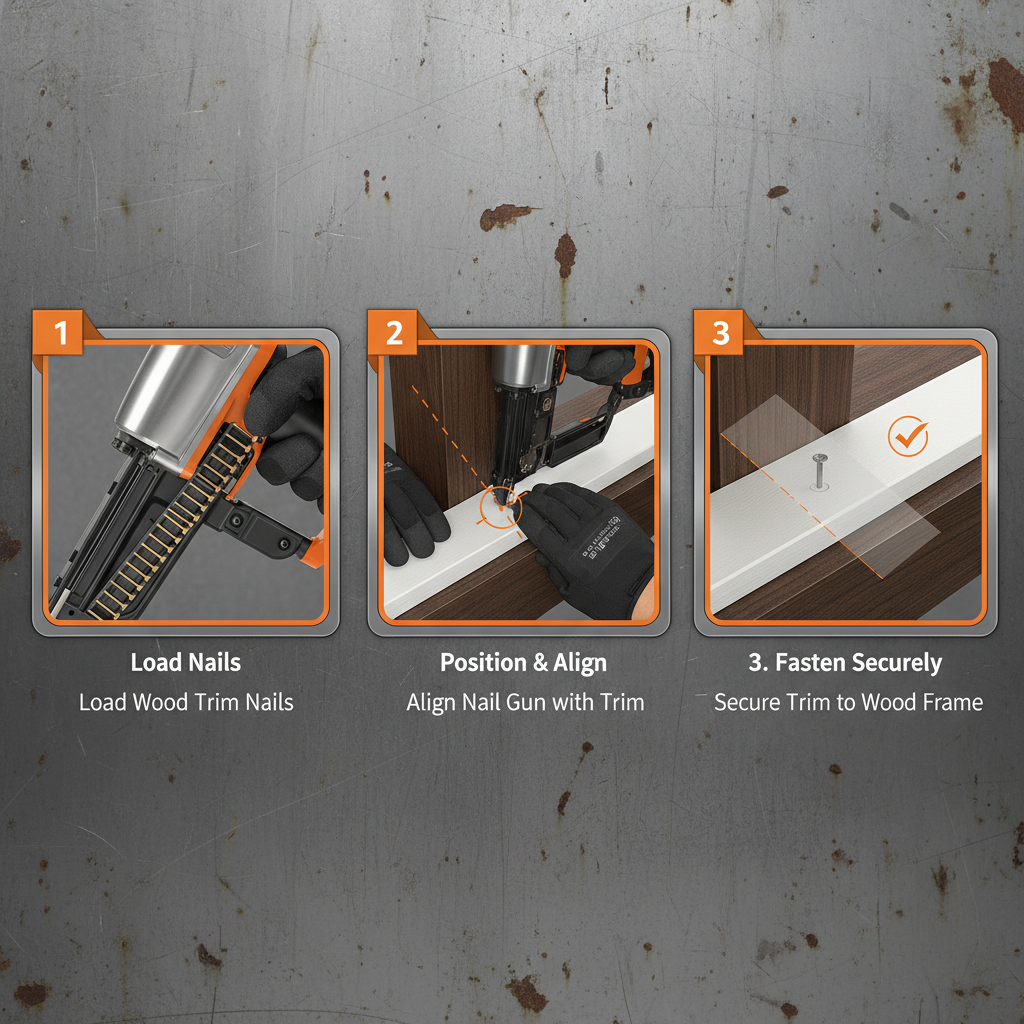
Common Types of Nails for Wood Trim Applications
Not all nails are created equal. For trim work, the goal is usually to provide enough holding power while remaining as invisible as possible. Finish nails are the industry standard, featuring small heads that can be easily sunk below the wood surface and filled with putty. Brad nails, on the other hand, are much thinner and are ideal for delicate moldings or where the wood is prone to splitting. For outdoor trim, stainless steel or galvanized nails are essential to prevent rust streaks from ruining your paint job. Understanding these differences ensures that your nails for wood trim provide the exact balance of strength and discretion required.
Pro Tip: Always choose a nail length that is at least twice as long as the thickness of the trim piece to ensure it penetrates deeply into the wall studs for a secure hold.
Comparing Brad Nails vs. Finish Nails for Wood Trim
One of the most common dilemmas for DIYers and professionals alike is deciding between brad nails and finish nails. Brad nails are typically 18-gauge, making them very thin and less likely to split the wood, but they offer less shear strength. Finish nails are usually 16-gauge, providing a much stronger grip for heavier pieces like baseboards. When selecting nails for wood trim, consider the weight of the material and the environment where it will be installed.
Material Specifications for Nails for Wood Trim
The material of the nail is just as important as its size. For most interior work, bright steel is acceptable, but for high-moisture areas like bathrooms or kitchens, galvanized coatings are preferred. Stainless steel is the gold standard for luxury homes and coastal environments. When sourcing nails for wood trim, always check the coating specifications to ensure long-term durability and prevent oxidation.
Installation Techniques for a Seamless Look
Even the best nails for wood trim can leave a mark if not installed correctly. To achieve a "invisible" look, use a nail set to drive the head slightly below the surface of the wood. For very hard woods, pre-drilling a small pilot hole can prevent the wood from splitting, especially when using 16-gauge finish nails. Once the nail is sunk, a high-quality wood filler matched to your trim color will make the fastener disappear completely after sanding and painting.
Technical Specifications for Bulk Procurement
For contractors and large-scale projects, purchasing in bulk requires a clear understanding of technical standards. High-tensile steel ensures that the nails don't bend when hitting a hard knot in the wood. The precision of the head diameter is critical for pneumatic nailers to prevent jamming. Here is a specification table for standard professional-grade nails for wood trim:
Selecting the Right Supplier for Wood Trim Nails
When buying in volume, the quality of the wire and the precision of the cutting process are paramount. Poorly manufactured nails can cause tool jams or inconsistent head depths, leading to wasted time and material. A reputable factory provides consistent quality control and various coating options to suit different climates. By partnering with a specialized manufacturer like Iron Wire Factory, you ensure that your nails for wood trim meet international industrial standards, reducing project overhead and increasing efficiency.
Conclusion: Perfection in the Details
The secret to high-end interior finishing lies in the details. Choosing the correct nails for wood trim—matching the gauge to the weight of the wood and the material to the environment—ensures a result that is both durable and visually seamless. Whether you are a professional contractor or a passionate home renovator, investing in quality fasteners is the most cost-effective way to guarantee a professional finish. Don't let the wrong nail ruin your hard work; choose precision, strength, and durability.
Frequently Asked Questions (FAQs)
How do I stop my wood trim from splitting when nailing?
Wood splitting usually occurs when the nail is too thick for the wood or is driven too close to the edge. To prevent this, first consider switching to a thinner gauge nail, such as a brad nail. If you are using larger finish nails, the best method is to pre-drill a pilot hole using a drill bit slightly thinner than the nail itself. This removes a small amount of material, allowing the nail to enter without exerting excessive outward pressure on the wood fibers. Additionally, ensuring your nails for wood trim are sharp and high-quality will help them slice through the grain rather than forcing it apart.
Should I use glue in addition to nails for wood trim?
Yes, using a combination of wood glue and nails is highly recommended for a permanent, professional bond. While nails provide the immediate clamping force needed to hold the trim in place, the glue creates a chemical bond that prevents the wood from shifting or shrinking over time. This is especially important for mitered corners (like those in crown molding), where gaps can appear as the wood seasons. Apply a thin bead of wood glue to the joint, then secure it with your chosen nails for wood trim for the best possible result.
Which nail is best for exterior wood trim?
For exterior applications, you must use nails that are resistant to corrosion. Standard bright steel nails will rust, causing unsightly orange streaks to bleed through your paint. Hot-dipped galvanized nails are a great option for most outdoor projects, but for maximum protection—especially in coastal areas with salt air—stainless steel nails are the superior choice. Stainless steel does not react with the tannins in certain woods (like cedar or redwood) and will not rust over time. Always ensure your nails for wood trim are rated for outdoor use to avoid costly future repairs.
How do I hide nail holes in my trim?
The key to hiding nail holes is to "countersink" the nail head. This means driving the nail slightly below the surface of the wood. Once the nail is set, fill the hole with a high-quality wood filler or a mixture of sawdust and wood glue for a perfect color match. After the filler has dried completely, sand the area flush with a fine-grit sandpaper (220 grit). Finally, apply a primer and paint over the spot. If you use the correct nails for wood trim with small heads, the holes will be tiny and virtually invisible once finished.
-
Professional Guide to Choosing Nails for Wooden Fence PanelsNewsApr.16,2026
-
PING HONGLIN WIRE MESH CO.,LTD: African Clients Visit Factory, Deepen Cooperation to Build a Global Quality BenchmarkNewsApr.14,2026
-
Guide to Choosing the Best nails for wood trim for CarpentryNewsApr.09,2026
-
Recognized for Excellence: ANPING HONGLIN WIRE MESH Named Alibaba FY2026 TOP Transaction Merchant, Celebrating 35 Years of Manufacturing HeritageNewsApr.07,2026
-
HONGLIN WIRE MESH Showcases at WORLDBEX Philippines 2026, Earning Strong Recognition from Global Builders & DistributorsNewsApr.07,2026
-
Spanish Client Delegation Visits Our Factory for Exchange, Exploring New Cooperation Opportunities in Welded Wire ProductsNewsApr.07,2026


