
A Comprehensive Guide to Utilizing Flat Wood Nails for Superior Woodworking
Understanding Flat Wood Nails: A Comprehensive Guide
Flat wood nails, also known as finishing nails, are a staple in woodworking and construction. Their design prioritizes a clean, subtle finish while providing adequate holding power for a variety of applications. This article will explore the characteristics, applications, and benefits of flat wood nails, helping you choose the right nail for your project. We’ll cover everything from materials to sizing, ensuring you have the information needed for a professional result.
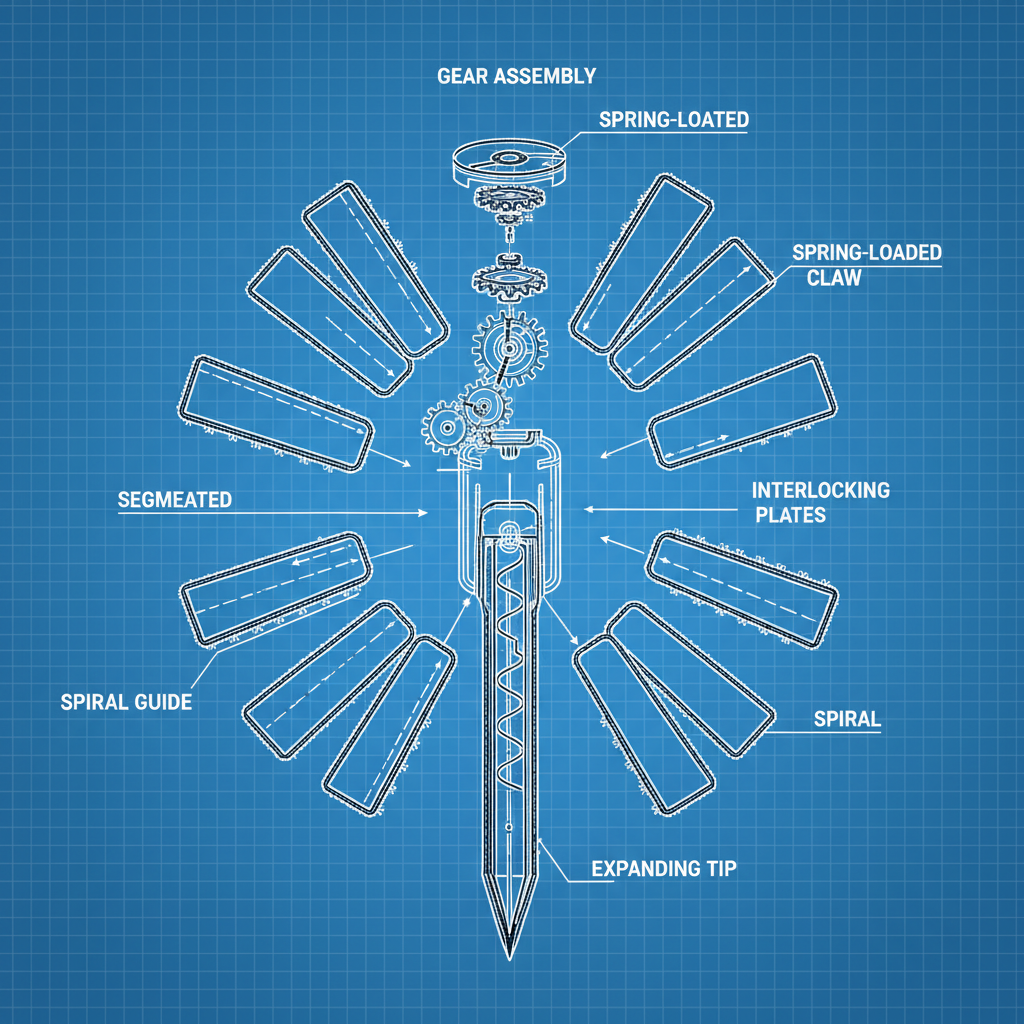
What are Flat Wood Nails?
Flat wood nails are characterized by their small head and smooth, flat shank. The head is designed to be easily set below the wood surface, leaving a virtually invisible nail hole that can be filled for a seamless finish. These nails are typically made from steel, although other materials like aluminum or brass are used for specific applications. The shank’s smoothness minimizes wood splitting, which is particularly important when working with delicate or high-quality wood. They offer a discreet and strong fastening solution, ideal for trim work, molding, and other finish carpentry.
Key Highlights: Minimal head size, smooth shank to prevent splitting, strong holding power when properly installed, suitable for interior and exterior applications (depending on material).
Common Applications of Flat Wood Nails
The versatile nature of flat wood nails lends itself to a wide range of projects. They’re extensively used in cabinetry, where a clean aesthetic is paramount. Trim and molding installation also heavily relies on these nails, allowing for a professional finish. Furthermore, they find applications in furniture making, picture framing, and various craft projects. Due to their ability to be easily concealed, they're often favored when the fastening method needs to be discreet. They're frequently used alongside wood glue for increased strength.
Common Uses:
• Cabinetry and casework
• Trim and molding installation
• Furniture assembly
• Picture framing
Flat Wood Nails vs. Other Nail Types
Comparing flat wood nails to other nail types highlights their unique advantages. Unlike common nails, which have a large head and are designed for structural applications, flat wood nails prioritize aesthetics. Brad nails, while also small-headed, are typically thinner and often used with a nail gun, offering less holding power. Finish nails, which are another type of flat nail, differ in their shank shape, sometimes having rings or barbs for increased grip. However, the smooth shank of flat wood nails minimizes wood splitting, making them ideal for delicate woods. Choosing the right nail depends on the project's requirements – strength, aesthetics, and the type of wood used.
Choosing the Right Size Flat Wood Nail
Flat wood nails come in various lengths and gauges. The appropriate size depends on the thickness of the materials being joined. A general rule of thumb is to have at least two-thirds of the nail’s length embedded in the base material. For example, when joining 3/4-inch wood, a 1 1/4-inch nail would be a suitable choice. Common gauges range from 16 to 18, with lower numbers indicating thicker nails. Thicker nails offer more holding power but are also more likely to split the wood. Ironwirefactory provides a wide range of sizes to meet your project’s specific needs.
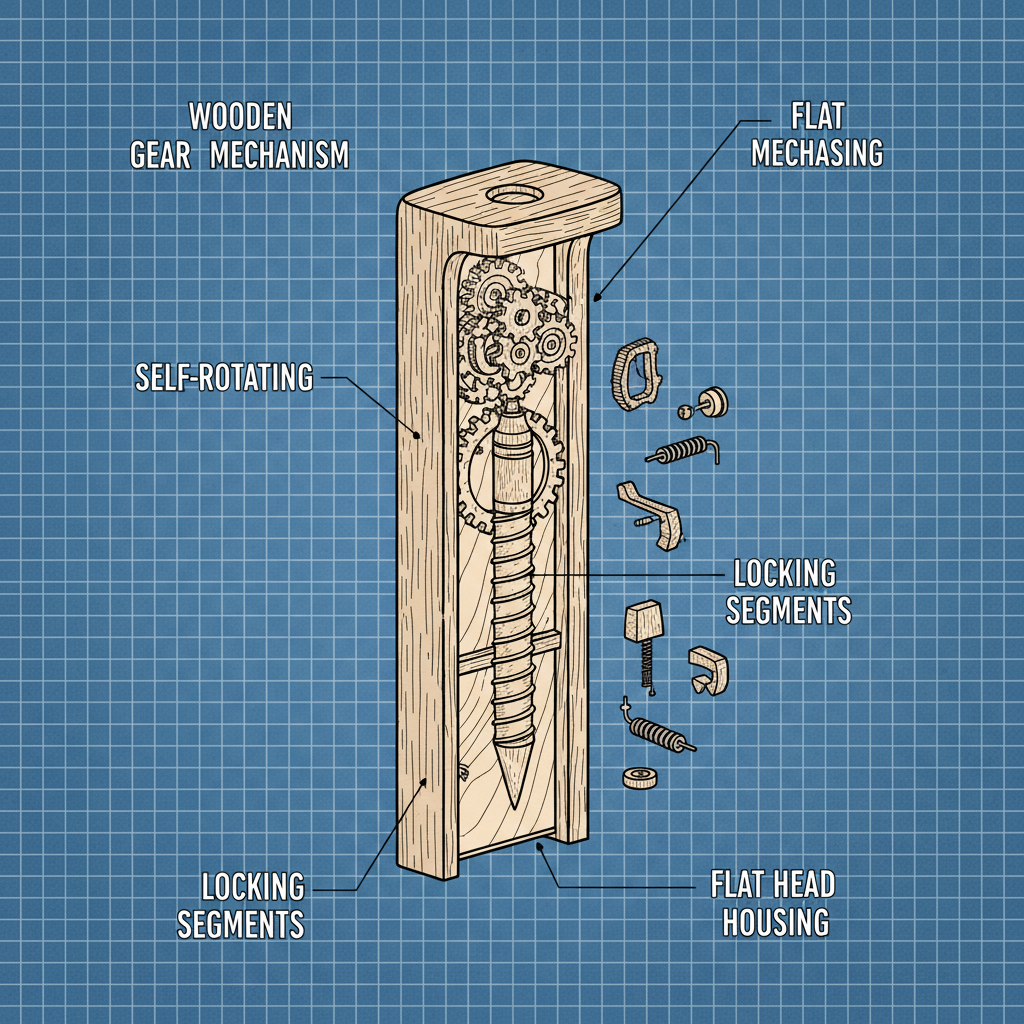
Material Considerations and Corrosion Resistance
The material of the flat wood nail is crucial, especially for exterior applications. Steel nails are common and cost-effective, but they are susceptible to rust and corrosion. For outdoor projects or areas with high humidity, stainless steel or galvanized nails are highly recommended. Brass nails offer excellent corrosion resistance but are softer and may not provide the same level of holding power. Aluminum nails are lightweight and corrosion-resistant but are best suited for softwoods. Selecting the appropriate material ensures the longevity and integrity of your project.
Conclusion: Achieving Professional Results with Flat Wood Nails
Choosing the right flat wood nail is essential for achieving a professional and durable finish in your woodworking projects. Consider the application, wood type, and environmental conditions to select the appropriate size and material. With the knowledge provided in this guide, you’re well-equipped to make informed decisions and create lasting results.
Frequently Asked Questions (FAQs)
Can flat wood nails be used outdoors?
While steel flat wood nails can be used outdoors, they are prone to rust. For exterior applications, it’s highly recommended to use stainless steel or galvanized flat wood nails. These materials offer superior corrosion resistance, ensuring the nails maintain their integrity and holding power over time. Choosing the right material will prevent unsightly rust stains and maintain the aesthetic appeal of your project. Using non-corrosion-resistant nails outdoors can compromise the structural integrity of the project over time.
How do I prevent wood from splitting when using flat wood nails?
To minimize wood splitting, several techniques can be employed. First, choose a nail with a smooth shank, as rough or ring-shanked nails are more likely to cause splitting. Second, pre-drill pilot holes, especially when working with hardwoods or near the edge of the wood. The pilot hole should be slightly smaller than the nail’s diameter. Finally, avoid hammering the nail directly at a 90-degree angle; a slight angle can help guide the nail through the wood and reduce splitting. Using a nail set to countersink the nail head also minimizes the risk of splintering.
What’s the best way to countersink flat wood nails?
Countersinking flat wood nails involves driving the nail head slightly below the surface of the wood. The best tool for this is a nail set. Place the point of the nail set on the nail head and gently tap it with a hammer. Be careful not to damage the surrounding wood. After countersinking, fill the small hole with wood filler that matches the wood’s color. Sand the filler smooth once it’s dry for a seamless finish. This creates a clean, professional look and prevents the nail head from being visible.
Where can I purchase high-quality flat wood nails?
You can purchase high-quality flat wood nails directly from Ironwirefactory. We offer a wide selection of sizes, materials, and finishes to meet your specific project needs. We are committed to providing durable, reliable nails for both professional woodworkers and DIY enthusiasts.
-
Professional Guide to Choosing Nails for Wooden Fence PanelsNewsApr.16,2026
-
PING HONGLIN WIRE MESH CO.,LTD: African Clients Visit Factory, Deepen Cooperation to Build a Global Quality BenchmarkNewsApr.14,2026
-
Guide to Choosing the Best nails for wood trim for CarpentryNewsApr.09,2026
-
Recognized for Excellence: ANPING HONGLIN WIRE MESH Named Alibaba FY2026 TOP Transaction Merchant, Celebrating 35 Years of Manufacturing HeritageNewsApr.07,2026
-
HONGLIN WIRE MESH Showcases at WORLDBEX Philippines 2026, Earning Strong Recognition from Global Builders & DistributorsNewsApr.07,2026
-
Spanish Client Delegation Visits Our Factory for Exchange, Exploring New Cooperation Opportunities in Welded Wire ProductsNewsApr.07,2026


