
Anti Climb Wall Spike | Robust Perimeter Security Spikes
Enhancing Perimeter Security: An In-Depth Look at Anti Climb Wall Spikes
In an era where robust security is paramount for industrial, commercial, and governmental installations, the demand for effective perimeter deterrence solutions has surged. Among the most proven and cost-effective physical security enhancements is the Anti Climb Wall Spike. This article delves into the technical aspects, applications, and strategic advantages of these critical security components, providing B2B decision-makers and engineers with comprehensive insights into their deployment and value proposition.
Modern security paradigms dictate a layered approach, and physical deterrents form the foundational layer. Anti Climb Wall Spike systems are engineered to create a formidable psychological and physical barrier, significantly complicating unauthorized access attempts over walls, fences, gates, and roofs. Their design focuses on maximizing deterrence while ensuring long-term durability in diverse environmental conditions.
1. Industry Trends in Perimeter Security
The global perimeter security market is experiencing significant growth, driven by escalating security threats, stringent regulatory compliance, and the increasing value of protected assets. According to a report by MarketsandMarkets, the perimeter security market size is projected to grow from USD 22.1 billion in 2023 to USD 36.3 billion by 2028, at a Compound Annual Growth Rate (CAGR) of 10.5%. This growth highlights a universal need for robust security infrastructures.
- Shift Towards Integrated Solutions: While physical barriers remain crucial, there's a growing trend towards integrating them with electronic security systems like CCTV, access control, and intrusion detection for a comprehensive security posture.
- Demand for Low-Maintenance, High-Durability Products: Clients are increasingly seeking solutions that offer extended service life and require minimal operational expenditure. This drives demand for materials like hot-dip galvanized steel and stainless steel, known for their corrosion resistance.
- Customization and Scalability: Security needs vary widely. Manufacturers are responding by offering highly customizable solutions that can be tailored to specific threat levels, aesthetic requirements, and budget constraints.
- Sustainability and Environmental Considerations: Energy-efficient and environmentally friendly security solutions are gaining traction, further favoring passive deterrents like physical spikes that require no power.
- Regulatory Compliance: Industries such as petrochemical, utility, and defense are subject to strict security regulations, necessitating proven and certified deterrence solutions.
These trends underscore the enduring relevance and evolving design of physical barriers like Anti Climb Wall Spike systems, ensuring they remain a cornerstone of effective perimeter defense strategies.
2. Manufacturing Process Flow of Anti Climb Wall Spike
The production of high-quality Anti Climb Wall Spike systems involves a meticulously controlled manufacturing process to ensure durability, effectiveness, and consistency. Adherence to international standards such as ISO 9001 for quality management is crucial at every stage.
Process Schematic:
[ Material Selection & Prep ] → [ Precision Cutting & Shaping ] → [ Cold Forming/Bending ] → [ Welding/Assembly ] → [ Surface Treatment ] → [ Quality Control & Testing ] → [ Packaging ]
- Material Selection
- Cutting & Shaping
- Forming
- Assembly (Welding)
- Surface Treatment
- Quality Control
- Material Selection & Preparation: High-grade materials are chosen for their strength and corrosion resistance. Common materials include hot-dip galvanized steel (e.g., Q235, Q345) and various grades of stainless steel (e.g., SS304, SS316). The material's thickness typically ranges from 1.5mm to 2.5mm, depending on required rigidity.
- Precision Cutting & Shaping: Advanced machinery, such as CNC laser cutters or high-precision stamping machines, are employed to cut the sheet metal into the specific spike profiles. This ensures uniform size, sharp edges, and consistent design, critical for effective deterrence.
- Cold Forming/Bending: The flat cut profiles are then subjected to cold forming processes, using specialized bending machines, to create the distinct angular shapes and base strips. This process enhances the material's strength and resilience without altering its crystalline structure.
- Welding/Assembly: For multi-row spikes or designs requiring a robust base strip, components are welded together. Robotic welding ensures precision and consistency, creating strong, durable joints resistant to tampering.
- Surface Treatment: This is a critical step for longevity.
- Hot-Dip Galvanization: For steel spikes, this involves immersing the fabricated product in molten zinc. This process creates a metallurgically bonded coating that offers superior corrosion resistance (typically 10-20+ years service life in normal conditions, exceeding ANSI/ASTM A123 standards).
- Powder Coating: An additional layer applied over galvanization or directly onto stainless steel for enhanced UV resistance, specific color requirements, and additional corrosion protection.
- Electropolishing: For stainless steel spikes, this electrochemical process smooths the surface, improving corrosion resistance and giving a bright, aesthetic finish.
- Quality Control & Testing: Each batch undergoes rigorous testing. This includes:
- Dimensional Accuracy: Ensuring spikes meet design specifications (spike length, base width, thickness).
- Material Composition & Strength: Verifying raw material integrity and tensile strength post-processing.
- Coating Adhesion & Thickness: For galvanized or powder-coated products, testing to ISO 1461 or relevant ASTM standards ensures the coating's longevity and protective qualities.
- Corrosion Resistance: Salt spray tests (e.g., ASTM B117) may be conducted on samples to simulate aggressive environmental conditions.
- Packaging: Finished products are carefully packed to prevent damage during transit, often bundled and shrink-wrapped, ready for global distribution.
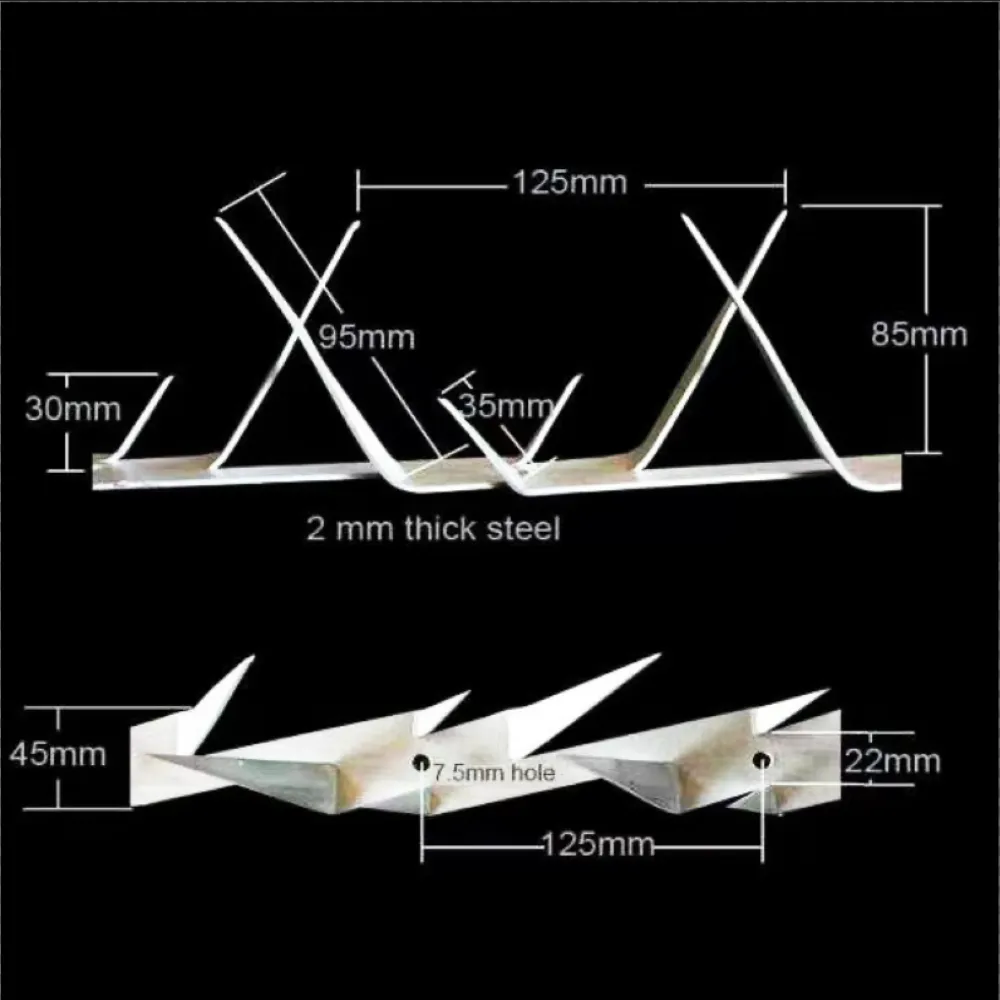
Image 1: Precision-engineered Anti Climb Wall Spike undergoing quality inspection.
3. Technical Specifications and Product Parameters
Understanding the technical specifications of Anti Climb Wall Spike products is essential for selecting the appropriate solution for specific security requirements and environmental conditions. Key parameters define performance and durability.
Typical Product Specification Table:
| Parameter | Description / Value Range | Industry Standard / Benefit |
|---|---|---|
| Material | Hot-dip galvanized steel (Q235/Q345), Stainless Steel (SS304, SS316) | Superior corrosion resistance, high tensile strength |
| Thickness | 1.5mm - 2.5mm (customizable up to 4mm) | Enhanced rigidity and resistance to bending/tampering |
| Spike Height | 60mm - 150mm (2.4" - 6") | Optimal deterrence level, visible deterrent |
| Base Strip Width | 50mm - 100mm (2" - 4") | Facilitates secure mounting on various surfaces |
| Standard Lengths | 0.5m, 1.0m, 1.2m, 1.5m, 2.0m (customizable) | Ease of installation, reduced waste |
| Coating Options | Hot-dip galvanized, Powder coated (RAL colors), Electropolished | Corrosion protection, UV resistance, aesthetic integration |
| Installation Method | Bolted, Screwed, Welded, Clamped | Versatility across different mounting surfaces |
| Service Life | Galvanized: 10-20+ years; Stainless Steel: 50+ years | Long-term cost-effectiveness, reduced replacement cycles |
Product Type Comparison:
| Spike Type | Description | Typical Use Case | Deterrence Level |
|---|---|---|---|
| Razor Spike (e.g., 'Shark Tooth') | Single-row, closely spaced sharp spikes, resembling shark teeth. | Residential, light commercial, fence topping. | Medium-High |
| Large Barb Spike (e.g., 'Big Barb') | Multi-row, longer, more aggressive spikes, often staggered. | High-security industrial, utilities, prisons, military. | High-Extreme |
| Wall Spike (e.g., 'Piranha') | Often single or double row, designed for wall mounting, highly visible. | Commercial walls, gates, flat roof edges. | Medium-High |
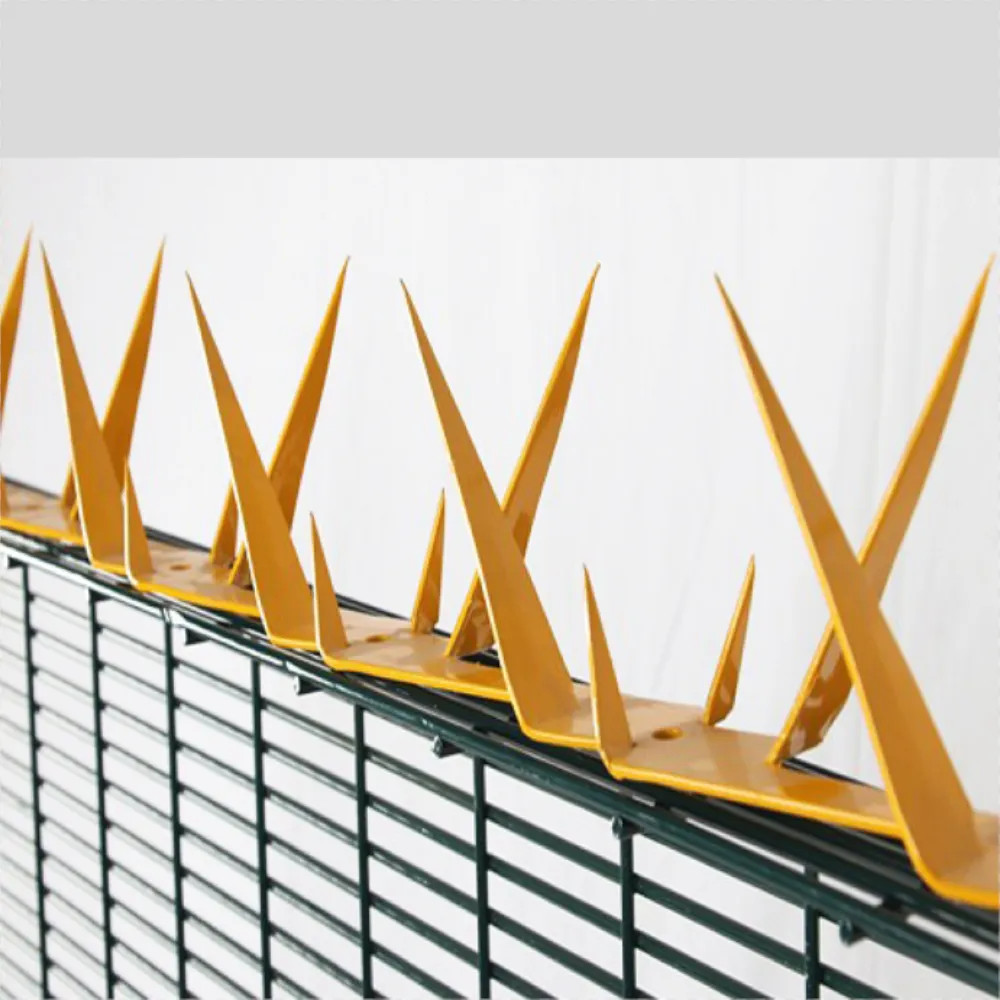
Image 2: Variety of Anti Climb Wall Spike designs catering to different security needs.
4. Technical Advantages of Anti Climb Wall Spikes
The selection of Anti Climb Wall Spike systems offers several distinct technical and operational advantages for B2B security applications:
- Superior Physical and Psychological Deterrence: The sharp, prominent spikes create an immediate visual deterrent, signaling a high-risk entry point. Physically, they make climbing virtually impossible without serious injury, effectively preventing unauthorized scaling.
- Exceptional Durability and Longevity: Manufactured from materials like hot-dip galvanized steel or stainless steel, these spikes offer unparalleled resistance to corrosion, rust, and UV degradation. This ensures a service life of decades, even in harsh industrial or coastal environments, significantly outperforming less robust solutions.
- Zero Operational Costs & Energy Saving: As passive security devices, Anti Climb Wall Spike systems require no power supply, eliminating ongoing electricity costs. This contributes to energy saving initiatives and provides reliable security even during power outages.
- Minimal Maintenance Requirements: Their robust construction and protective coatings mean they are virtually maintenance-free. Periodic visual inspections are typically sufficient, drastically reducing operational expenditure compared to active electronic systems.
- Versatile Application: Designed for adaptability, they can be securely installed on various surfaces including concrete walls, brickwork, wooden fences, metal gates, rooftops, and even pipelines, making them suitable for a broad spectrum of security needs.
- Cost-Effectiveness: While the initial investment might be comparable to other security measures, the extended service life, zero running costs, and minimal maintenance translate into a significantly lower total cost of ownership (TCO) over the product's lifespan. This makes them a highly attractive long-term security investment.
- Rapid Deployment and Installation: Available in pre-fabricated strips, installation is straightforward, typically involving bolting, screwing, or welding. This allows for quick deployment and minimal disruption to operations.
- Environmental Adaptability: Engineered to withstand extreme weather conditions, from intense heat to freezing temperatures and high humidity, ensuring consistent performance globally.
These intrinsic advantages position Anti Climb Wall Spike systems as a foundational and indispensable element in a comprehensive perimeter security strategy, offering both immediate deterrence and long-term asset protection.
5. Application Scenarios & Target Industries
The robust and adaptable nature of Anti Climb Wall Spike systems makes them ideal for a wide array of high-security applications across critical industries. Their passive yet aggressive deterrence capability addresses common security vulnerabilities effectively.
Target Industries:
- Petrochemical & Energy Sector: Protecting refineries, power plants, substations, and oil/gas pipelines from sabotage, theft, and unauthorized access. The high corrosion resistance of SS316 variants is particularly beneficial in these harsh environments.
- Metallurgy & Heavy Manufacturing: Securing high-value raw materials, finished goods, and sensitive equipment within industrial complexes.
- Water Supply & Drainage Facilities: Preventing contamination, vandalism, and theft at pumping stations, reservoirs, and treatment plants.
- Telecommunication & Data Centers: Safeguarding critical infrastructure, server farms, and communication towers against physical intrusion and data breaches.
- Military & Defense Installations: Augmenting perimeter defenses for bases, armories, and training facilities where unauthorized access poses significant national security risks.
- Correctional Facilities (Prisons): Enhancing existing wall and fence security to prevent escapes and external attempts to introduce contraband.
- Airports & Ports: Reinforcing security perimeters to control access to restricted areas, preventing breaches that could jeopardize safety and trade.
- Commercial & Industrial Warehouses: Protecting inventory, equipment, and assets from theft and vandalism.
- High-Security Residential Estates: Providing an added layer of deterrence for luxury homes and gated communities.
Typical Application Scenarios:
- Perimeter Wall Topping: The most common application, providing an impassable barrier on top of concrete or brick walls.
- Fence Enhancement: Mounted directly onto the top rail of chain-link, palisade, or welded mesh fences to prevent climbing over.
- Gate Protection: Installed on swing or sliding gates to maintain a consistent level of perimeter security.
- Rooftop Security: Securing access points on low-lying roofs or across vulnerable rooftop sections of buildings.
- Pipeline & Infrastructure Security: Guarding critical pipelines, bridges, and utility infrastructure where physical access must be restricted.

Image 3: Anti Climb Wall Spike installed on an industrial perimeter fence.
6. Vendor Comparison and Selection Criteria
Choosing the right supplier for Anti Climb Wall Spike systems is as critical as selecting the product itself. A vendor's capabilities directly impact product quality, lead times, support, and the overall success of a security project. Key criteria for evaluation include:
- Quality Certifications & Compliance: Verify adherence to international standards like ISO 9001 (Quality Management System), ISO 14001 (Environmental Management), and relevant ASTM or CE standards for materials and coatings.
- Manufacturing Capabilities & Technology: Assess the vendor's ability to produce consistent, high-quality products, including precision cutting (CNC), robotic welding, and advanced surface treatment facilities.
- Customization Options: A reputable vendor should offer flexible customization in terms of material, spike design, dimensions, and coating to meet unique project requirements.
- Lead Time & Logistics: Evaluate the vendor's capacity for timely delivery, especially for large orders or urgent projects. Global shipping and efficient logistics are essential for international clients.
- Technical Support & Expertise: Access to experienced engineers and technical staff for pre-sales consultation, design assistance, and post-sales support (e.g., installation guidance).
- Warranty & After-Sales Service: Clear warranty commitments on product longevity and manufacturing defects, coupled with responsive customer support.
- Reputation & Industry Experience: Look for vendors with a proven track record, extensive years of service (e.g., 20+ years in the industry), and positive client testimonials or case studies.
- Pricing & Value Proposition: While cost-effectiveness is key, prioritize value over the lowest price. A slightly higher initial investment for superior quality often yields significant long-term savings.
Hypothetical Vendor Comparison Table:
| Feature/Criteria | Vendor A (Premium) | Vendor B (Mid-Tier) | Vendor C (Budget) |
|---|---|---|---|
| Quality Certifications | ISO 9001, CE, ASTM | ISO 9001 | Limited/None |
| Customization Options | Extensive (material, design, color) | Moderate (material, standard sizes) | Limited (standard products only) |
| Typical Lead Time | 2-4 Weeks | 3-6 Weeks | 4-8 Weeks+ |
| Technical Support | Dedicated Engineers, 24/7 | Standard office hours support | Basic, email only |
| Warranty Period | 10+ Years (material/coating) | 5 Years | 1-2 Years |
IronWireFactory prides itself on falling into the "Premium" category, offering comprehensive solutions backed by decades of experience and robust quality assurance.
7. Customized Solutions for Unique Security Challenges
Standard Anti Climb Wall Spike products are effective for many applications, but certain projects demand bespoke solutions. Tailored designs ensure optimal performance, aesthetic integration, and compliance with specific site constraints or regulatory requirements.
Customization options include:
- Material Selection: Beyond standard galvanized steel and SS304, projects in highly corrosive environments (e.g., chemical plants, marine installations) may require SS316 or even specialized alloys for enhanced resilience.
- Spike Geometry and Density: Adjustments to spike length, angle, and spacing can be made to increase deterrence for ultra-high-security sites or to blend more subtly into the environment where aesthetics are a concern.
- Base Strip Design: Custom widths, pre-drilled holes for specific mounting patterns, or integrated channels for cable routing (e.g., for security lighting or sensors) can be incorporated.
- Color Matching and Coatings: Powder coating in specific RAL colors allows for brand integration or to minimize visual impact, while specialized coatings can provide additional anti-graffiti or chemical resistance.
- Integration with Existing Infrastructure: Designing spikes to seamlessly integrate with existing fencing systems, gate structures, or building architecture, often requiring unique brackets or mounting solutions.
- Specialized Fabrication: Complex geometries for curved walls, varying heights, or unique corner applications can be precisely fabricated to maintain continuous security.
Experienced technical teams work closely with clients, from initial site assessment and conceptual design to engineering drawings and prototype approval, ensuring the customized solution perfectly addresses the security brief. This collaborative approach minimizes risks and optimizes the return on investment for complex installations.
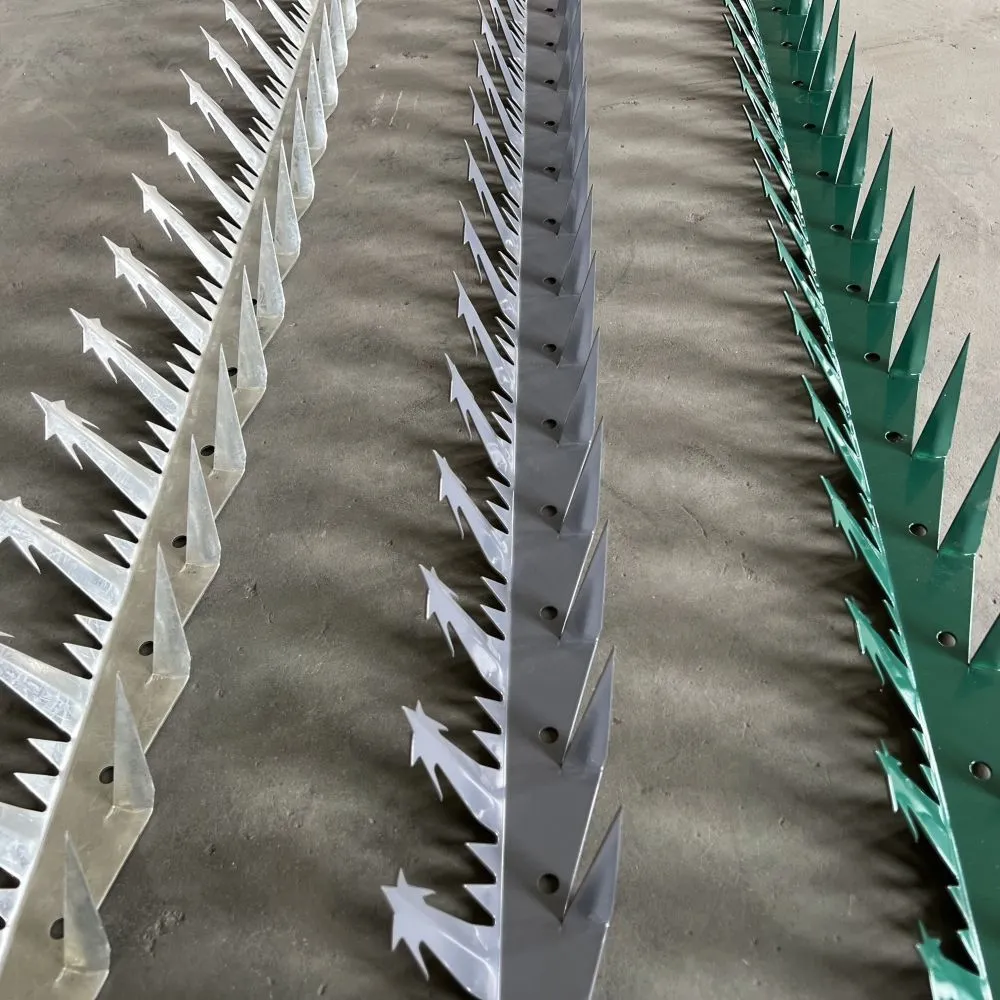
Image 4: Custom-fabricated Anti Climb Wall Spike tailored for unique architectural requirements.
8. Application Case Studies (Experience & Authoritativeness)
Case Study 1: Petrochemical Facility Security Upgrade
Client: Major International Petrochemical Corporation, Middle East.
Challenge: The client's existing perimeter fence and wall system at a refinery located near the coast was vulnerable to unauthorized access and grappling with rapid corrosion due to the saline and chemical-rich atmosphere. Protecting high-value assets and ensuring safety standards were paramount.
Solution: After a detailed site assessment, IronWireFactory engineered and supplied a customized Anti Climb Wall Spike solution. We utilized SS316 grade stainless steel, known for its superior corrosion resistance against chlorides, and designed a 'Big Barb' multi-row spike configuration with a height of 120mm to maximize deterrence. These were installed on all perimeter walls (3.2 km length) and critical pipe racks, bolt-on method for easy replacement if needed. The design incorporated specific angled base plates to fit the existing wall capping.
Outcome: Within six months of installation, the facility reported a 90% reduction in detected intrusion attempts over the upgraded sections. The SS316 spikes exhibited no signs of corrosion after 3 years of exposure, confirming the material's suitability for extreme environments. The client highlighted the "set-and-forget" nature of the solution, requiring minimal maintenance and contributing to enhanced overall site security with zero energy consumption.
Case Study 2: Remote Telecommunications Infrastructure Protection
Client: National Telecommunications Provider, Sub-Saharan Africa.
Challenge: Numerous remote cellular base stations, often located in sparsely populated areas, were susceptible to vandalism and theft of expensive equipment (e.g., batteries, copper cabling). Traditional security measures were proving insufficient, and deploying armed guards was unsustainable.
Solution: A cost-effective, high-deterrence solution was required. IronWireFactory supplied hot-dip galvanized 'Razor Spike' Anti Climb Wall Spike in 1.2-meter lengths. These were installed on the top of existing perimeter fences (typically 2.4m high chain-link fences) and along the eaves of the equipment shelters. The galvanized coating provided excellent long-term corrosion protection against the region's varying weather conditions.
Outcome: Over 150 sites were equipped with the Anti Climb Wall Spike. Data collected over 12 months showed a significant decrease in equipment theft and vandalism incidents, reducing by approximately 75% on protected sites compared to unprotected ones. The client lauded the ease of installation, the robustness of the galvanized finish, and the immediate visible deterrent effect, which substantially lowered their operational losses and enhanced network reliability in critical areas.
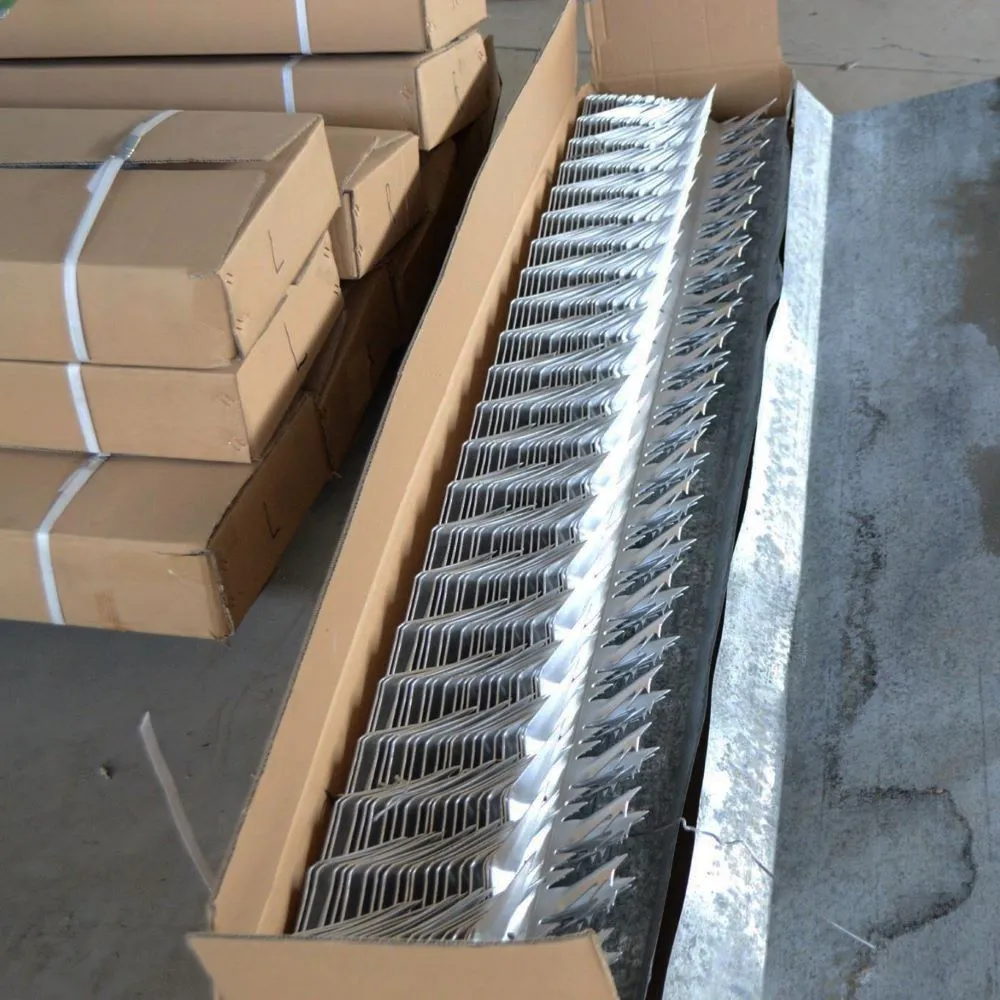
Image 5: Anti Climb Wall Spike securing a remote telecommunications facility.
9. Trustworthiness: FAQ, Lead Time, Warranty, & Support
Frequently Asked Questions (FAQ):
- Q: What materials are available for Anti Climb Wall Spike products?
A: We primarily offer hot-dip galvanized steel (Q235/Q345) and various grades of stainless steel (SS304, SS316) to suit different environmental and security requirements. - Q: How are these spikes typically installed?
A: Our spikes are designed for versatile installation via bolting, screwing (using security fasteners), welding, or clamping onto existing walls, fences, and gates. Detailed installation guides are provided. - Q: What is the expected service life of your products?
A: Hot-dip galvanized steel spikes typically offer a service life of 10-20+ years, while stainless steel variants can last 50 years or more with minimal degradation, depending on environmental conditions. - Q: Can the spikes be customized to specific project needs?
A: Absolutely. We specialize in customized solutions, including tailored dimensions, spike configurations, material grades, and powder coating in a wide range of RAL colors. - Q: Are these spikes legal for all applications?
A: While generally legal for industrial, commercial, and high-security government applications, it is essential for clients to consult local regulations and ordinances regarding the installation of perimeter security spikes, particularly in public-facing or residential areas.
Lead Time & Fulfillment Details:
We maintain an efficient manufacturing pipeline to ensure timely delivery for projects of all scales. Standard Anti Climb Wall Spike products typically have a lead time of 2-4 weeks from order confirmation to dispatch. For complex customized solutions or large-volume orders, lead times usually range from 4-8 weeks, depending on design complexity and material availability. Our robust logistics network enables us to ship globally, ensuring reliable and secure delivery to your project site.
Warranty Commitments:
IronWireFactory stands behind the quality and durability of its products. We offer a comprehensive warranty against manufacturing defects for a period of 5 years. Furthermore, our hot-dip galvanized products come with a material integrity warranty of 10 years, and stainless steel products boast a 20-year material integrity warranty, subject to standard installation and environmental conditions. Specific warranty details are provided with each quotation and order.
Customer Support Information:
Our dedicated customer support team and technical experts are available to assist you at every stage, from initial inquiry to post-installation. We provide:
- 24/7 Technical Consultation: Expert advice on product selection, design, and integration.
- Dedicated Account Management: A single point of contact for streamlined communication.
- Installation Guidance: Comprehensive documentation and remote support for installation best practices.
- After-Sales Service: Prompt assistance for any product-related queries or issues post-delivery.
Contact us today to discuss your perimeter security needs and discover how our expertise can fortify your assets.
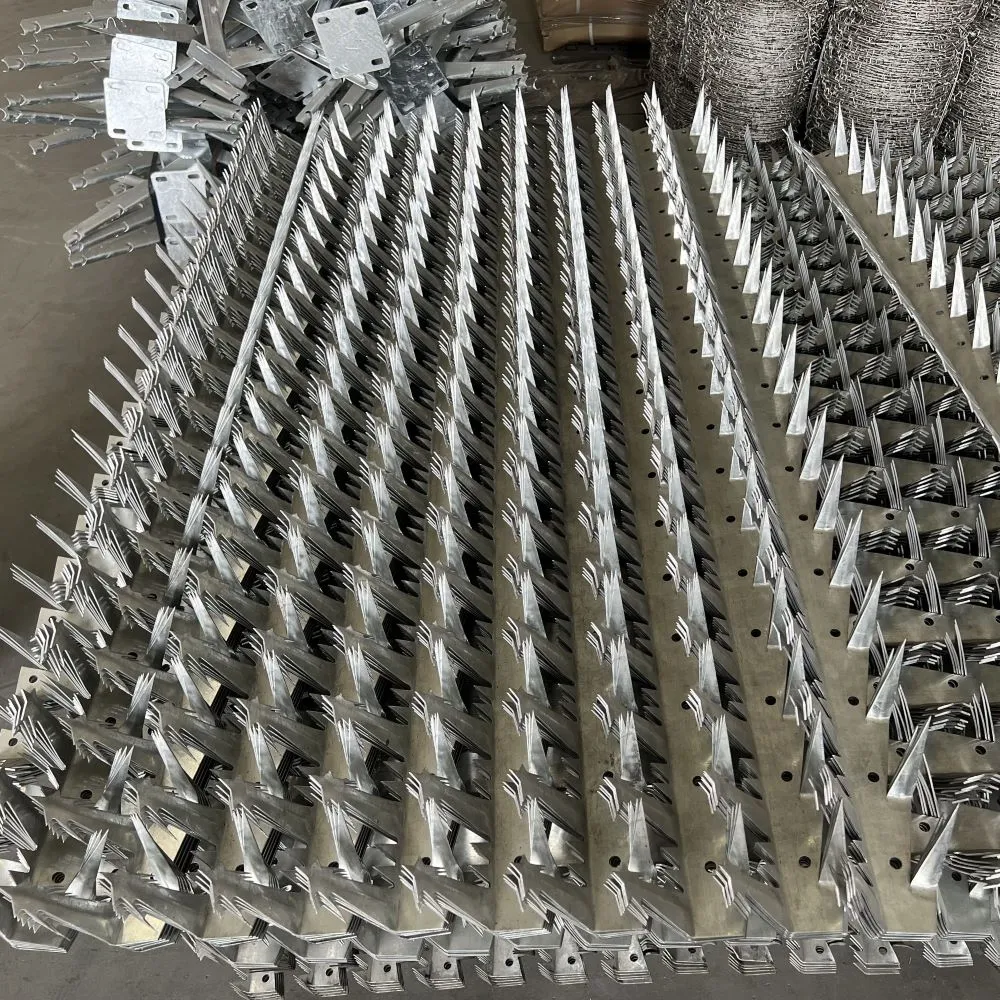
Image 6: Quality packaging ensuring safe global delivery of Anti Climb Wall Spike.
Conclusion
The strategic deployment of Anti Climb Wall Spike systems represents a fundamental and highly effective component of any robust perimeter security strategy. Their inherent ability to provide both physical and psychological deterrence, coupled with exceptional durability, minimal maintenance requirements, and zero operational costs, positions them as an indispensable asset for protecting high-value installations across diverse industries. By choosing a reputable manufacturer with a commitment to quality, customization, and comprehensive support, businesses can ensure long-term, reliable protection for their assets and personnel.
Investing in advanced physical security solutions like anti-climb spikes is not merely a cost; it is a critical investment in peace of mind, operational continuity, and the safeguarding of vital infrastructure against an ever-evolving landscape of security threats.
References:
- MarketsandMarkets. "Perimeter Security Market - Global Forecast to 2028." Published October 2023.
- ASTM International. "Standard Specification for Zinc (Hot-Dip Galvanized) Coatings on Iron and Steel Products." ASTM A123/A123M.
- ISO (International Organization for Standardization). "Quality management systems — Requirements." ISO 9001:2015.
- National Institute of Standards and Technology (NIST). "Guide for Physical Security of Federal Information Systems." NIST Special Publication 800-12.
-
Professional Guide to Choosing Nails for Wooden Fence PanelsNewsApr.16,2026
-
PING HONGLIN WIRE MESH CO.,LTD: African Clients Visit Factory, Deepen Cooperation to Build a Global Quality BenchmarkNewsApr.14,2026
-
Guide to Choosing the Best nails for wood trim for CarpentryNewsApr.09,2026
-
Recognized for Excellence: ANPING HONGLIN WIRE MESH Named Alibaba FY2026 TOP Transaction Merchant, Celebrating 35 Years of Manufacturing HeritageNewsApr.07,2026
-
HONGLIN WIRE MESH Showcases at WORLDBEX Philippines 2026, Earning Strong Recognition from Global Builders & DistributorsNewsApr.07,2026
-
Spanish Client Delegation Visits Our Factory for Exchange, Exploring New Cooperation Opportunities in Welded Wire ProductsNewsApr.07,2026


