
Barbed Wire Fence Experts: Galvanized Quality at Low Price?
A Practical Insider’s Guide to barbed wire in 2025
I’ve walked more fencelines than I care to admit, and—honestly—few products deliver security-per-dollar like barbed wire. It’s not glamorous, but it works. Below is what buyers, facility managers, and farmers keep asking me: what’s trending, what to spec, and which vendor can actually deliver without drama.
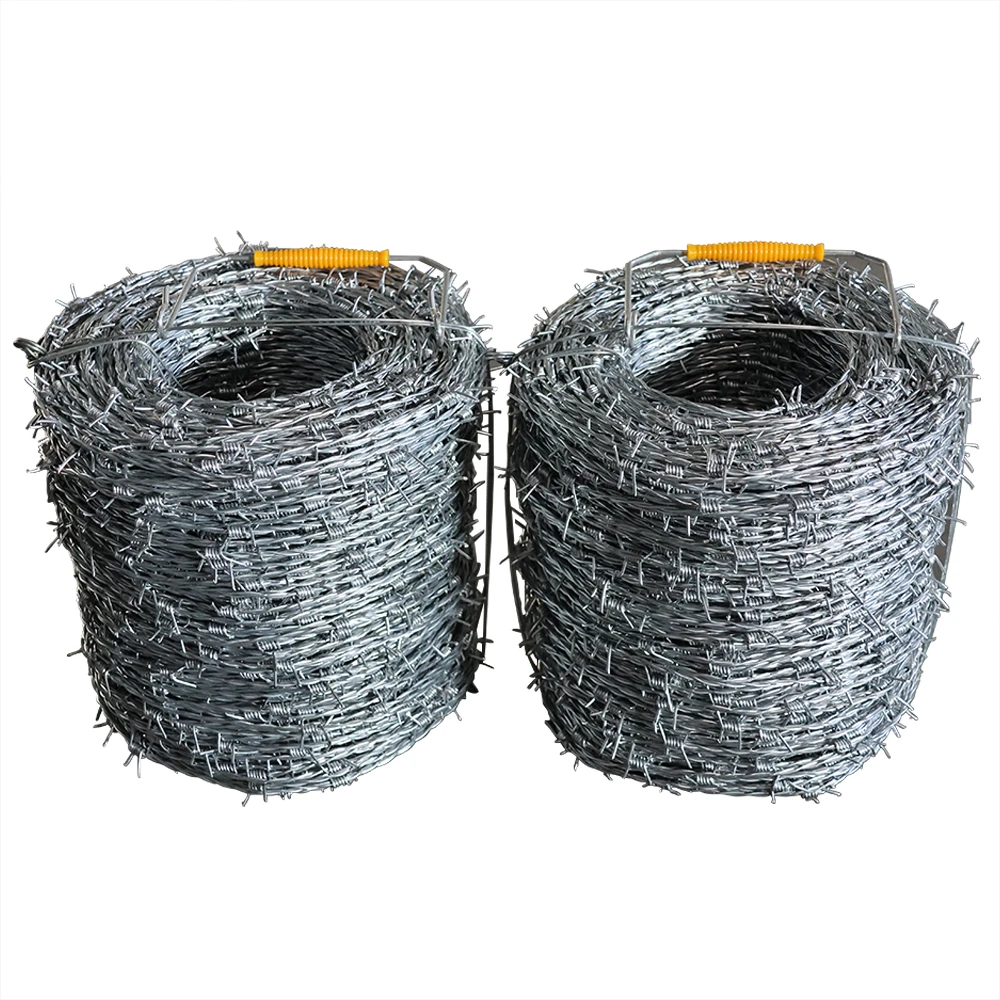
Industry snapshot
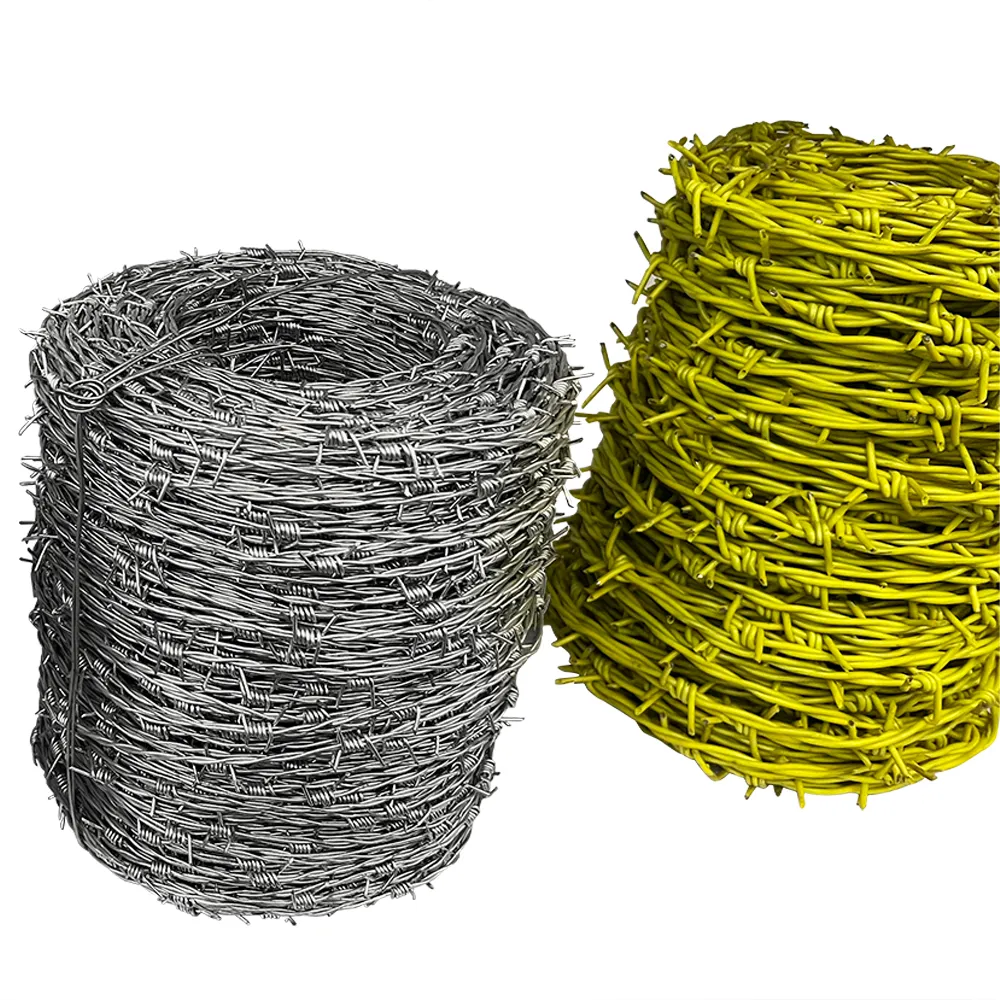
Two clear trends: higher zinc coatings (for longer service life) and PVC-coated barbed wire in dark green or black for estates and utilities that don’t want that shiny “prison yard” look. Many customers say they’re standardizing on 2-point barbs for pasture work and 4-point for industrial perimeters. Coil logistics matter too—200 m coils are popular because they’re manageable on-site.
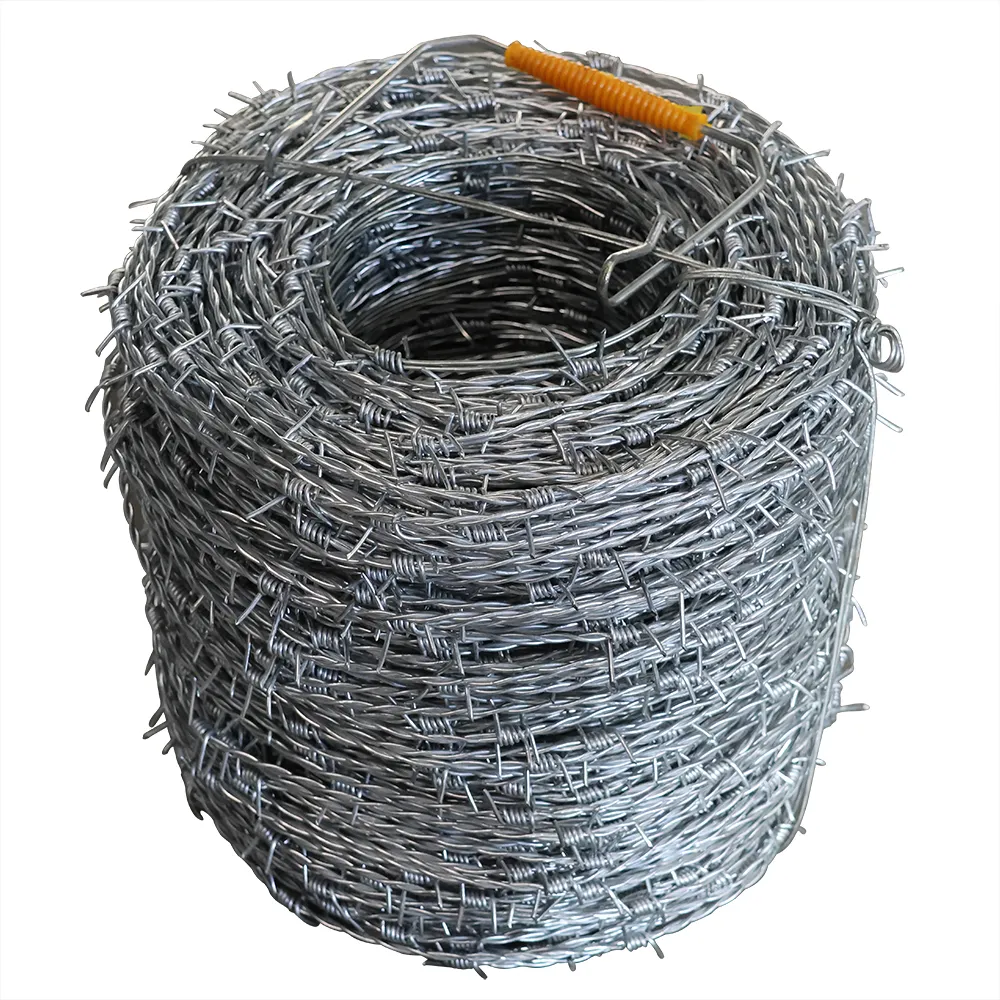
Specifications that actually matter
From Heng Shui ZhengXuan Industrial Zone, AnPing, Hebei, China, this line is built from high‑quality galvanized steel or PVC-coated steel. In fact, the factory will tweak barb spacing and coil length without much fuss—useful when you’ve got odd-run projects.
| Parameter | Typical Value (≈, real-world may vary) |
|---|---|
| Base Material | Low-carbon steel wire, hot-dip galvanized per ASTM A641/A641M or EN 10244-2 |
| Wire Diameter | 1.6–2.8 mm |
| Barb Style | 2-point or 4-point, IOWA twist |
| Barb Spacing | Standard 4 in (10 cm); custom on request |
| Coating Options | Zinc 70–230 g/m²; PVC over-galv (green/black) |
| Coil Length | 200 m standard; custom lengths available |
| Tensile Range | ≈ 380–550 MPa (standard); high-tensile on request |
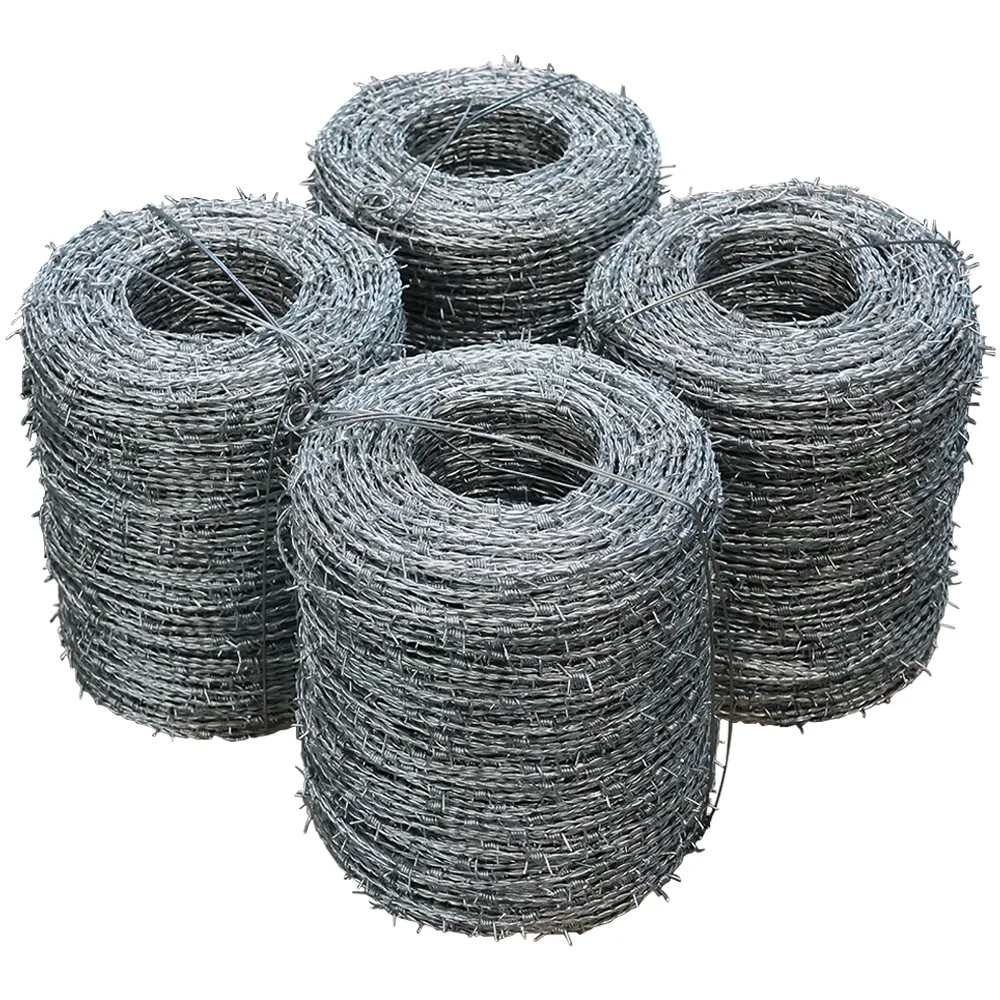
How it’s made (process flow)
Material selection → wire drawing → galvanizing (hot-dip) or galvanize+PVC → barb forming → double-strand twisting → coil winding → QC. Testing includes tensile per ASTM A370, coating mass per ISO 1460, and accelerated corrosion checks (ISO 9227 salt spray). Service life? In rural inland conditions, zinc ≥ 230 g/m² typically lasts 12–20 years; coastal sites see ≈ 5–10 years; PVC-over-galv often stretches that window another few years, depending on UV load.
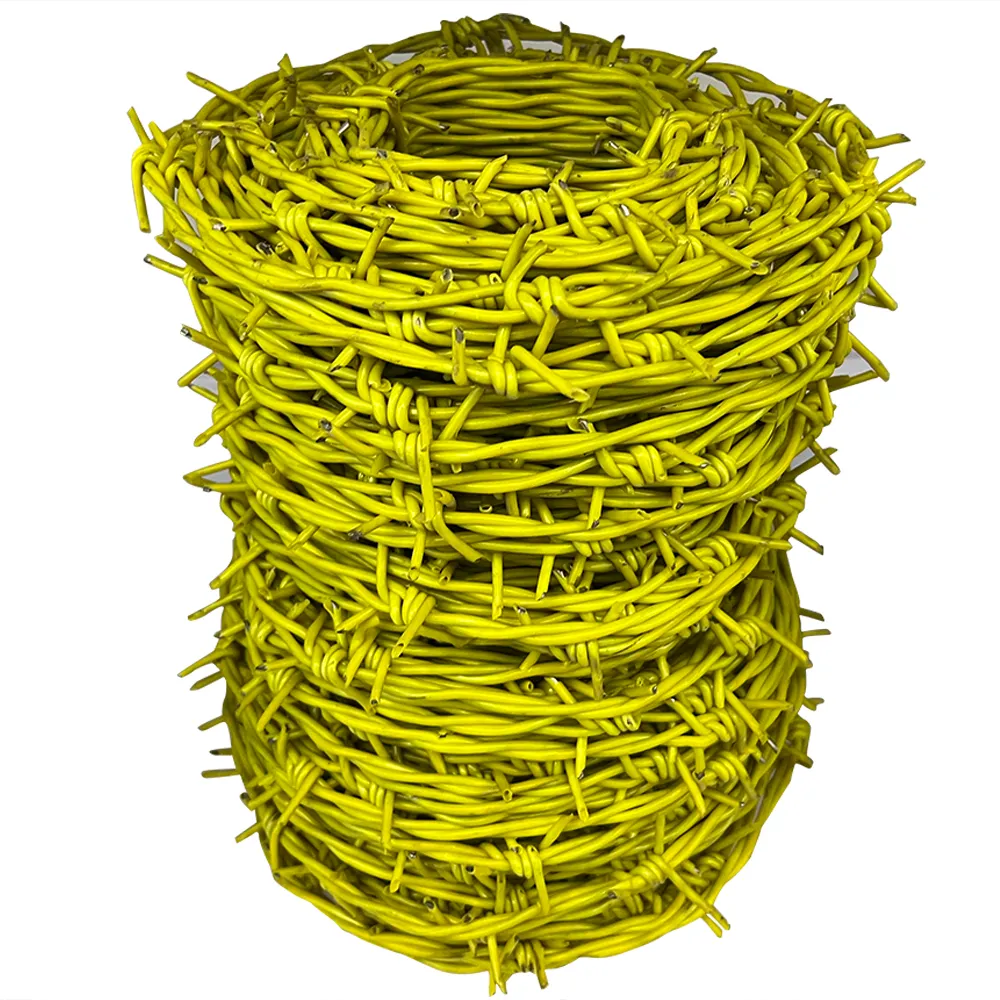
Where it’s used (and why)
- Agriculture: paddocks, boundary lines, grazing rotation. Many ranchers prefer 2-point barbed wire for easier handling.
- Utilities & industrial: substation perimeters, laydown yards; often 4-point barbed wire above chain-link.
- Residential estates: discreet PVC-coated runs on the rear boundary—surprisingly common in high-wind regions.
Advantages: quick install, low capex, simple maintenance. Drawback? It’s not climb-proof on its own; pair with mesh or rail when needed.
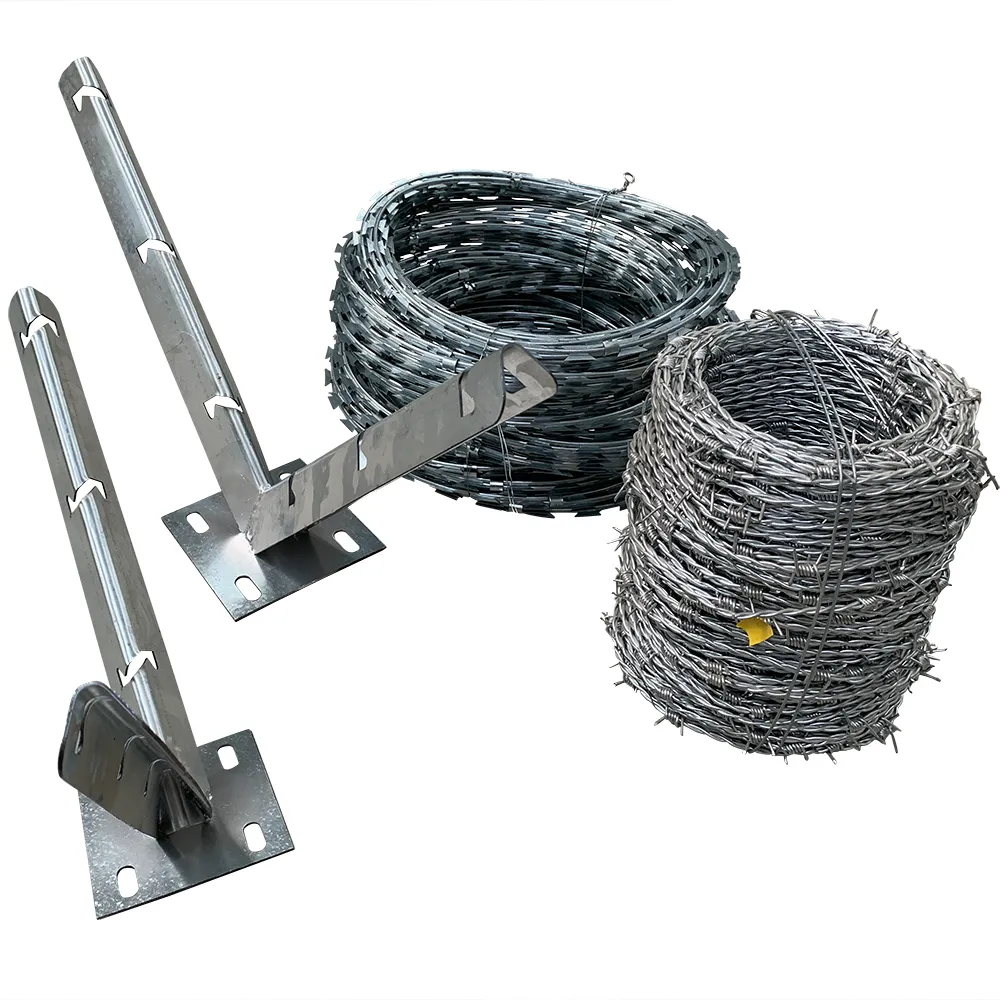
Vendor comparison (field notes, not lab gospel)
| Vendor | Zinc coat (≈ g/m²) | Wire dia | MOQ | Lead time | Certs | Notes |
|---|---|---|---|---|---|---|
| Ironwirefactory (Hebei) | 90–230 | 1.6–2.8 mm | ≈ 5 tons | 15–25 days | ISO 9001; SGS test report | Custom spacing/colors; steady coils |
| Vendor A (SEA) | 70–120 | 1.8–2.5 mm | ≈ 8 tons | 20–35 days | ISO 9001 | Value option; lighter coating |
| Vendor B (EU) | 120–240 | 1.6–2.2 mm | ≈ 3 tons | 25–40 days | ISO 9001/14001 | Premium price; robust QA |
Customization and real-world feedback
Customization: coil length, barb spacing (3–6 in common), 2- or 4-point, wire diameter, zinc class, PVC color. One facilities manager told me their PVC-coated barbed wire stopped rust streaks on white perimeter walls—tiny win, big optics. Another ranch client swears by 4-point on the top strand only; the lower lines stay 2-point for safer livestock contact.
Mini case notes
- Utility yard, Gulf region: 4-point, 2.5 mm, zinc ≈ 230 g/m² atop chain-link. ISO 9227 test report supported the spec; zero red rust at 480 h, white rust minimal.
- Mixed cattle farm, inland prairie: 2-point, 2.0 mm, 4 in spacing. After two winters, tension loss “barely noticeable,” according to the owner.
Quick QA checklist
Ask for: mill certs, zinc mass data (ISO 1460 or ASTM A90), tensile sampling (ASTM A370), and coating standard declaration (ASTM A641 or EN 10244-2). If you’re coastal, I’d also ask for an ISO 9227 summary—nothing fancy, just numbers.
References
- ASTM A641/A641M – Zinc-Coated (Galvanized) Carbon Steel Wire.
- EN 10244-2 – Steel wire and wire products. Non-ferrous metallic coatings on steel wire.
- ISO 1460 – Metallic coatings—Coating mass by gravimetric (strip-and-weigh).
- ISO 9227 – Corrosion tests in artificial atmospheres—Salt spray tests.
- ASTM A370 – Mechanical Testing of Steel Products.
-
Professional Guide to Choosing Nails for Wooden Fence PanelsNewsApr.16,2026
-
PING HONGLIN WIRE MESH CO.,LTD: African Clients Visit Factory, Deepen Cooperation to Build a Global Quality BenchmarkNewsApr.14,2026
-
Guide to Choosing the Best nails for wood trim for CarpentryNewsApr.09,2026
-
Recognized for Excellence: ANPING HONGLIN WIRE MESH Named Alibaba FY2026 TOP Transaction Merchant, Celebrating 35 Years of Manufacturing HeritageNewsApr.07,2026
-
HONGLIN WIRE MESH Showcases at WORLDBEX Philippines 2026, Earning Strong Recognition from Global Builders & DistributorsNewsApr.07,2026
-
Spanish Client Delegation Visits Our Factory for Exchange, Exploring New Cooperation Opportunities in Welded Wire ProductsNewsApr.07,2026


