
Choosing the Best Nails for Cedar Fence Boards for Long Lasting Results
Choosing the Right Nails for Cedar Fence Boards
Building or repairing a cedar fence is a fantastic way to enhance your property's curb appeal and provide lasting security. However, selecting the correct nails for cedar fence boards is crucial for a durable and aesthetically pleasing result. Cedar, while naturally resistant to decay, requires fasteners that won't react with its oils and cause staining or premature failure. This article delves into the best nail options, factors to consider, and tips for successful fence construction. Choosing the right nails ensures your fence stands strong for years to come.
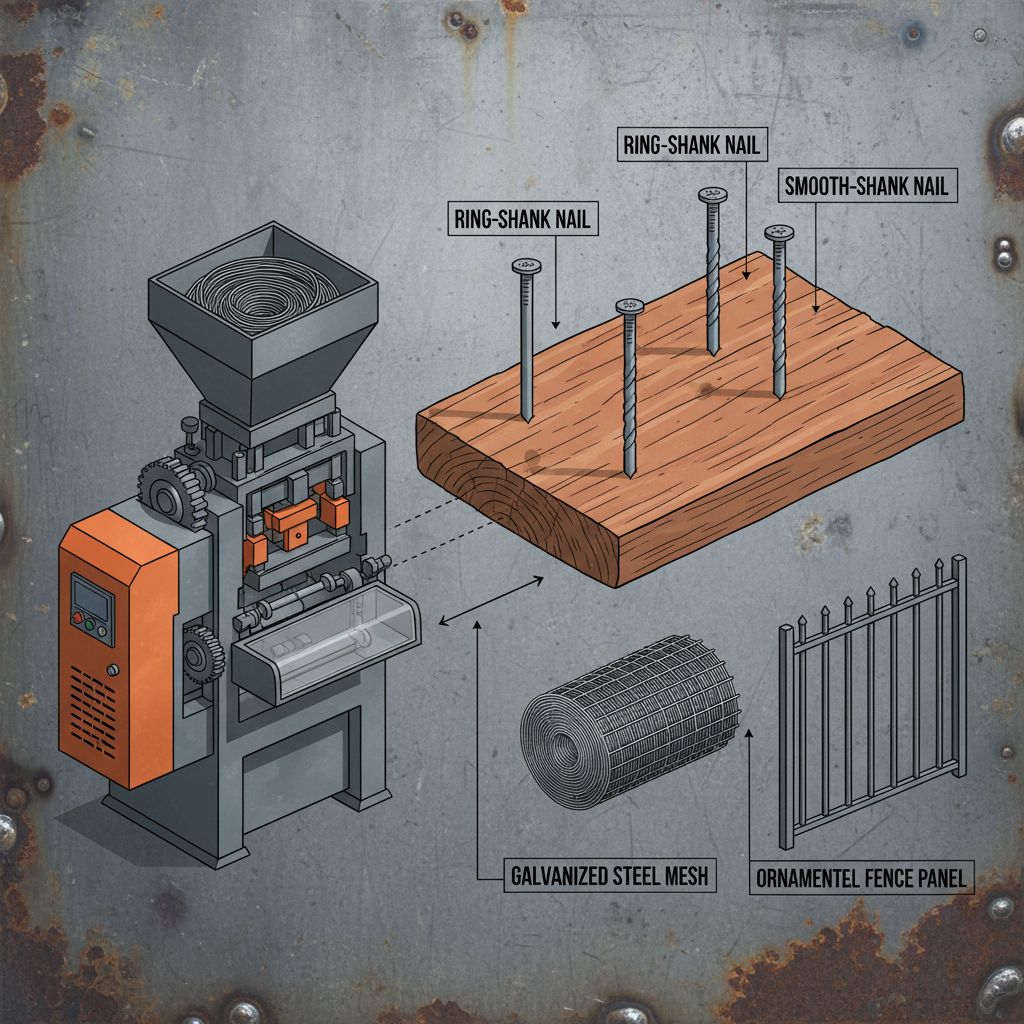
Understanding Cedar and Fastener Compatibility
Cedar wood contains natural oils that contribute to its resistance to rot and insects. However, these oils can react with certain metals, causing staining around the nail heads and potentially accelerating corrosion. Therefore, it’s vital to avoid using fasteners made from carbon steel, as they will readily react with cedar's tannins. Instead, opt for nails crafted from materials specifically suited for cedar, such as hot-dipped galvanized steel, stainless steel, or aluminum. These materials are resistant to the corrosive effects of cedar’s oils, ensuring a long-lasting and visually appealing fence.
Key Considerations: Choosing fasteners resistant to cedar's natural oils prevents staining, corrosion, and premature fence failure.
Best Nail Materials for Cedar Fence Boards
Several nail materials are well-suited for cedar fencing. Here’s a breakdown of the most common options:
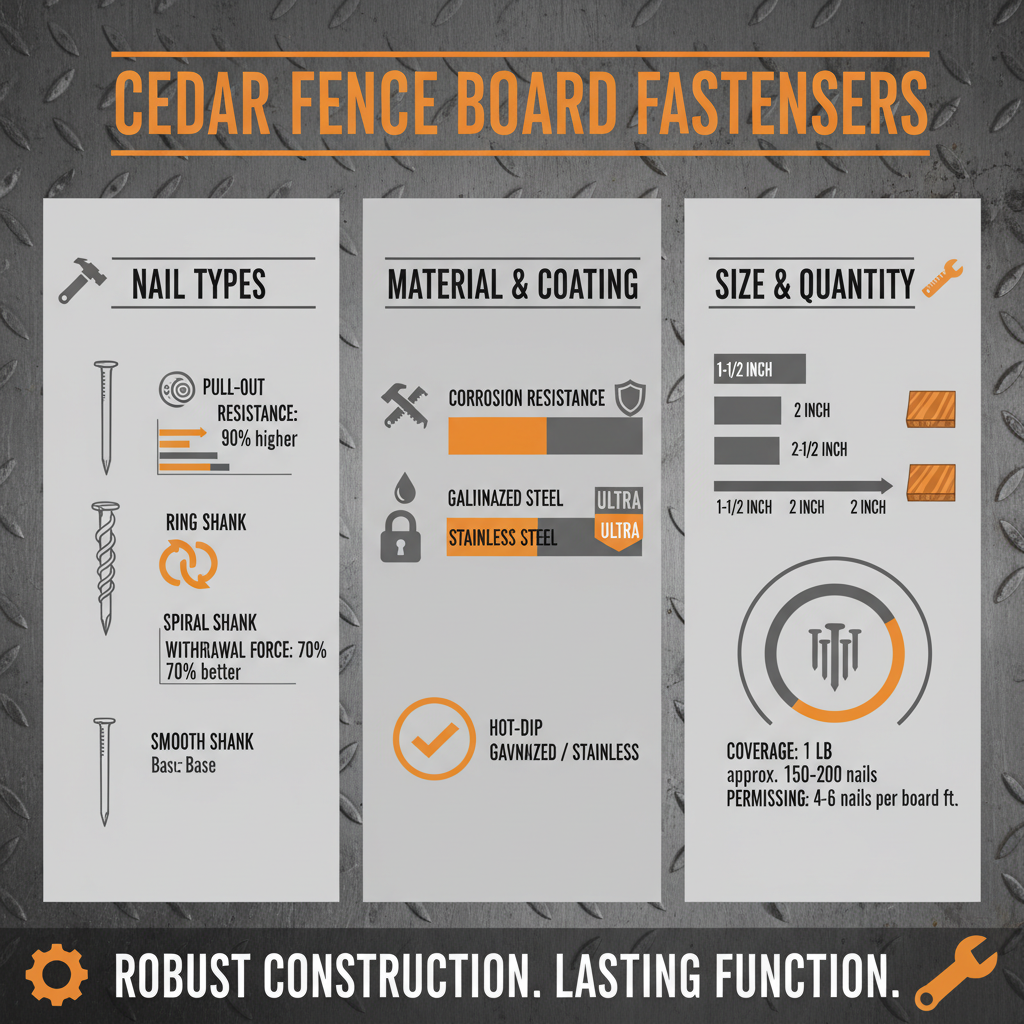
- Hot-Dipped Galvanized Nails: These nails are coated with a layer of zinc through a hot-dipping process, providing excellent corrosion resistance. They’re a cost-effective choice for many cedar fence projects.
- Stainless Steel Nails: Offering superior corrosion resistance, stainless steel nails are ideal for coastal environments or areas with high humidity. They are more expensive than galvanized nails but provide a longer lifespan.
- Aluminum Nails: Lightweight and rust-proof, aluminum nails are another excellent option, particularly if you’re concerned about staining. They are softer than steel, so pre-drilling may be required.
The best choice depends on your budget, climate, and desired longevity.
Material Comparison:
• Galvanized: Cost-effective, good corrosion resistance.
• Stainless Steel: Superior corrosion resistance, ideal for harsh climates.
• Aluminum: Rust-proof, lightweight, may require pre-drilling.
Nail Size and Type for Optimal Performance
The correct nail size and type significantly impact the fence’s structural integrity. For most cedar fence boards, 8d or 10d galvanized or stainless steel nails are recommended. The “d” refers to the penny size, a traditional measure of nail length. 8d nails are approximately 2.5 inches long, while 10d nails are around 3 inches long. Ring shank nails are preferred because they provide a stronger grip, resisting pull-out. Avoid using smooth shank nails, as they are more likely to loosen over time.
Proper Nailing Techniques for Cedar Fences
Correct nailing technique is as important as choosing the right nails. Always drive nails straight to prevent bending or splitting the wood. If you encounter resistance, consider pre-drilling a pilot hole, especially near the ends of the boards. Stagger the nails along the length of the board for even distribution of stress. Two nails per board intersection are generally sufficient, ensuring a secure and durable connection. Using a nail gun can speed up the process but ensure it's set to the appropriate power to avoid overdriving the nails.
Where to Find Quality Nails for Your Cedar Fence
At Iron Wire Factory, we offer a comprehensive selection of high-quality nails specifically designed for cedar fencing. Our galvanized and stainless steel nails provide superior corrosion resistance and ensure a long-lasting, beautiful fence. We also offer expert advice to help you choose the right nails for your specific project needs. Browse our selection today and experience the difference quality fasteners can make!
Conclusion: Building a Lasting Cedar Fence
Choosing the right nails for cedar fence boards is paramount to a successful and enduring project. By prioritizing corrosion-resistant materials, selecting the appropriate size and type, and employing proper nailing techniques, you can ensure your cedar fence remains beautiful and structurally sound for years to come. Invest in quality fasteners from a trusted supplier like Iron Wire Factory for peace of mind and long-term value.
Frequently Asked Questions (FAQs)
Can I use regular steel nails on a cedar fence?
No, it's strongly discouraged. Regular steel nails will react with the natural oils in cedar, causing staining around the nail heads and accelerating corrosion. This weakens the fence structure and reduces its lifespan. Always opt for galvanized, stainless steel, or aluminum nails specifically designed for use with cedar wood.
What is the best type of nail for a cedar fence in a coastal environment?
For coastal environments, stainless steel nails are the best choice. The high salt content in the air significantly increases corrosion rates, and stainless steel offers superior resistance to saltwater damage compared to galvanized or aluminum nails. While more expensive, stainless steel nails provide the longest-lasting and most reliable performance in these harsh conditions.
Do I need to pre-drill holes before nailing into cedar?
Pre-drilling isn't always necessary, but it's highly recommended when nailing close to the ends of the boards or when using aluminum nails, which are softer. Pre-drilling prevents the wood from splitting and ensures a straighter, more secure nail placement. It also makes the nailing process easier, especially with harder cedar varieties.
What is the difference between ring shank and smooth shank nails?
Ring shank nails have rings along the shank (body) of the nail that create a better grip in the wood. This significantly increases their pull-out resistance, making them ideal for fence construction where the nails are subjected to stress and movement. Smooth shank nails lack this feature and are more prone to loosening over time.
-
Professional Guide to Choosing Nails for Wooden Fence PanelsNewsApr.16,2026
-
PING HONGLIN WIRE MESH CO.,LTD: African Clients Visit Factory, Deepen Cooperation to Build a Global Quality BenchmarkNewsApr.14,2026
-
Guide to Choosing the Best nails for wood trim for CarpentryNewsApr.09,2026
-
Recognized for Excellence: ANPING HONGLIN WIRE MESH Named Alibaba FY2026 TOP Transaction Merchant, Celebrating 35 Years of Manufacturing HeritageNewsApr.07,2026
-
HONGLIN WIRE MESH Showcases at WORLDBEX Philippines 2026, Earning Strong Recognition from Global Builders & DistributorsNewsApr.07,2026
-
Spanish Client Delegation Visits Our Factory for Exchange, Exploring New Cooperation Opportunities in Welded Wire ProductsNewsApr.07,2026


