
Choosing the Best Nails for Pressure Treated Fence A Comprehensive Guide
Choosing the Right Nails for Pressure Treated Fence: A Comprehensive Guide
Pressure-treated fences are a popular choice for durability and longevity, but selecting the correct nails for pressure treated fence is crucial to ensure your fence remains strong and structurally sound. Using the wrong type of nail can lead to corrosion, weakening the fence over time. This guide will walk you through the key considerations, types of nails, and best practices for a lasting fence. Investing in quality fasteners is as important as the lumber itself. We'll cover everything you need to know to make the right choice.
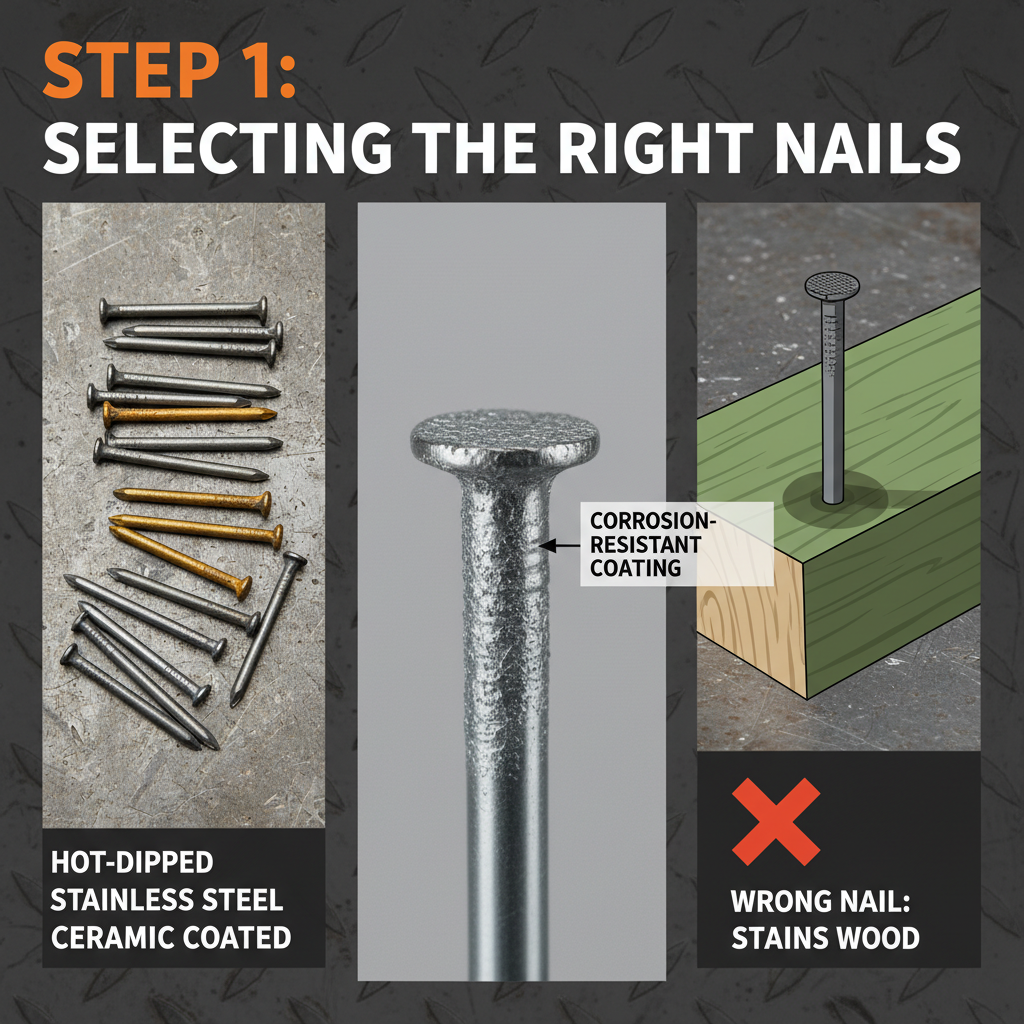
Why Choosing the Right Nails Matters for Pressure Treated Wood
Pressure treatment involves injecting wood with chemicals to protect it from rot, decay, and insects. These chemicals can be corrosive to many metals. Therefore, standard nails will corrode quickly, losing their holding power and potentially staining the wood. This corrosion weakens the fence structure, making it susceptible to failure. Using nails specifically designed for pressure-treated wood, typically hot-dip galvanized or stainless steel, ensures long-term stability and prevents premature deterioration. Selecting the proper fastener is a small investment that significantly extends the life of your fence.
Key Takeaway: Using corrosion-resistant nails is essential for maintaining the structural integrity of your pressure-treated fence.
Types of Nails for Pressure Treated Fence: A Detailed Comparison
Several types of nails are suitable for pressure-treated wood, each with its own pros and cons. Here's a comparison to help you choose:
Nail Size and Type Considerations for Fence Construction
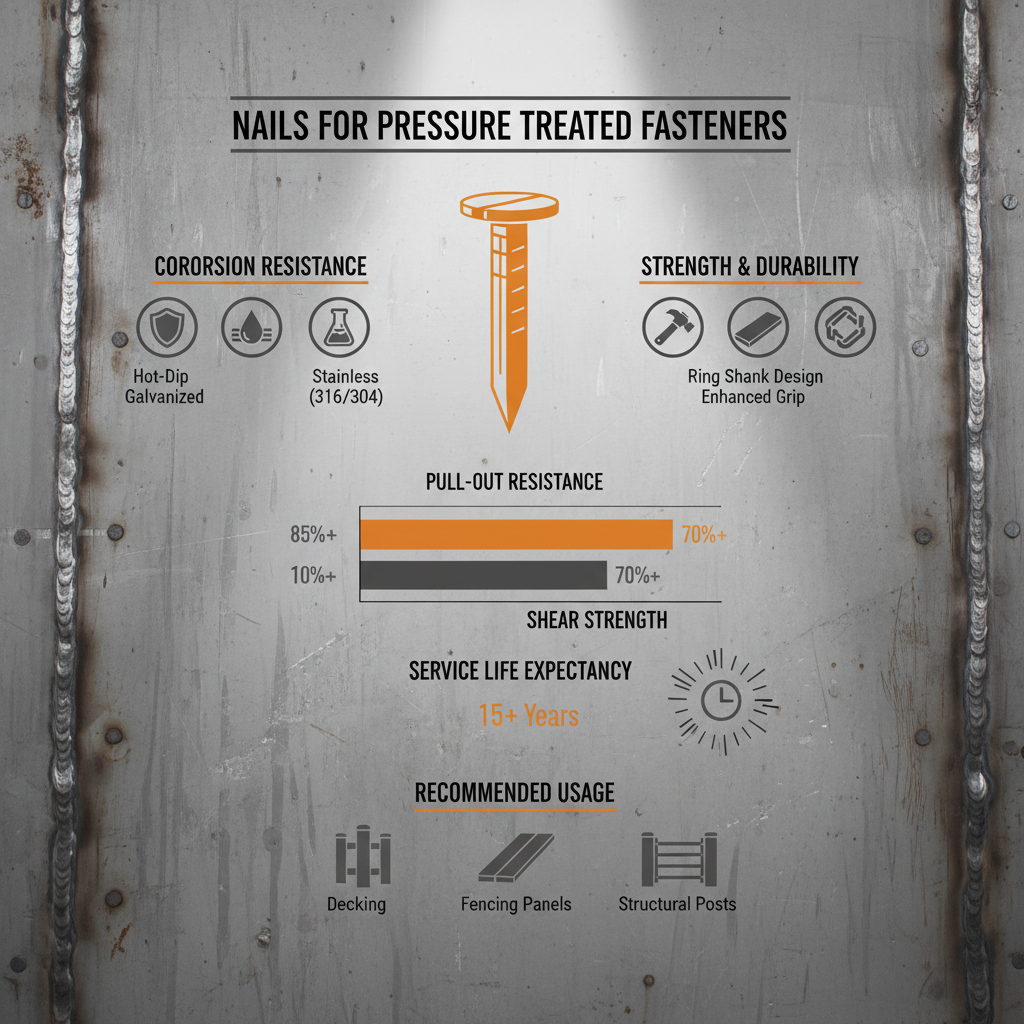
The size and type of nail you use will depend on the thickness of your fence boards and posts. For most residential fences, 8d or 10d galvanized or stainless steel nails are sufficient. Ring shank nails provide superior holding power compared to smooth shank nails, as the rings grip the wood fibers more effectively. Consider using screws for increased strength in critical areas, such as attaching posts to rails. Ironwire Factory offers a wide selection of nails tailored for outdoor and pressure-treated wood applications.
Proper Installation Techniques for Longevity
Even the best nails won't perform well if installed incorrectly. Always pre-drill holes, especially when working close to the edge of the wood, to prevent splitting. Drive nails straight and avoid bending them over. Ensure nails are driven deep enough to securely hold the boards together but not so deep that they damage the wood. Using a nail gun can speed up the process, but be careful not to overdrive the nails. Proper installation, combined with the right nail type, will maximize the lifespan of your fence.
Cost Analysis: Balancing Price and Quality
While stainless steel nails offer the best corrosion resistance, they are the most expensive option. Hot-dip galvanized nails provide a good balance between cost and performance, making them a popular choice for many fence projects. Electrolytic galvanized nails are cheaper but offer less protection against corrosion. Consider the long-term cost of replacing corroded nails versus the initial investment in higher-quality fasteners. Ironwire Factory offers competitive pricing on all types of nails.
Conclusion: Invest in Quality Fasteners for a Lasting Fence
Choosing the right nails for pressure treated fence is a critical step in ensuring the longevity and stability of your fence. By understanding the different types of nails, their corrosion resistance, and proper installation techniques, you can make an informed decision that will save you time and money in the long run. Don't compromise on quality – choose fasteners that are designed to withstand the harsh elements and provide years of reliable performance.
Frequently Asked Questions (FAQs)
Can I use regular nails on pressure-treated wood?
No, you should not use regular nails on pressure-treated wood. The chemicals used in the pressure treatment process are corrosive to many metals, including those found in standard nails. Regular nails will corrode rapidly, leading to weakened connections and potential failure of your fence. Using nails specifically designed for pressure-treated wood, like hot-dip galvanized or stainless steel, is essential for long-term durability.
What is the difference between hot-dip galvanized and electrolytic galvanized nails?
Hot-dip galvanizing involves immersing the nails in molten zinc, creating a thicker, more durable coating. This provides superior corrosion resistance. Electrolytic galvanizing uses an electrical process to deposit a thinner layer of zinc. While cheaper, electrolytic galvanized nails offer less protection against corrosion compared to hot-dip galvanized nails. For outdoor applications like fencing, hot-dip galvanizing is generally recommended.
Are stainless steel nails worth the extra cost?
Stainless steel nails offer the highest level of corrosion resistance and are a great choice for extremely harsh environments or coastal areas. However, they are significantly more expensive than galvanized nails. If your fence is in a less demanding environment, hot-dip galvanized nails may provide sufficient protection at a lower cost. Consider the long-term cost of maintenance and replacement when making your decision.
Should I use screws instead of nails for my fence?
Screws generally provide a stronger and more durable connection than nails, especially in areas subjected to stress or movement. They are a good choice for attaching posts to rails or for securing critical components of your fence. However, screws are more expensive and require more time and effort to install. A combination of nails and screws can be a good approach, using nails for most of the fence construction and screws for critical connections.
-
Professional Guide to Choosing Nails for Wooden Fence PanelsNewsApr.16,2026
-
PING HONGLIN WIRE MESH CO.,LTD: African Clients Visit Factory, Deepen Cooperation to Build a Global Quality BenchmarkNewsApr.14,2026
-
Guide to Choosing the Best nails for wood trim for CarpentryNewsApr.09,2026
-
Recognized for Excellence: ANPING HONGLIN WIRE MESH Named Alibaba FY2026 TOP Transaction Merchant, Celebrating 35 Years of Manufacturing HeritageNewsApr.07,2026
-
HONGLIN WIRE MESH Showcases at WORLDBEX Philippines 2026, Earning Strong Recognition from Global Builders & DistributorsNewsApr.07,2026
-
Spanish Client Delegation Visits Our Factory for Exchange, Exploring New Cooperation Opportunities in Welded Wire ProductsNewsApr.07,2026


