
Choosing the Best Nails for Redwood Fence Longevity and Strength
Choosing the Right Nails for Redwood Fence Projects
Building or maintaining a redwood fence is a significant investment, and using the correct nails for redwood fence is crucial for longevity and structural integrity. Redwood’s natural oils and softness require specific fasteners to prevent corrosion, splitting, and ultimately, a weakened fence. This article will guide you through the selection process, covering different nail types, materials, sizes, and considerations for optimal performance. We’ll explore how to choose the best nails to ensure your redwood fence stands the test of time. You can find a great selection of high-quality fasteners at Ironwire Factory.
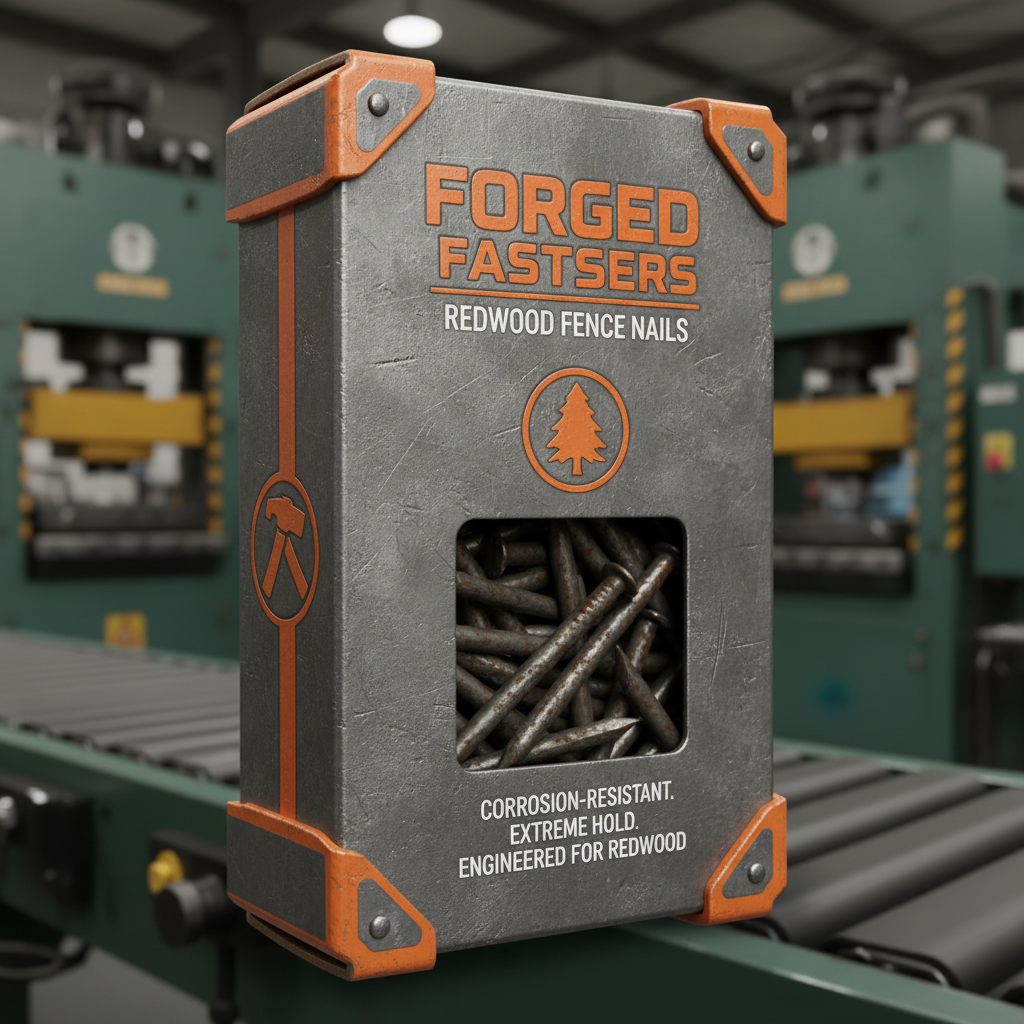
Understanding Redwood and Its Fastening Needs
Redwood is a beautiful and durable wood, but its unique properties require careful consideration when selecting fasteners. Unlike harder woods, redwood is relatively soft, making it prone to splitting if the wrong nails are used. Furthermore, redwood contains natural tannins and oils that can corrode certain metals. Therefore, choosing nails specifically designed for redwood is essential. These nails typically feature coatings or are constructed from materials that resist corrosion and minimize the risk of splitting the wood. Choosing the right nail ensures the structural integrity and aesthetic appeal of your fence.
Key Considerations: Redwood's softness and natural oils necessitate corrosion-resistant fasteners to prevent splitting and ensure long-term durability.
Types of Nails Ideal for Redwood Fences
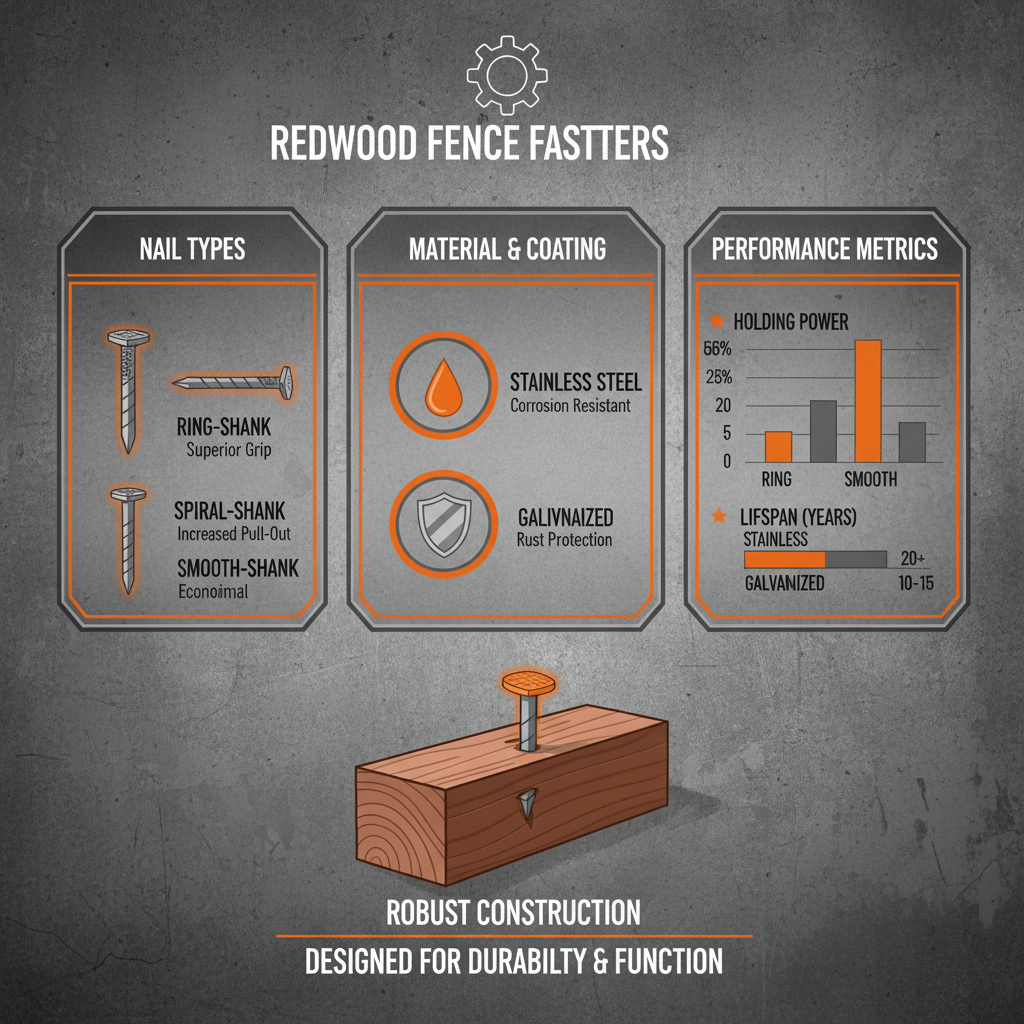
Several nail types are well-suited for redwood fences. Ring shank nails are highly recommended as their rings provide superior holding power, reducing the chance of the wood pulling away from the nail over time. Hot-dipped galvanized nails are a common choice due to their excellent corrosion resistance. Stainless steel nails offer the highest level of protection against rust and are ideal for coastal environments. Aluminum nails are another option, providing good corrosion resistance and being lightweight. The choice depends on your budget, the climate, and the desired lifespan of your fence. Remember, using the correct nails for redwood fence will save you money and effort in the long run.
Nail Type Benefits:
• Ring shank nails offer superior holding power.
• Hot-dipped galvanized nails provide excellent corrosion resistance.
• Stainless steel nails are ideal for coastal areas.
• Aluminum nails are lightweight and corrosion-resistant.
Comparing Nail Materials: Corrosion Resistance
The material of the nail plays a significant role in its ability to withstand the elements and the corrosive properties of redwood. Here’s a comparison to help you decide:
Choosing the Right Nail Size for Your Redwood Fence
The correct nail size depends on the thickness of the redwood boards you are using. A general rule is to ensure at least half the nail’s length penetrates the second board. For most redwood fence projects, 8d (2.5 inches) or 10d (3 inches) nails are commonly used. Longer nails provide a stronger hold, particularly in high-wind areas. Using a nail gun can speed up the process and ensure consistent nail depth, but always verify that the gun is set to the appropriate pressure to avoid damaging the redwood. Ironwire Factory offers a wide range of nail sizes to meet your project’s needs.
Tips for Nail Installation to Prevent Splitting
To minimize the risk of splitting your redwood fence boards, follow these tips: Pre-drill nail holes, especially near the ends of the boards. Use blunt-tipped nails, which are less likely to split the wood. Stagger your nails instead of aligning them in a straight line. Avoid driving nails too close to the edge of the board. Consider using a nail setter to ensure the nail head is flush with the surface without damaging the wood. When working with nails for redwood fence, proper technique is just as important as the type of nail you choose.
Conclusion: Ensuring a Durable Redwood Fence
Choosing the correct nails for redwood fence is an investment in the longevity and structural integrity of your project. By understanding the properties of redwood and selecting appropriate nail types and sizes, you can build a beautiful and durable fence that will last for years to come. Don't compromise on quality – choose fasteners designed specifically for redwood.
Frequently Asked Questions (FAQs)
What's the difference between galvanized and stainless steel nails?
Both galvanized and stainless steel nails offer corrosion resistance, but stainless steel provides superior protection, especially in harsh coastal environments. Galvanized nails have a zinc coating that prevents rust, while stainless steel nails are alloyed to resist corrosion. Stainless steel is more expensive but offers a significantly longer lifespan in corrosive conditions. For most inland redwood fence projects, hot-dipped galvanized nails are sufficient, but stainless steel is recommended for areas with high salt content or humidity.
Are ring shank nails really necessary for redwood?
Yes, ring shank nails are highly recommended for redwood fences. Redwood's softness means that nails can easily pull out over time, especially with wood expansion and contraction. Ring shank nails have rings along the shank that increase holding power by biting into the wood fibers. While smooth shank nails are cheaper, they offer significantly less holding power and are more likely to loosen, compromising the fence's structural integrity.
Can I use a nail gun with redwood?
Yes, you can use a nail gun with redwood, but it’s crucial to adjust the pressure settings properly. Excessive pressure can cause the wood to split. Start with a lower pressure setting and gradually increase it until the nails are driven flush without damaging the wood. Always use nails specifically designed for nail guns and ensure the gun is compatible with the nail type and size you are using.
-
Professional Guide to Choosing Nails for Wooden Fence PanelsNewsApr.16,2026
-
PING HONGLIN WIRE MESH CO.,LTD: African Clients Visit Factory, Deepen Cooperation to Build a Global Quality BenchmarkNewsApr.14,2026
-
Guide to Choosing the Best nails for wood trim for CarpentryNewsApr.09,2026
-
Recognized for Excellence: ANPING HONGLIN WIRE MESH Named Alibaba FY2026 TOP Transaction Merchant, Celebrating 35 Years of Manufacturing HeritageNewsApr.07,2026
-
HONGLIN WIRE MESH Showcases at WORLDBEX Philippines 2026, Earning Strong Recognition from Global Builders & DistributorsNewsApr.07,2026
-
Spanish Client Delegation Visits Our Factory for Exchange, Exploring New Cooperation Opportunities in Welded Wire ProductsNewsApr.07,2026


