
Choosing The Best Nails For Wood Deck Construction And Longevity
Choosing the Right Nails for Wood Deck Construction
Building or repairing a wood deck is a rewarding project, but selecting the correct nails for wood deck is crucial for its longevity and safety. Using the wrong type can lead to splitting, corrosion, and ultimately, a compromised structure. This article will guide you through the various types of nails suitable for decking, factors to consider when choosing, and provide insights to ensure a robust and beautiful deck. A properly nailed deck can withstand the elements and provide years of enjoyment. We’ll explore the best options available from Iron Wire Factory.
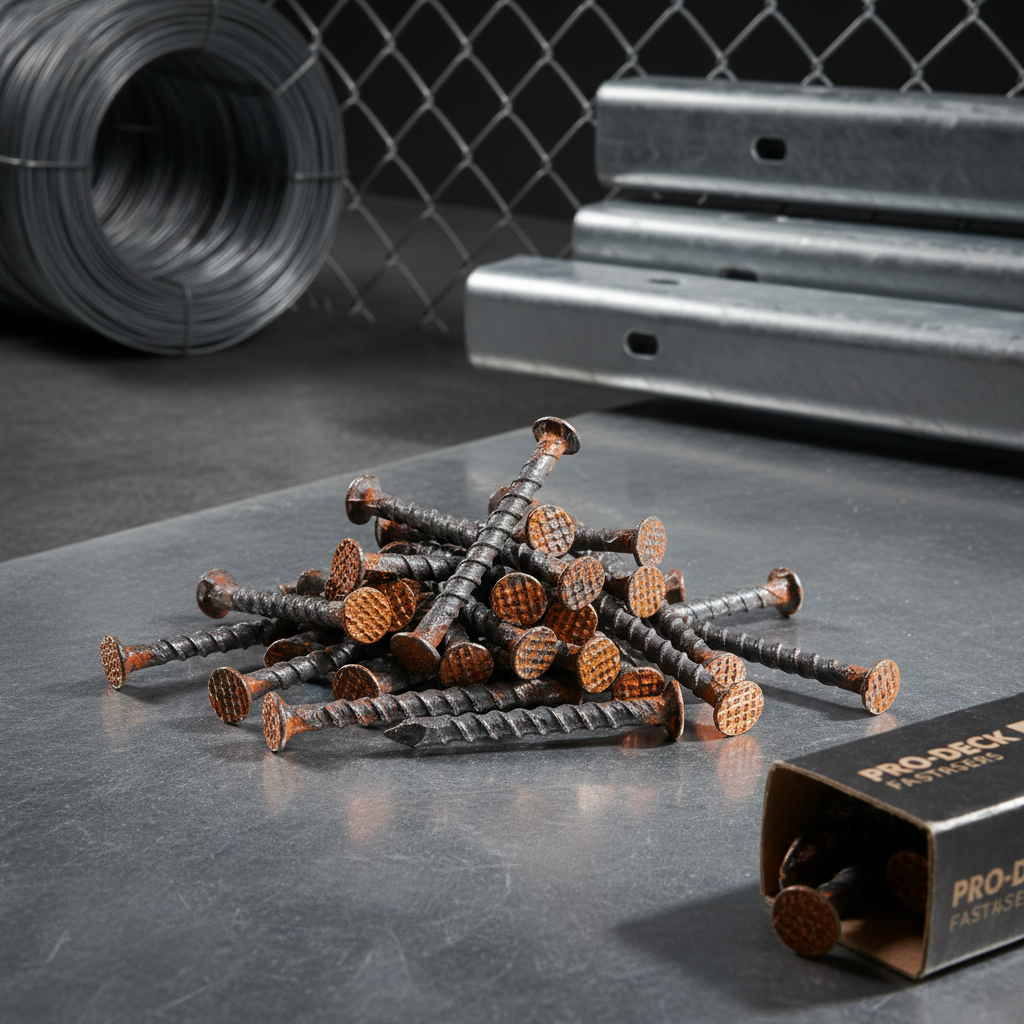
Understanding the Different Types of Decking Nails
Several types of nails are commonly used for deck construction, each with its own strengths and weaknesses. Hot-dipped galvanized nails are a popular choice due to their excellent corrosion resistance, making them suitable for treated lumber. Stainless steel nails offer superior corrosion resistance and are ideal for coastal environments or decks using hardwoods. Ring shank nails provide significantly better holding power than smooth shank nails due to the rings that grip the wood fibers. Finally, screw shank nails offer a good balance of holding power and ease of use. Choosing the right nail type depends on your budget, the type of wood used, and the environmental conditions.
Key Considerations: Choose nails specifically designed for exterior use and pressure-treated lumber to prevent corrosion and ensure the long-term stability of your deck.
Hot-Dipped Galvanized Nails vs. Stainless Steel Nails
The primary difference between hot-dipped galvanized and stainless steel nails lies in their corrosion resistance and cost. Hot-dipped galvanized nails are coated with a layer of zinc, protecting them from rust. Stainless steel nails, however, are inherently resistant to corrosion, making them a better choice for harsh environments. While more expensive upfront, stainless steel nails offer a longer lifespan and require less maintenance. For most decks, hot-dipped galvanized nails provide sufficient protection. However, if your deck is near saltwater or exposed to frequent moisture, stainless steel nails are a worthwhile investment.
Corrosion Resistance Comparison:
• Hot-Dipped Galvanized: Good resistance, suitable for most environments.
• Stainless Steel: Excellent resistance, ideal for coastal areas and hardwoods.
• Cost: Galvanized is significantly cheaper than Stainless steel.
Choosing Nails for Different Wood Types
The type of wood used for your deck also influences nail selection. Softer woods like pine and cedar require less robust nails, while hardwoods like mahogany and ipe demand stronger holding power. For hardwoods, stainless steel nails or screws are highly recommended to prevent splitting and ensure a secure connection. For pressure-treated lumber, always use hot-dipped galvanized nails or stainless steel nails to avoid corrosion caused by the chemical treatment. Using the wrong nails with hardwoods can result in bent nails or wood splitting.
Ring Shank vs. Smooth Shank Nails for Decking
The shank of a nail refers to its shaft. Ring shank nails have rings along the shank that increase their holding power by biting into the wood fibers. Smooth shank nails, on the other hand, are smooth and offer less resistance to pull-out. For deck construction, ring shank nails are strongly recommended, particularly for areas subjected to high stress or movement. They provide a much more secure and long-lasting connection, reducing the risk of boards coming loose over time. You can find a wide selection of high-quality ring shank nails at Iron Wire Factory.
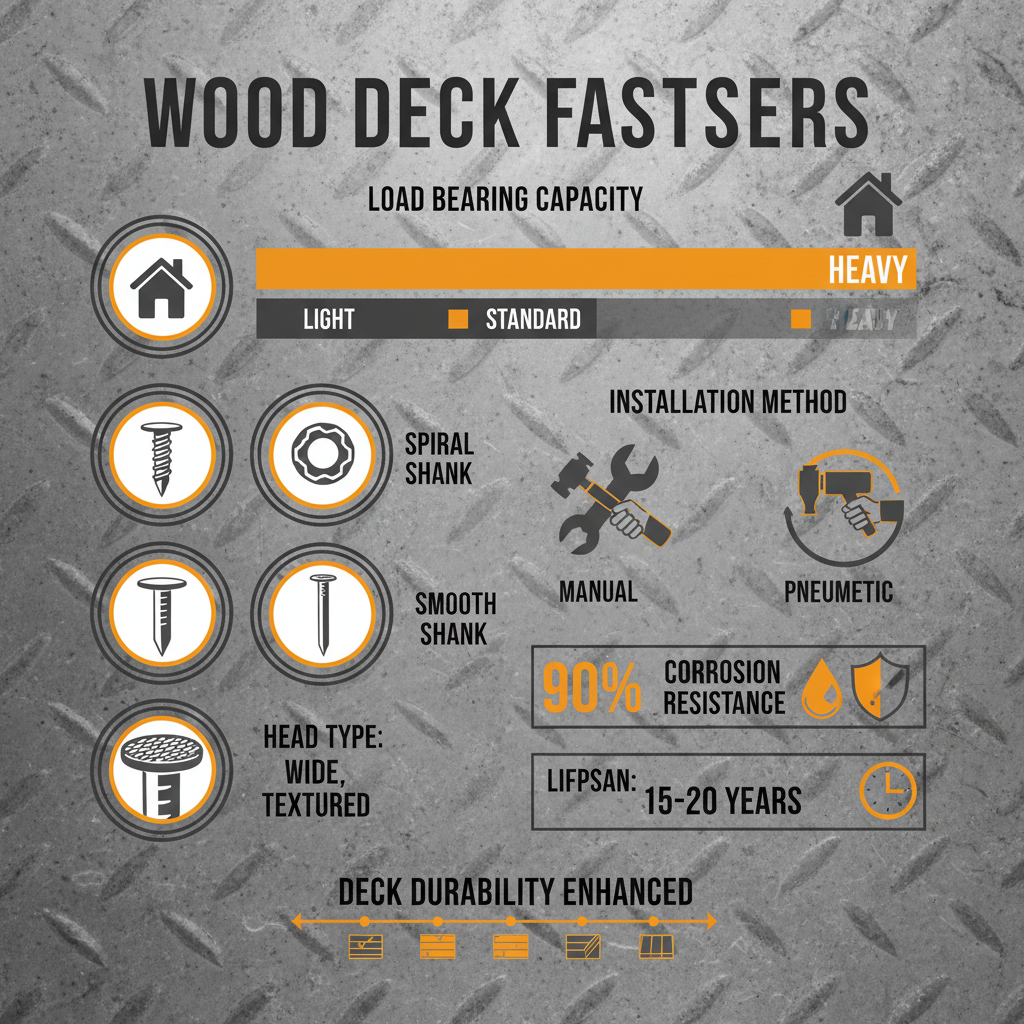
Product Specifications: Iron Wire Factory Decking Nails
At Iron Wire Factory, we offer a comprehensive range of decking nails to suit various project needs. Here's a quick look at some of our popular options:
Conclusion: Building a Lasting Deck with the Right Nails
Choosing the correct nails for wood deck construction is a vital step towards creating a safe, durable, and beautiful outdoor space. By considering the wood type, environmental factors, and the benefits of ring shank vs. smooth shank nails, you can ensure your deck stands the test of time. Explore the comprehensive selection of decking nails available at Iron Wire Factory and build with confidence!
Frequently Asked Questions (FAQs)
What size nails should I use for decking?
Typically, 8d (3.3mm x 63mm) nails are the standard size for most decking applications. However, thicker decking boards may require 10d (3.3mm x 76mm) nails for adequate holding power. It’s essential to choose a nail length that penetrates at least twice the thickness of the upper board into the joist. Consulting with a building professional or checking local building codes is always recommended to ensure compliance and structural integrity.
Can I use screws instead of nails for decking?
Yes, screws are a viable alternative to nails for decking. They generally offer superior holding power and are less likely to loosen over time. However, screws require pre-drilling to prevent splitting the wood, which can be more time-consuming. Stainless steel screws are the preferred choice for their corrosion resistance. Ultimately, the choice between nails and screws depends on your preference, budget, and the specific requirements of your project.
How can I prevent nail pop-up in my deck?
Nail pop-up can occur due to wood shrinkage or expansion. To minimize this issue, use ring shank nails, which provide a stronger grip. Avoid overdriving the nails, as this can damage the wood fibers and weaken the connection. Also, ensure the wood is properly dried before construction. Regularly inspect your deck for popped nails and re-nail them as needed.
-
Professional Guide to Choosing Nails for Wooden Fence PanelsNewsApr.16,2026
-
PING HONGLIN WIRE MESH CO.,LTD: African Clients Visit Factory, Deepen Cooperation to Build a Global Quality BenchmarkNewsApr.14,2026
-
Guide to Choosing the Best nails for wood trim for CarpentryNewsApr.09,2026
-
Recognized for Excellence: ANPING HONGLIN WIRE MESH Named Alibaba FY2026 TOP Transaction Merchant, Celebrating 35 Years of Manufacturing HeritageNewsApr.07,2026
-
HONGLIN WIRE MESH Showcases at WORLDBEX Philippines 2026, Earning Strong Recognition from Global Builders & DistributorsNewsApr.07,2026
-
Spanish Client Delegation Visits Our Factory for Exchange, Exploring New Cooperation Opportunities in Welded Wire ProductsNewsApr.07,2026


