
Choosing the Right Nails for Fencing Pickets for a Long Lasting Fence
Choosing the Right Nails for Fencing Pickets: A Comprehensive Guide
Building or repairing a fence is a significant investment, and using the correct nails for fencing pickets is crucial for its longevity and structural integrity. The wrong nails can lead to splitting, corrosion, and ultimately, fence failure. This article will explore the different types of nails available, factors to consider when choosing, and how to ensure a strong, lasting fence. We'll cover everything from galvanized options to ring shank nails, helping you make the best choice for your project. Find quality fencing supplies and nails at Iron Wire Factory.
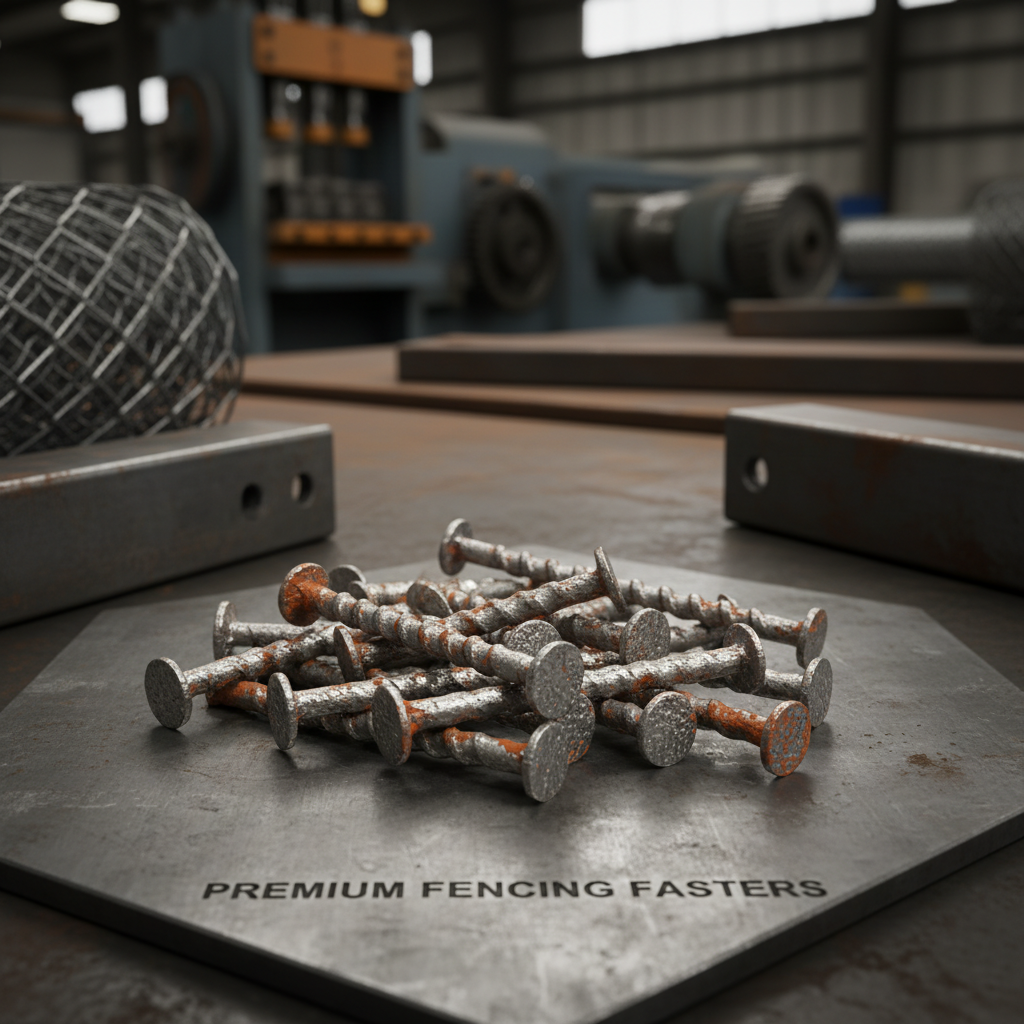
Understanding the Different Types of Nails for Fencing Pickets
Several types of nails are commonly used for fencing, each with its own advantages and disadvantages. Galvanized nails are the most popular choice, offering excellent corrosion resistance, making them ideal for outdoor use. Ring shank nails provide superior holding power due to their rings that grip the wood fibers. Smooth shank nails are easier to drive but offer less holding strength. Finally, aluminum nails are lightweight and corrosion-resistant, often used with treated lumber to avoid discoloration. Choosing the right nail type depends on the wood used, the climate, and the desired level of durability.
Key Takeaway: Galvanized and ring shank nails provide the best combination of corrosion resistance and holding power for most fencing projects.
Galvanized Nails: The Industry Standard for Fencing
Galvanization is a process of coating steel with zinc to prevent rust and corrosion. This makes galvanized nails the preferred choice for outdoor applications like fencing. There are different levels of galvanization, with hot-dip galvanization offering the most robust protection. Using galvanized nails ensures your fence will withstand the elements for years to come. They are readily available and relatively inexpensive, making them a practical and economical option. When choosing galvanized nails, look for a heavy coating for maximum durability.
Benefits of Galvanized Nails:
• Excellent corrosion resistance
• Long-lasting durability
• Affordable and readily available
• Suitable for all types of wood
Ring Shank vs. Smooth Shank Nails for Fencing Pickets
The shank of the nail refers to its shaft. Ring shank nails have rings along the shank that grip the wood fibers tightly, significantly increasing their holding power. This is particularly important for fencing, where the structure is subjected to wind and other forces. Smooth shank nails, on the other hand, are easier to drive and remove but offer less holding strength. They are best suited for temporary applications or where frequent disassembly is required. For a permanent, robust fence, ring shank nails are the superior choice. Consider the wood type – softer woods benefit more from the enhanced grip of ring shank nails.
Nail Size and Length for Optimal Fencing Performance
Selecting the correct nail size and length is just as important as choosing the right type. For most fencing pickets, a 8d (2 1/2 inch) or 10d (3 inch) galvanized ring shank nail is recommended. The length should be at least twice the thickness of the wood being joined to ensure a secure hold. Using nails that are too short will result in a weak connection, while nails that are too long may protrude through the wood and create a safety hazard. Always pre-drill holes when working with hardwoods to prevent splitting.
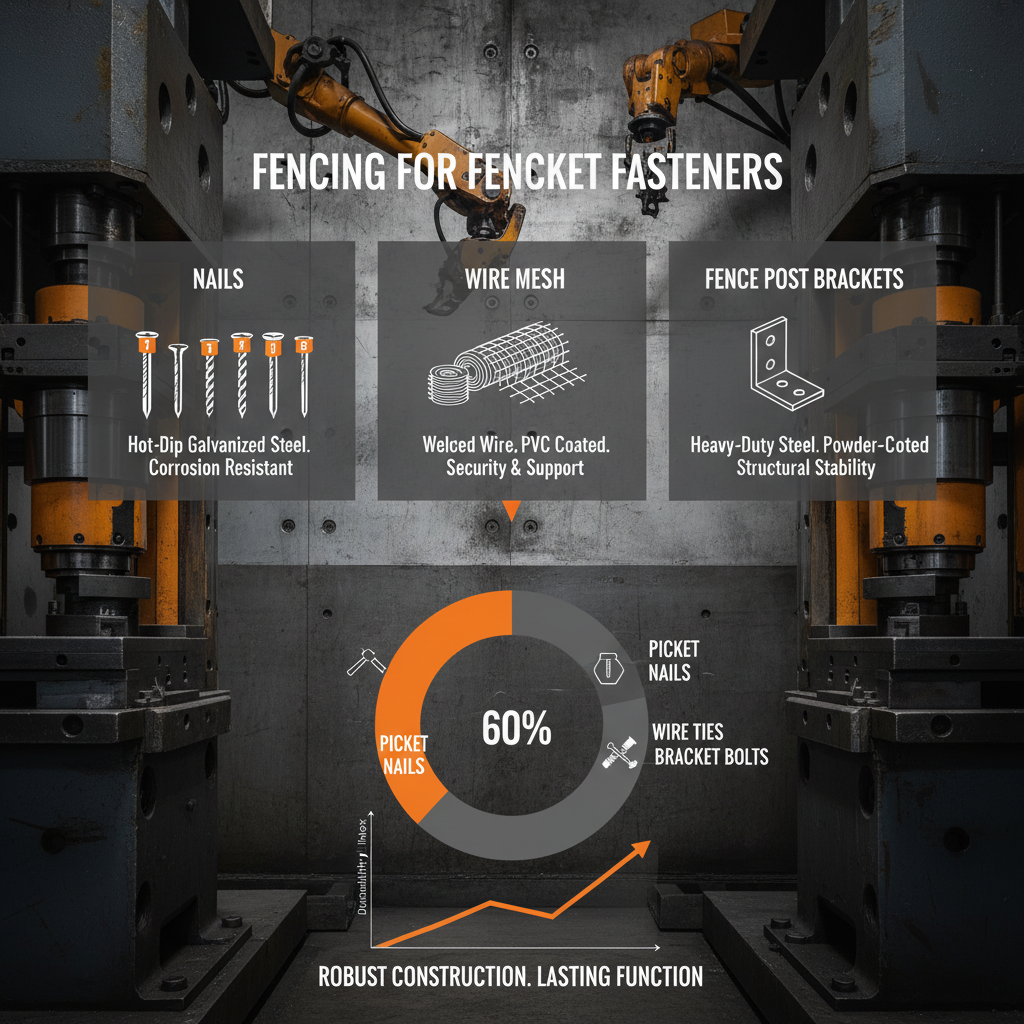
Where to Buy High-Quality Nails for Your Fencing Project
Choosing a reliable supplier is essential for obtaining high-quality nails for fencing pickets. Iron Wire Factory offers a wide selection of galvanized, ring shank, and smooth shank nails in various sizes to meet your fencing needs. We pride ourselves on providing durable, dependable products and excellent customer service. We ship quickly and efficiently to ensure you can start your project without delay. Browse our selection today and experience the difference!
Conclusion: Building a Lasting Fence Starts with the Right Nails
Investing in the right nails for fencing pickets is an investment in the longevity and safety of your fence. By understanding the different types of nails available and choosing the appropriate size and material, you can ensure a strong, durable, and visually appealing fence. Visit Iron Wire Factory today for all your fencing nail needs.
Frequently Asked Questions (FAQs)
What is the best way to prevent splitting when nailing fencing pickets?
Splitting is a common issue when nailing, especially with hardwoods. To prevent it, always pre-drill pilot holes slightly smaller than the nail diameter. This creates a path for the nail and reduces stress on the wood fibers. Blunt the tip of the nail slightly by striking it on a hard surface before driving it into the wood. Also, avoid nailing too close to the edge of the picket. Using ring shank nails can also help, as their grip minimizes the tendency to split the wood.
How many nails should I use per picket?
Generally, using at least two nails per rail per picket is recommended for adequate holding power. For wider pickets or areas with high wind exposure, consider using three nails per rail. Ensure the nails are spaced evenly and driven in straight to maximize their effectiveness. More nails aren't always better; too many can weaken the wood and increase the risk of splitting.
Are stainless steel nails a better option than galvanized nails?
Stainless steel nails offer superior corrosion resistance compared to galvanized nails, but they are significantly more expensive. While galvanized nails provide excellent protection for most fencing applications, stainless steel might be worthwhile in coastal environments or areas with highly corrosive conditions. The cost-benefit analysis should be considered based on the specific environment and budget.
What should I do if I accidentally bend a nail while driving it in?
If you bend a nail while driving it in, remove it immediately and replace it with a new one. A bent nail significantly reduces the structural integrity of the connection. Attempting to straighten a bent nail can weaken it further and is not recommended. Use a nail puller or claw hammer to carefully remove the damaged nail without damaging the surrounding wood.
-
Professional Guide to Choosing Nails for Wooden Fence PanelsNewsApr.16,2026
-
PING HONGLIN WIRE MESH CO.,LTD: African Clients Visit Factory, Deepen Cooperation to Build a Global Quality BenchmarkNewsApr.14,2026
-
Guide to Choosing the Best nails for wood trim for CarpentryNewsApr.09,2026
-
Recognized for Excellence: ANPING HONGLIN WIRE MESH Named Alibaba FY2026 TOP Transaction Merchant, Celebrating 35 Years of Manufacturing HeritageNewsApr.07,2026
-
HONGLIN WIRE MESH Showcases at WORLDBEX Philippines 2026, Earning Strong Recognition from Global Builders & DistributorsNewsApr.07,2026
-
Spanish Client Delegation Visits Our Factory for Exchange, Exploring New Cooperation Opportunities in Welded Wire ProductsNewsApr.07,2026


