
Choosing the Right Nails for Treated Wood for Long Lasting Projects
Choosing the Right Nails for Treated Wood: A Comprehensive Guide
When working with treated lumber, selecting the correct fasteners is crucial for both the longevity and safety of your project. Using standard nails can lead to corrosion and structural failure. This article will delve into the specific requirements for nails for treated wood, outlining the different types, materials, and considerations to ensure a robust and lasting build. We will explore how to avoid common pitfalls and achieve professional results. Understanding these details can save you time, money, and potential safety hazards.
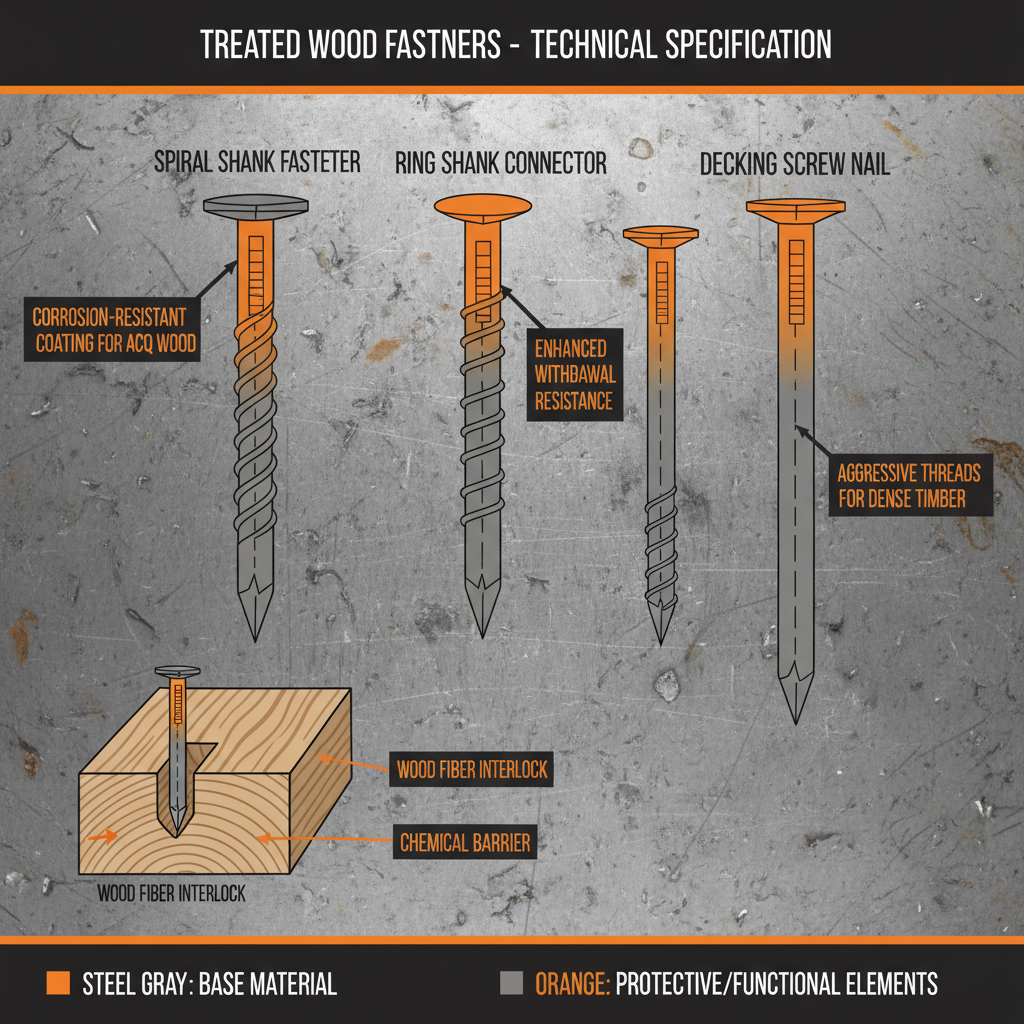
Why Standard Nails Fail with Treated Wood
Pressure-treated lumber contains chemical preservatives to protect against rot, decay, and insect infestation. These chemicals, however, are highly corrosive to many common metals used in standard nails – particularly carbon steel. When a standard nail is used with treated wood, a galvanic reaction occurs, causing the nail to corrode rapidly. This corrosion weakens the connection, leading to potential structural failure over time. The resulting rust stains can also be aesthetically undesirable. Using the correct type of nail is therefore not simply a matter of aesthetics, but a critical safety concern.
Key Takeaway: Utilizing standard nails with treated lumber leads to rapid corrosion, weakening the connection and potentially compromising structural integrity.
Types of Nails for Treated Wood: A Comparison
Several types of nails are specifically designed for use with treated wood. These nails are manufactured from materials resistant to the corrosive chemicals found in treated lumber. The most common options include:
Galvanization and Coating Options for Enhanced Corrosion Resistance
Galvanization is a process that applies a protective zinc coating to steel, preventing corrosion. Hot-dip galvanization provides a thicker, more durable coating compared to electro-galvanization. However, even hot-dip galvanization can eventually degrade in the presence of harsh chemicals. ACQ coating is specifically formulated to resist the corrosive effects of ACQ-treated lumber. While stainless steel and aluminum offer excellent corrosion resistance, they are generally more expensive than galvanized or ACQ-coated options. Choosing the right coating depends on the specific environment and the desired lifespan of the project. You can explore a wider range of options and specifications at Iron Wire Factory.
Consider these factors when choosing a coating:
• The type of treated lumber (ACQ, CCA, etc.)
• The environmental conditions (coastal, humid, etc.)
• The desired lifespan of the project
Nail Size and Shank Type for Optimal Holding Power
Beyond material and coating, the size and shank type of the nail significantly impact its holding power. Larger diameter nails provide greater withdrawal resistance. Shank types include smooth, ring, and screw shanks. Ring shank nails offer the highest holding power due to the rings gripping the wood fibers. Screw shank nails also provide excellent holding power and are particularly useful for applications where vibration is a concern. Smooth shank nails are the least expensive but offer the lowest holding power.
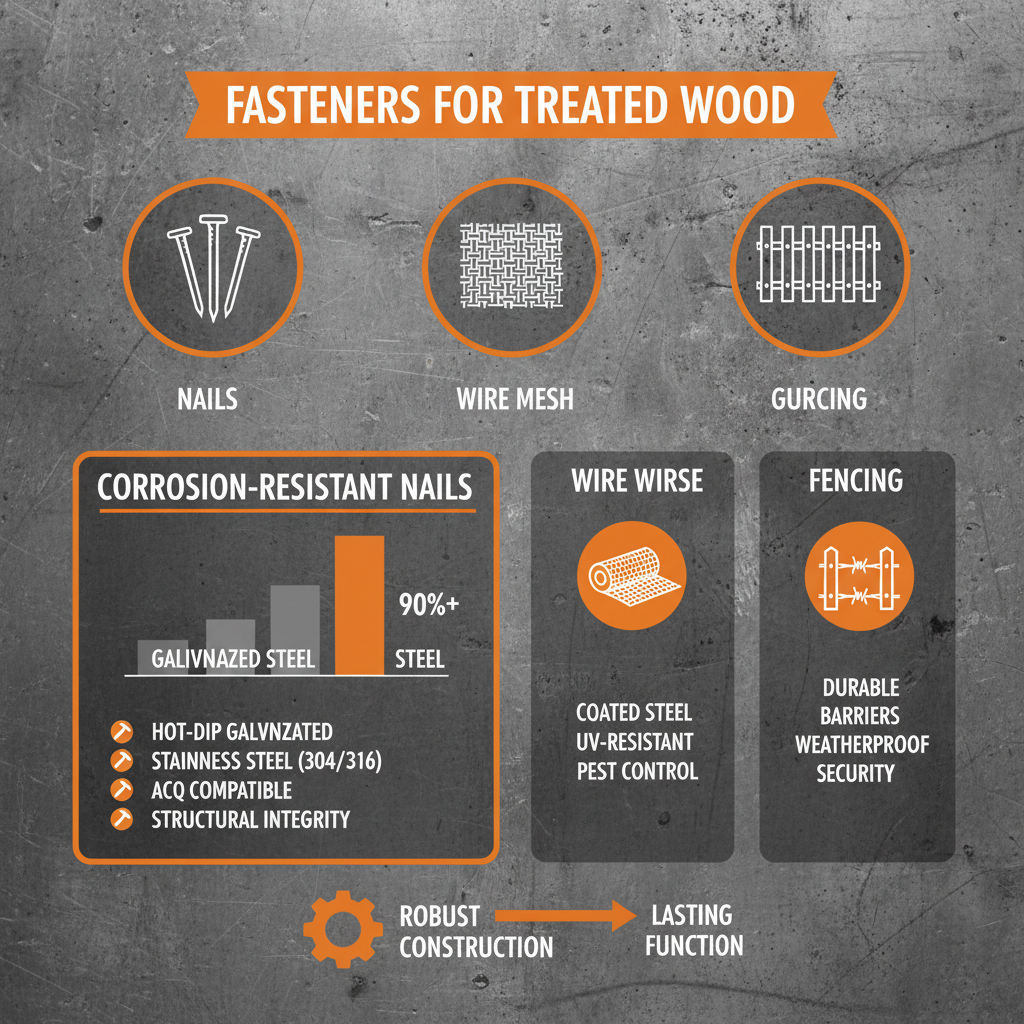
Ensuring Compliance and Safety: Selecting the Right Nail
Always check local building codes and regulations to ensure the nails you choose meet the required standards for treated lumber applications. Using the correct nails is not only crucial for the structural integrity of your project, but also for safety. Failure to use appropriate fasteners can lead to premature failure, potential injuries, and costly repairs. Iron Wire Factory provides high-quality nails specifically designed for treated lumber, ensuring compliance and peace of mind.
Conclusion: Protecting Your Projects with the Right Fasteners
Choosing the correct nails for treated wood is paramount for ensuring the longevity, safety, and structural integrity of your projects. By understanding the corrosive effects of treated lumber and selecting appropriately coated or constructed nails, you can avoid costly repairs and potential hazards. Invest in quality fasteners from a reputable supplier, like Iron Wire Factory, to protect your work and ensure lasting results.
Frequently Asked Questions (FAQs)
What is the difference between ACQ and CCA treated lumber?
ACQ (Alkaline Copper Quaternary) is a newer treatment that replaced CCA (Chromated Copper Arsenate) due to environmental concerns. While both protect against decay and insects, ACQ is considered less toxic. Importantly, ACQ is more corrosive than CCA, meaning that nails specifically designed for ACQ-treated lumber are essential. The level of corrosion can rapidly degrade standard nails leading to structural compromise. Choosing a nail rated for ACQ is crucial when working with this type of lumber.
Can I use stainless steel nails with all types of treated wood?
While stainless steel offers excellent corrosion resistance, it’s not always the most cost-effective solution. For most ACQ or CCA treated lumber, hot-dip galvanized or ACQ-coated nails provide sufficient protection at a lower cost. Stainless steel is particularly recommended for highly corrosive environments like coastal areas or when working with exotic hardwoods. Consider your specific project requirements and budget when making your decision.
How do I identify if a nail is suitable for treated wood?
Look for packaging specifically labeled “for use with treated lumber.” The packaging should also indicate the coating type (e.g., hot-dip galvanized, ACQ-coated) or the material (e.g., stainless steel). Avoid using nails that are simply labeled as “common nails” or “general-purpose nails” as these are typically made from carbon steel and will corrode quickly. When in doubt, consult with a hardware professional or refer to the manufacturer’s specifications. Iron Wire Factory clearly labels all nails suitable for treated wood.
What happens if I accidentally use standard nails on treated wood?
If you've already used standard nails on treated wood, it’s best to remove them and replace them with the correct type. While the initial connection may seem secure, the corrosion will weaken the nail over time, potentially leading to structural failure. Monitor the connection regularly for signs of rust or loosening. The longer the standard nails remain in place, the greater the risk of a future problem.
-
Professional Guide to Choosing Nails for Wooden Fence PanelsNewsApr.16,2026
-
PING HONGLIN WIRE MESH CO.,LTD: African Clients Visit Factory, Deepen Cooperation to Build a Global Quality BenchmarkNewsApr.14,2026
-
Guide to Choosing the Best nails for wood trim for CarpentryNewsApr.09,2026
-
Recognized for Excellence: ANPING HONGLIN WIRE MESH Named Alibaba FY2026 TOP Transaction Merchant, Celebrating 35 Years of Manufacturing HeritageNewsApr.07,2026
-
HONGLIN WIRE MESH Showcases at WORLDBEX Philippines 2026, Earning Strong Recognition from Global Builders & DistributorsNewsApr.07,2026
-
Spanish Client Delegation Visits Our Factory for Exchange, Exploring New Cooperation Opportunities in Welded Wire ProductsNewsApr.07,2026


