
Common Nails - Anping Honglin | Durable, Versatile, Reliable
Common nails are essential fasteners in construction and carpentry, offering strength, durability, and versatility. Manufactured from high-quality steel, these nails are designed to meet the demands of both professional and DIY projects. This article explores the features, advantages, technical specifications, and applications of common nails, along with insights into their company background and product packaging.
Features of Common Nails
Common nails are characterized by their robust design and adaptability. They feature a thick, large shank and a wide head, providing enhanced holding power. The galvanized common nails are particularly popular due to their resistance to corrosion, making them ideal for outdoor and high-moisture environments. Additionally, common wire nails are lightweight and suitable for delicate materials like wood and plastic.


The common roofing nails are specifically engineered for roof construction, with a diamond-shaped point for easy penetration and a smooth or barbed shank to ensure a secure grip. These nails are available in lengths ranging from 1 to 6 inches, catering to diverse project requirements.
Advantages of Common Nails
Common nails offer several advantages that make them a preferred choice in construction. Their high-quality steel composition ensures exceptional strength and longevity. The galvanized finish protects against rust, extending their service life in harsh conditions. Additionally, their versatile design allows them to be used in a wide range of applications, from framing to furniture making.
For woodworking projects, common nails provide a firm structure, making them ideal for building decks, fences, and furniture. Their economic value also makes them a cost-effective solution for both small and large-scale projects. The standard packaging options, including bulk cartons and retail-friendly packages, ensure convenience for users.
Technical Specifications
| Material | Low carbon steel (Q195, Q215, Q235) |
|---|---|
| Length | 1 inch (25 mm) to 6 inches (152 mm) |
| Diameter | BWG5-18 |
| Finish | Polished, Electro Galvanized (E.G.), Hot Dipped Galvanized (H.D.G.) |
| Head Type | Large, flat head for increased holding power |
| Shank Type | Smooth or barbed for enhanced grip |
| Point Type | Diamond point for easy penetration |
Applications of Common Nails
Common nails are widely used in various industries, including construction, carpentry, and manufacturing. They are ideal for:
- Building wooden structures such as houses, decks, and fences
- Attaching drywall to wood frames
- Crafting furniture and cabinetry
- General repairs and DIY projects
For construction projects, common nails ensure structural integrity and stability. In woodworking, they provide a secure fastening solution for intricate designs. The galvanized common nails are particularly suited for outdoor applications like fencing and roofing, where durability is critical.
Company Background
Founded in 2008, Anping Honglin Wire Mesh Co., Ltd. is a leading manufacturer of common nails and related products. With over 20 years of experience, the company has established itself as a trusted supplier in the construction and manufacturing industries. Their commitment to quality and innovation has made them a preferred partner for businesses worldwide.
As a common nails factory, Anping Honglin offers a wide range of common nails, including galvanized common nails, common wire nails, and common roofing nails. Their products are designed to meet international standards, ensuring reliability and performance in diverse applications.
Product Packaging
Common nails are available in standard and custom packaging options to suit different needs:
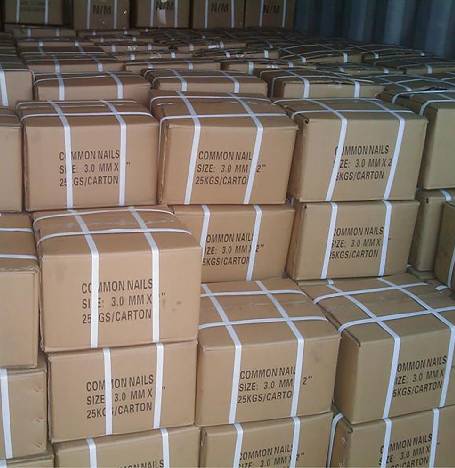
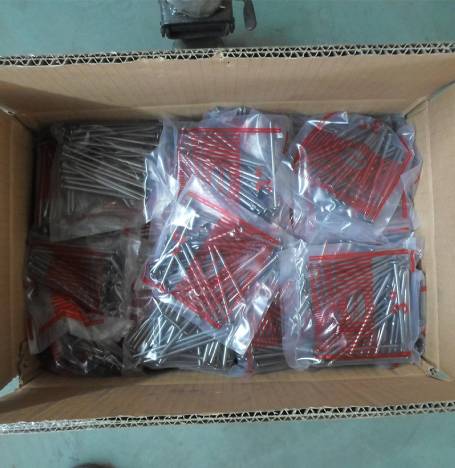
- Standard Packaging: Sturdy boxes or cartons in bulk quantities (10/20/25 kgs per carton) or smaller retail packages (1kg/plastic bag, 10/25 bags/carton).
- Custom Packaging: Branded packaging and retail display solutions tailored to client requirements.
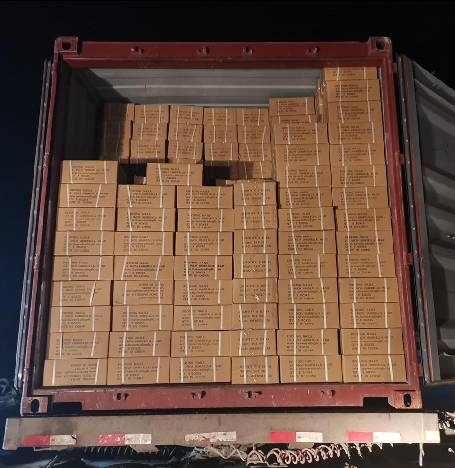
The product packaging ensures protection during shipping and facilitates easy handling. For more details, visit the common nails product page.
Frequently Asked Questions (FAQ)
Are you a manufacturer or a trader?
We are a common nails factory with over 20 years of experience, exporting since 2008.
How to make an inquiry?
Provide material, length, width, wire diameter, mesh size, and quantity. Special requirements can also be indicated.
How long is your lead time?
Lead time varies based on seasons and order quantity, typically 15-35 days (excluding shipping time).
What's your payment terms?
We prefer T/T 30% as deposit, balance against B/L copy. We also accept 100% LC at sight.
What is your MOQ?
MOQ is 2MT per size, with FCL and LCL shipment options.
Is sample available?
Yes, samples are free, but the buyer covers freight costs.
When can we get your reply?
We respond within 12 hours of receiving your inquiry.
Authoritative Citations
For further information on construction standards and material specifications, refer to the National Institute of Standards and Technology (NIST). NIST provides critical research and guidelines for construction materials, ensuring safety and quality in engineering practices.
Source: NIST.gov
-
Professional Guide to Choosing Nails for Wooden Fence PanelsNewsApr.16,2026
-
PING HONGLIN WIRE MESH CO.,LTD: African Clients Visit Factory, Deepen Cooperation to Build a Global Quality BenchmarkNewsApr.14,2026
-
Guide to Choosing the Best nails for wood trim for CarpentryNewsApr.09,2026
-
Recognized for Excellence: ANPING HONGLIN WIRE MESH Named Alibaba FY2026 TOP Transaction Merchant, Celebrating 35 Years of Manufacturing HeritageNewsApr.07,2026
-
HONGLIN WIRE MESH Showcases at WORLDBEX Philippines 2026, Earning Strong Recognition from Global Builders & DistributorsNewsApr.07,2026
-
Spanish Client Delegation Visits Our Factory for Exchange, Exploring New Cooperation Opportunities in Welded Wire ProductsNewsApr.07,2026


