
Comprehensive Guide to Choosing the Best Nails for Plywood Siding Projects
Choosing the Right Nails for Plywood Siding: A Comprehensive Guide
Selecting the correct nails for plywood siding is crucial for a secure, durable, and aesthetically pleasing result. The wrong nails can lead to premature failure, water damage, and costly repairs. This guide will explore the different types of nails available, key considerations when choosing, and best practices for installation. We’ll cover everything from nail materials and coatings to shank types and lengths to help you make the best decision for your project. Ensuring you have the right nails will help you achieve a long-lasting and beautiful siding installation.
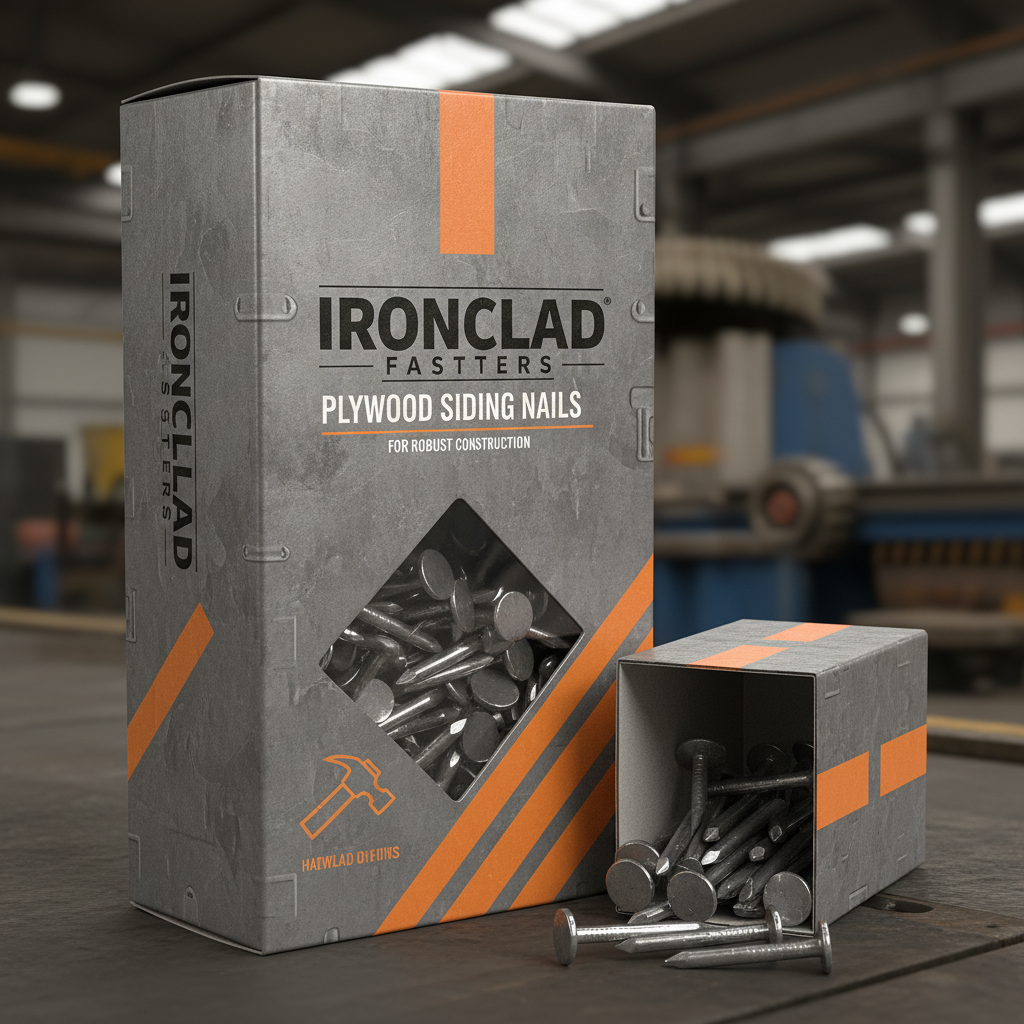
Understanding Different Types of Nails for Plywood Siding
Several nail types are suitable for plywood siding, each offering different advantages. Common options include galvanized nails, stainless steel nails, aluminum nails, and ring shank nails. Iron Wire Factory offers a wide range of these options, catering to diverse needs and budget constraints. The choice depends on factors like the siding material, climate, and desired lifespan of the installation. Consider the potential for corrosion, especially in coastal areas or regions with harsh winters. Investing in higher-quality nails upfront can save you significant costs in the long run by preventing premature failure and costly replacements.
Key Takeaway: Selecting the correct nail type is paramount for siding longevity. Consider corrosion resistance and the climate when making your decision.
Galvanized vs. Stainless Steel Nails: A Detailed Comparison
Galvanized nails are a popular choice due to their cost-effectiveness and decent corrosion resistance. They’re coated with zinc to protect against rust. However, the zinc coating can eventually wear away, especially in acidic environments. Stainless steel nails, on the other hand, offer superior corrosion resistance, making them ideal for coastal areas or applications where exposure to moisture is high. While more expensive upfront, their extended lifespan often makes them a more economical choice in the long run. Iron Wire Factory's stainless steel nails are engineered for exceptional durability.
Nail Comparison:
• Galvanized Nails: Cost-effective, moderate corrosion resistance.
• Stainless Steel Nails: Higher cost, superior corrosion resistance, longer lifespan.
• Aluminum Nails: Lightweight, corrosion-resistant, but less strong than steel options.
Nail Shank Types and Their Impact on Holding Power
The shank of the nail – the body between the head and the point – significantly impacts its holding power. Smooth shank nails are the most common and economical, but they offer the least holding power. Ring shank nails, featuring rings along the shank, provide significantly increased resistance to pull-out. Screw shank nails offer even greater holding power, twisting as they’re driven in for a locking effect. For plywood siding, ring shank nails are generally recommended to ensure a secure and long-lasting installation. The enhanced grip prevents the siding from loosening over time due to wind, temperature changes, or other stressors.
Selecting the Right Nail Length for Plywood Siding
Proper nail length is essential for a secure and durable siding installation. The general rule is to penetrate the framing member (stud or sheathing) by at least 1.5 inches. For typical plywood siding with a thickness of ½ inch to ¾ inch, a 2-inch to 2.5-inch nail is usually appropriate. However, the exact length may vary depending on the thickness of the siding and the framing material. Iron Wire Factory can provide expert advice on selecting the optimal nail length for your specific project.
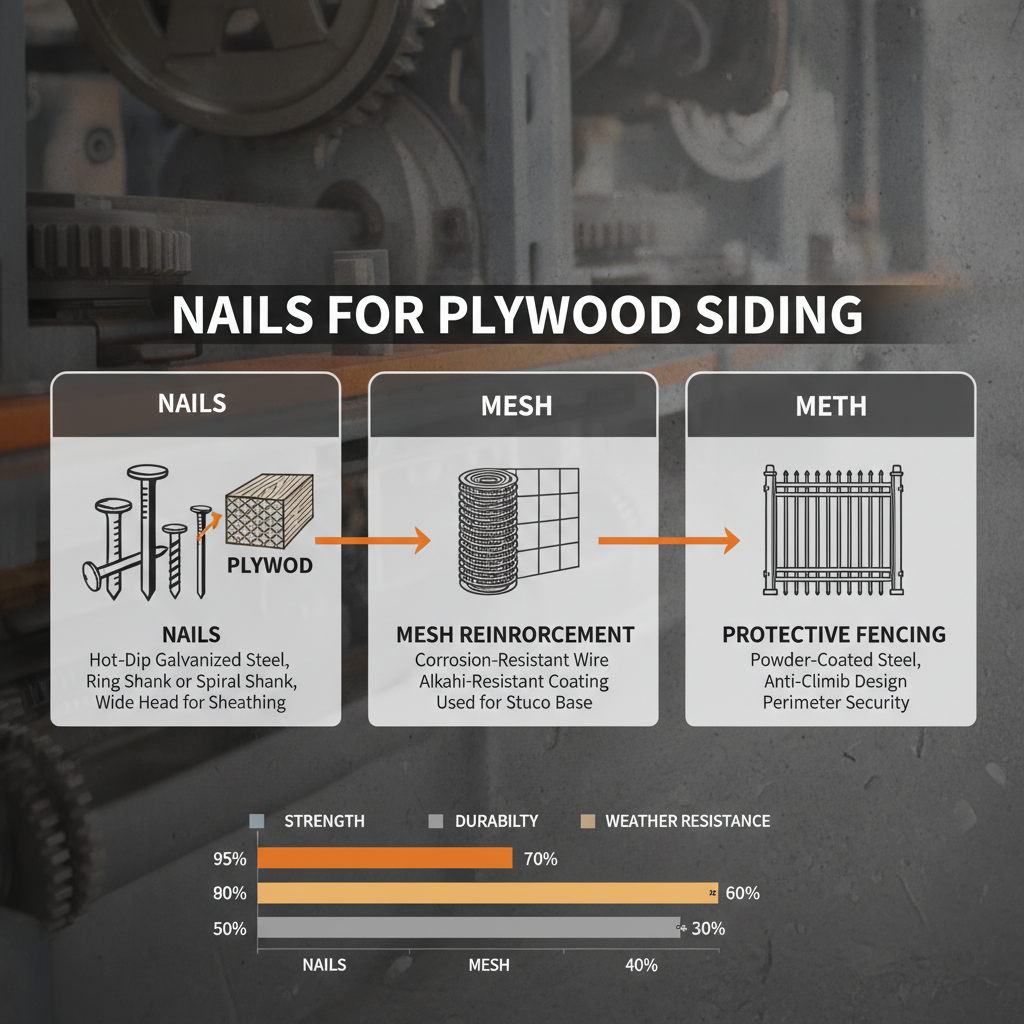
Best Practices for Installing Nails in Plywood Siding
Proper installation is just as important as choosing the right nails. Drive nails straight and flush with the siding surface, avoiding overdriving, which can damage the wood. Maintain consistent spacing – typically 6 to 8 inches apart – for even distribution of force. Stagger nails to prevent splitting, and avoid nailing too close to the edges of the plywood. Use a nail gun for faster and more consistent results, ensuring proper depth control. Always wear appropriate safety gear, including eye protection.
Conclusion: Ensuring a Lasting Siding Installation
Choosing the right nails for plywood siding is a critical investment in the longevity and structural integrity of your project. By considering the material, climate, shank type, and length, you can ensure a secure, durable, and aesthetically pleasing result. Iron Wire Factory is committed to providing high-quality nails and expert advice to help you achieve a successful installation.
Frequently Asked Questions (FAQs)
What is the best nail gauge for plywood siding?
The most common nail gauge for plywood siding is 6d (0.113 inch diameter) or 8d (0.131 inch diameter). The choice depends on the thickness of the siding and the strength of the framing material. 6d nails are generally sufficient for thinner siding, while 8d nails offer greater holding power for thicker siding or more demanding applications. It’s essential to use a nail gauge appropriate for the siding’s thickness to ensure a secure attachment without causing splitting.
How do I prevent nail pops in plywood siding?
Nail pops, where nails work their way out of the siding, can be prevented by using ring shank or screw shank nails, which provide greater holding power. Proper nail spacing and avoiding overdriving the nails are also crucial. Ensuring the plywood is adequately supported and that the framing members are in good condition will also minimize the risk of nail pops. Using high-quality nails that resist corrosion also contributes to long-term stability.
Can I use a nail gun for plywood siding installation?
Yes, a nail gun can significantly speed up the installation process and provide more consistent results. However, it's crucial to use a nail gun with adjustable depth control to avoid overdriving the nails. Ensure the nail gun is compatible with the type and gauge of nails you’re using. Always follow the manufacturer's instructions for safe operation.
What should I do if I encounter a knot in the plywood while nailing?
Knots are naturally harder areas in the plywood. When encountering a knot, pre-drill a small pilot hole before driving the nail to prevent splitting. This will allow the nail to penetrate the knot more easily and maintain the structural integrity of the siding. Be cautious when nailing near knots, and consider using a slightly offset nailing pattern if necessary.
-
Professional Guide to Choosing Nails for Wooden Fence PanelsNewsApr.16,2026
-
PING HONGLIN WIRE MESH CO.,LTD: African Clients Visit Factory, Deepen Cooperation to Build a Global Quality BenchmarkNewsApr.14,2026
-
Guide to Choosing the Best nails for wood trim for CarpentryNewsApr.09,2026
-
Recognized for Excellence: ANPING HONGLIN WIRE MESH Named Alibaba FY2026 TOP Transaction Merchant, Celebrating 35 Years of Manufacturing HeritageNewsApr.07,2026
-
HONGLIN WIRE MESH Showcases at WORLDBEX Philippines 2026, Earning Strong Recognition from Global Builders & DistributorsNewsApr.07,2026
-
Spanish Client Delegation Visits Our Factory for Exchange, Exploring New Cooperation Opportunities in Welded Wire ProductsNewsApr.07,2026


