
Comprehensive Guide to Galvanized Common Nails for Construction Projects
Galvanized Common Nails: A Comprehensive Guide
When undertaking construction, repair, or woodworking projects, the right fasteners are crucial. Galvanized common nails are a versatile and reliable choice for a wide array of applications. This article will delve into the specifics of galvanized common nails, covering their properties, uses, benefits, and what to look for when purchasing. We'll also explore why choosing the right nail can significantly impact the longevity and structural integrity of your projects.
Understanding Galvanized Common Nails
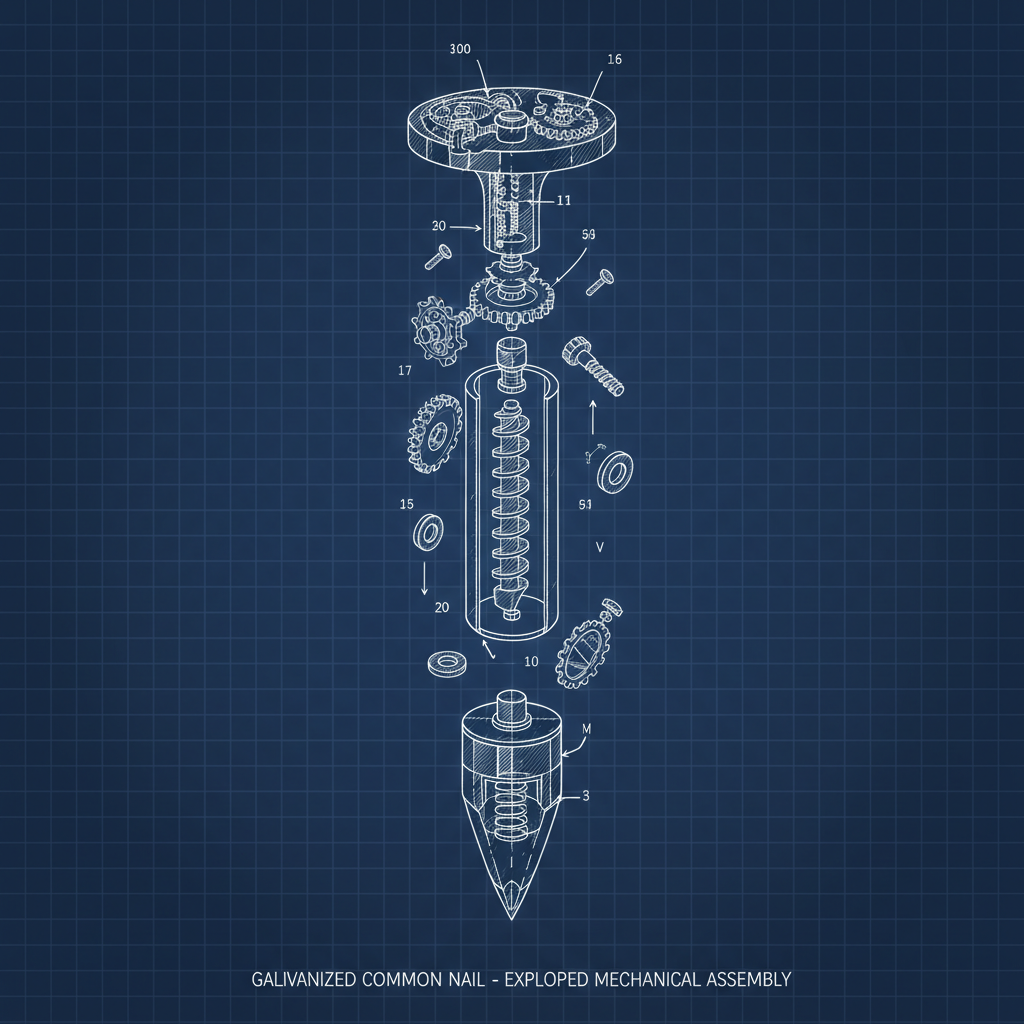
Galvanized common nails are characterized by their thick shank, large head, and diamond point. The "common" designation refers to their widespread use in general construction and framing. The key feature, however, is the galvanization process. This involves coating the steel nail with a layer of zinc, which acts as a barrier against corrosion. This makes them ideal for both indoor and outdoor projects, particularly where exposure to moisture is a concern. Iron Wire Factory offers a wide range of sizes and quantities to meet diverse needs.
Key Highlights: Galvanization provides exceptional corrosion resistance. The thick shank offers superior holding power. Diamond point ensures easy starting and reduces wood splitting.
Common Applications of Galvanized Nails
Galvanized common nails are incredibly versatile and find use in countless applications. These include framing walls, building fences, constructing sheds, general carpentry, and repairing decks. Their robustness makes them suitable for both softwood and hardwood, although pre-drilling may be necessary for exceptionally dense woods to prevent splitting. The corrosion resistance is particularly valuable in exterior projects like fencing and outdoor structures. For example, when building a fence exposed to the elements, galvanized nails will significantly outlast standard steel nails.
Application Benefits:
• Framing walls and roofs
• Building fences and outdoor structures
• General carpentry and repairs
• Deck construction and maintenance
Galvanized Common Nails vs. Other Nail Types
While various nail types are available, galvanized common nails stand out for their specific advantages. Compared to smooth nails, the ring shank of common nails provides significantly better holding power. Compared to box nails, common nails are stronger and better suited for structural applications. And compared to standard steel nails, the galvanization offers superior resistance to rust and corrosion. Here’s a quick comparison:
Choosing the Right Size Galvanized Common Nail
Galvanized common nails are available in various lengths and gauges (thickness). The appropriate size depends on the thickness of the materials being joined. As a general rule, at least one-third of the nail’s length should penetrate the base material for a secure hold. Iron Wire Factory provides a helpful guide to nail sizing based on wood thickness on their website. Using the wrong size can compromise the structural integrity of your project.
Where to Buy High-Quality Galvanized Common Nails
When sourcing galvanized common nails, it’s crucial to choose a reputable supplier. Iron Wire Factory is a leading manufacturer and distributor, offering competitive pricing, bulk discounts, and reliable delivery. We pride ourselves on providing high-quality nails that meet industry standards.
Conclusion: Building Strong Foundations with the Right Nails
Choosing the right nails is a vital aspect of any construction or repair project. Galvanized common nails offer a superior combination of strength, durability, and corrosion resistance. By investing in high-quality nails from a trusted supplier like Iron Wire Factory, you can ensure the longevity and structural integrity of your work.
Frequently Asked Questions (FAQs)
What does “galvanized” mean in relation to nails?
Galvanized refers to a process where a protective zinc coating is applied to steel. This coating prevents rust and corrosion, significantly extending the nail’s lifespan, especially in outdoor or moisture-rich environments. The zinc acts as a sacrificial anode, corroding before the steel itself. This makes galvanized nails ideal for projects exposed to the elements, providing long-lasting holding power and structural integrity.
Are galvanized nails suitable for pressure-treated lumber?
Yes, galvanized nails are generally suitable for use with pressure-treated lumber, however, it is recommended to use stainless steel or specifically coated nails designed for pressure treated wood. Pressure-treated lumber contains chemicals to prevent decay and insect damage, which can corrode standard steel nails over time. While galvanization offers some protection, the chemicals can still accelerate corrosion. For maximum longevity, stainless steel nails are the best choice for pressure-treated wood, but galvanized nails provide a cost-effective alternative for many applications.
How can I prevent galvanized nails from bending when hammering?
Bending can occur if you’re using nails that are too thin for the wood’s density or if you’re hammering at an angle. Ensure you’re using the correct gauge nail for the material. Start the nail straight and apply even pressure when hammering. If you encounter resistance, consider pre-drilling a pilot hole to guide the nail and reduce the risk of bending. A sharp nail also helps; dull nails require more force and are more likely to bend.
-
Professional Guide to Choosing Nails for Wooden Fence PanelsNewsApr.16,2026
-
PING HONGLIN WIRE MESH CO.,LTD: African Clients Visit Factory, Deepen Cooperation to Build a Global Quality BenchmarkNewsApr.14,2026
-
Guide to Choosing the Best nails for wood trim for CarpentryNewsApr.09,2026
-
Recognized for Excellence: ANPING HONGLIN WIRE MESH Named Alibaba FY2026 TOP Transaction Merchant, Celebrating 35 Years of Manufacturing HeritageNewsApr.07,2026
-
HONGLIN WIRE MESH Showcases at WORLDBEX Philippines 2026, Earning Strong Recognition from Global Builders & DistributorsNewsApr.07,2026
-
Spanish Client Delegation Visits Our Factory for Exchange, Exploring New Cooperation Opportunities in Welded Wire ProductsNewsApr.07,2026


