
Comprehensive Guide to Large Wood Nails for Robust Woodworking Projects
Understanding Large Wood Nails: A Comprehensive Guide
When undertaking woodworking projects, particularly those involving structural integrity or exterior applications, the choice of fastener is paramount. Large wood nails offer a robust and time-tested solution for securing timber, providing a strong hold without splitting the wood. This guide delves into the properties, applications, types, and benefits of large wood nails, helping you select the right fastener for your specific needs. Understanding these essential components ensures the longevity and safety of your projects. Iron Wire Factory specializes in providing high-quality large wood nails for a variety of applications.
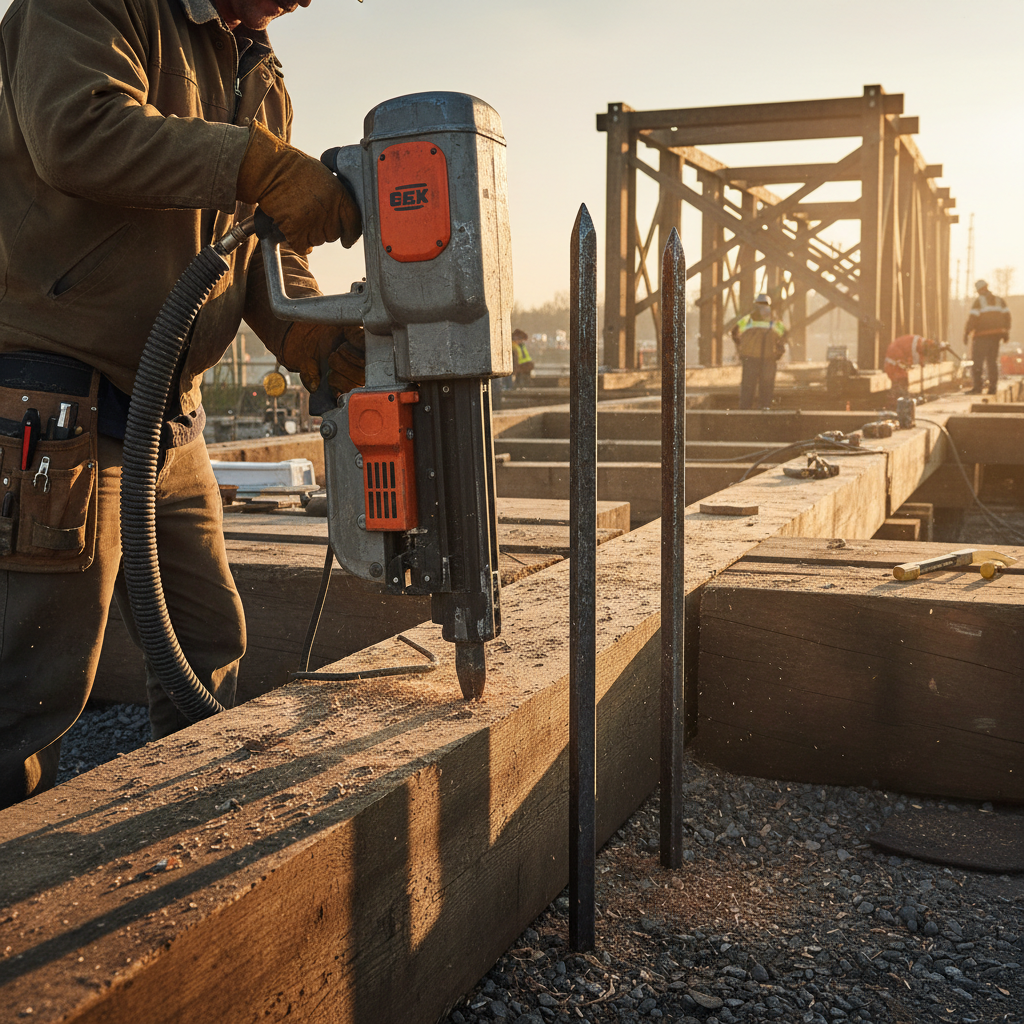
What are Large Wood Nails and Why Choose Them?
Large wood nails, as the name suggests, are significantly larger in diameter and length than conventional nails. They're typically constructed from high-carbon steel, providing exceptional strength and resistance to bending. Unlike screws, nails displace wood fibers rather than cutting through them, minimizing the risk of splitting, especially in hardwoods. This makes them ideal for applications where preserving the aesthetic integrity of the wood is crucial. The shear strength of large wood nails, coupled with their resistance to pull-out, makes them a preferred choice for structural connections. Furthermore, they are often more cost-effective than screws for large-scale projects.
Key Advantages: Exceptional strength, minimizes wood splitting, cost-effective for large projects, provides a robust and lasting connection.
Types of Large Wood Nails
Several types of large wood nails cater to specific applications. Common types include:
- Common Nails: These feature a smooth shank and a broad head, offering a strong, general-purpose hold.
- Box Nails: With a thinner shank than common nails, box nails reduce the risk of splitting delicate wood.
- Ring Shank Nails: Featuring rings along the shank, ring shank nails provide superior holding power due to increased friction. Ideal for applications where pull-out resistance is critical.
- Screw Nails: A hybrid between nails and screws, screw nails have a twisted shank providing excellent holding strength.
The choice of nail type depends on the wood species, the application's structural requirements, and desired aesthetic outcome. Consulting with a woodworking professional can help determine the most suitable option for your project. Iron Wire Factory offers a wide selection of each of these types.
Large Wood Nails vs. Screws: A Comparative Analysis
While both large wood nails and screws serve the purpose of joining wood, they differ significantly in their characteristics and suitability. Screws offer greater holding power and are easily removable, making them ideal for projects requiring frequent disassembly. However, screws require pre-drilling to prevent splitting, and they can be more time-consuming to install, especially in large quantities. Large wood nails, on the other hand, are quicker to install and minimize the risk of splitting, but they are more difficult to remove and offer less holding power than screws. The following table illustrates a more detailed comparison:
Common Applications for Large Wood Nails
Large wood nails find widespread use in various construction and woodworking projects, including:
- Timber Framing: Providing robust connections in post-and-beam structures.
- Decking: Securing deck boards to joists, offering a durable and long-lasting hold.
- Fencing: Constructing sturdy fences that can withstand the elements.
- Barn Construction: Essential for building and repairing barns and other agricultural structures.
- Heavy Timber Construction: Used in building projects using large wooden beams.
These applications require fasteners that can withstand significant stress and environmental factors. The strength and durability of large wood nails make them a reliable choice in these scenarios.
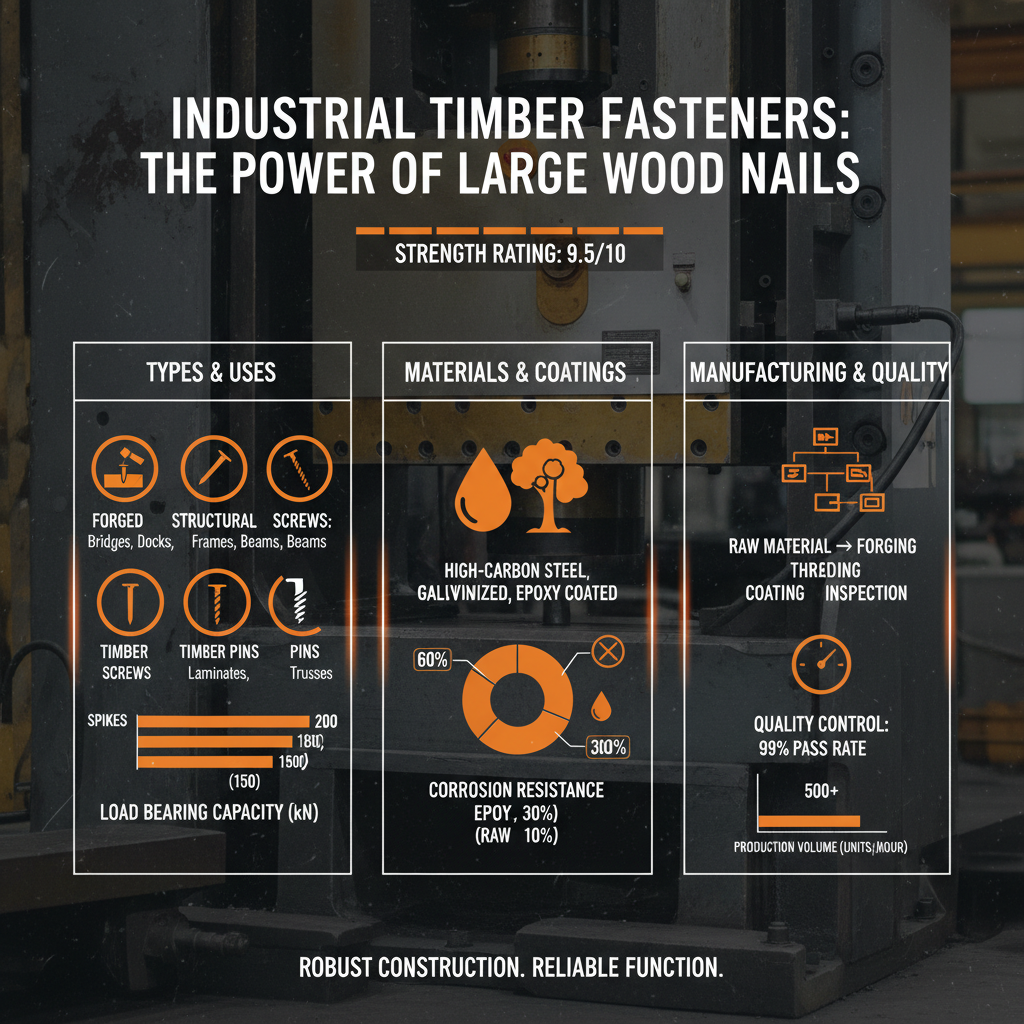
Selecting the Right Size and Finish
Choosing the appropriate size and finish is crucial for optimal performance. Nail length should typically be at least three times the thickness of the wood being fastened. For exterior applications, galvanized or stainless steel nails are recommended to prevent rust and corrosion. The gauge (diameter) of the nail should be selected based on the wood's hardness – softer woods require smaller gauges, while hardwoods require larger gauges. Iron Wire Factory provides detailed specifications for all our large wood nails to help you make informed decisions.
Conclusion: Building Strong Foundations with Large Wood Nails
Large wood nails remain a vital component in woodworking and construction. Their strength, durability, and cost-effectiveness make them a reliable choice for a wide range of applications. By understanding the different types, sizes, and finishes available, you can ensure your projects are built to last. Iron Wire Factory is committed to providing high-quality large wood nails to meet your project needs.
Frequently Asked Questions (FAQs)
What is the best way to prevent wood splitting when using large wood nails?
To minimize splitting, especially in hardwoods, consider using box nails with a thinner shank. Pre-drilling pilot holes slightly smaller than the nail diameter is also highly recommended. Clinching the nail (bending over the protruding point on the opposite side of the wood) can further enhance holding power and prevent withdrawal, but requires skill. Always drive nails straight to avoid angled stress on the wood fibers. Using the correct nail size for the wood’s thickness will also help prevent splitting.
Are large wood nails suitable for outdoor projects?
Yes, but it's crucial to choose the right material. For outdoor projects, always use galvanized or stainless steel large wood nails. These coatings provide excellent resistance to rust and corrosion, ensuring the longevity of your project. Avoid using carbon steel nails outdoors, as they will quickly deteriorate when exposed to moisture and the elements.
What is the difference between a ring shank nail and a common nail?
The primary difference lies in the shank. A common nail has a smooth shank, while a ring shank nail features a series of rings along its length. These rings significantly increase friction between the nail and the wood fibers, providing dramatically superior holding power and resistance to pull-out. Ring shank nails are ideal for applications where a secure and lasting connection is critical, such as decking or framing.
How do I determine the correct nail length for my project?
A general rule of thumb is that the nail length should be at least three times the thickness of the wood you are fastening. For example, if you are joining two pieces of 1-inch thick wood, the nail should be at least 3 inches long. However, consider the wood species and application. Harder woods may require slightly longer nails. You also want to ensure enough nail penetrates the receiving piece of wood to provide a secure hold.
-
Professional Guide to Choosing Nails for Wooden Fence PanelsNewsApr.16,2026
-
PING HONGLIN WIRE MESH CO.,LTD: African Clients Visit Factory, Deepen Cooperation to Build a Global Quality BenchmarkNewsApr.14,2026
-
Guide to Choosing the Best nails for wood trim for CarpentryNewsApr.09,2026
-
Recognized for Excellence: ANPING HONGLIN WIRE MESH Named Alibaba FY2026 TOP Transaction Merchant, Celebrating 35 Years of Manufacturing HeritageNewsApr.07,2026
-
HONGLIN WIRE MESH Showcases at WORLDBEX Philippines 2026, Earning Strong Recognition from Global Builders & DistributorsNewsApr.07,2026
-
Spanish Client Delegation Visits Our Factory for Exchange, Exploring New Cooperation Opportunities in Welded Wire ProductsNewsApr.07,2026


