
Comprehensive Guide to Selecting the Best Nails for Pressure Treated Lumber
Choosing the Right Nails for Pressure Treated Lumber
Pressure treated lumber is a fantastic choice for outdoor projects, offering resistance to rot, decay, and insects. However, using the wrong type of nails for pressure treated lumber can lead to premature failure and costly repairs. This article will guide you through the essential considerations for selecting the best nails, ensuring your outdoor structures stand the test of time. We'll cover the chemical interactions, nail materials, and specific types ideal for various applications. Properly secured, your projects will last for years to come.
Understanding the Challenges with Pressure Treated Lumber
Pressure treated lumber contains chemical preservatives to protect it from the elements. These chemicals, traditionally chromated copper arsenate (CCA) but now more commonly alkaline copper quaternary (ACQ), copper azole (CA), and micronized copper azole (MCA), can react with certain metals, causing corrosion. This corrosion weakens the nails, leading to loose connections and structural instability. It’s critical to choose nails specifically designed to withstand these chemical interactions. The type of preservative used can influence the best nail choice; understanding this is key to long-lasting results.
Important Note: Always check the lumber's tag to identify the specific chemical treatment used. This will inform your nail selection.
The Best Nail Materials for Pressure Treated Lumber
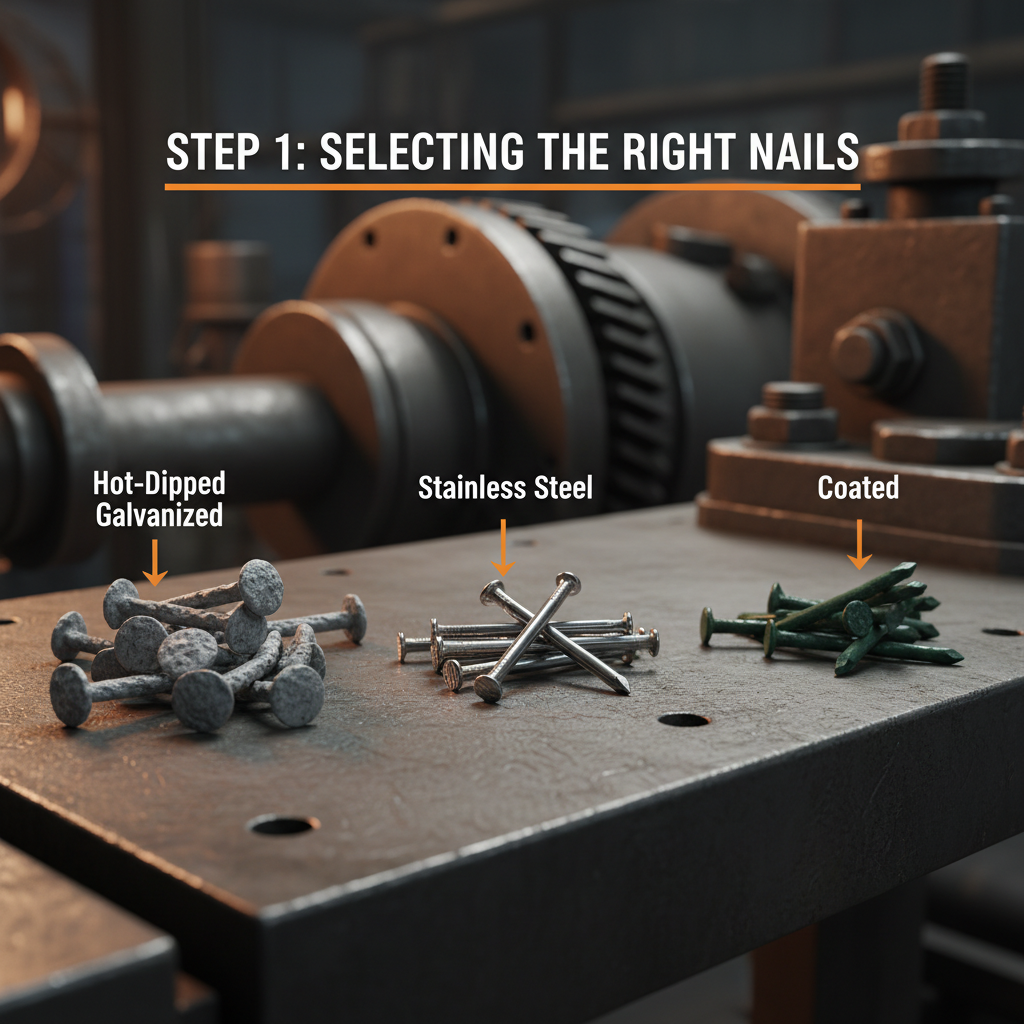
When it comes to nails for pressure treated lumber, certain materials hold up much better than others. Hot-dipped galvanized nails are a common and reliable choice, offering a thick zinc coating that provides excellent corrosion resistance. Stainless steel nails are the premium option, providing superior protection against corrosion, even in harsh environments. Aluminum nails are also a viable option, particularly for coastal areas where saltwater exposure is a concern. Avoid using standard steel nails, as they will rapidly corrode and fail.
Material Comparison:
• Hot-dipped Galvanized: Excellent corrosion resistance, cost-effective.
• Stainless Steel: Superior corrosion resistance, highest cost.
• Aluminum: Good corrosion resistance, lightweight.
• Steel: Avoid – Rapid corrosion and failure.
Types of Nails for Different Applications
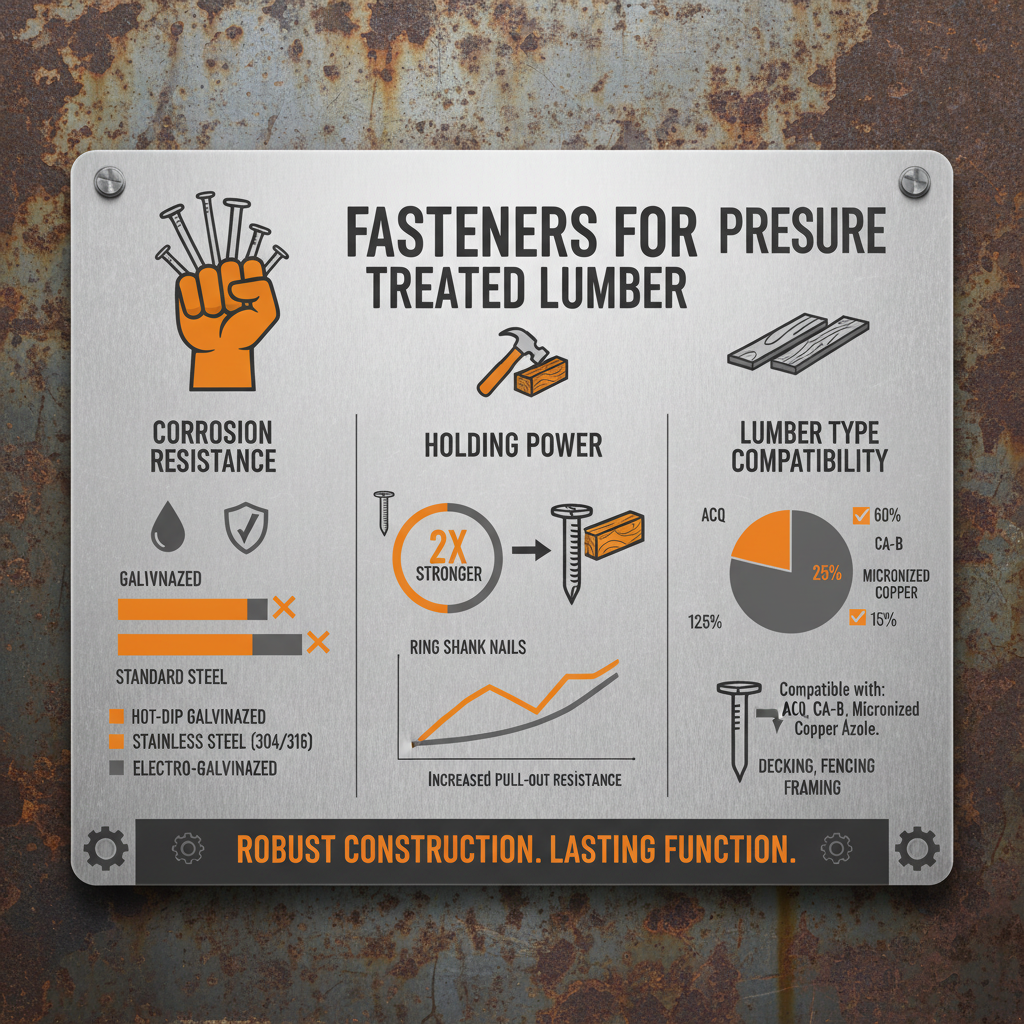
The best type of nail also depends on the specific application. For general framing and structural connections, 8d or 10d hot-dipped galvanized nails are typically sufficient. For decking, using screws is often recommended for superior holding power and reduced splitting. However, if you prefer nails, choose ring-shank or screw-shank nails, which offer increased pull-out resistance. When building fences, consider using nails with a larger head for a stronger grip. Always pre-drill holes when nailing close to the edge of the lumber to prevent splitting.
Factors Affecting Nail Longevity
Beyond material and type, several factors can impact how long your nails will last. Moisture content in the wood plays a role – consistently wet lumber will accelerate corrosion. Exposure to salt air, common in coastal areas, demands higher corrosion resistance, making stainless steel or aluminum the best choices. Proper nail driving technique is also crucial; avoid bending or damaging the nail during installation. Regularly inspect your structures for signs of corrosion and replace any compromised nails promptly.
Product Specifications - Iron Wire Factory Nails
At Iron Wire Factory, we offer a comprehensive range of nails specifically designed for pressure treated lumber. Here’s a quick overview:
Conclusion: Investing in the Right Fasteners for Long-Lasting Results
Choosing the correct nails for pressure treated lumber is a small investment that yields significant long-term benefits. By understanding the chemical interactions, selecting appropriate materials, and considering the specific application, you can ensure the durability and safety of your outdoor projects. Don't compromise on quality – choose Iron Wire Factory for reliable fasteners that will stand the test of time.
Frequently Asked Questions (FAQs)
Can I use regular steel nails with pressure treated lumber if I apply a sealant?
While a sealant might offer some temporary protection, it is strongly discouraged to use regular steel nails with pressure treated lumber, even with sealant application. The chemical preservatives will still corrode the steel over time, compromising the nail's integrity and eventually leading to structural failure. Sealant can provide a barrier for a limited period, but it won’t prevent the long-term corrosive effects. Always use nails specifically designed for pressure treated lumber, such as hot-dipped galvanized or stainless steel nails, to ensure lasting structural integrity.
What’s the difference between ACQ and MCA treated lumber, and does it affect nail choice?
Both ACQ (alkaline copper quaternary) and MCA (micronized copper azole) are common alternatives to CCA for pressure treating lumber. MCA is generally considered less corrosive than ACQ. While both require corrosion-resistant fasteners, MCA offers a slightly wider margin for error. However, it’s still best practice to use hot-dipped galvanized or stainless steel nails with either type. For particularly demanding applications or in coastal environments, stainless steel is always the preferred choice, regardless of the specific treatment used.
Are screws a better option than nails for pressure treated lumber?
In many cases, screws are a superior option to nails for pressure treated lumber, particularly for decking and applications where strong holding power is crucial. Screws offer greater resistance to pull-out and provide a tighter connection. They also minimize splitting, especially in harder wood species. When using screws, choose those specifically designed for outdoor use and made from corrosion-resistant materials like stainless steel or coated deck screws. While nails can be suitable for certain applications, screws generally provide a more reliable and long-lasting fastening solution.
-
Professional Guide to Choosing Nails for Wooden Fence PanelsNewsApr.16,2026
-
PING HONGLIN WIRE MESH CO.,LTD: African Clients Visit Factory, Deepen Cooperation to Build a Global Quality BenchmarkNewsApr.14,2026
-
Guide to Choosing the Best nails for wood trim for CarpentryNewsApr.09,2026
-
Recognized for Excellence: ANPING HONGLIN WIRE MESH Named Alibaba FY2026 TOP Transaction Merchant, Celebrating 35 Years of Manufacturing HeritageNewsApr.07,2026
-
HONGLIN WIRE MESH Showcases at WORLDBEX Philippines 2026, Earning Strong Recognition from Global Builders & DistributorsNewsApr.07,2026
-
Spanish Client Delegation Visits Our Factory for Exchange, Exploring New Cooperation Opportunities in Welded Wire ProductsNewsApr.07,2026


