
Comprehensive Guide to Selecting the Best Nails for Wood Furniture Projects
Choosing the Right Nails for Wood Furniture: A Comprehensive Guide
Selecting the appropriate nails for wood furniture is crucial for a durable and aesthetically pleasing result. Different wood types, furniture styles, and construction techniques require specific nail characteristics. This article will guide you through the essential considerations when choosing nails, covering types, sizes, finishes, and best practices for achieving professional-quality woodworking. Understanding these factors will ensure your furniture projects stand the test of time.
Understanding Different Types of Nails for Wood Furniture
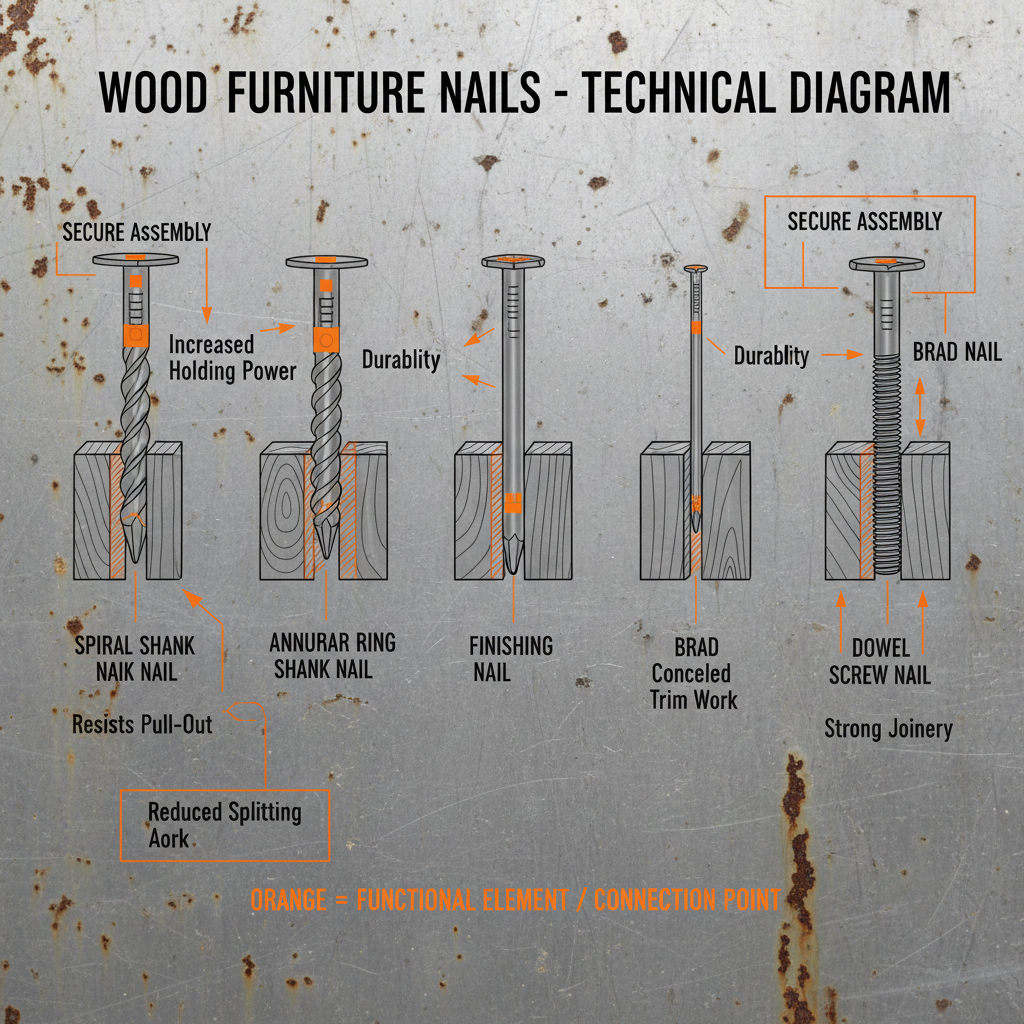
There's a wide variety of nails available, each designed for specific purposes. Brad nails are slender with small heads, ideal for delicate trim work and securing thin pieces of wood. Finishing nails have slightly larger heads and are suitable for more visible applications where a subtle nail head is acceptable. Box nails have a thinner shank and are good for general carpentry and attaching boards. Cut nails are square-cut and provide excellent holding power, often used in older furniture construction. Knowing the differences will allow you to choose the best option for your project. We at Iron Wire Factory stock a diverse selection to meet any need.
Key Takeaway: The type of nail significantly impacts the strength, visibility, and overall aesthetic of your furniture project.
Choosing the Right Nail Size for Your Furniture
Nail size is specified by two numbers: the penny size (d), indicating the diameter, and the length in inches. A higher penny size means a thicker nail. The general rule of thumb is to select a nail length that penetrates at least two-thirds of the way through the second piece of wood being joined. For example, when joining 1-inch thick wood, a 2-inch nail would be appropriate. Using nails that are too short won't provide adequate holding power, while nails that are too long can protrude and be unsightly. Consider the wood's density as well - hardwoods require longer, stronger nails than softwoods.
Nail Size Considerations:
• Penetrate at least two-thirds of the second wood piece.
• Use longer nails for hardwoods.
• Avoid protruding nails.
• Consider the thickness of materials being joined.
Comparing Nails for Wood Furniture: A Detailed Breakdown
Understanding the strengths and weaknesses of different nail types is essential. Here's a comparison table to help you choose:
Nail Finishes and Corrosion Resistance
Nail finishes affect both appearance and corrosion resistance. Bright nails are the most common and are suitable for interior projects. Galvanized nails are coated with zinc for rust protection and are ideal for outdoor furniture or humid environments. Stainless steel nails offer the highest corrosion resistance and are recommended for marine applications or furniture exposed to harsh conditions. Choosing the correct finish is crucial for ensuring the longevity of your furniture.
Best Practices for Using Nails in Wood Furniture
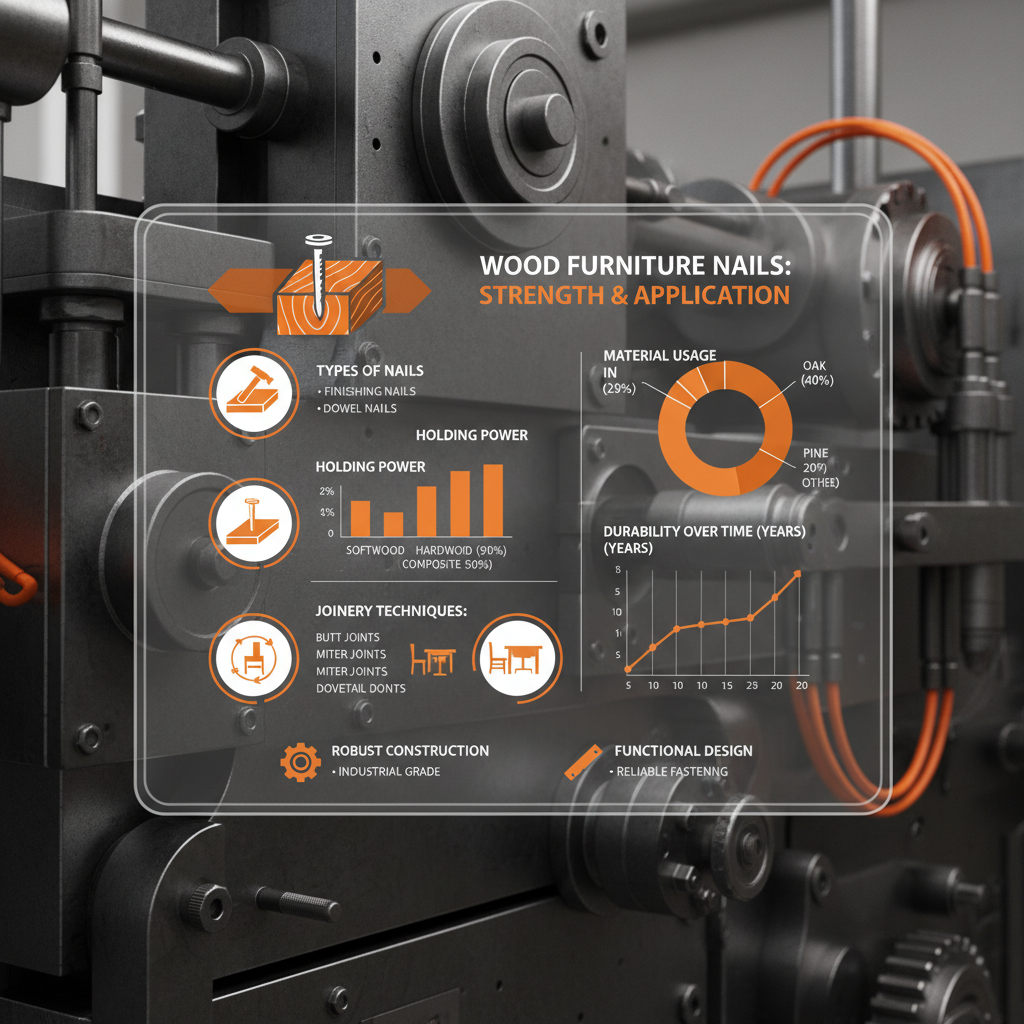
To prevent splitting and ensure a secure hold, always pre-drill pilot holes, especially when working with hardwoods. Use a nail set to countersink the nail head below the surface. Fill nail holes with wood filler that matches the wood's color, sand smooth, and finish with a stain or varnish. Proper technique and attention to detail will result in a professional-looking, durable piece of furniture. You can find high-quality tools and materials at Iron Wire Factory.
Conclusion: Building Strong Foundations with the Right Nails
Choosing the right nails for wood furniture is a fundamental aspect of successful woodworking. By understanding the different types, sizes, finishes, and best practices outlined in this guide, you can ensure your furniture projects are both aesthetically pleasing and structurally sound. Invest in quality nails and tools for lasting results.
Frequently Asked Questions (FAQs)
What’s the difference between a brad nailer and a finishing nailer?
While both nailers drive small-gauge nails, brad nailers use 18-gauge nails, which are thinner and leave a virtually invisible hole, ideal for delicate trim. Finishing nailers utilize 15-gauge nails which are thicker and provide a stronger hold, suitable for attaching moldings and casing where some visibility is acceptable. The choice depends on the project's requirements for strength versus aesthetics.
Can I use power nailers with all types of wood?
Yes, but adjustments are necessary. For hardwoods, use a higher air pressure setting and pre-drill pilot holes to prevent splitting. For softwoods, reduce the air pressure to avoid damaging the wood. Always test the nailer on a scrap piece of wood before starting your project. Always wear appropriate safety glasses when using a nailer.
How do I prevent nails from bending when driving them into hardwood?
Bending nails are usually caused by attempting to drive them into wood without sufficient lubrication or using nails that are too thick. Using beeswax or soap on the nail shank can help it glide smoothly. Also, ensure you're using the correct nail type and size for the hardwood you’re working with. Pre-drilling pilot holes is also key.
What is the best way to remove old nails from furniture?
The best method depends on the nail's condition. If the nail head is visible, use a nail puller or claw hammer to carefully remove it. If the nail is rusted or the head is broken, use a nail set and a punch to drive the nail further into the wood, or carefully drill it out. Be cautious to avoid damaging the surrounding wood.
-
Professional Guide to Choosing Nails for Wooden Fence PanelsNewsApr.16,2026
-
PING HONGLIN WIRE MESH CO.,LTD: African Clients Visit Factory, Deepen Cooperation to Build a Global Quality BenchmarkNewsApr.14,2026
-
Guide to Choosing the Best nails for wood trim for CarpentryNewsApr.09,2026
-
Recognized for Excellence: ANPING HONGLIN WIRE MESH Named Alibaba FY2026 TOP Transaction Merchant, Celebrating 35 Years of Manufacturing HeritageNewsApr.07,2026
-
HONGLIN WIRE MESH Showcases at WORLDBEX Philippines 2026, Earning Strong Recognition from Global Builders & DistributorsNewsApr.07,2026
-
Spanish Client Delegation Visits Our Factory for Exchange, Exploring New Cooperation Opportunities in Welded Wire ProductsNewsApr.07,2026


