
Crimped Wire Mesh: Heavy-Duty, Custom Sizes—Ready to Ship?
A Field Note on Crimped Wire Mesh
I’ve walked more than a few factory floors, and—strangely satisfying as it sounds—watching a wire get crimped, woven, leveled, and turned into rugged screening never gets old. Demand for Crimped Wire Mesh is quietly rising across mining, aggregates, and even decor. The trend? Heavier gauges, tighter aperture consistency, and smarter finishing (galvanized or 316 stainless) to extend service life without blowing budgets.
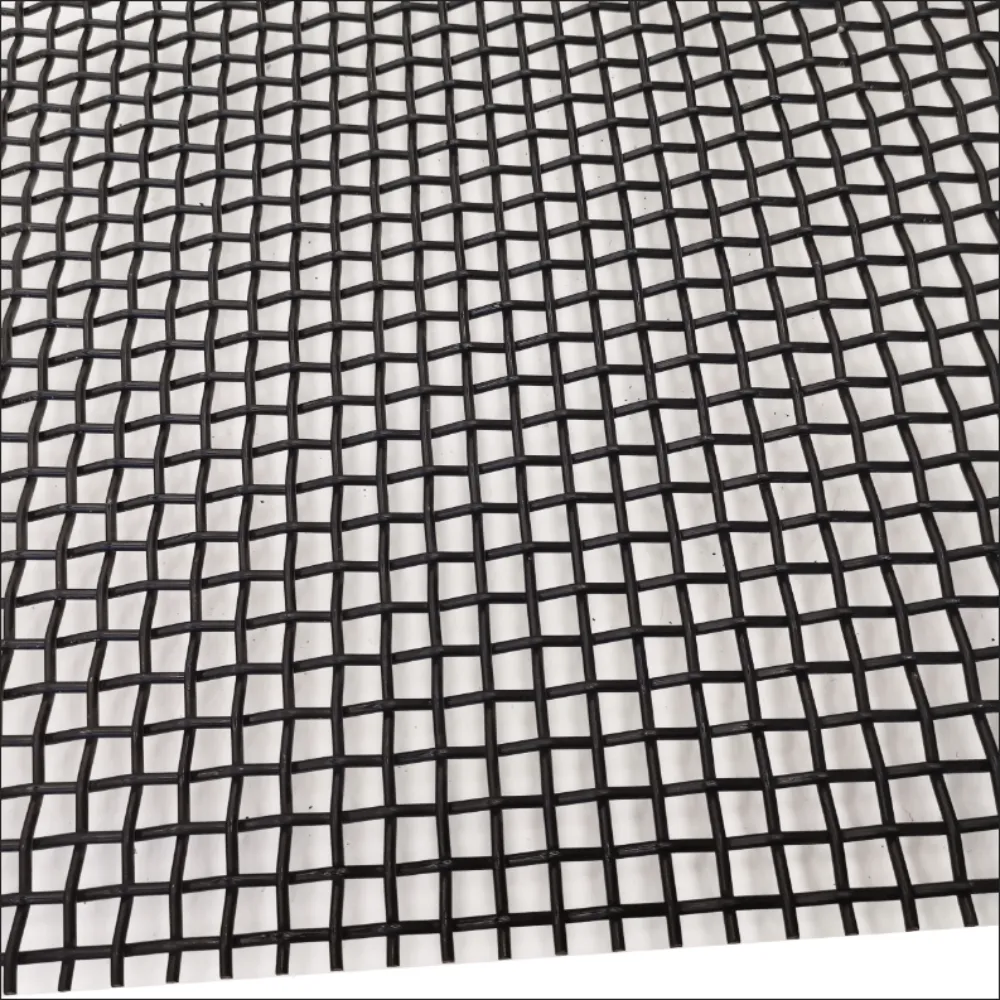
Quick Specs (real-world use may vary)
| Materials | Stainless (304/316), high-carbon steel, galvanized steel |
| Wire diameter | 3–20 mm |
| Mesh size (opening) | ≈ 20×20 mm (custom on request) |
| Width | 0.5–2.5 m |
| Length | 5–30.5 m (panels or rolls) |
| Crimp styles | Plain, intercrimp, lock-crimp |
| Finishes | As-drawn, HDG per ISO 1461, passivated SS |
| Typical tensile (wire) | ≈ 450–800 MPa, grade-dependent |
| Tolerance (aperture) | ±3–5% per ASTM E2016/ISO 9044 |
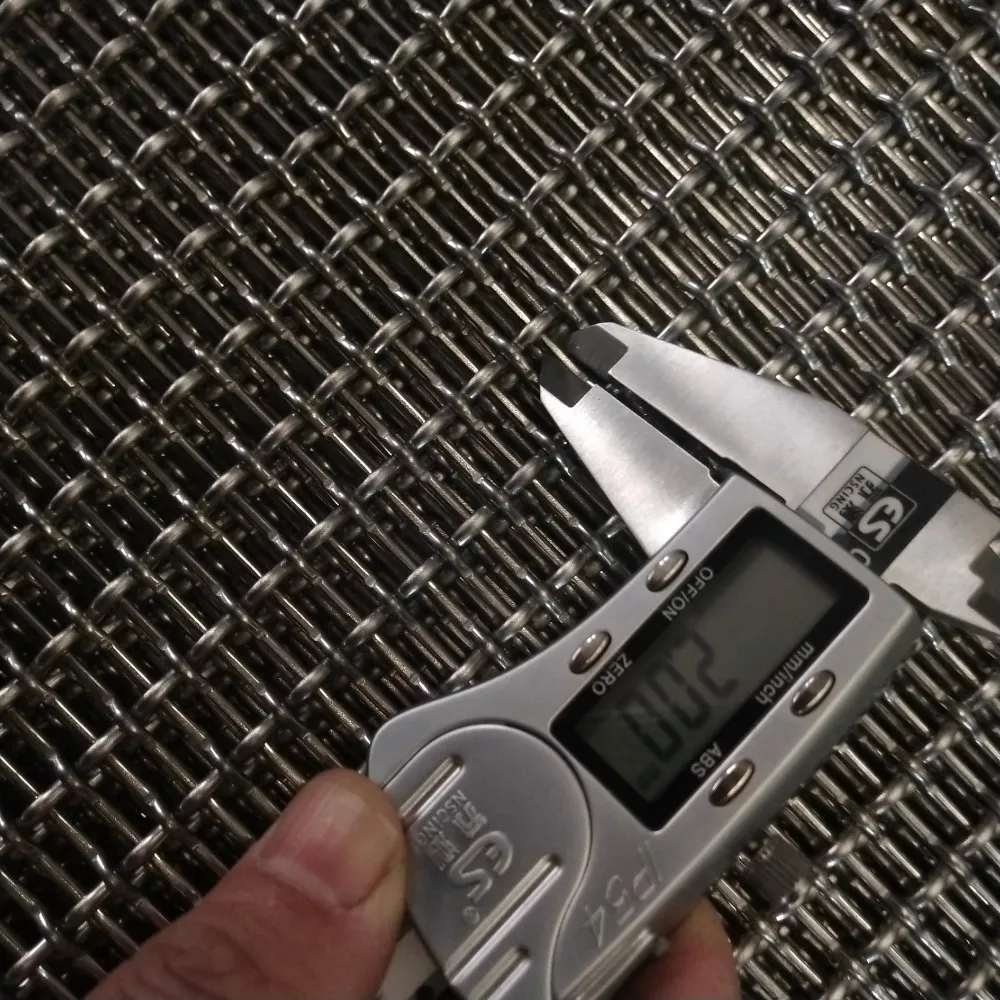
From Rod to Screen: How It’s Made
Crimped Wire Mesh from Heng Shui ZhengXuan Industrial Zone, AnPing (HeBei, China) typically starts with Q195/Q235 low-carbon or SS 304/316 rod. Steps: precision wire drawing → annealing (as needed) → multi-point crimping → weaving or pre-crimp assembly → cutting/leveling → finishing (hot-dip galvanizing, pickling/passivation) → packing (PE rainproof cloth per roll, then plywood pallet). QC checks aperture, wire diameter, flatness, and tensile; corrosion performance is often checked by salt-spray (ASTM B117) and coating mass per ISO 1461. Honestly, the better lines now run camera-based aperture inspection—it shows in consistency.
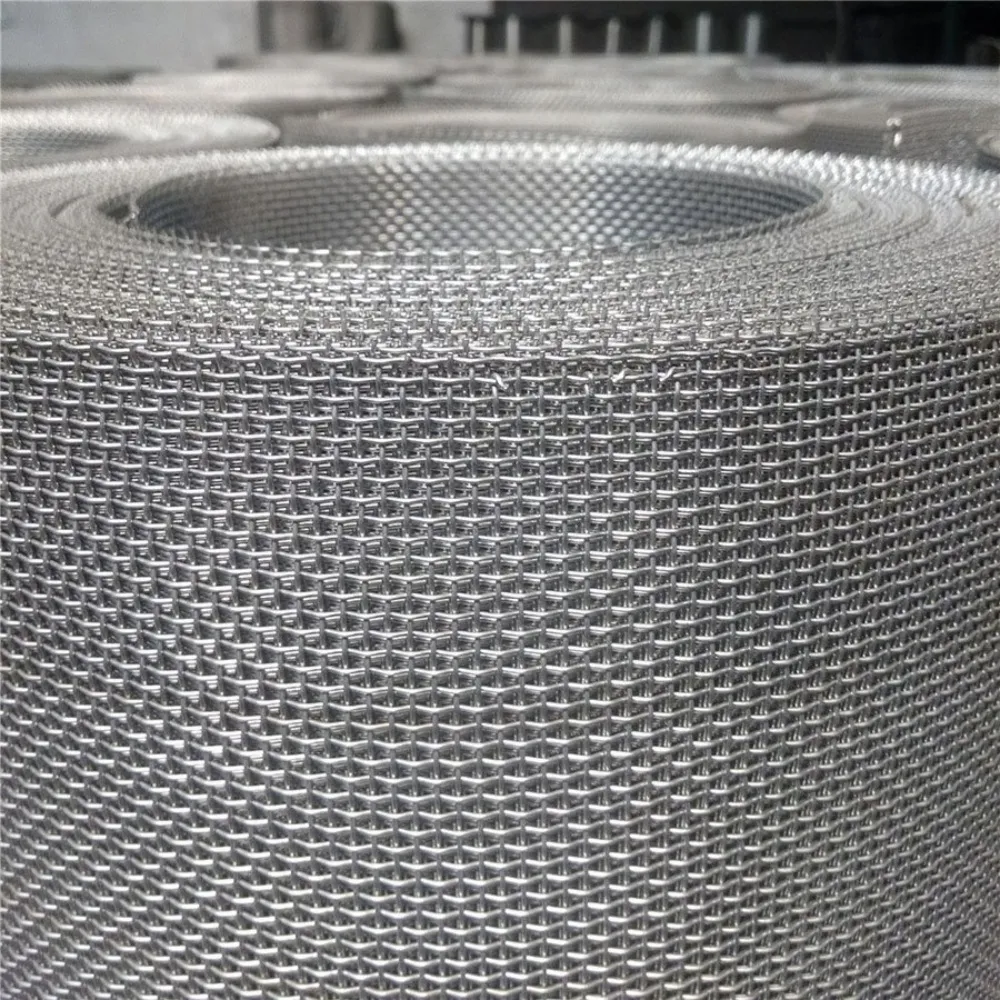
Where It Works (and Why)
- Mining & quarry screens on vibratory decks; grizzly sections (heavy wire, lock-crimp)
- Aggregates and recycling; scalping, sizing, separation
- Food & beverage guards and coarse filtration (304/316)
- Architecture: facades, partitions—surprisingly popular for industrial-chic interiors
- Safety guards, fencing, livestock enclosures
Advantages include impact resistance, good open area vs. strength, and straightforward maintenance. In moderate industrial environments, galvanized carbon steel nets last ≈5–10 years; 316 in coastal zones can reach ≈10–20 years with sensible cleaning. Your mileage will vary with abrasion and pH exposure.
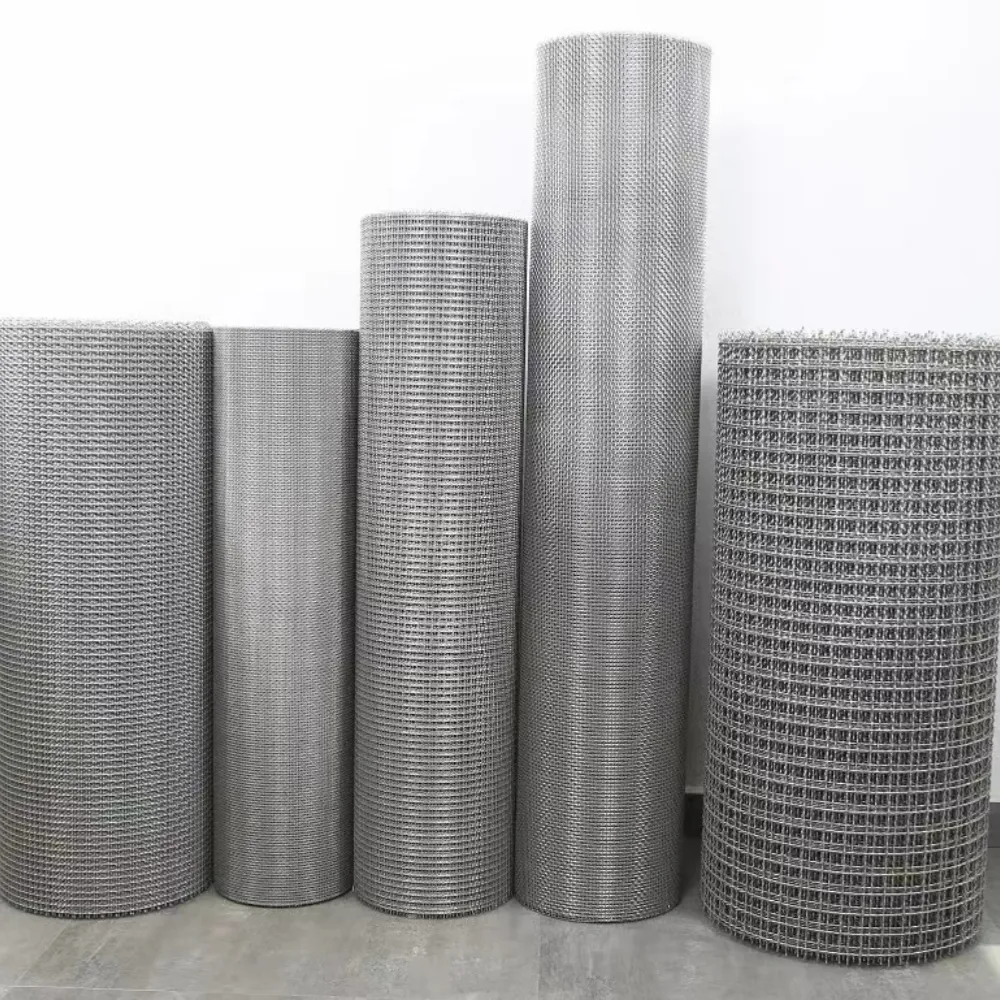
Vendor Snapshot (what buyers actually compare)
| Vendor | Certs | Lead time | Customization | Testing |
|---|---|---|---|---|
| IronWireFactory (AnPing) | ISO 9001; MTC EN 10204 3.1 | ≈10–20 days | Wire Ø, aperture, crimp, panels/rolls | ASTM E2016/ISO 9044; salt-spray |
| Vendor A (Generic) | ISO 9001 | ≈15–30 days | Limited crimp options | Dimensional only |
| Vendor B (Regional) | — | Stock-based | Standard sizes | — |
Real-world notes
A basalt quarry switched to heavier lock-crimp panels—maintenance intervals stretched from 3 to 6 weeks, which is big. A microbrewery used 304 intercrimp guards; cleaning got easier, no burrs. Many customers say the packing helps: PE rainproof cloth + pallet keeps coils straight and dry on long hauls.
Customization & Data
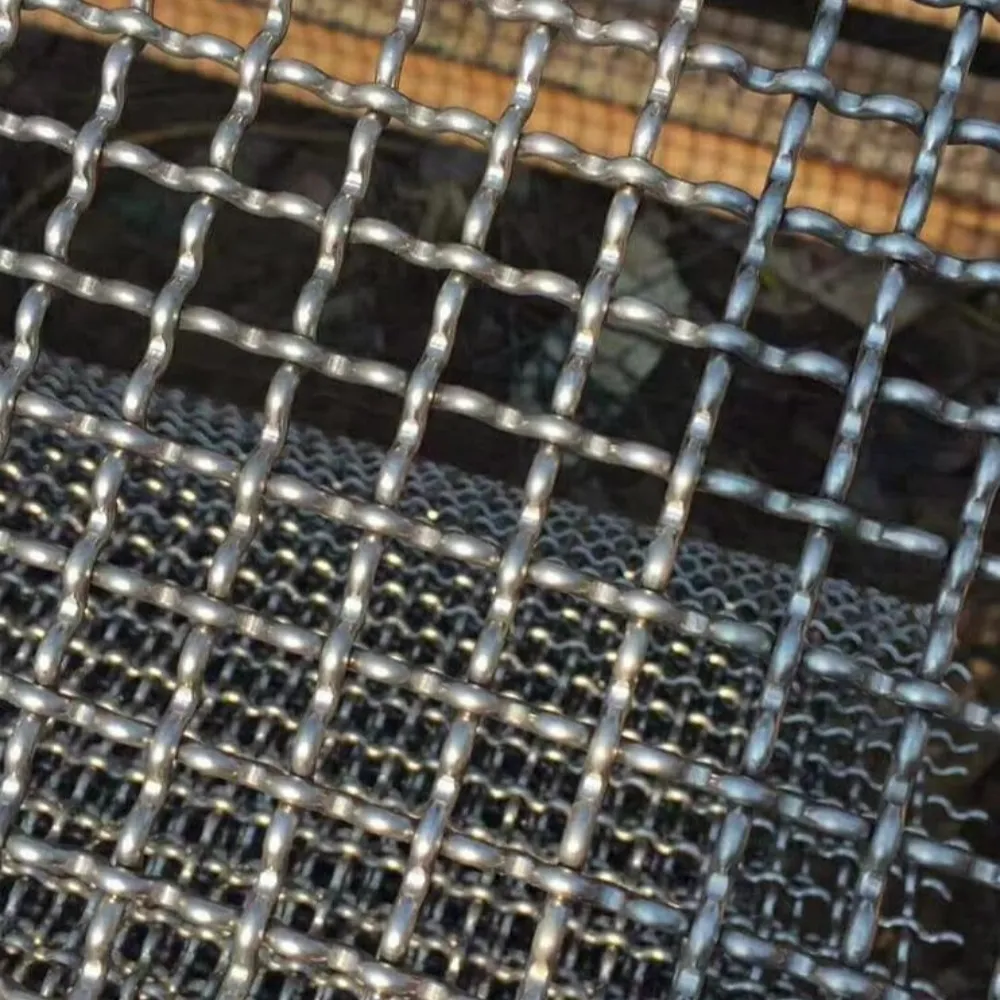
Crimped Wire Mesh is routinely tailored: aperture geometry (square/rectangular), crimp pattern for vibration stability, edge hooks, and alloy. Typical R&R tests show aperture deviation within ±3% and wire tensile around 600 MPa for high-carbon. For galvanized finishes, coating mass targets align with ISO 1461; for stainless, ASTM A580 wire grades and passivation records are standard practice.
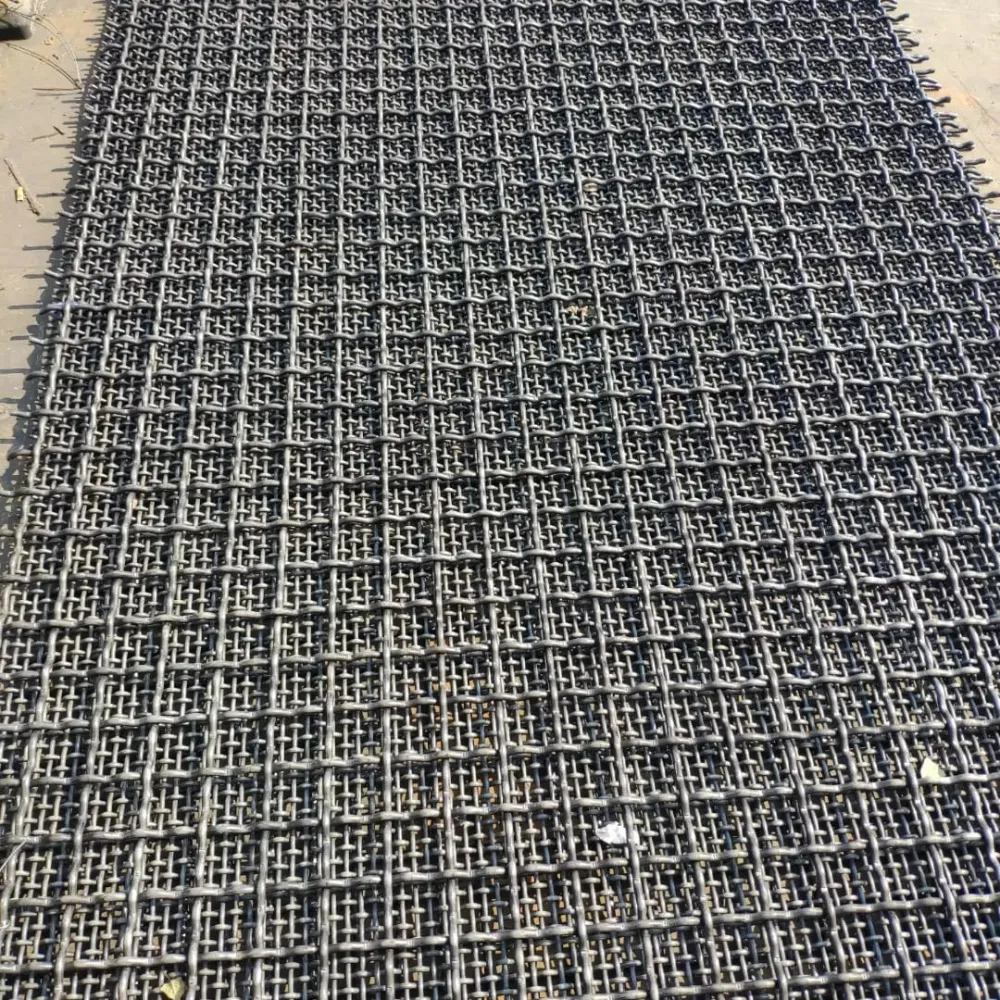
If you’re speccing today: ask for aperture maps, crimp style photos, and an EN 10204 3.1 MTC. It seems basic, but those three items de-risk most screening projects.
Authoritative references
- ASTM E2016 – Standard Specification for Industrial Woven Wire Cloth.
- ISO 9044 – Industrial wire screens and woven wire cloth — Technical requirements and tests.
- ISO 1461 – Hot dip galvanized coatings on fabricated iron and steel articles.
- ASTM B117 – Standard Practice for Operating Salt Spray (Fog) Apparatus.
- ASTM A580/A580M – Standard Specification for Stainless Steel Wire.
- EN 10204 – Metallic products — Types of inspection documents (3.1).
-
Professional Guide to Choosing Nails for Wooden Fence PanelsNewsApr.16,2026
-
PING HONGLIN WIRE MESH CO.,LTD: African Clients Visit Factory, Deepen Cooperation to Build a Global Quality BenchmarkNewsApr.14,2026
-
Guide to Choosing the Best nails for wood trim for CarpentryNewsApr.09,2026
-
Recognized for Excellence: ANPING HONGLIN WIRE MESH Named Alibaba FY2026 TOP Transaction Merchant, Celebrating 35 Years of Manufacturing HeritageNewsApr.07,2026
-
HONGLIN WIRE MESH Showcases at WORLDBEX Philippines 2026, Earning Strong Recognition from Global Builders & DistributorsNewsApr.07,2026
-
Spanish Client Delegation Visits Our Factory for Exchange, Exploring New Cooperation Opportunities in Welded Wire ProductsNewsApr.07,2026


