
Double Wire Mesh Fence - Rigid, Anti-Climb, 656/868 Panels
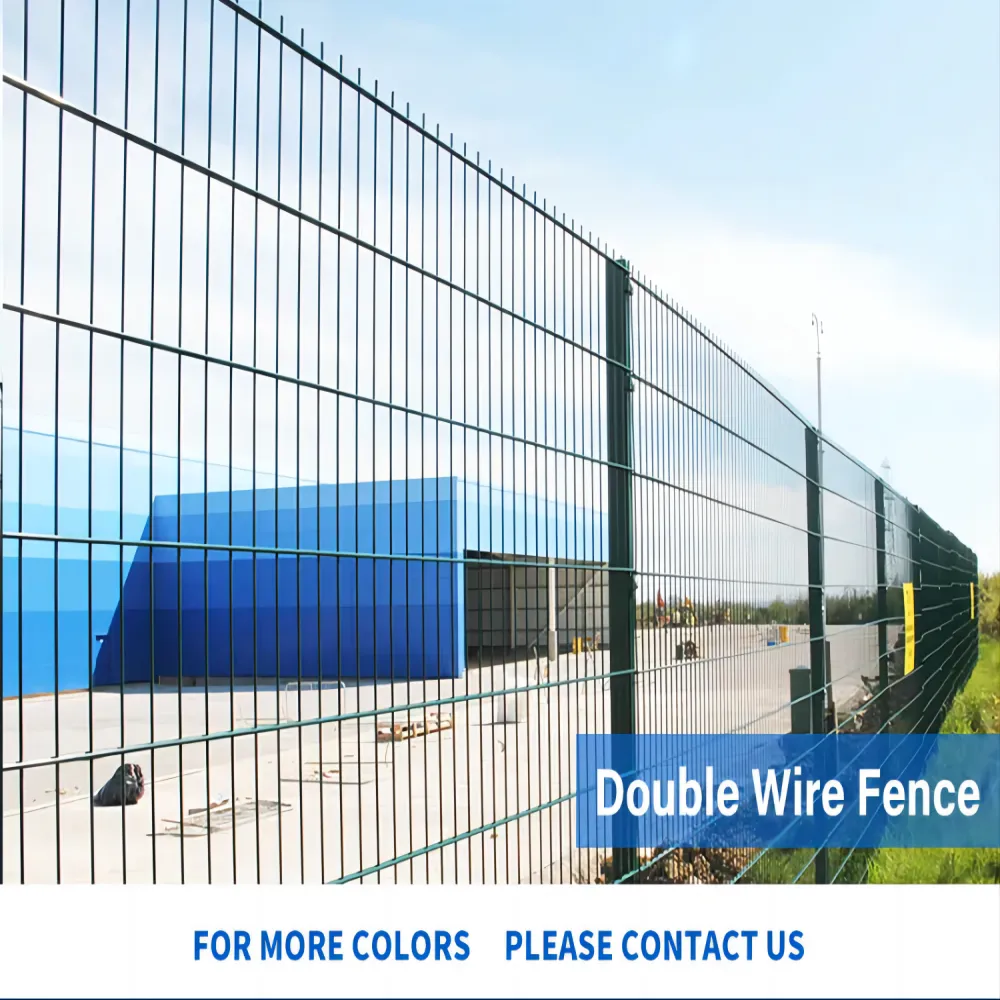
If you’ve walked the perimeter of a modern school or airport lately, you’ve probably seen the Double Wire Mesh Fence. It’s that clean, rigid panel with twin horizontals that doesn’t shout, yet clearly says: don’t climb me. I’ve followed this category for a decade and, to be honest, it’s quietly become the default for serious perimeter work.
What it is and why it’s trending
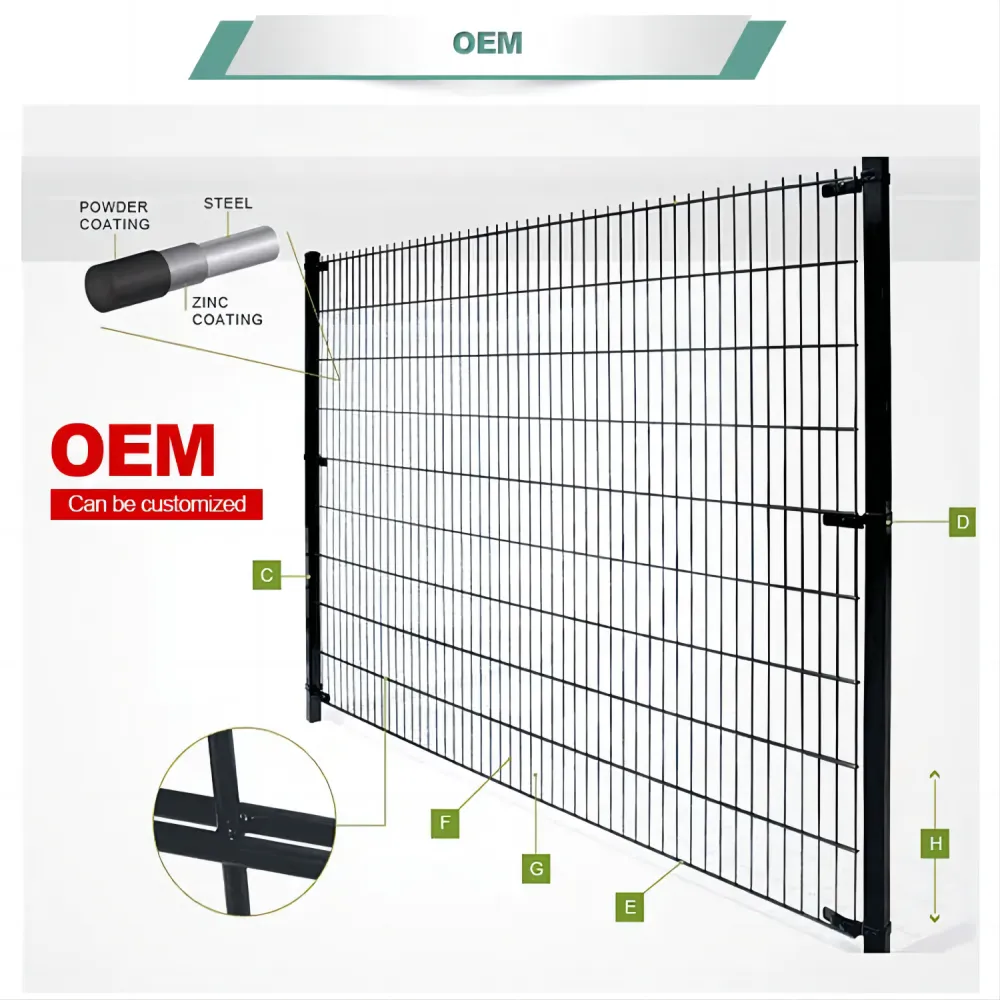
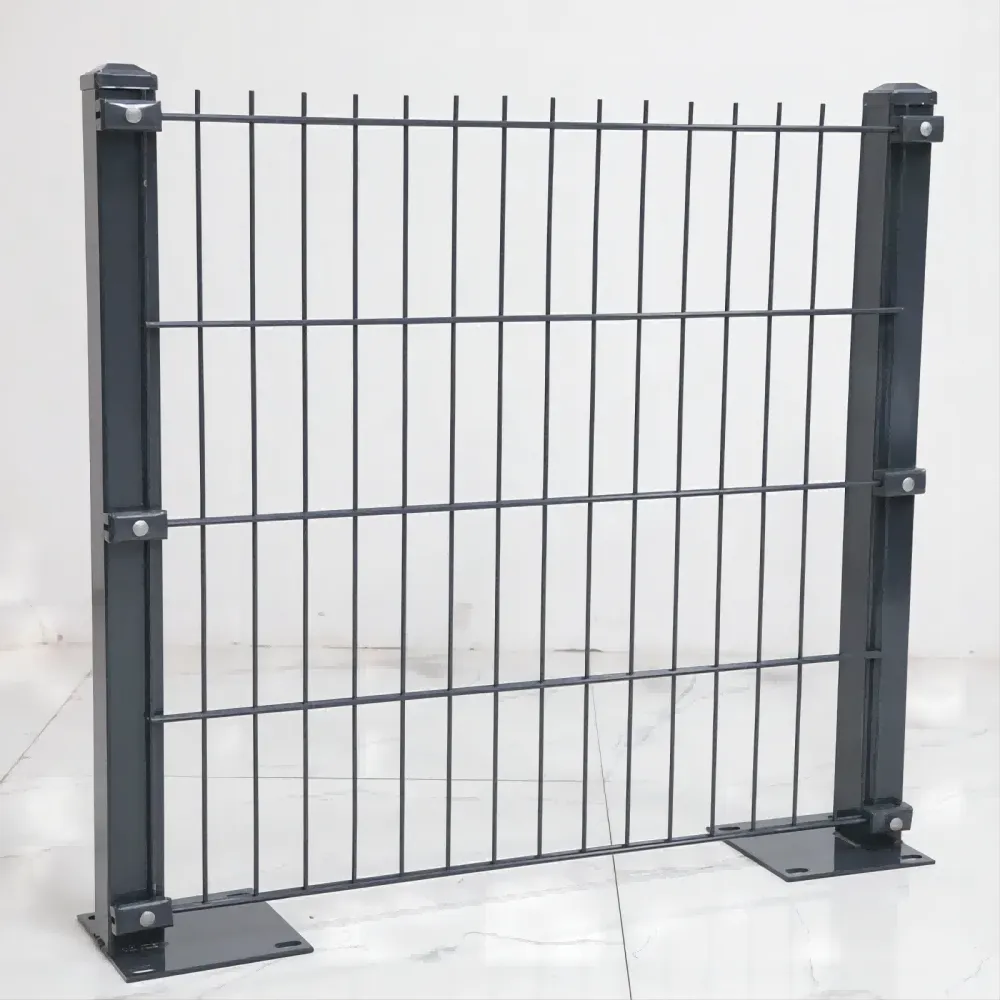
Double Wire Mesh Fence panels use two horizontal steel wires welded to a single vertical wire. The twin bars boost rigidity without turning the fence into a visual wall. City planners like that. Insurers do too, because cut-through time increases. The trend I’m seeing: more 868 panels (8+6+8 mm) around sports grounds and public buildings, plus powder-coat palettes beyond the usual RAL 6005 green—think anthracite, corporate blues, even matte textures.
Origin and manufacturing
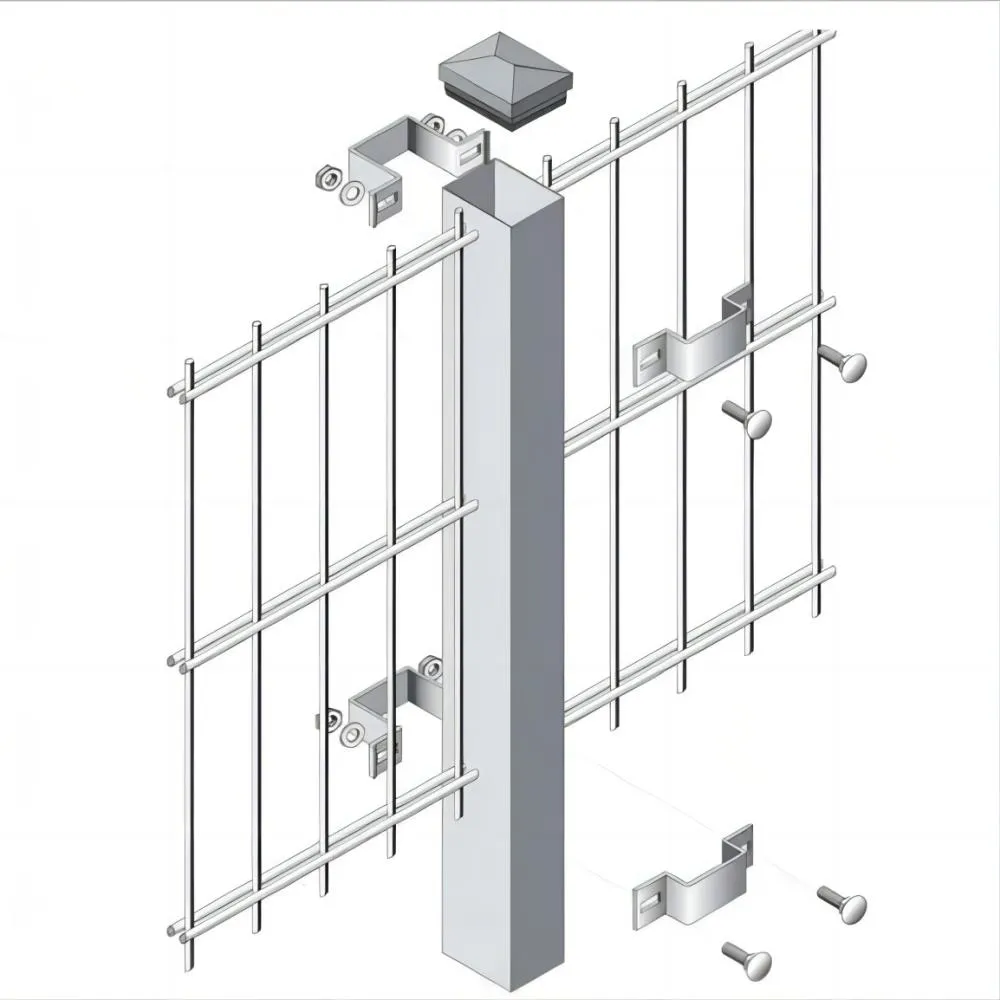
These panels from Heng Shui ZhengXuan Industrial Zone, AnPing, HengShui, HeBei, China come off resistance-weld lines with tight process control. Materials are typically low-carbon steel wire (Q195/Q235) galvanized to EN 10244-2; optional Zn-5%Al (Galfan) for coastal installs. After welding, panels are hot-dip galvanized (ISO 1461) or pre-galv + polyester powder coat (≈60–100 μm). I guess the big difference today is the quality of pre-treatment; proper iron-phosphate and rinse stages make or break the coating life.
Typical specifications
| Configuration | 656 (2×6 mm + 5 mm) or 868 (2×8 mm + 6 mm) |
| Mesh aperture | 200 × 50 mm (≈8" × 2") |
| Panel height | 1.03–2.43 m options |
| Post options | 60×60 or 80×80 mm, caps + clamp bars |
| Coating | ISO 1461 hot-dip, or EN 10244-2 pre-galv + powder 60–100 μm |
| Tensile strength | ≈380–550 MPa (wire), real-world use may vary |
| Service life | 15–25 years inland; 10–20 years coastal (spec-dependent) |
Applications and what users say
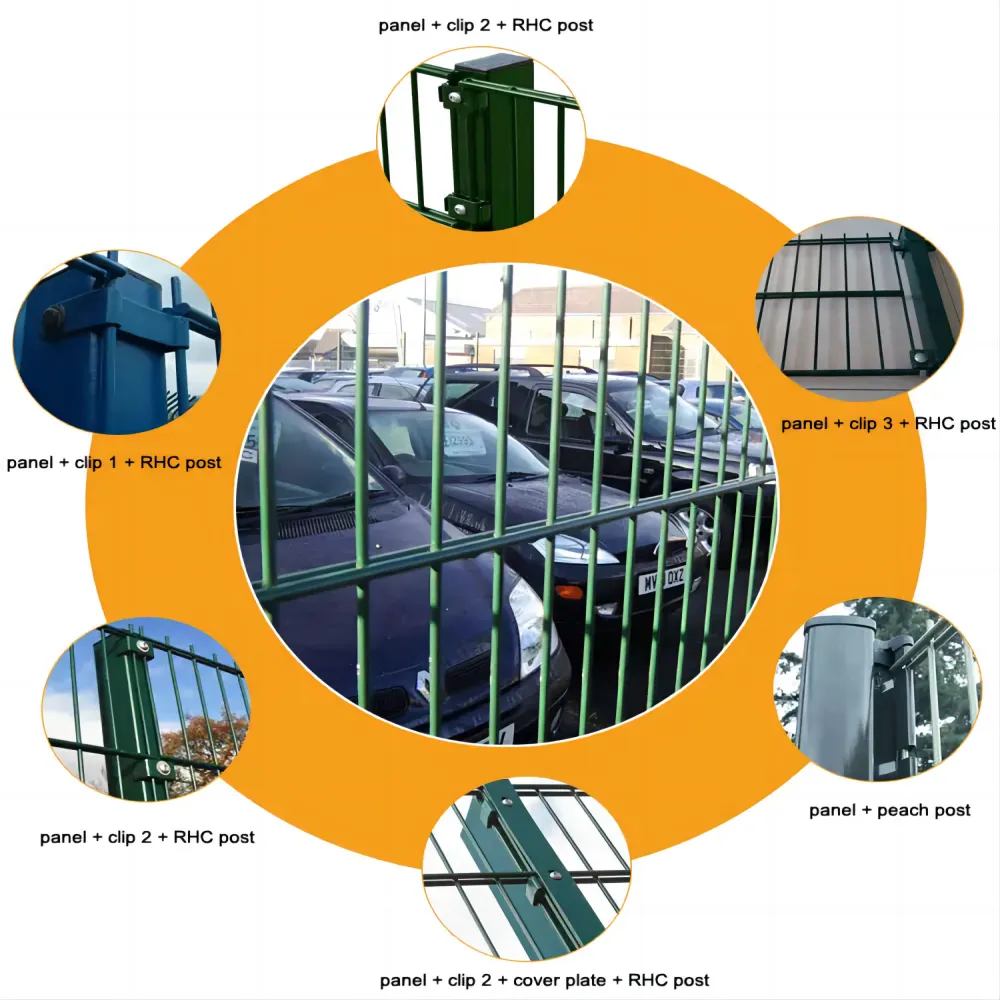
- Schools and playgrounds (low visual impact, high strength)- Parks, sports grounds, stadium perimeters
- Factories, workshops, logistics yards, data centers
- Airports and, yes, some military perimeters where visibility matters
“Panels feel rock solid—no rattle, no flex,” a facilities manager in Berlin told me after a year of use. Another buyer for a UK school noted fewer vandalism callouts compared with chain-link. Surprisingly, maintenance teams love the easy panel swap when a forklift kisses the fence.
Process, testing, and compliance
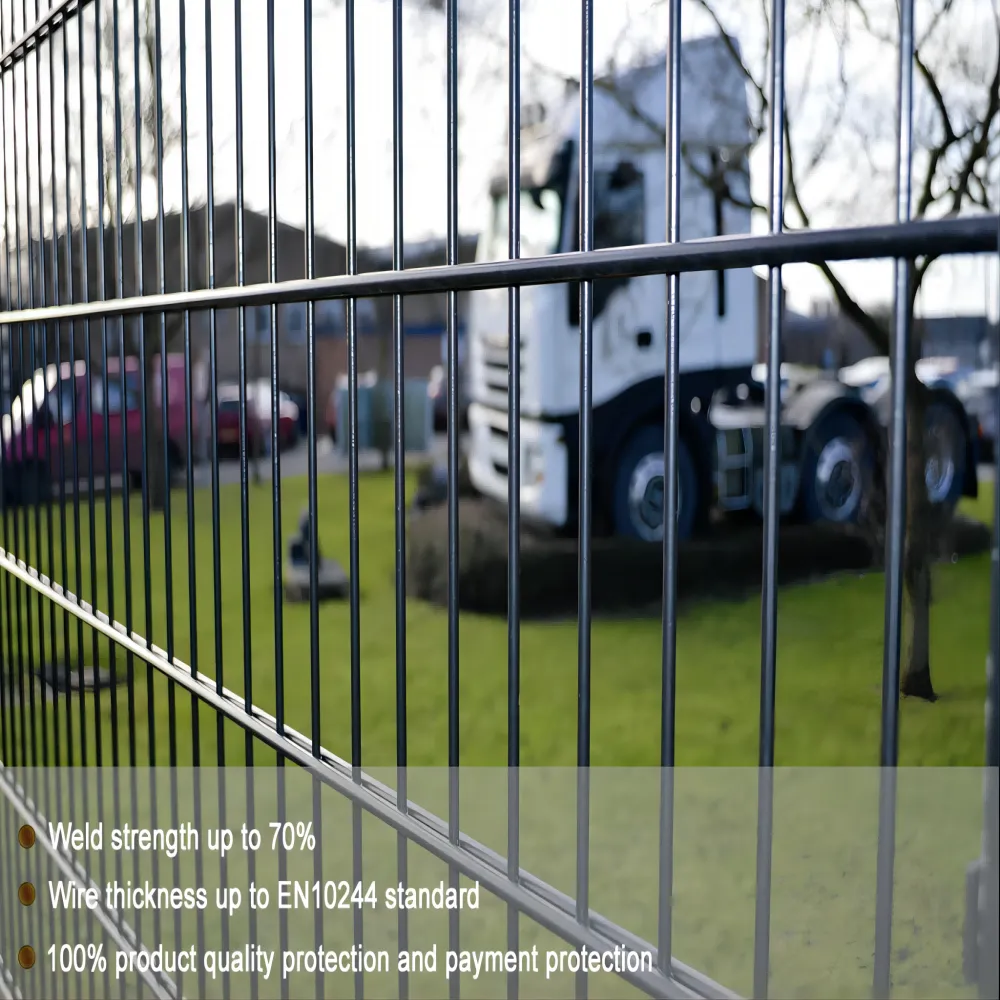
- Welding: resistance-weld; weld shear tested (target >350 N per node on 5–6 mm wires).
- Coating: cross-hatch adhesion; powder impact ≥2.5 J; salt-spray 500–1,000 h to ISO 9227 (coating system dependent).
- Standards referenced: ISO 1461, EN 10244-2, EN 10223-7, ASTM A641/A641M.
- Certifications: factory ISO 9001/14001; RoHS-compliant coatings on request.
Customization
Double Wire Mesh Fence can be tailored: 656 vs 868, anti-climb 200×50 vs 200×45 mm, custom RAL, slope adapters, base plates, integrated pedestrian/vehicle gates, and add-ons like razor wire arms or privacy strips (though I only recommend slats where wind loads are modeled).
Vendor snapshot (quick take)
| Vendor | Coating options | Lead time | Certs | Notes |
|---|---|---|---|---|
| ZhengXuan (AnPing, HeBei) | Pre-galv + powder; ISO 1461 HDG; Galfan | 15–30 days | ISO 9001/14001 | Value build; solid weld consistency |
| EU Brand A | Powder premium, duplex coat | 20–40 days | CE docs on request | Higher price; wide RAL range |
| Importer B (Budget) | Basic pre-galv + powder | 10–25 days | Limited | Watch coating prep; request test data |
Case notes
- School campus, Rotterdam: 2.0 m 656 panels, RAL 7016; vandalism incidents dropped ≈30% in first term (security report).
- Logistics yard, UAE coast: 2.4 m 868 with Galfan + powder; salt-spray tested to 1,000 h; zero blistering at 18 months.
Why spec it
Frankly, the value is hard to beat: rigidity, clean sightlines, lower maintenance, fast install, and predictable life-cycle cost. For risk-minded projects, choose 868, ISO 1461 hot-dip or Galfan + high-build powder, and ask for weld shear and salt-spray reports—always.
References:
- ISO 1461: Hot dip galvanized coatings on fabricated iron and steel products.
- EN 10244-2: Steel wire and wire products—Non-ferrous metallic coatings on steel wire.
- ISO 9227: Corrosion tests in artificial atmospheres—Salt spray tests.
- ASTM A641/A641M: Standard Specification for Zinc-Coated (Galvanized) Carbon Steel Wire.
- EN 10223-7: Steel wire and wire products—Fencing—Welded steel wire panels.
-
Professional Guide to Choosing Nails for Wooden Fence PanelsNewsApr.16,2026
-
PING HONGLIN WIRE MESH CO.,LTD: African Clients Visit Factory, Deepen Cooperation to Build a Global Quality BenchmarkNewsApr.14,2026
-
Guide to Choosing the Best nails for wood trim for CarpentryNewsApr.09,2026
-
Recognized for Excellence: ANPING HONGLIN WIRE MESH Named Alibaba FY2026 TOP Transaction Merchant, Celebrating 35 Years of Manufacturing HeritageNewsApr.07,2026
-
HONGLIN WIRE MESH Showcases at WORLDBEX Philippines 2026, Earning Strong Recognition from Global Builders & DistributorsNewsApr.07,2026
-
Spanish Client Delegation Visits Our Factory for Exchange, Exploring New Cooperation Opportunities in Welded Wire ProductsNewsApr.07,2026


