
Durable Chain Wire Fencing: Galvanized & PVC Coated Solutions
Introduction to Advanced Chain Wire Fencing Solutions
In industrial and commercial security applications, the demand for robust, durable, and cost-effective perimeter solutions is paramount. Among the leading options, chain wire fencing stands out as a versatile and reliable choice. This article delves into the technical intricacies, industry trends, and strategic advantages of modern chain link fencing systems, offering B2B decision-makers and engineers a comprehensive overview of their application in diverse operational environments. We explore everything from the manufacturing precision employed by a leading chain link fence factory to the specialized coatings that enhance longevity and performance.
Industry Trends in Chain Wire Fencing Technology
The market for chain link fence solutions is continuously evolving, driven by advancements in material science and smart integration. Key trends include:
- Enhanced Material Durability: The shift towards high-tensile steel cores and advanced polymer coatings is extending service life and reducing maintenance cycles. For instance, the demand for pvc coated chain link fence and galvanized chain link fence continues to grow due to their superior corrosion resistance in harsh environments.
- Sustainable Manufacturing Practices: Manufacturers are adopting greener processes, including recycled materials and energy-efficient weaving techniques, aligning with global environmental objectives.
- Integration with Security Systems: Modern chain link fencing is increasingly designed for seamless integration with intrusion detection systems, CCTV, and access control, enhancing overall site security.
- Customization and Aesthetic Appeal: Beyond basic functionality, clients now seek specific mesh sizes, wire gauges, and a wider range of pvc chain link fence colors to match architectural or branding requirements.
Industry reports suggest a steady growth in the global perimeter security market, with chain link products maintaining a significant share due to their proven reliability and economic viability. North America and Europe, in particular, show a strong inclination towards value-added products like pvc coated chain link fencing, which offers extended lifespan and reduced lifecycle costs.
The Manufacturing Process of Chain Wire Fencing
The production of high-quality chain link fence involves a meticulous process, ensuring material integrity and structural uniformity. Here’s a detailed breakdown:
- Material Sourcing and Preparation: High-grade steel wire rods, typically low-carbon steel, are sourced. These rods undergo cold drawing to achieve the desired wire gauge, ranging commonly from 6 SWG to 14 SWG (Standard Wire Gauge), with tensile strengths often exceeding 400 MPa.
- Corrosion Protection (Galvanization): For galvanized chain link fence, the steel wire is passed through a molten zinc bath (hot-dip galvanization) or electroplated. This process creates a metallurgically bonded zinc coating, conforming to standards such as ASTM A392 for zinc-coated steel fence fabric, ensuring a service life of 15-20 years in typical atmospheric conditions. The zinc layer acts as a sacrificial anode, preventing rust.
- Corrosion Protection (PVC Coating): For pvc coated chain link fence, the galvanized wire is then fed through an extrusion line where a layer of polyvinyl chloride (PVC) is uniformly applied and fused. This process adds an aesthetic finish and significantly enhances corrosion resistance, extending service life to 25+ years, particularly in marine or chemically aggressive environments.
- Weaving Process: The coated or galvanized wire is fed into automated weaving machines. These machines interlock the wires in a diamond pattern, forming a continuous mesh fabric. The mesh size, or diamond opening, is precisely controlled (e.g., 25mm to 100mm) to meet specific security and aesthetic requirements.
- Finishing and Edging: The woven fabric is cut to the specified height and length. The selvage (edges) are typically knuckled or twisted. Knuckled edges provide a smoother, safer finish, ideal for playgrounds or residential areas, while twisted (barbed) edges offer increased security, common in industrial or high-security applications.
- Quality Control and Testing: Throughout the process, rigorous testing ensures adherence to international standards like ISO 9001 (Quality Management) and ASTM F567 (Installation of Chain Link Fence). Tests include coating thickness measurement, adhesion tests, tensile strength tests, and visual inspections for uniformity and defect prevention.
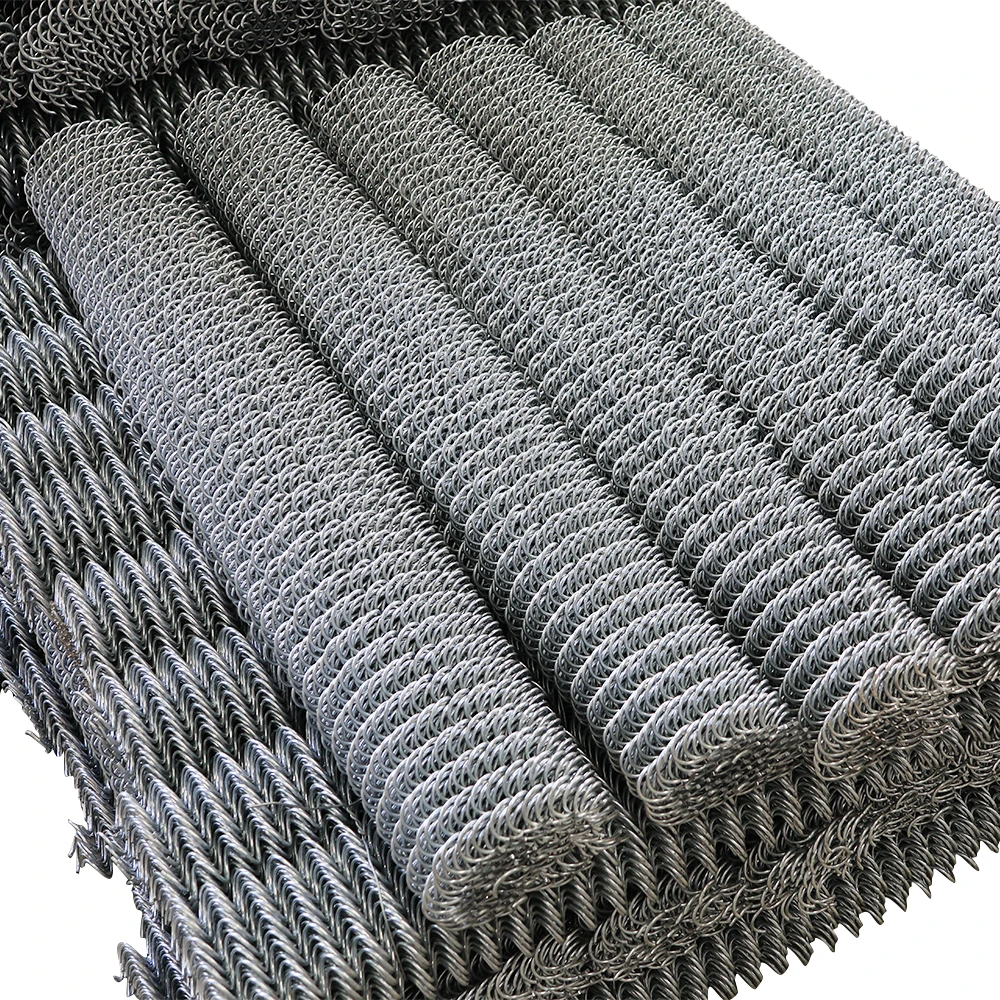
This controlled manufacturing environment allows a reputable chain link fence factory to produce consistent quality, meeting stringent requirements for applications ranging from petrochemical plants, where corrosion resistance is critical, to municipal water supply and drainage facilities requiring durable security barriers.
Technical Specifications and Parameters
Understanding the technical specifications of chain wire fencing is crucial for precise project planning and procurement. Below are typical parameters for common types:
Standard Chain Link Fence Specifications
Key Technical Advantages of Modern Chain Link Fencing
The enduring popularity of chain link fence in B2B applications stems from its inherent technical advantages:
- Exceptional Durability and Longevity: High-quality galvanized steel or PVC coated chain link fencing offers robust resistance against physical impact and environmental degradation. Service life can extend well beyond 20 years with proper installation and minimal maintenance.
- Superior Corrosion Resistance: Both hot-dip galvanization and PVC coating provide formidable barriers against rust and chemical corrosion. This is crucial for industries such as petrochemical, where exposure to corrosive agents is common, or for applications near coastal areas.
- Cost-Effectiveness: Compared to solid fencing systems, chain link offers a significantly lower upfront material and installation cost, coupled with a long lifespan, leading to an excellent total cost of ownership (TCO).
- Versatility and Adaptability: The flexibility of chain wire fencing allows it to be installed over uneven terrain, around curves, and adapted to various heights and security enhancements (e.g., barbed wire, razor wire toppings).
- Visibility and Security: The open mesh design allows for clear visibility of the secured area, facilitating surveillance and reducing blind spots, which is vital for security monitoring. Yet, its strength provides a significant deterrent to unauthorized access.
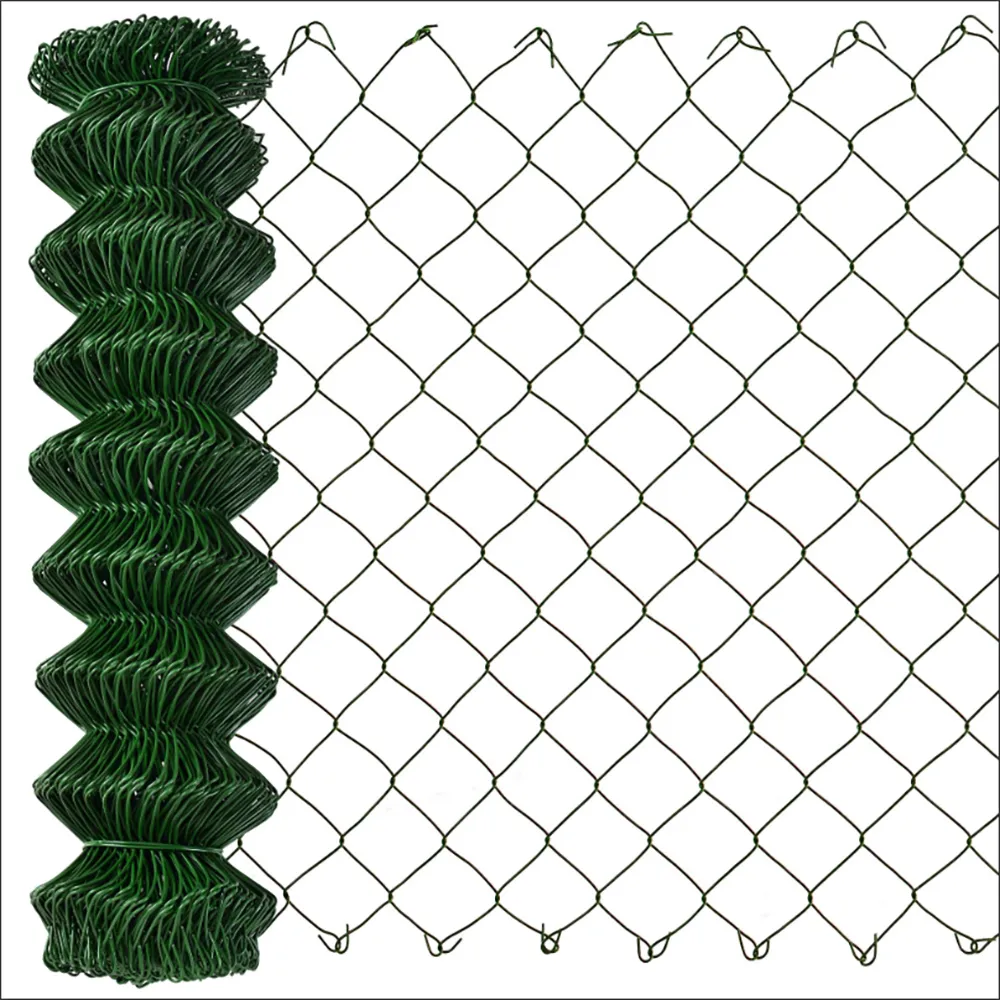
These advantages make chain link fencing a preferred solution for securing vast industrial perimeters, utility infrastructure, and commercial properties, balancing security needs with budgetary considerations.
Application Scenarios Across Diverse Industries
The adaptability of chain wire fencing allows for its deployment across a broad spectrum of industrial and commercial sectors:
- Petrochemical and Energy Sector: Critical for securing refineries, power stations, and storage facilities, providing reliable perimeter control against intrusion and theft. The enhanced corrosion resistance of PVC coated chain link fencing is particularly valued in these environments.
- Metallurgy and Mining: Used to define property lines, secure dangerous areas, and manage material stockpiles. The robust nature of galvanized systems withstands the harsh conditions common in these industries.
- Water Supply & Drainage Facilities: Essential for protecting reservoirs, pumping stations, and treatment plants from vandalism and unauthorized access, ensuring the integrity of vital public services.
- Transportation Infrastructure: Applied along highways, railway lines, and airports for safety and boundary demarcation, preventing access to hazardous areas.
- Sports and Recreation: Widely used for sports courts (tennis, basketball), baseball backstops, and perimeter fencing around parks, offering containment and spectator safety.
- Commercial and Industrial Parks: Serves as a primary security barrier for warehouses, manufacturing plants, and logistics hubs, complementing integrated security systems.
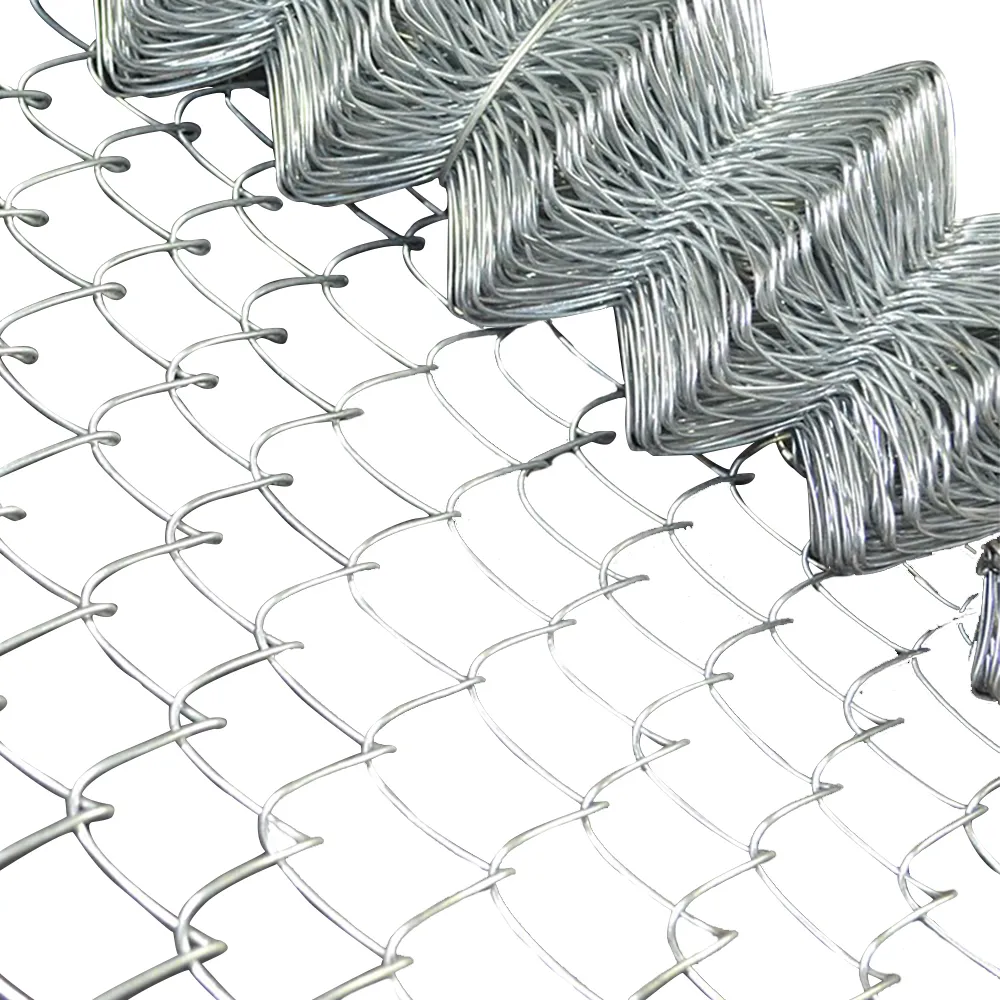
In each scenario, the inherent strength, visibility, and customizable nature of chain link fencing provide an optimal balance of security, durability, and cost-efficiency.
Customized Solutions for Diverse Needs
Recognizing that no two projects are identical, a professional chain link fence factory offers extensive customization options to precisely meet client specifications:
- Wire Gauge and Mesh Size: Clients can specify the wire thickness (e.g., 9 SWG for heavy-duty security vs. 11 SWG for standard commercial) and mesh opening (e.g., 50mm x 50mm for general security vs. 25mm x 25mm for high-security, anti-climb applications).
- Height and Length: Fences can be manufactured to any required height, from 0.6m decorative barriers to 4.0m high-security perimeters, and supplied in custom roll lengths to minimize waste during installation.
- Coating Type and Color: Choice between hot-dip galvanized, electro-galvanized, or PVC coated chain link fence is available. For PVC, a wide spectrum of RAL colors beyond standard green and black can be produced to match corporate branding or blend with the environment.
- Edging Options: Clients can select between knuckled-knuckled (KK) for safety, knuckled-barbed (KB) for standard security, or barbed-barbed (BB) for maximum security.
- Post and Accessory Systems: Complete fencing systems include compatible posts (round or square, galvanized or coated), gates (swing or slide), tension bands, brace bands, and tie wires, all designed for seamless integration and optimal performance.
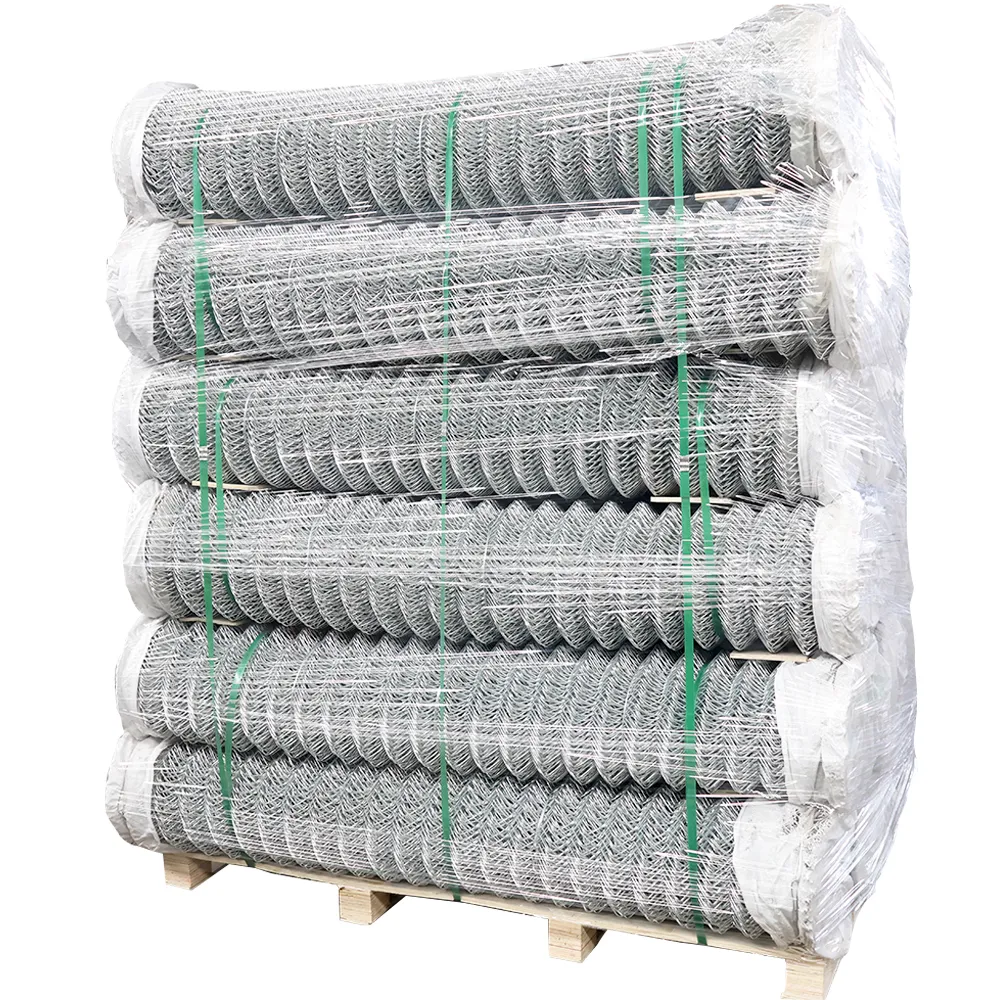
This bespoke approach ensures that each chain link fencing solution is perfectly tailored to the specific functional, security, and aesthetic demands of a project, delivering superior value and long-term performance.
Vendor Comparison: Choosing the Right Chain Link Fence Factory
Selecting a reliable chain link fence factory is critical for project success. Key factors for comparison include:
- Certifications and Standards: Look for manufacturers holding ISO 9001 (Quality Management System) and products conforming to ASTM, ANSI, or relevant regional standards. This indicates a commitment to consistent quality.
- Years of Operation and Experience: A factory with a long track record (e.g., 20+ years) typically signifies deep industry knowledge, stable processes, and proven product reliability.
- Production Capacity and Lead Time: Assess the factory's ability to handle large orders and meet demanding project schedules. A strong supply chain and efficient production minimize delays.
- Customization Capabilities: A leading vendor should offer extensive customization options, from material specifications to coating types and colors, rather than just off-the-shelf products.
- Technical Support and After-Sales Service: Comprehensive pre-sales consultation, technical assistance during installation, and responsive after-sales support are invaluable.
- Client Portfolio and References: Reviewing past projects and obtaining client testimonials can offer insights into the vendor's reputation and service quality.
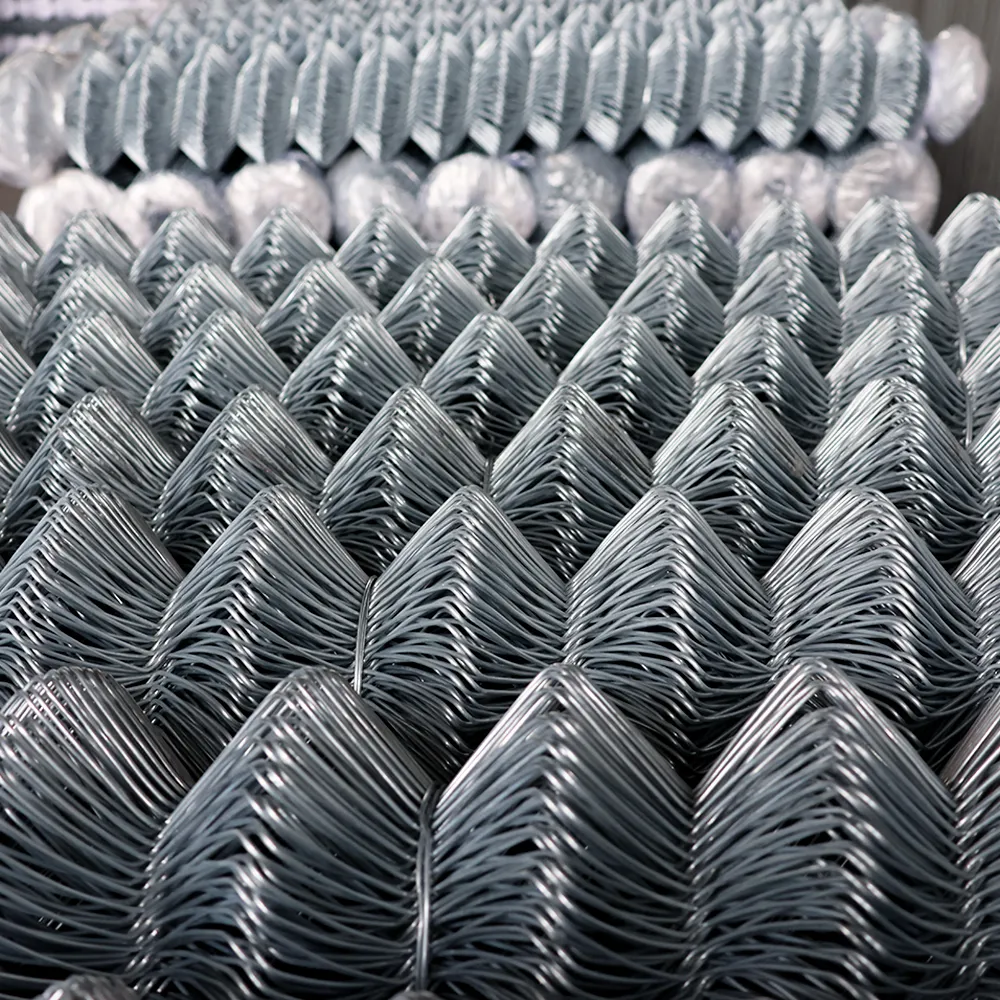
A thorough vendor comparison ensures that the chosen partner can deliver not only high-quality chain wire fencing but also reliable service and support throughout the project lifecycle.
Real-World Application Case Studies
Case studies demonstrate the practical benefits and performance of specialized chain link fencing solutions:
Case Study 1: Perimeter Security for a Chemical Plant
- Challenge: A major chemical manufacturing plant required a robust, highly corrosion-resistant perimeter fence due to exposure to various airborne chemicals and high humidity.
- Solution: Installation of 3.0m high PVC coated chain link fencing (9 SWG core wire, 50x50mm mesh) with additional barbed wire topping. The PVC coating was specified for its superior chemical resistance.
- Results: After 5 years, the fence exhibited zero signs of corrosion, maintaining its structural integrity and aesthetic appeal. This significantly reduced maintenance costs compared to their previous galvanized-only system, leading to an estimated 30% reduction in annual fence-related expenditures.
Case Study 2: Municipal Water Treatment Facility Security Upgrade
- Challenge: A municipal water treatment facility needed to upgrade its security with an impenetrable barrier against intrusion, while also allowing clear visibility for surveillance.
- Solution: Implementation of 3.6m high heavy-gauge galvanized chain link fence (6 SWG wire, 50x50mm mesh) with a triple-strand barbed wire outrigger system. All posts were embedded in concrete for maximum stability.
- Results: The upgraded fence effectively deterred unauthorized access, as evidenced by a 100% reduction in perimeter breaches over a 2-year period. The transparent design facilitated better integration with existing CCTV systems, enhancing overall security operations.
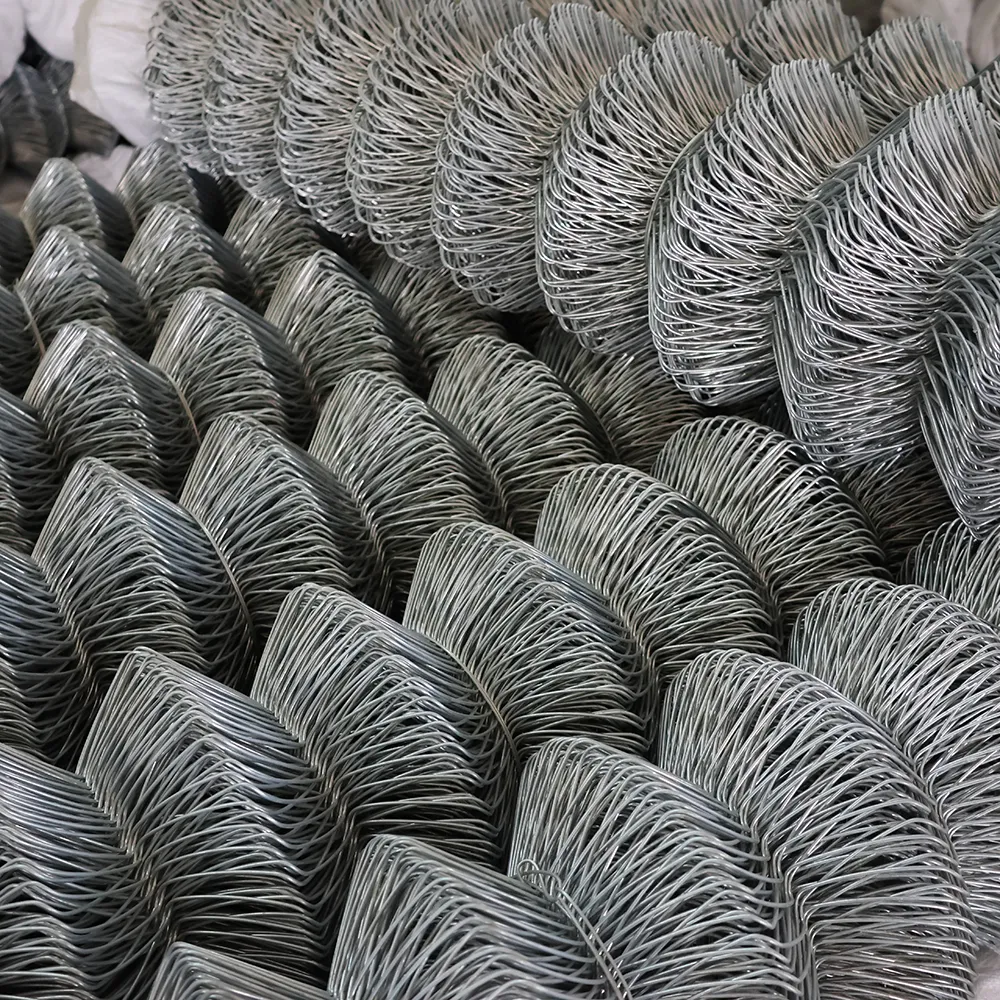
These examples highlight the robust performance and specialized advantages offered by correctly specified and manufactured chain link fencing systems in critical infrastructure.
Ensuring Trustworthiness: FAQs
Frequently Asked Questions about Chain Wire Fencing
- Q: What is the typical lifespan of a chain link fence?
A: A standard galvanized chain link fence can last 15-20 years, while a high-quality PVC coated chain link fence can exceed 25 years, depending on environmental conditions and maintenance.
- Q: Can chain link fences be customized for high-security needs?
A: Absolutely. Customizations include heavier wire gauges, smaller mesh sizes (anti-climb), increased fence height, addition of barbed or razor wire toppings, and integration with electronic security systems.
- Q: How does PVC coating compare to galvanization in terms of corrosion resistance?
A: PVC coating offers an additional layer of protection, particularly effective against chemical exposure and saltwater environments, outperforming galvanization alone in these specific conditions. Many PVC coated chain link fence products are applied over a galvanized core for dual protection.
- Q: Are chain link fences compliant with industrial safety standards?
A: Yes, when manufactured and installed according to standards like ASTM F567, chain link fencing meets safety and security requirements for industrial applications. Specific project requirements might necessitate additional compliance measures.
Lead Time, Warranty, and After-Sales Support
Operational transparency is paramount for B2B partnerships. We provide clear commitments regarding:
- Lead Time: Standard chain link fence orders typically have a lead time of 2-4 weeks, depending on volume and customization. Large or highly specialized orders may require 6-8 weeks. Expedited options are available upon request.
- Warranty Commitments: Our products come with a comprehensive warranty. Galvanized chain link fence typically carries a 10-year anti-corrosion warranty, while PVC coated chain link fencing benefits from a 15-20 year warranty against manufacturing defects and coating degradation, subject to terms and conditions.
- Customer Support: Our dedicated technical support team is available from quotation to post-installation. We offer expert advice on product selection, installation guidance, and troubleshooting to ensure optimal performance and client satisfaction.
Product Comparison: Galvanized vs. PVC Coated Chain Link Fences
Choosing between galvanized and PVC chain link fence depends on specific project requirements, environmental factors, and budget. Here's a comparative overview:
Conclusion
Chain wire fencing remains an indispensable asset for comprehensive perimeter security and demarcation in the B2B sector. Its evolution, marked by advanced manufacturing processes, superior material coatings, and intelligent integration capabilities, ensures its continued relevance across a multitude of demanding industrial and commercial applications. By understanding the detailed technical specifications, leveraging customization options, and partnering with a reputable chain link fence factory, businesses can secure durable, cost-effective, and highly reliable fencing solutions tailored to their unique operational needs. For expert consultation and tailored chain link fencing solutions, reach out to our specialists today.
References
- ASTM International. (2018). ASTM A392/A392M-99(2018) Standard Specification for Zinc-Coated Steel Chain-Link Fence Fabric. West Conshohocken, PA: ASTM International.
- ASTM International. (2020). ASTM F567-14(2020) Standard Practice for Installation of Chain-Link Fence. West Conshohocken, PA: ASTM International.
- International Organization for Standardization. (2015). ISO 9001:2015 Quality management systems – Requirements. Geneva, Switzerland: ISO.
- The Fence Industry Research Institute. (2022). Global Perimeter Security Market Report: Trends and Forecasts.
-
Professional Guide to Choosing Nails for Wooden Fence PanelsNewsApr.16,2026
-
PING HONGLIN WIRE MESH CO.,LTD: African Clients Visit Factory, Deepen Cooperation to Build a Global Quality BenchmarkNewsApr.14,2026
-
Guide to Choosing the Best nails for wood trim for CarpentryNewsApr.09,2026
-
Recognized for Excellence: ANPING HONGLIN WIRE MESH Named Alibaba FY2026 TOP Transaction Merchant, Celebrating 35 Years of Manufacturing HeritageNewsApr.07,2026
-
HONGLIN WIRE MESH Showcases at WORLDBEX Philippines 2026, Earning Strong Recognition from Global Builders & DistributorsNewsApr.07,2026
-
Spanish Client Delegation Visits Our Factory for Exchange, Exploring New Cooperation Opportunities in Welded Wire ProductsNewsApr.07,2026


