
Essential Guide to Choosing the Right Nails for Pallet Projects and Construction
Choosing the Right Nails for Pallet Projects
Pallet projects are a fantastic way to upcycle materials and create unique furniture, décor, and more. However, the success of your project heavily relies on selecting the appropriate nails for pallet projects. Pallet wood is often dense and prone to splitting, so standard nails may not suffice. This article will guide you through the types of nails best suited for pallet construction, factors to consider, and tips for achieving a durable and aesthetically pleasing result. We'll explore the best nail options for different pallet applications and explain how to avoid common pitfalls.
Understanding Pallet Wood and its Challenges
Pallet wood is often sourced from hardwoods like oak, maple, and birch. While strong, these woods are also relatively dry and brittle. This means they are susceptible to splitting when nailed, especially near the edges. Moreover, pallets are often assembled using ring shank nails, which are more difficult to remove without damaging the wood. Therefore, choosing nails designed to minimize splitting and provide a strong hold is essential. Considering the type of pallet wood you are working with – heat-treated (HT) or chemically treated – will also influence your nail selection. We at Iron Wire Factory understand the nuances of working with pallet wood and offer a variety of nail solutions.
Types of Nails Best Suited for Pallet Projects
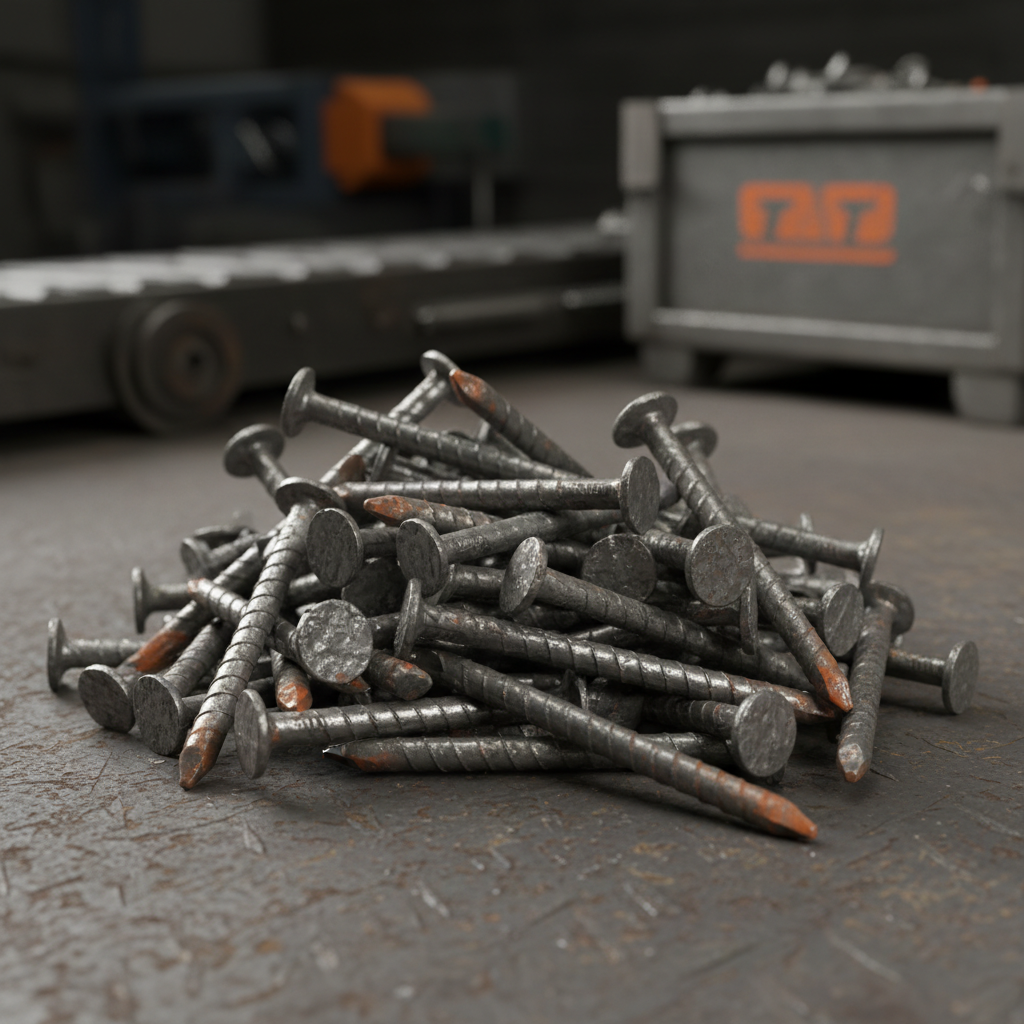
Several types of nails are ideal for pallet projects. Ring shank nails offer superior holding power due to the rings that grip the wood fibers. Spiral shank nails provide a similar benefit, creating a twisting action as they’re driven in. Box nails are a more economical option, but may not hold as securely in dense pallet wood. For finer work or when minimal splitting is crucial, brad nails can be used with a nail gun. When assembling pallets, or dismantling them, using a pry bar and nail puller is essential. Iron Wire Factory stocks a comprehensive range of these nail types in various sizes and finishes.
Key Nail Types for Pallets: Ring Shank, Spiral Shank, Box Nails, Brad Nails. Each offering different levels of holding power and suitability for varying project requirements.
Nail Size and Length: A Crucial Consideration
The appropriate nail length depends on the thickness of the pallet wood. A good rule of thumb is to use nails that penetrate at least two-thirds of the way through the second piece of wood being joined. For most pallet wood, 2.5" to 3" nails are a common choice. However, for thinner pallet boards, 2" nails may be sufficient. Using nails that are too short will result in a weak joint, while nails that are too long can protrude and create a safety hazard. Consider the direction of the wood grain when choosing nail length, as nailing with the grain minimizes splitting.
Nail Length Guidelines:
• 1" - 1.5" nails: For thin pallet boards or attaching smaller components.
• 2" nails: Suitable for general pallet assembly with wood around 3/4" - 1" thick.
• 2.5" - 3" nails: Ideal for joining thicker pallet wood (1" or more) and for applications requiring a strong hold.
Comparing Nail Types for Pallet Applications
Let's compare the key nail types for pallet projects to help you make the best decision for your needs. Iron Wire Factory prides itself on offering quality nails that stand up to the challenges of pallet construction.
Tips for Nailing Pallet Wood
To minimize splitting, pre-drill pilot holes, especially when nailing near the edges of the wood. Using a nail gun with depth control can also help prevent overdriving nails. If you encounter splitting, try using a smaller nail size or angling the nail slightly. When disassembling pallets, use a specialized pallet nail puller to avoid damaging the wood. Remember to always wear safety glasses when working with nails. We at Iron Wire Factory recommend a proactive approach to safety and quality in all your pallet projects.
Conclusion: Building Strong Pallet Projects with the Right Nails
Selecting the right nails for pallet projects is critical for creating durable, safe, and aesthetically pleasing results. By understanding the characteristics of pallet wood and choosing nails appropriate for the application, you can avoid common pitfalls and achieve professional-quality projects. Invest in quality nails from a trusted supplier like Iron Wire Factory and build with confidence.
Frequently Asked Questions (FAQs)
What’s the best way to remove nails from pallet wood without causing damage?
The best approach is to use a pallet nail puller, specifically designed for this purpose. These tools effectively grip the nail head and allow you to leverage it out with minimal damage to the surrounding wood. Avoid using a hammer and pry bar directly, as this can cause significant splitting and splintering. If the nail is rusted or stubborn, applying a penetrating oil beforehand can help loosen it. Take your time and work carefully to preserve as much of the pallet wood as possible. Always wear safety glasses when removing nails.
Can I use a nail gun for pallet projects?
Yes, a nail gun can significantly speed up the process and provide consistent results. However, it’s crucial to use a nail gun with adjustable depth control to prevent overdriving the nails. Select the appropriate nail type and size for the pallet wood you’re working with. It’s also a good idea to test the nail gun on a scrap piece of pallet wood to fine-tune the settings before starting your project. Ensure your nail gun is compatible with the type of nails you intend to use.
What should I do if the pallet wood is splitting when I nail it?
If splitting occurs, stop immediately and reassess your approach. Pre-drilling pilot holes is the most effective solution. Use a drill bit slightly smaller than the diameter of the nail. You can also try using a smaller nail size or angling the nail slightly. Ensure you're not nailing too close to the edge of the wood, as this is where splitting is most likely to occur. Consider using a nail with a ring or spiral shank, as these provide better grip and reduce the likelihood of splitting.
Are galvanized nails necessary for outdoor pallet projects?
Yes, galvanized nails are highly recommended for outdoor pallet projects. The galvanized coating protects the nails from rust and corrosion, ensuring a longer-lasting and more durable structure. Regular steel nails will quickly rust when exposed to the elements, compromising the integrity of your project. For maximum protection, consider using stainless steel nails, which offer superior corrosion resistance but are more expensive. Protecting your investment with quality galvanized or stainless steel nails is a worthwhile precaution.
-
Professional Guide to Choosing Nails for Wooden Fence PanelsNewsApr.16,2026
-
PING HONGLIN WIRE MESH CO.,LTD: African Clients Visit Factory, Deepen Cooperation to Build a Global Quality BenchmarkNewsApr.14,2026
-
Guide to Choosing the Best nails for wood trim for CarpentryNewsApr.09,2026
-
Recognized for Excellence: ANPING HONGLIN WIRE MESH Named Alibaba FY2026 TOP Transaction Merchant, Celebrating 35 Years of Manufacturing HeritageNewsApr.07,2026
-
HONGLIN WIRE MESH Showcases at WORLDBEX Philippines 2026, Earning Strong Recognition from Global Builders & DistributorsNewsApr.07,2026
-
Spanish Client Delegation Visits Our Factory for Exchange, Exploring New Cooperation Opportunities in Welded Wire ProductsNewsApr.07,2026


