
Essential Guide to Choosing the Right Nails for Stockade Fence Projects
Choosing the Right Nails for Stockade Fence Projects
Building or repairing a stockade fence requires careful consideration of materials, and the choice of nails is paramount. The right nails ensure the longevity, stability, and overall integrity of your fence. This article will guide you through the essential aspects of selecting nails for stockade fence projects, covering types, sizes, materials, and factors to consider for a successful build. We'll also explore how proper nail selection impacts the resilience of your fence against weather and wear.
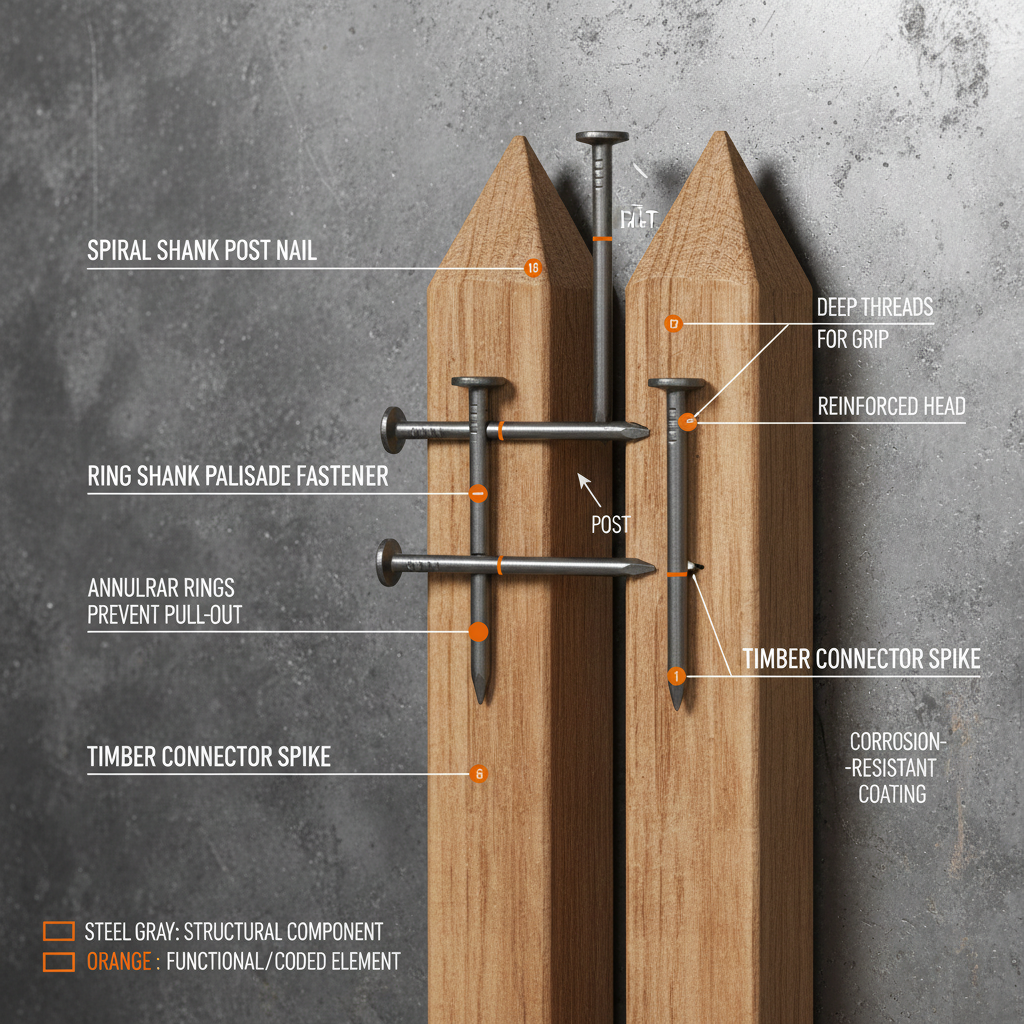
Understanding Stockade Fence Construction
Stockade fences, known for their privacy and rustic appeal, are typically constructed with vertical boards overlapping each other. This overlapping design requires nails that offer strong holding power and resist pull-out. The wood used—often cedar, pine, or pressure-treated lumber—also influences nail selection. Different wood types react differently to various nail materials and coatings. For instance, using galvanized nails with pressure-treated lumber is crucial to prevent corrosion and staining.
Key Considerations: Wood type, environmental exposure, desired fence lifespan, and budget are key factors when choosing nails for a stockade fence.
Types of Nails for Stockade Fences
Several types of nails are suitable for stockade fence construction, each with its own advantages and disadvantages. Common choices include:
- Common Nails: These are general-purpose nails with a smooth shank and a broad head. While affordable, they don't offer the strongest holding power.
- Box Nails: Similar to common nails but with a thinner shank, making them less likely to split the wood.
- Galvanized Nails: Coated with zinc to resist rust and corrosion. Essential for outdoor use, especially with treated lumber.
- Ring Shank Nails: Feature rings along the shank that increase holding power by creating friction. Excellent for applications where pull-out resistance is critical.
- Screw Shank Nails: Offer even greater holding power than ring shank nails, as the twisted shank acts like a screw.
Nail Size and Length: Getting it Right
Selecting the correct nail length is critical for a secure fence. The general rule of thumb is that the nail should penetrate at least two-thirds of the way into the receiving board. For typical stockade fence boards (e.g., 6-inch wide boards nailed to 4x4 posts), 2.5 to 3-inch nails are often suitable. However, thicker boards or posts may require longer nails. Using nails that are too short will compromise the fence's stability, while excessively long nails can protrude and create hazards.
Material Matters: Choosing the Right Nail Material
The material of the nail is just as important as its size. Here's a breakdown:
- Steel Nails: Strong and cost-effective, but prone to rust if not protected.
- Galvanized Steel Nails: A popular choice for outdoor applications. The zinc coating protects against corrosion, extending the nail's lifespan.
- Stainless Steel Nails: Offer superior corrosion resistance but are more expensive. Ideal for coastal areas or use with corrosive wood types.
- Aluminum Nails: Lightweight and rust-proof, but generally less strong than steel nails.
For most stockade fence projects, galvanized steel nails offer the best balance of strength, durability, and cost-effectiveness.
Where to Find Quality Nails – Iron Wire Factory
Selecting the right nails for your stockade fence doesn’t have to be a daunting task. At Iron Wire Factory, we offer a comprehensive range of high-quality nails designed for various fencing applications. Our galvanized, ring shank, and screw shank nails provide superior holding power and corrosion resistance, ensuring your fence remains sturdy and secure for years to come. We prioritize quality and durability, offering nails that meet and exceed industry standards.
Conclusion: Building a Lasting Fence
Investing in the correct nails is an investment in the longevity and safety of your stockade fence. By carefully considering the wood type, environmental factors, and nail characteristics outlined in this guide, you can ensure a durable and aesthetically pleasing fence that will provide years of service.
Frequently Asked Questions (FAQs)
What’s the difference between ring shank and screw shank nails?
Both ring shank and screw shank nails are designed to increase holding power. Ring shank nails have rings along the shank that grip the wood fibers as the nail is driven in, creating friction. Screw shank nails have a twisted shank that acts like a screw, providing even greater resistance to pull-out. Screw shank nails generally offer the highest holding power but may require more force to drive in, potentially splitting the wood. For stockade fences, ring shank nails are often sufficient, but screw shank nails are a good choice for high-stress areas or when using particularly hard wood.
Can I use uncoated steel nails for a stockade fence?
While you can use uncoated steel nails, it’s generally not recommended, especially for outdoor applications. Uncoated steel nails are prone to rust, which weakens the nail and can stain the wood. Rusting nails lose their holding power and can eventually lead to fence failure. Using galvanized or stainless steel nails is a much better long-term solution.
How do I prevent nails from splitting the wood?
Splitting the wood is a common problem when nailing. To minimize splitting, consider these tips: Use box nails, which have a thinner shank. Pre-drill pilot holes, especially when nailing near the ends of boards. Blunt the point of the nail slightly before driving it in. Avoid driving nails at an angle. Ensure you're using the correct nail size for the wood thickness.
Where can I find more information on fencing materials and techniques?
Numerous resources are available online and at your local hardware store. Websites specializing in fencing materials often provide detailed guides and tutorials. The Iron Wire Factory website offers information about our fencing nails and related products, as well as helpful resources for planning your fence project.
-
Professional Guide to Choosing Nails for Wooden Fence PanelsNewsApr.16,2026
-
PING HONGLIN WIRE MESH CO.,LTD: African Clients Visit Factory, Deepen Cooperation to Build a Global Quality BenchmarkNewsApr.14,2026
-
Guide to Choosing the Best nails for wood trim for CarpentryNewsApr.09,2026
-
Recognized for Excellence: ANPING HONGLIN WIRE MESH Named Alibaba FY2026 TOP Transaction Merchant, Celebrating 35 Years of Manufacturing HeritageNewsApr.07,2026
-
HONGLIN WIRE MESH Showcases at WORLDBEX Philippines 2026, Earning Strong Recognition from Global Builders & DistributorsNewsApr.07,2026
-
Spanish Client Delegation Visits Our Factory for Exchange, Exploring New Cooperation Opportunities in Welded Wire ProductsNewsApr.07,2026


