
Expert Guide to Selecting the Best Nails for Thin Wood Projects
Choosing the Right Nails for Thin Wood: A Comprehensive Guide
Working with thin wood requires a delicate touch, and selecting the appropriate nails is crucial to prevent splitting and ensure a strong, lasting hold. Using the wrong type can easily damage the material, resulting in wasted time and resources. This guide will explore the best nail options for thin wood, considering factors like gauge, length, and head type. We’ll also discuss techniques to minimize splitting and maximize the strength of your projects. For a wide range of high-quality nails perfect for any woodworking project, visit Iron Wire Factory.
Understanding Nail Gauge and Length for Thin Wood
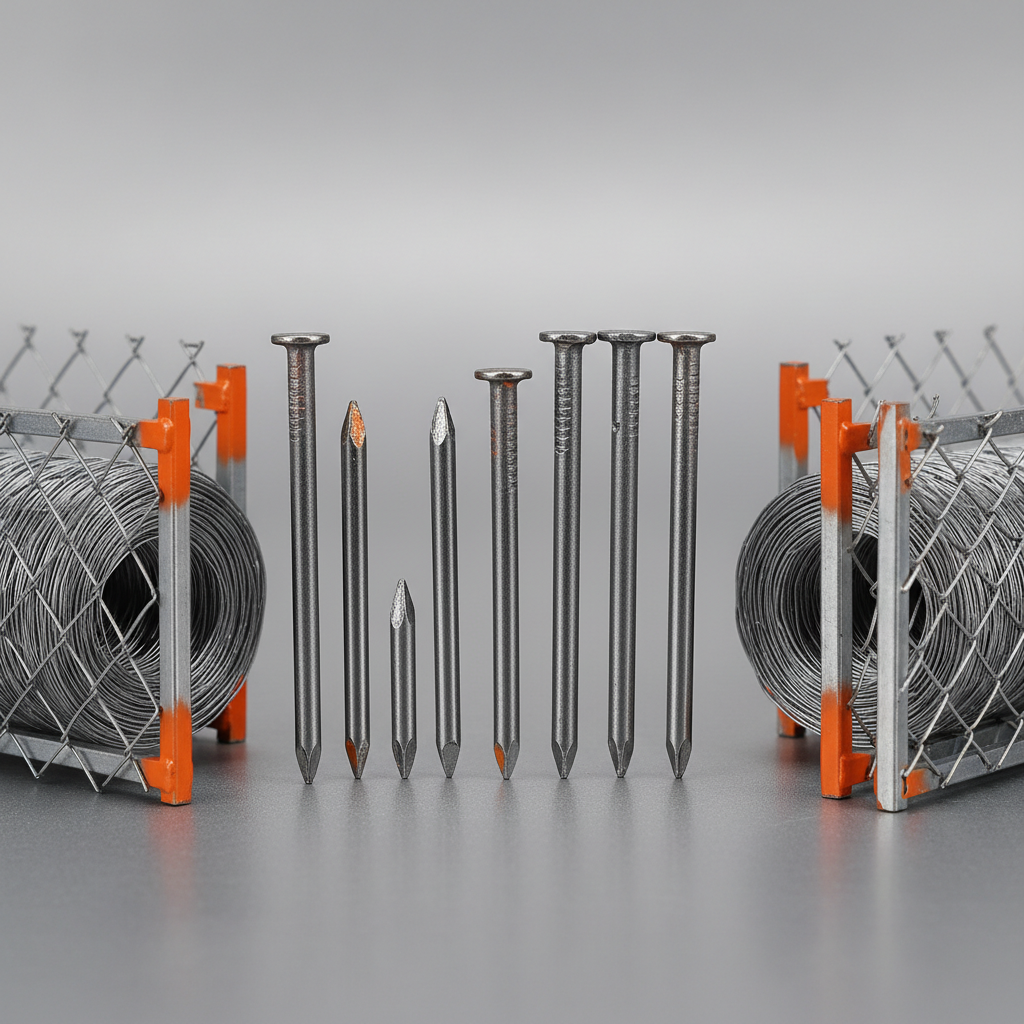
Nail gauge refers to the thickness of the nail shaft, while length is the distance from the head to the point. For thin wood, the key is to use a nail that provides sufficient holding power without causing the wood to split. Generally, a finer gauge nail (higher number, like 21 or 22 gauge) is preferred. Length should be approximately two to three times the thickness of the wood being joined. Avoid using nails that are too long, as they will protrude through the wood and can be a safety hazard. Iron Wire Factory offers a comprehensive selection of nail gauges and lengths to suit any thin wood application.
Key Takeaway: Choosing a finer gauge and appropriate length nail minimizes the risk of splitting and maximizes holding power in thin wood.
Types of Nails Best Suited for Thin Wood
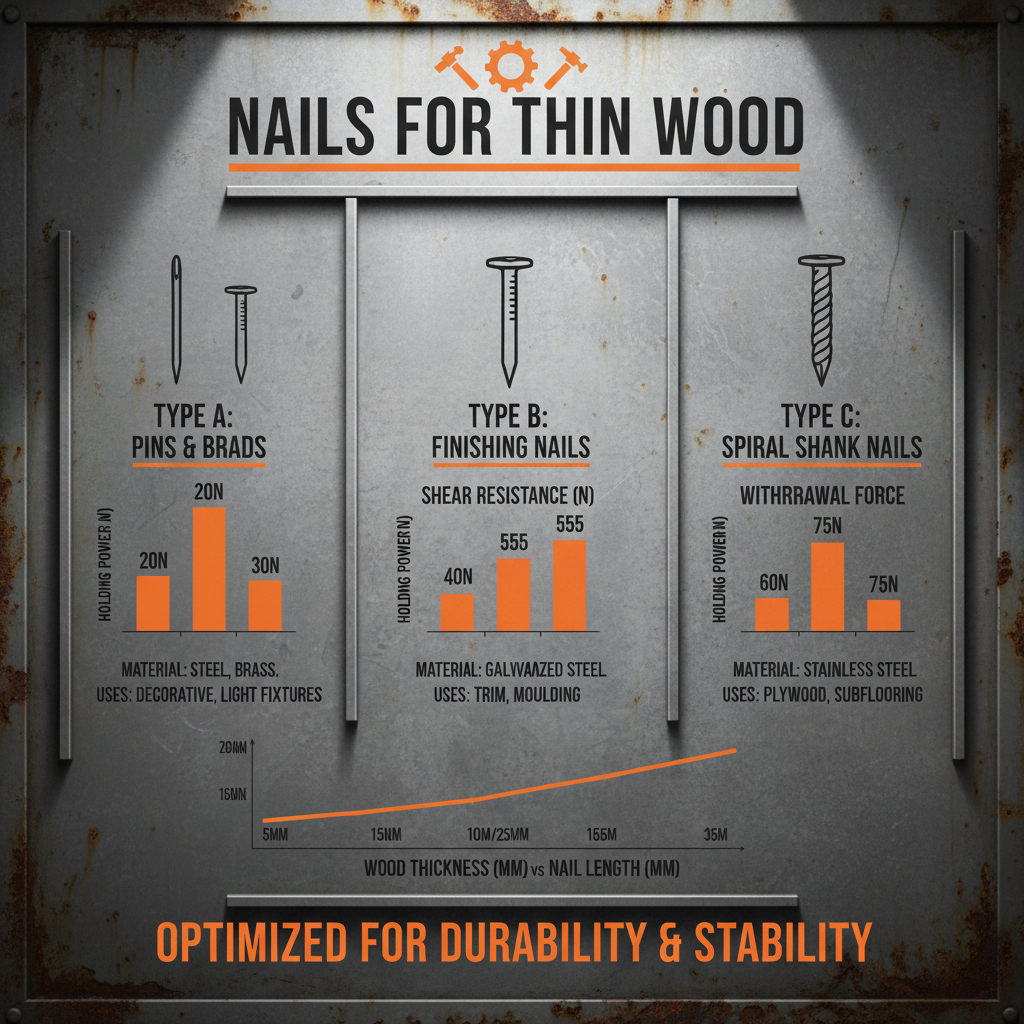
Several nail types perform exceptionally well with thin wood. Brad nails, with their small heads, are ideal for finish work and minimize the visibility of the fastener. Pin nails are even smaller and virtually invisible, making them perfect for delicate trim and molding. Finishing nails also offer a smaller head and are suitable for general-purpose applications where aesthetics are important. Consider using spiral shank nails, as the spiral design increases holding power and reduces the likelihood of the nail backing out. You can find all these nail types and more at Iron Wire Factory.
Nail Type Benefits:
• Brad Nails: Minimal visibility, ideal for finish work.
• Pin Nails: Nearly invisible, perfect for delicate trim.
• Finishing Nails: Versatile for general-purpose applications.
• Spiral Shank Nails: Increased holding power, reduced pull-out.
Nails for Thin Wood: A Comparison Chart
Here's a quick comparison of different nail types and their suitability for various thin wood applications:
Preventing Wood Splitting When Nailing
Splitting is a common issue when working with thin wood. To minimize this risk, consider these techniques: Pre-drilling a pilot hole slightly smaller than the nail diameter is highly recommended, especially when using larger gauge nails. Clamping the wood securely together before nailing helps prevent movement and reduces the chance of splitting. Staggering nails rather than lining them up also distributes the stress more evenly. Finally, using a nail set to countersink the nail head prevents damage to the wood surface. Iron Wire Factory's selection of high-quality nails and accessories can help you achieve professional results.
Conclusion: Achieving Strong and Beautiful Results with the Right Nails
Selecting the correct nails for thin wood is essential for achieving strong, durable, and aesthetically pleasing results. By understanding the different nail types, gauges, and lengths, and employing techniques to prevent splitting, you can confidently tackle any woodworking project. Remember, investing in quality nails from a reputable supplier like Iron Wire Factory will save you time, frustration, and ensure a professional finish.
Final Thoughts: Prioritizing Quality and Technique
Choosing the right nails and using proper techniques is not just about functionality; it's about creating durable and beautiful woodworking projects that stand the test of time. Explore the wide range of options available at Iron Wire Factory and elevate your craftsmanship today.
Frequently Asked Questions (FAQs)
What's the difference between brad nails and pin nails?
Brad nails are slightly thicker and have a larger head than pin nails. This makes them stronger and more suitable for projects requiring more holding power. Pin nails, on the other hand, are incredibly thin and virtually invisible, making them ideal for delicate trim work and projects where aesthetics are paramount. Brad nails typically range from 18-23 gauge, while pin nails fall within the 23-25 gauge range. Both are excellent choices for thin wood, depending on the specific application and desired level of visibility.
Is pre-drilling always necessary when nailing into thin wood?
While not always strictly necessary, pre-drilling is highly recommended, especially when using larger gauge nails or working with particularly delicate wood. Pre-drilling creates a pilot hole that guides the nail and reduces stress on the wood fibers, significantly minimizing the risk of splitting. Even with smaller gauge nails, pre-drilling can still be beneficial, particularly if you're working with hardwoods or want to ensure a perfectly clean finish.
How do spiral shank nails prevent splitting?
Spiral shank nails have a twisted shaft that creates more friction as the nail is driven into the wood. This increased friction helps to grip the wood fibers more securely, preventing the nail from backing out and reducing the likelihood of splitting. The spiral design also distributes the force more evenly, minimizing stress concentration and further reducing the risk of damage to the wood. They are particularly useful in situations where a strong hold is needed without the need for pre-drilling.
Where can I find a reliable supplier of high-quality nails?
Iron Wire Factory is a trusted source for a wide range of high-quality nails, including brad nails, pin nails, finishing nails, and spiral shank nails. We offer competitive pricing, fast shipping, and excellent customer service. We are committed to providing the tools and materials you need to complete your woodworking projects successfully.
-
Professional Guide to Choosing Nails for Wooden Fence PanelsNewsApr.16,2026
-
PING HONGLIN WIRE MESH CO.,LTD: African Clients Visit Factory, Deepen Cooperation to Build a Global Quality BenchmarkNewsApr.14,2026
-
Guide to Choosing the Best nails for wood trim for CarpentryNewsApr.09,2026
-
Recognized for Excellence: ANPING HONGLIN WIRE MESH Named Alibaba FY2026 TOP Transaction Merchant, Celebrating 35 Years of Manufacturing HeritageNewsApr.07,2026
-
HONGLIN WIRE MESH Showcases at WORLDBEX Philippines 2026, Earning Strong Recognition from Global Builders & DistributorsNewsApr.07,2026
-
Spanish Client Delegation Visits Our Factory for Exchange, Exploring New Cooperation Opportunities in Welded Wire ProductsNewsApr.07,2026


