
Expert Guide to Selecting the Right Furniture Finishing Nails for Superior Results
Choosing the Right Furniture Finishing Nails for a Professional Finish
Achieving a flawless finish on furniture projects requires not only skill but also the right tools and materials. Among these, furniture finishing nails play a crucial role in securely fastening pieces while minimizing visible imperfections. This article provides a comprehensive guide to understanding different types of furniture finishing nails, their applications, and how to select the best options for your projects. We will also explore the benefits of sourcing quality nails from a reputable supplier like Iron Wire Factory.
Understanding Different Types of Furniture Finishing Nails
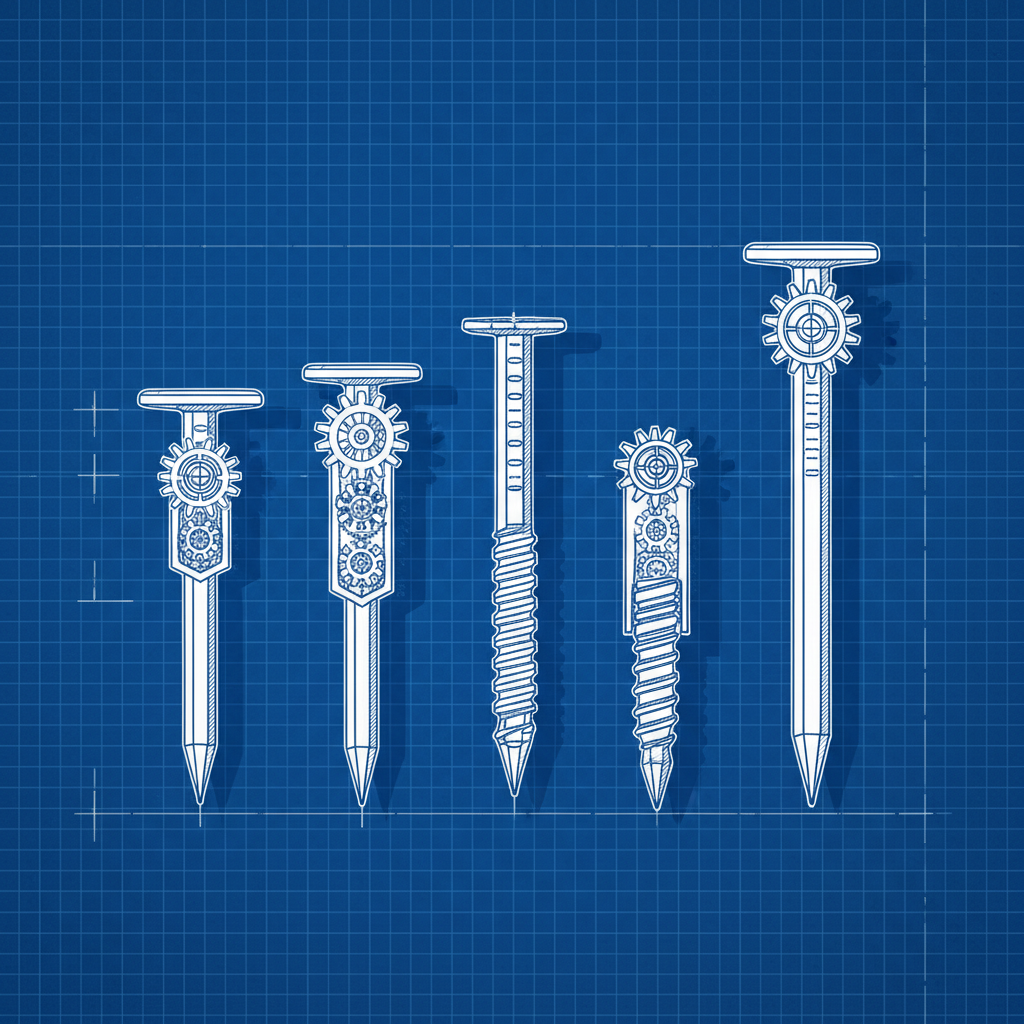
Furniture finishing nails come in various types, each designed for specific applications. Brad nails, for example, are very thin and leave minimal visible holes, making them ideal for delicate trim work and molding. Pin nails are even smaller than brad nails and are often used for extremely fine details where even a small hole would be noticeable. Lost head nails are designed to be driven below the surface of the wood and then covered with wood filler for a truly invisible finish. Finally, cushioned grip nails reduce the risk of splitting the wood and provide a secure hold. Choosing the correct nail type is paramount for a professional result.
Key Takeaway: The nail's gauge (thickness) and length are crucial factors to consider. Thinner nails are less likely to split delicate wood, while longer nails provide a stronger hold for heavier pieces.
A Comparative Look at Common Furniture Finishing Nails
Selecting the appropriate nail isn't just about the type; understanding the nuances between common options is also vital. Consider these points when making your decision:
Factors to Consider When Choosing Furniture Finishing Nails
Beyond the nail type, several factors influence the best choice for your project. The type of wood is a primary consideration. Softer woods like pine require smaller gauge nails to avoid splitting, while hardwoods can accommodate thicker nails for a more secure hold. The thickness of the materials being joined also plays a role – thicker pieces necessitate longer nails. Furthermore, the desired aesthetic is critical. If you want a completely invisible fastening solution, lost head nails are the ideal choice.

The Importance of Quality Nails & Sourcing from a Reliable Supplier
Using high-quality furniture finishing nails is paramount for a durable and aesthetically pleasing result. Inferior nails may bend, break, or have inconsistencies in size, leading to a weak hold and a compromised finish. Iron Wire Factory is a trusted supplier committed to delivering nails of consistently high quality. We use premium materials and rigorous quality control processes to ensure our nails meet the demands of professional woodworkers and furniture makers. Sourcing from a reliable supplier guarantees you'll receive nails that perform as expected, saving you time and frustration.
Proper Nailing Techniques for a Professional Finish
Even with the right nails, proper technique is essential. Always use a nail gun or hammer designed for finishing nails to prevent damage to the wood. When using a nail gun, adjust the depth setting to ensure the nail head is slightly below the surface. If using a hammer, carefully countersink the nail head without damaging the surrounding wood. For lost head nails, use a nail set to drive the head below the surface and then fill the hole with wood filler that matches the wood’s color.
Conclusion: Achieving Furniture Finishing Excellence
Selecting the right furniture finishing nails and employing proper techniques are essential for creating beautiful, durable furniture. By understanding the various nail types, considering the specific project requirements, and sourcing from a trusted supplier like Iron Wire Factory, you can consistently achieve professional-level results. Don't compromise on quality – invest in the right tools and materials for your next project.
Frequently Asked Questions (FAQs)
What is the best nail size for attaching molding to furniture?
The ideal nail size depends on the thickness of the molding and the furniture piece. Generally, 1 1/4" to 1 1/2" brad nails are suitable for most applications. If the molding is particularly thick or the furniture wood is very hard, you might consider using 1 1/2" to 2" brad nails. Always ensure the nail penetrates deeply enough into the furniture wood to provide a secure hold but doesn't go all the way through. Using a nail that’s too short results in a weak bond, while a nail that’s too long can create unsightly exit marks. It’s best to test a few nails in an inconspicuous area first.
How can I prevent wood from splitting when using finishing nails?
Wood splitting is a common issue, especially with brittle or dry wood. Several methods can help prevent it. First, use a smaller gauge nail. Second, pre-drill a pilot hole slightly smaller than the nail diameter. This creates a pathway for the nail and reduces stress on the wood fibers. Cushioned grip nails are also excellent for minimizing splitting. Finally, avoid driving nails too close to the edge of the wood. Proper technique and the right nail type are key to preventing unsightly splits.
What's the difference between a nail gun and a hammer for finishing nails?
While both can drive finishing nails, a nail gun offers several advantages. It provides consistent depth control, reducing the risk of overdriving or underdriving nails. Nail guns are also significantly faster and more efficient, especially for larger projects. A hammer requires more skill and precision to achieve consistent results. However, for small or occasional projects, a hammer can be a viable option. For professional results and efficiency, a nail gun is highly recommended.
Where can I find high-quality furniture finishing nails?
You can find high-quality furniture finishing nails at Iron Wire Factory. We offer a wide selection of nail types, gauges, and lengths to meet all your furniture finishing needs. We prioritize quality and offer competitive pricing.
-
Professional Guide to Choosing Nails for Wooden Fence PanelsNewsApr.16,2026
-
PING HONGLIN WIRE MESH CO.,LTD: African Clients Visit Factory, Deepen Cooperation to Build a Global Quality BenchmarkNewsApr.14,2026
-
Guide to Choosing the Best nails for wood trim for CarpentryNewsApr.09,2026
-
Recognized for Excellence: ANPING HONGLIN WIRE MESH Named Alibaba FY2026 TOP Transaction Merchant, Celebrating 35 Years of Manufacturing HeritageNewsApr.07,2026
-
HONGLIN WIRE MESH Showcases at WORLDBEX Philippines 2026, Earning Strong Recognition from Global Builders & DistributorsNewsApr.07,2026
-
Spanish Client Delegation Visits Our Factory for Exchange, Exploring New Cooperation Opportunities in Welded Wire ProductsNewsApr.07,2026


