
Expert Guide to Selecting the Right Nails for Joining Wood Projects
Choosing the Right Nails for Joining Wood: A Comprehensive Guide
Selecting the correct nails for joining wood is crucial for the longevity and strength of any woodworking project. From framing to finishing, different types of nails serve distinct purposes. This guide will explore the various types of wood nails, their applications, materials, and factors to consider when making your selection. A properly nailed joint can withstand significant stress and provide a lasting bond. We will delve into the nuances of nail selection to help you achieve professional results.
Understanding Different Types of Wood Nails
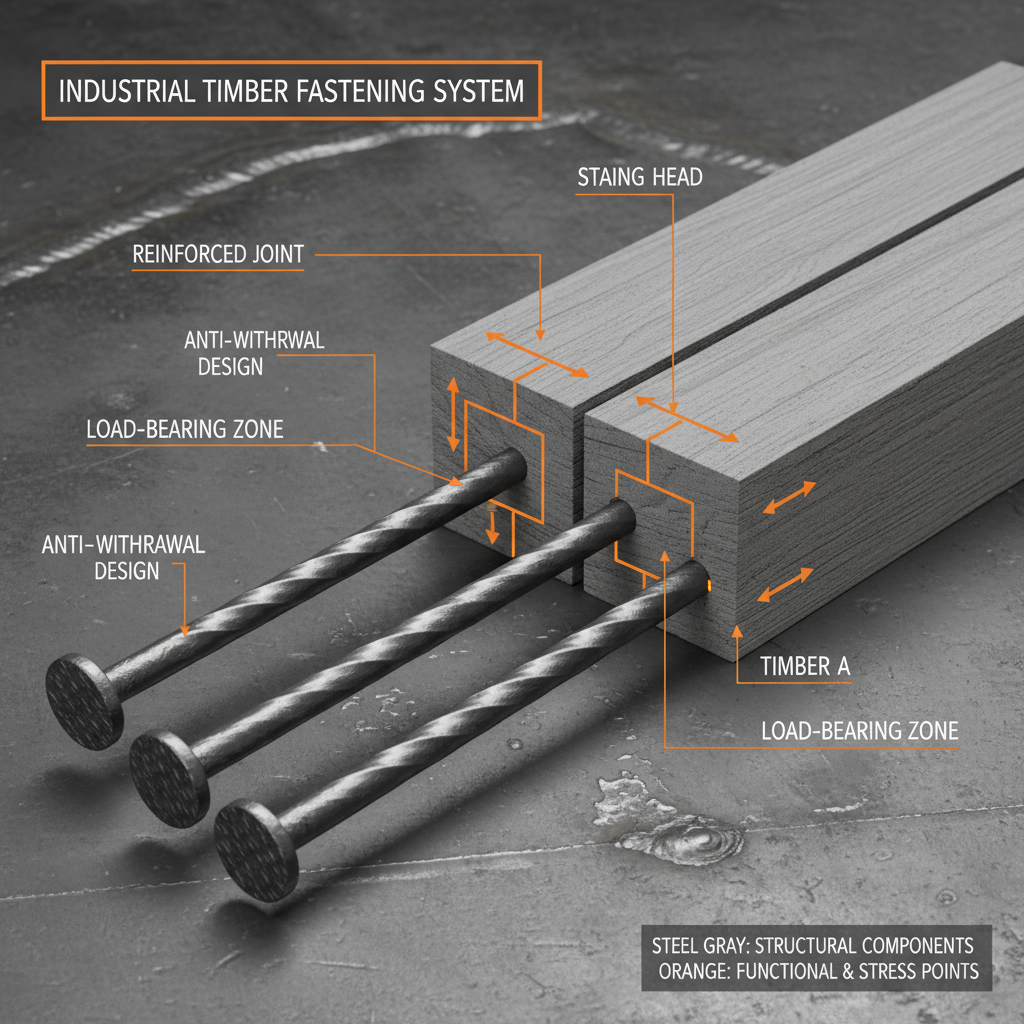
Wood nails come in a vast array of types, each designed for specific applications. Common types include finishing nails, common nails, box nails, and roofing nails. Finishing nails have a small head and are used to join trim and molding without being visible. Common nails, with their larger heads, are ideal for general construction and framing. Box nails feature a thinner shank, reducing the risk of splitting the wood, and are used for softer woods. Roofing nails, as the name suggests, are specifically designed for securing roofing materials. Choosing the right type based on the wood and application is paramount.
Key Highlights: Understanding the purpose of each nail type – from discreet finishing nails to robust common nails – ensures optimal joint strength and aesthetic appeal.
Nail Materials: Steel, Aluminum, and Stainless Steel
The material of the nail plays a significant role in its durability and resistance to corrosion. Steel nails are the most common and affordable option, suitable for general construction. Aluminum nails are lightweight and corrosion-resistant, making them ideal for exterior applications and when working with treated lumber. Stainless steel nails offer superior corrosion resistance and are recommended for marine environments or when joining dissimilar metals. Considering the environment and wood type will guide your material choice.
Material Benefits:
• Steel: Cost-effective and strong.
• Aluminum: Lightweight and corrosion-resistant.
• Stainless Steel: Exceptional corrosion resistance for demanding environments.
A Comparison of Common Nails for Joining Wood
Understanding the differences between commonly used nails helps in making the right selection. Here's a comparison table to assist you:
Factors to Consider When Selecting Nails
Beyond the type and material, several factors influence nail selection. Wood hardness is critical – softer woods require thinner nails to avoid splitting, while hardwoods can accommodate thicker nails. Nail length should be approximately three times the thickness of the wood being joined. Furthermore, consider the potential for corrosion and choose appropriate materials for exterior applications. Proper nail size and type will maximize joint integrity and prevent damage to the wood. Ironwirefactory.com offers a wide selection to meet your specific needs.
Conclusion: Ensuring Strong and Lasting Wood Joints
Choosing the right nails for joining wood is an essential skill for any woodworker. By understanding the different types, materials, and factors involved, you can ensure your projects are strong, durable, and aesthetically pleasing. Investing in quality nails from a reputable supplier like Ironwirefactory.com is a worthwhile investment in the longevity of your woodworking projects. Don't underestimate the importance of this seemingly small component – it's the key to a well-built and lasting structure.
Frequently Asked Questions (FAQs)
What is the best way to prevent wood from splitting when nailing?
To prevent wood from splitting, several techniques can be employed. Firstly, use nails with a thinner shank, such as box nails. Secondly, blunt the tip of the nail slightly before hammering it in. This reduces the force concentrated on a single point. Pre-drilling pilot holes, especially near the edges of the wood, is also highly effective. Ensure the pilot hole is slightly smaller than the nail’s shank diameter. For hardwoods, pre-drilling is almost always necessary. Finally, avoid hammering nails too close to the edge of the wood.
What is the difference between smooth and ring shank nails?
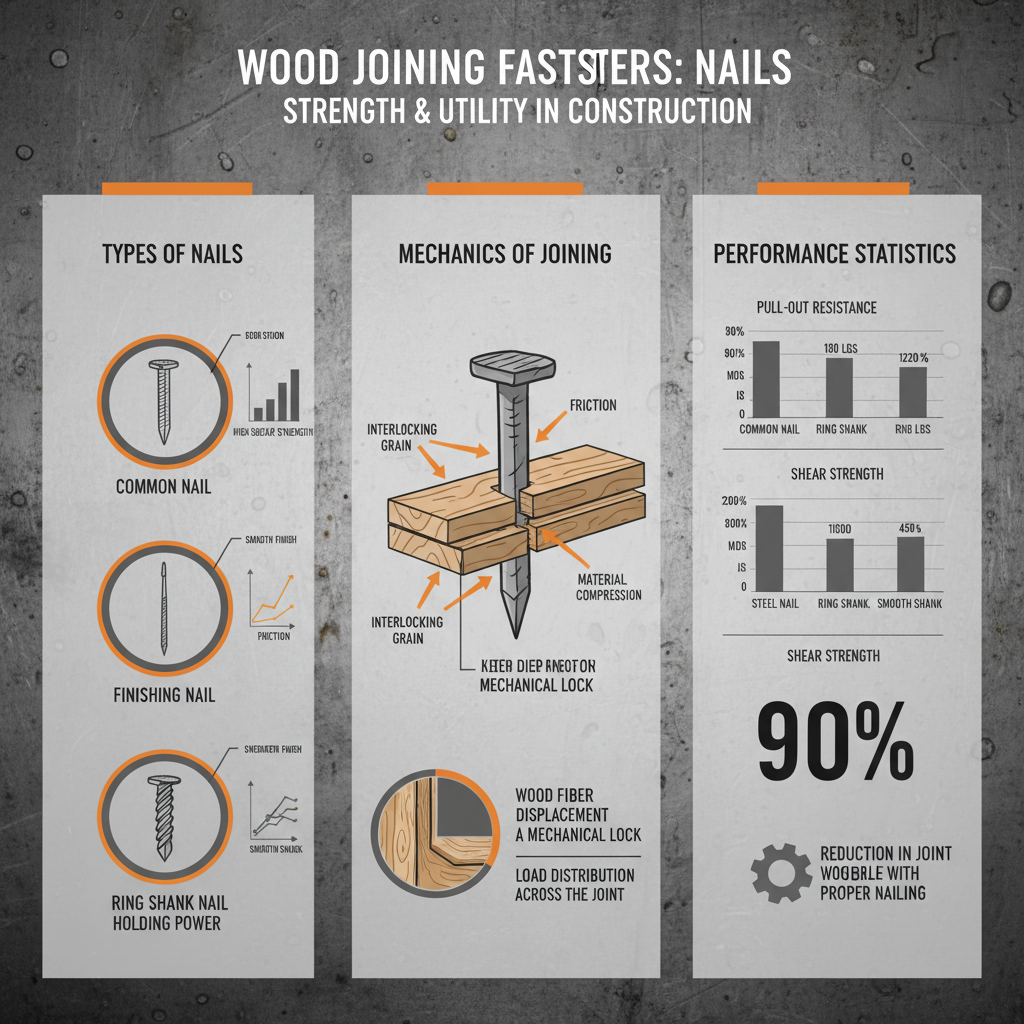
Smooth shank nails are the standard type and are suitable for general construction where a strong, but not necessarily gripping, hold is needed. Ring shank nails, however, have rings along the shank that increase their holding power. These rings grip the wood fibers more securely, making them ideal for applications where resistance to pull-out is crucial, such as framing or flooring. Ring shank nails are generally preferred for projects where longevity and strength are paramount.
How do I choose the correct nail length?
A good rule of thumb is to use nails that are approximately three times the thickness of the wood you are joining. For example, if you are joining two pieces of 1-inch thick wood, a 3-inch nail would be appropriate. However, this is just a guideline. Consider the type of wood and the load it will bear. For heavier loads, you may need to use longer nails. It’s also important to ensure that the nail doesn’t protrude through the other side of the wood.
Are galvanized nails suitable for outdoor use?
Galvanized nails are a good choice for outdoor use, as the zinc coating provides a degree of corrosion resistance. However, for more demanding outdoor applications, especially in coastal environments or when in contact with treated lumber, stainless steel nails are recommended. Stainless steel offers superior corrosion protection and will ensure the longevity of your project. While galvanized nails are cost-effective, stainless steel provides a greater return on investment in the long run.
-
Professional Guide to Choosing Nails for Wooden Fence PanelsNewsApr.16,2026
-
PING HONGLIN WIRE MESH CO.,LTD: African Clients Visit Factory, Deepen Cooperation to Build a Global Quality BenchmarkNewsApr.14,2026
-
Guide to Choosing the Best nails for wood trim for CarpentryNewsApr.09,2026
-
Recognized for Excellence: ANPING HONGLIN WIRE MESH Named Alibaba FY2026 TOP Transaction Merchant, Celebrating 35 Years of Manufacturing HeritageNewsApr.07,2026
-
HONGLIN WIRE MESH Showcases at WORLDBEX Philippines 2026, Earning Strong Recognition from Global Builders & DistributorsNewsApr.07,2026
-
Spanish Client Delegation Visits Our Factory for Exchange, Exploring New Cooperation Opportunities in Welded Wire ProductsNewsApr.07,2026


