
Hexagonal Gabion Box, Galvanized/PVC Double-Twisted—Why Us?
If you’ve ever stood on a flood-prone riverbank during the first big melt, you’ll understand why engineers keep coming back to the Hexagonal Gabion Box. It’s simple, flexible, and—when specified correctly—remarkably tough. I’ve seen projects in western China hold up season after season with these cages, and to be honest, that quiet reliability is why they’ve become the backbone of nature-based, climate-resilient works.
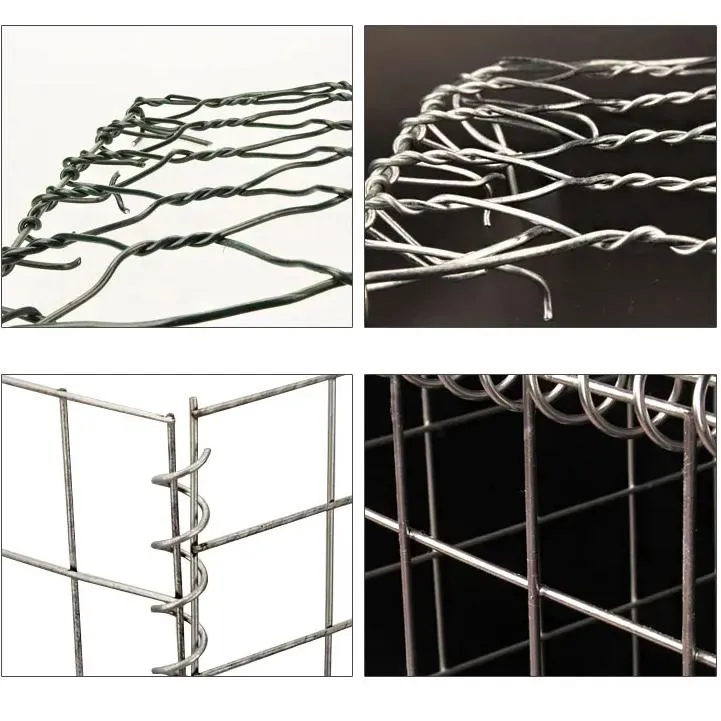
What’s driving adoption right now
Three trends: increasing flood variability, a push for greener “permeable” structures (let water through, dissipate energy), and tighter QA around coatings. Gabions tick all three boxes, especially when you spec Galfan alloy and PVC for aggressive sites. In fact, many customers say the vegetated finish blends better than concrete riprap, which—no surprise—pleases communities and inspectors alike.
Product snapshot and key specs
Made in Heng Shui ZhengXuan Industrial Zone, AnPing, HengShui, HeBei, China, the Hexagonal Gabion Box uses high-quality low carbon steel wire (or stainless on request) woven into a double-twisted hexagonal mesh. Internal diaphragms every ≈1 m keep rock evenly distributed, reducing bulging.
| Parameter | Spec (typical) |
|---|---|
| Wire material | Low carbon steel wire / stainless steel (on request) |
| Wire diameter | ≈2.00–4.00 mm (selvage often +0.5 mm) |
| Mesh openings | 60×80, 80×100, 80×120, 50.8×50.8 (2×2"), 76.2×76.2 mm (3×3") |
| Standard sizes | 2×1×1 m; 3×1×1 m; 4×1×1 m; 2×1×0.5 m; 4×1×0.5 m (custom on request) |
| Coatings | Galvanized, Galfan (Zn-5%Al), PVC coating, or combo systems |
| Standards | ASTM A975; EN 10223-3; ISO 1461 (galv.) |
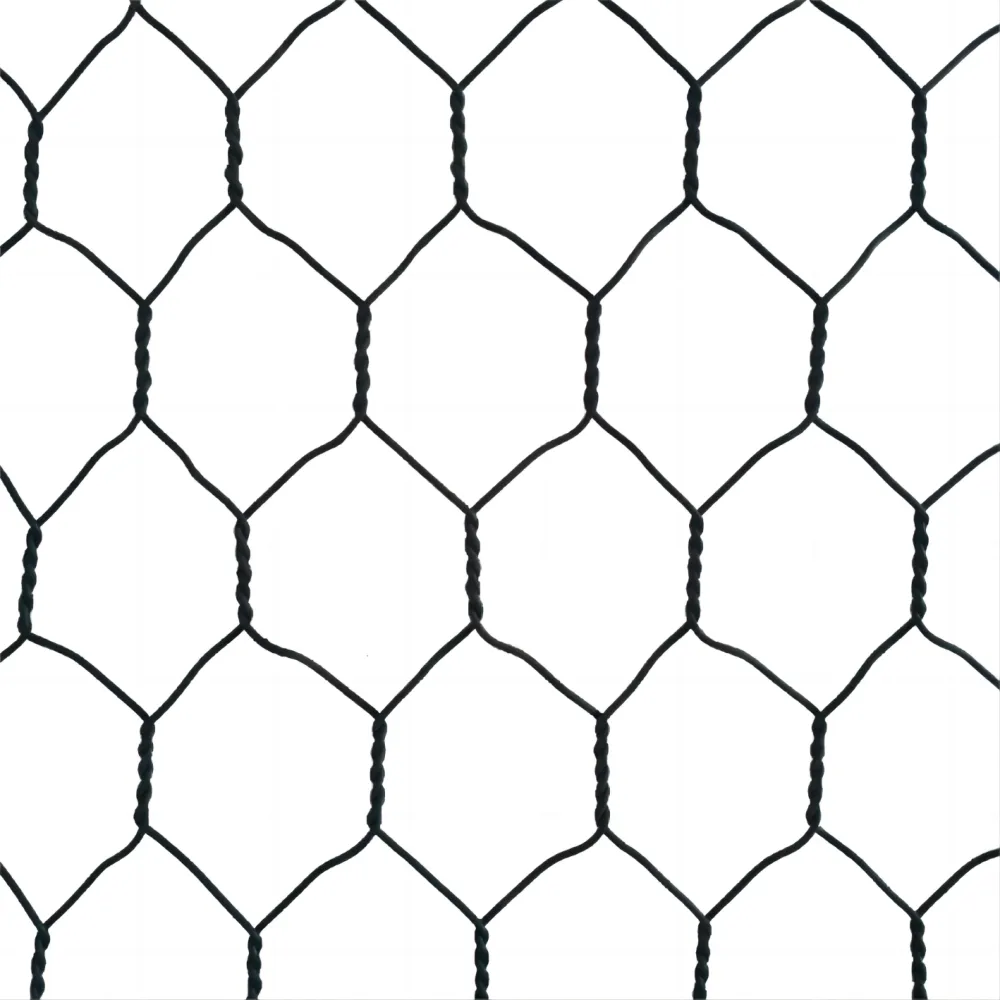
Process flow, testing, and service life
Materials arrive with mill certificates, then it’s wire drawing → annealing (as needed) → galvanizing or Galfan alloy coating → PVC coating (if specified) → double-twist weaving → panel cutting → heavier selvedge wire edging → diaphragm insertion → assembly and bundling. QC checkpoints include mesh opening gauge, tensile of wire, coating mass, and visual twist integrity.
Testing benchmarks often reference ASTM A975 for mesh integrity and joint strength; EN 10223-3 for wire and mesh; ISO 1461 for galvanizing thickness. Lab corrosion screening via ISO 9227 (salt spray) typically shows galvanized systems around 500–1500 h, and Galfan + PVC stretching to 3000 h+, though real-world use may vary. In rivers with moderate chloride exposure, a conservative service life is ≈20–50 years depending on rock fill, UV, water chemistry, and maintenance cycles.
Where it works best
- Riverbank revetments and scour protection (Xinjiang-style seasonal flows)
- Retaining walls and toe protection for highways/rail
- Energy dissipation around culverts, weirs, aprons
- Coastal dune foot, backshore stabilization (with marine-grade coating)
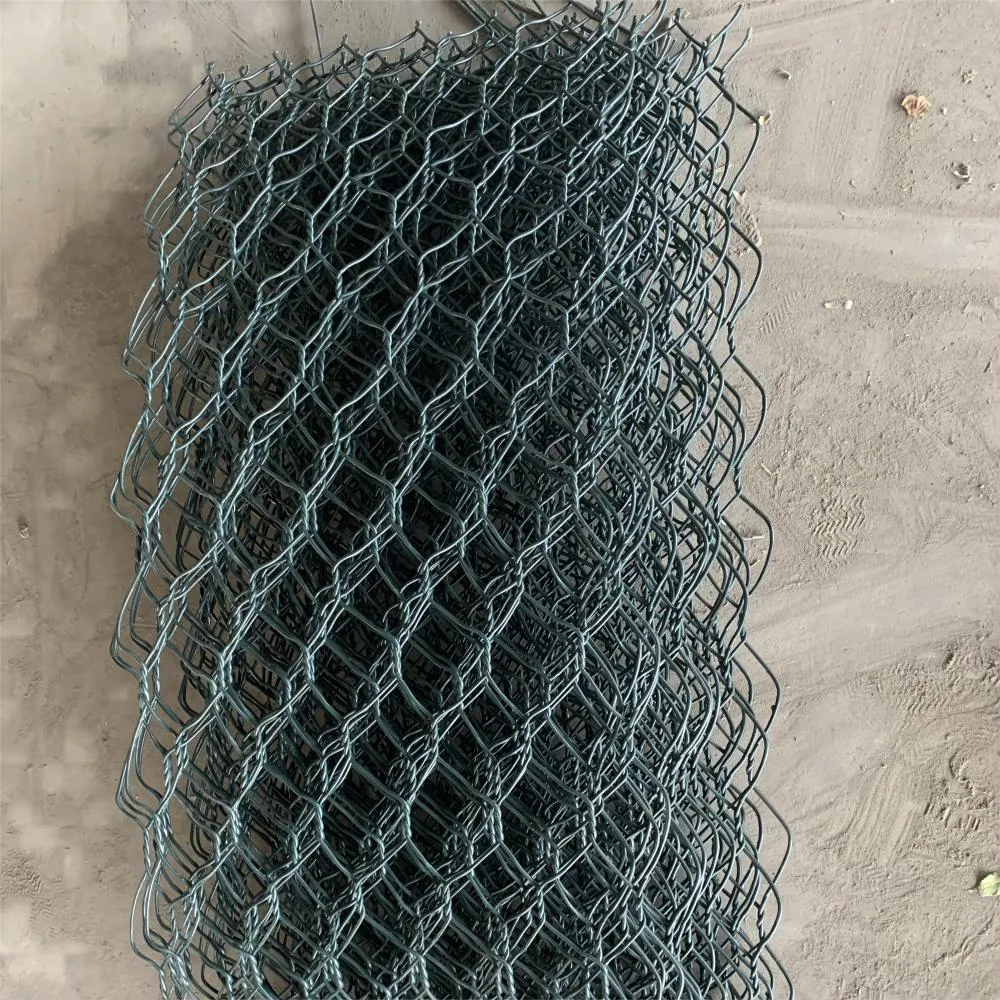
Why engineers pick gabions (and stick with them)
Permeability reduces uplift pressures; flexibility accommodates settlement without cracking; mass + interlock resist scour. And, surprisingly, vegetation colonization improves long-term stability. Many customers say installation is straightforward: assemble, place, anchor, fill with well-graded angular stone, lid, lace, and you’re done.
Vendor comparison (quick take)
| Vendor | Origin | Coatings | Lead time | Certs (typical) |
|---|---|---|---|---|
| Ironwire Factory (this product) | AnPing, HeBei, CN | Galv., Galfan, PVC, combo | ≈10–20 days | ISO 9001; test reports on request |
| Generic importer | Mixed | Galv. only (often) | ≈30+ days | Varies; limited traceability |
Customization and documentation
You can tweak mesh size, wire dia, panel dimensions, diaphragm spacing, and coating color. Submittals usually include QMS certs, coating certificates, mill test reports, and, if you ask, third-party lab data (SGS-style) for coating mass and corrosion screening.
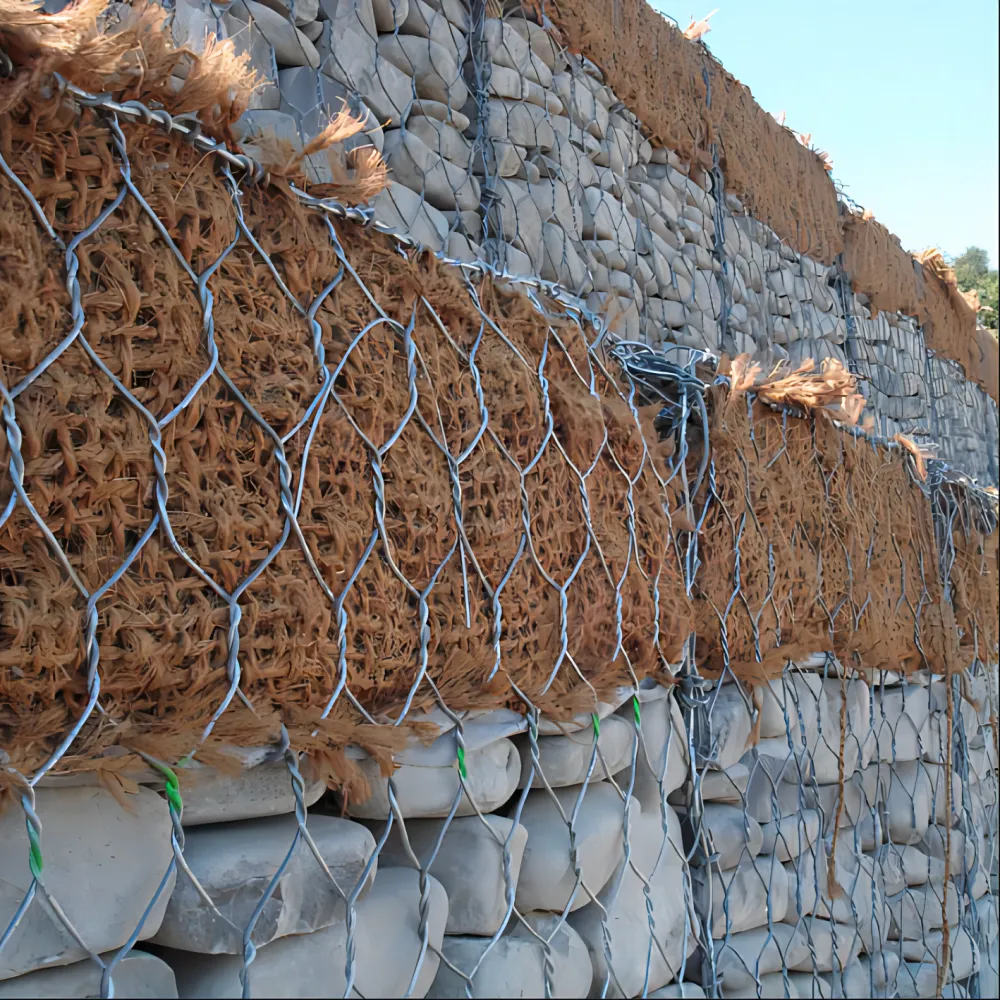
Field notes and mini case studies
- Xinjiang tributary pilot (2023): Hexagonal Gabion Box toe line survived spring surge; site supervisor noted “no notable settlement after first flood.”
- Sichuan highway slope (retaining): Galfan + PVC used for chloride exposure; vegetation coverage reached ≈60% by year two.
- Coastal stream outlet: switch from plain galv. to Galfan extended maintenance intervals—contractor feedback was, I guess, cautiously optimistic.
Final tip
Match rock size to mesh opening (D50 typically ≥ 1.5× opening), lace tight at all seams, and anchor the toe. It sounds basic, but it makes or breaks performance.
Authoritative citations
- ASTM A975 – Standard Specification for Double-Twisted Hexagonal Mesh Gabions and Gabion Mattresses.
- EN 10223-3 – Steel wire and wire products for fencing and netting: Hexagonal steel wire netting for engineering purposes.
- ISO 1461 – Hot dip galvanized coatings on fabricated iron and steel articles.
- ISO 9227 – Corrosion tests in artificial atmospheres — Salt spray tests.
-
Professional Guide to Choosing Nails for Wooden Fence PanelsNewsApr.16,2026
-
PING HONGLIN WIRE MESH CO.,LTD: African Clients Visit Factory, Deepen Cooperation to Build a Global Quality BenchmarkNewsApr.14,2026
-
Guide to Choosing the Best nails for wood trim for CarpentryNewsApr.09,2026
-
Recognized for Excellence: ANPING HONGLIN WIRE MESH Named Alibaba FY2026 TOP Transaction Merchant, Celebrating 35 Years of Manufacturing HeritageNewsApr.07,2026
-
HONGLIN WIRE MESH Showcases at WORLDBEX Philippines 2026, Earning Strong Recognition from Global Builders & DistributorsNewsApr.07,2026
-
Spanish Client Delegation Visits Our Factory for Exchange, Exploring New Cooperation Opportunities in Welded Wire ProductsNewsApr.07,2026


