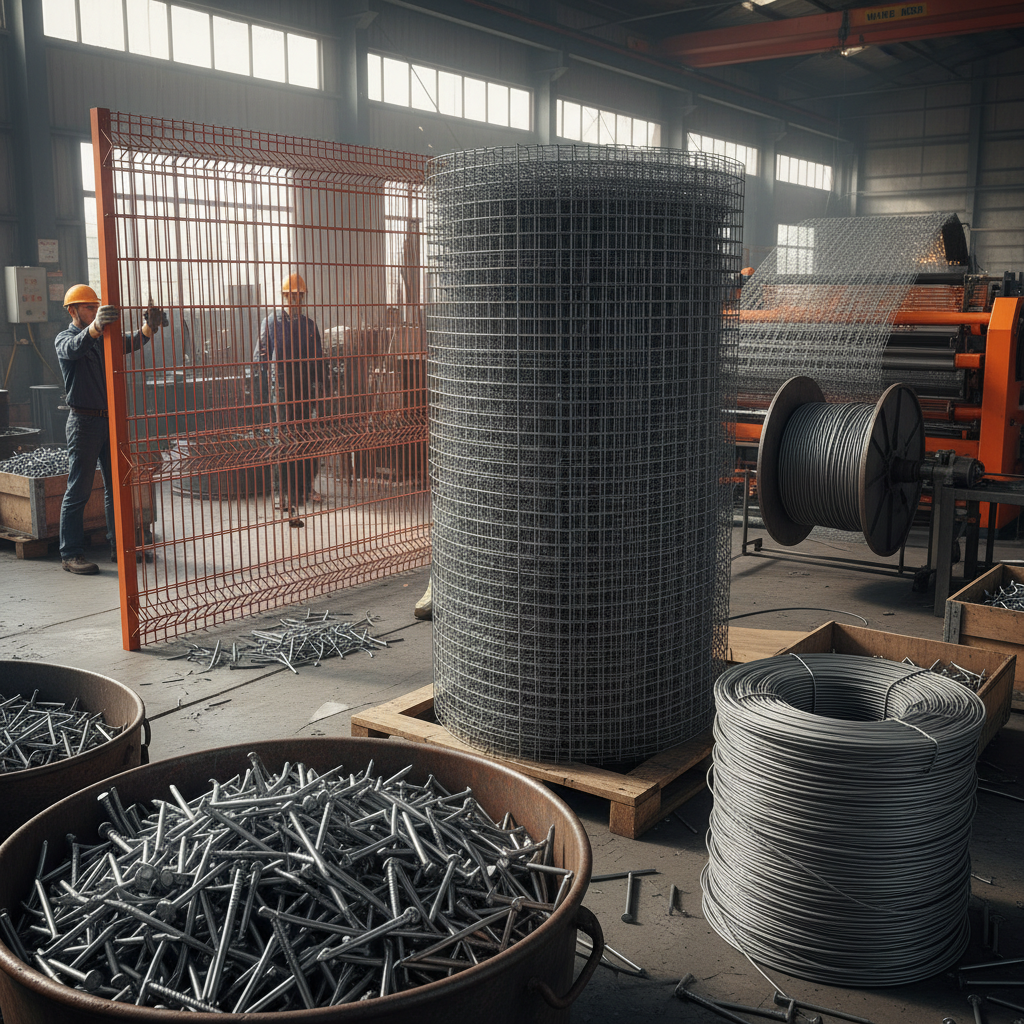
When it comes to precision containment and structural reinforcement, hardware cloth 24 stands as a cornerstone in the metal mesh industry. This specialized galvanized steel mesh, characterized by its tight weave and consistent aperture, provides an essential barrier for everything from high-end agricultural setups to intricate industrial filtration systems. Understanding the technical nuances of this material is key to ensuring long-term durability and operational efficiency across various global sectors.
From a global perspective, the demand for hardware cloth 24 has surged as urban farming and precision engineering become more prevalent. In regions where pest control and material separation are critical, the reliance on standardized, corrosion-resistant mesh has shifted from a luxury to a necessity. The ability of this material to withstand harsh environmental conditions while maintaining structural integrity makes it a preferred choice for engineers and farmers alike.
However, selecting the wrong gauge or coating for your specific application can lead to premature failure and increased maintenance costs. By exploring the technical specifications and practical applications of hardware cloth 24, users can optimize their projects for maximum safety and longevity. This guide delves deep into the industrial standards, benefits, and future innovations of this versatile metal product.
Global Industry Context of Hardware Cloth 24
The global landscape for metal wire products has evolved significantly, with hardware cloth 24 playing a pivotal role in modern infrastructure and agricultural protection. According to ISO standards for galvanized coatings, the precision of the weave in such mesh is critical for preventing the ingress of small pests and debris. As global supply chains strive for higher quality control, the standardization of these mesh dimensions ensures that components manufactured in different parts of the world remain compatible.
In industrial zones across Asia and North America, the challenge often lies in balancing the rigidity of the mesh with its flexibility for installation. The industry has seen a shift toward higher zinc-coating weights to combat the increasing acidity of industrial air and soil. This transition ensures that hardware cloth 24 remains a viable long-term solution rather than a temporary fix, reducing the overall lifecycle cost for large-scale deployments.
Definition and Technical Meaning of Hardware Cloth 24
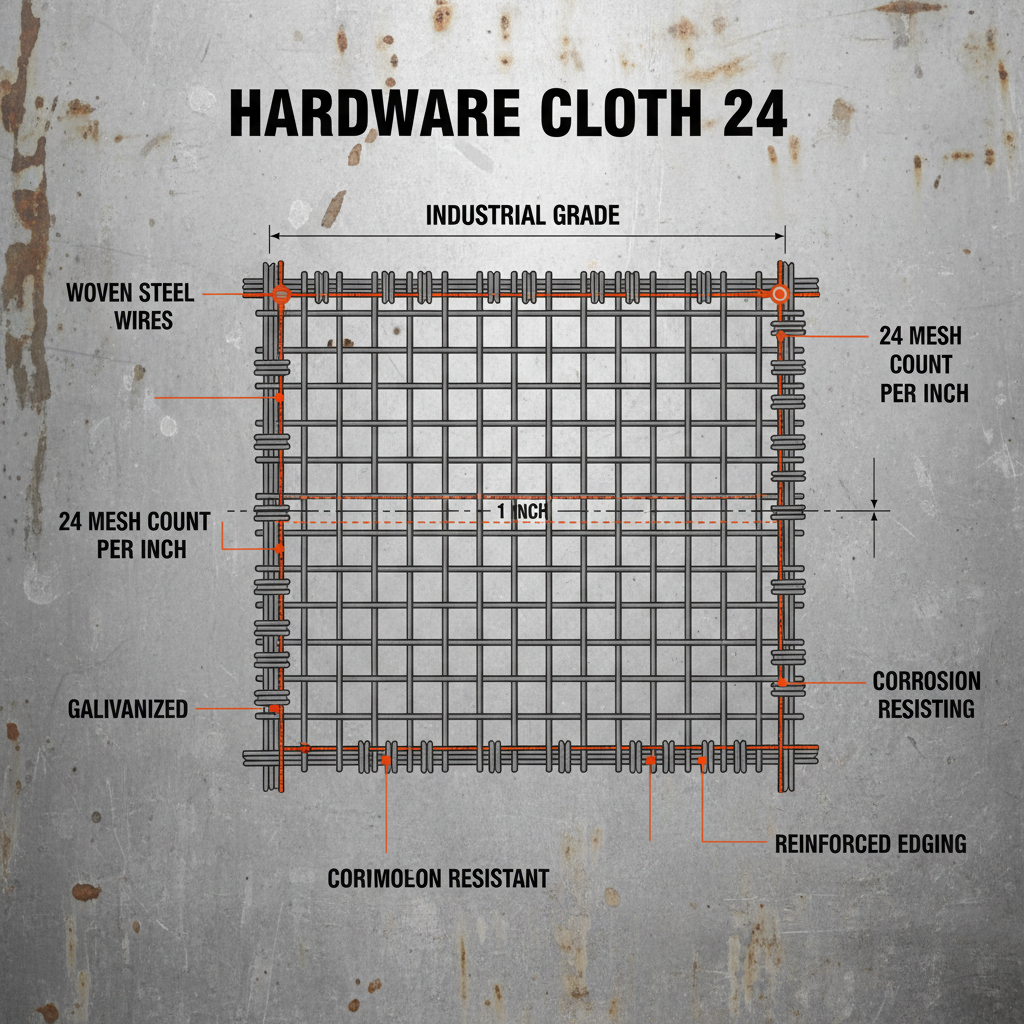
In simple terms, hardware cloth 24 refers to a specific grade of welded wire mesh known for its small openings and sturdy wire gauge. Unlike traditional chicken wire, which is hexagonal and flexible, this material is typically welded at every intersection, creating a rigid grid that resists deformation. This structural integrity is what makes it indispensable for applications where a precise aperture is required to exclude specific sizes of animals or particles.
From a technical standpoint, the "24" often relates to the gauge or the specific mesh count per linear inch, depending on the regional standard being applied. This precision is not merely a technicality; it is a critical requirement for humanitarian needs, such as creating secure food storage units in disaster-relief zones to prevent rodent infestation. By providing a physical barrier that is nearly impossible for pests to penetrate, it safeguards essential resources in vulnerable environments.
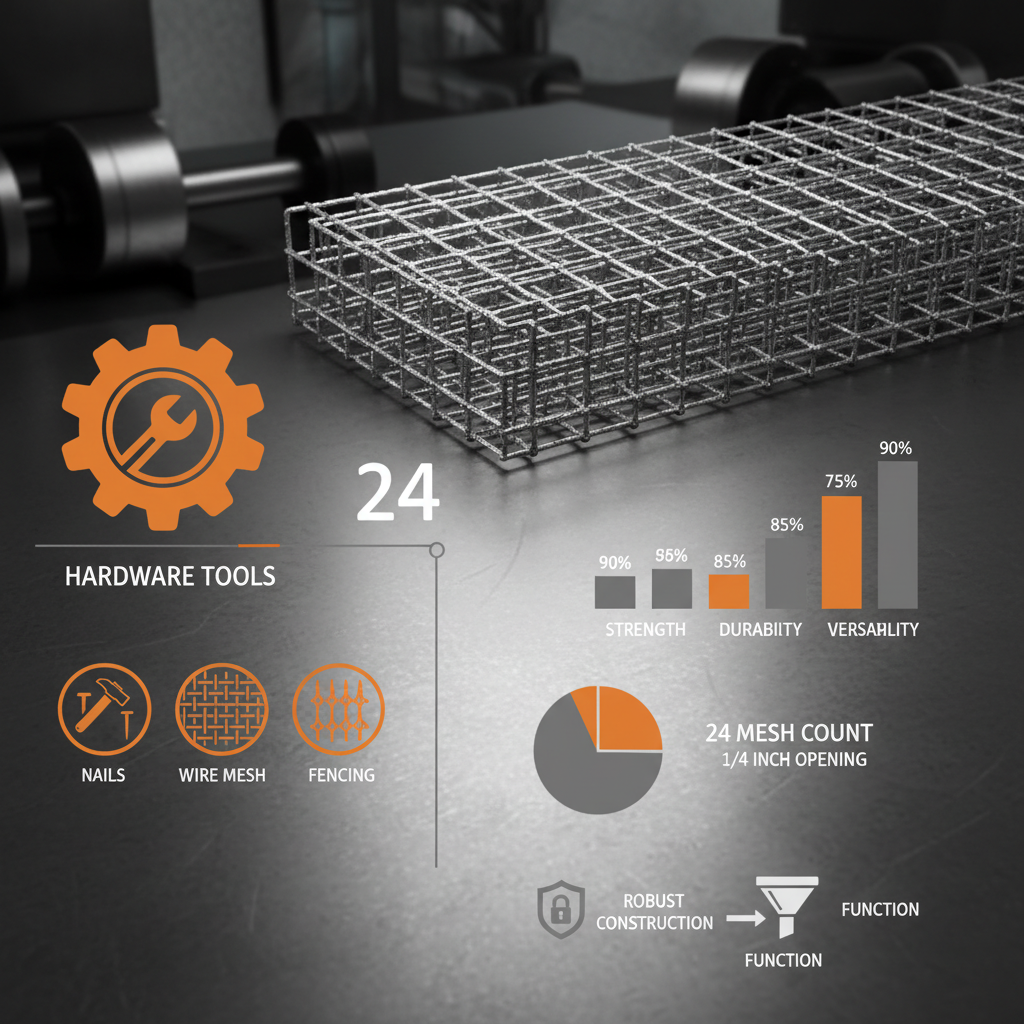
Connecting this to modern industry, hardware cloth 24 serves as a bridge between heavy-duty industrial fencing and fine screening. It offers the strength of steel with the permeability of a screen, allowing air and light to pass through while maintaining a high level of security. This duality makes it a primary choice for everything from HVAC guards to sophisticated animal husbandry systems.
Core Components and Durability Factors
The primary driver of the performance of hardware cloth 24 is the quality of the base steel. High-carbon steel is often utilized to provide the necessary tensile strength, ensuring that the mesh does not sag or warp under pressure. This structural foundation is what allows the mesh to be used in load-bearing capacities, such as shelving supports or reinforced concrete additives.
Galvanization is the second core component that defines the lifespan of hardware cloth 24. By applying a protective layer of zinc, the steel is shielded from oxidation. In saline environments or high-humidity regions, the thickness of this zinc layer determines whether the product will last for two years or twenty, making the "hot-dipped" process significantly superior to electro-galvanizing.
Finally, the welding precision at the intersection points of hardware cloth 24 ensures that the mesh remains a singular, cohesive unit. Poor welding can lead to "pop-outs" where the wires separate, compromising the security of the enclosure. Advanced automated welding technology now allows for consistent heat application, ensuring that every joint is as strong as the wire itself.
Performance Analysis and Cost Efficiency
When evaluating the efficiency of hardware cloth 24, one must consider the balance between initial procurement costs and long-term maintenance. While cheaper, uncoated alternatives might be available, the frequency of replacement due to rust makes them more expensive over a five-year window. The investment in high-grade galvanized mesh pays for itself through reduced labor costs and extended replacement cycles.
Furthermore, the versatility of hardware cloth 24 allows it to be repurposed across multiple project phases. Its ability to be cut and shaped without losing its structural rigidity means that waste is minimized during installation. This material efficiency, combined with its high strength-to-weight ratio, ensures that shipping costs are kept low while performance remains peak.
Comparative Performance of Hardware Cloth 24 Variants
Global Applications and Real-World Use Cases
In the realm of sustainable agriculture, hardware cloth 24 is extensively used to create predator-proof gardens. In North American suburbs, it has become the gold standard for protecting raised beds from groundhogs and voles. By burying the mesh vertically around the perimeter of the garden, farmers create an impenetrable wall that ensures crop survival without the need for harmful chemical deterrents.
Beyond the garden, this material is critical in remote industrial zones for safety guarding. In mining operations in South America or manufacturing plants in Southeast Asia, hardware cloth 24 is utilized to cover machinery vents and cable trays. This prevents small animals from entering electrical systems—a common cause of short circuits and costly industrial downtime—thereby enhancing the overall safety and reliability of the facility.
Long-Term Value and Reliability Advantages
The long-term value of hardware cloth 24 extends beyond its physical properties into the realm of psychological security. For a poultry farmer, the knowledge that their livestock is protected by a welded, galvanized barrier provides peace of mind that flexible netting cannot offer. This trust in the material's reliability allows operators to scale their businesses with confidence, knowing their infrastructure is secure.
From a sustainability angle, the longevity of hardware cloth 24 contributes to a lower environmental footprint. Because it does not need to be replaced annually, it reduces the amount of metal waste entering landfills. Furthermore, the recyclability of galvanized steel means that at the end of its useful life, the material can be melted down and reused, aligning with circular economy principles.
Moreover, the consistency of the product ensures that innovation in cage and enclosure design can happen rapidly. Designers can rely on the exact measurements of hardware cloth 24 to create modular systems that fit together perfectly. This predictability reduces errors during the fabrication process and ensures that the final product meets stringent safety standards.
Future Trends and Material Innovations
The future of hardware cloth 24 is being shaped by advancements in coating technology. We are seeing the rise of hybrid coatings that combine the corrosion resistance of zinc with the aesthetic flexibility and UV protection of advanced polymers. These innovations allow the mesh to be used in high-exposure coastal areas where salt spray would typically degrade standard galvanization.
Automation and digital transformation are also impacting the production of hardware cloth 24. AI-driven quality control systems now scan the mesh in real-time during the welding process, detecting millimetric deviations in aperture size or weld strength. This ensures that every roll of mesh leaving the factory is identical, eliminating the "weak spots" that plagued older manufacturing methods.
Additionally, there is a growing trend toward "green" steel production. As the industry moves toward hydrogen-based smelting, the carbon footprint of hardware cloth 24 is expected to drop significantly. This will make the product even more attractive to NGOs and government agencies that have strict sustainability mandates for their infrastructure projects.
Comparative Analysis of Hardware Cloth 24 Material Variants
|
Material Coating
|
Corrosion Resistance
|
Structural Rigidity
|
Typical Lifespan (Years)
|
| Hot-Dipped Galv. |
High |
Excellent |
15-25 |
| Electro-Galvanized |
Medium |
Good |
3-7 |
| PVC Coated |
Very High |
Excellent |
10-20 |
| Stainless Steel |
Maximum |
Superior |
30+ |
| Powder Coated |
High |
Good |
8-15 |
| Black Annealed |
Low |
Moderate |
1-3 |
FAQS
The primary difference lies in the construction and rigidity. Chicken wire is made of twisted, hexagonal wire that is flexible and easily breached by determined predators. In contrast, hardware cloth 24 is a welded wire mesh with a square grid, providing significantly more strength and a precise aperture that prevents small animals from squeezing through. It is much more durable and suited for long-term security.
To ensure maximum longevity, choose hot-dipped galvanized hardware cloth 24 rather than electro-galvanized options. Hot-dipping creates a thicker zinc layer that protects the steel more effectively. For extreme environments, such as coastal areas, PVC-coated or stainless steel variants are recommended. Additionally, avoiding contact with highly acidic chemicals can further extend the life of the mesh.
Yes, provided you select the correct gauge. Because of its welded structure, hardware cloth 24 offers excellent support for lightweight to medium-duty items. When used as a shelf liner, it prevents smaller items from falling through while allowing for airflow. For extremely heavy loads, we recommend reinforcing the mesh with a secondary support frame to prevent sagging.
Absolutely. It is one of the safest materials for animal enclosures because it does not fray or splinter like plastic or some low-grade wires. The smooth, galvanized finish of hardware cloth 24 minimizes the risk of injury to paws or beaks. It is widely used for rabbit hutch floors and bird aviaries due to its strength and hygiene properties.
The best tool for cutting hardware cloth 24 is a pair of heavy-duty aviation snips or wire cutters. To maintain the integrity of the mesh, cut along the wire rather than trying to force the blades through the center of the weld. For very large sections, a power shear can be used, though manual snips offer the most precision for intricate shapes.
Yes, this is a common industrial application. hardware cloth 24 is ideal for HVAC vents because it blocks rodents and large insects while allowing maximum airflow. Its rigidity ensures it stays in place even under high pressure, and the galvanized coating prevents the mesh from rusting due to condensation often found in ventilation systems.
Conclusion
In summary, hardware cloth 24 is far more than a simple wire mesh; it is a high-performance engineered solution that addresses critical needs in agriculture, industry, and home security. By combining the strength of welded steel with the protection of advanced galvanization, it offers an unparalleled balance of durability, precision, and cost-efficiency. Whether used to protect a garden from pests or to secure industrial machinery, its reliability ensures long-term operational success and safety.
As we look toward the future, the integration of sustainable manufacturing and smarter coatings will only enhance the value of hardware cloth 24. We encourage professionals and hobbyists alike to prioritize quality materials and standardized specifications to maximize the lifespan of their projects. For those seeking the highest grade of welded mesh solutions, we invite you to explore our full range of industrial wire products. Visit our website: www.ironwirefactory.com