
Optimal Nails for Wood to Concrete Applications and Installation Techniques
Choosing the Right Nails for Wood to Concrete Applications
Selecting the correct fasteners is crucial for any construction or repair project involving both wood and concrete. Using the wrong nails for wood to concrete can lead to structural failures and safety hazards. This guide will explore the various types of nails suitable for these applications, their features, installation techniques, and considerations for optimal performance. We’ll delve into material properties, coating options, and the specific scenarios where each type excels, helping you make an informed decision for your project.
Understanding the Challenges of Fastening Wood to Concrete
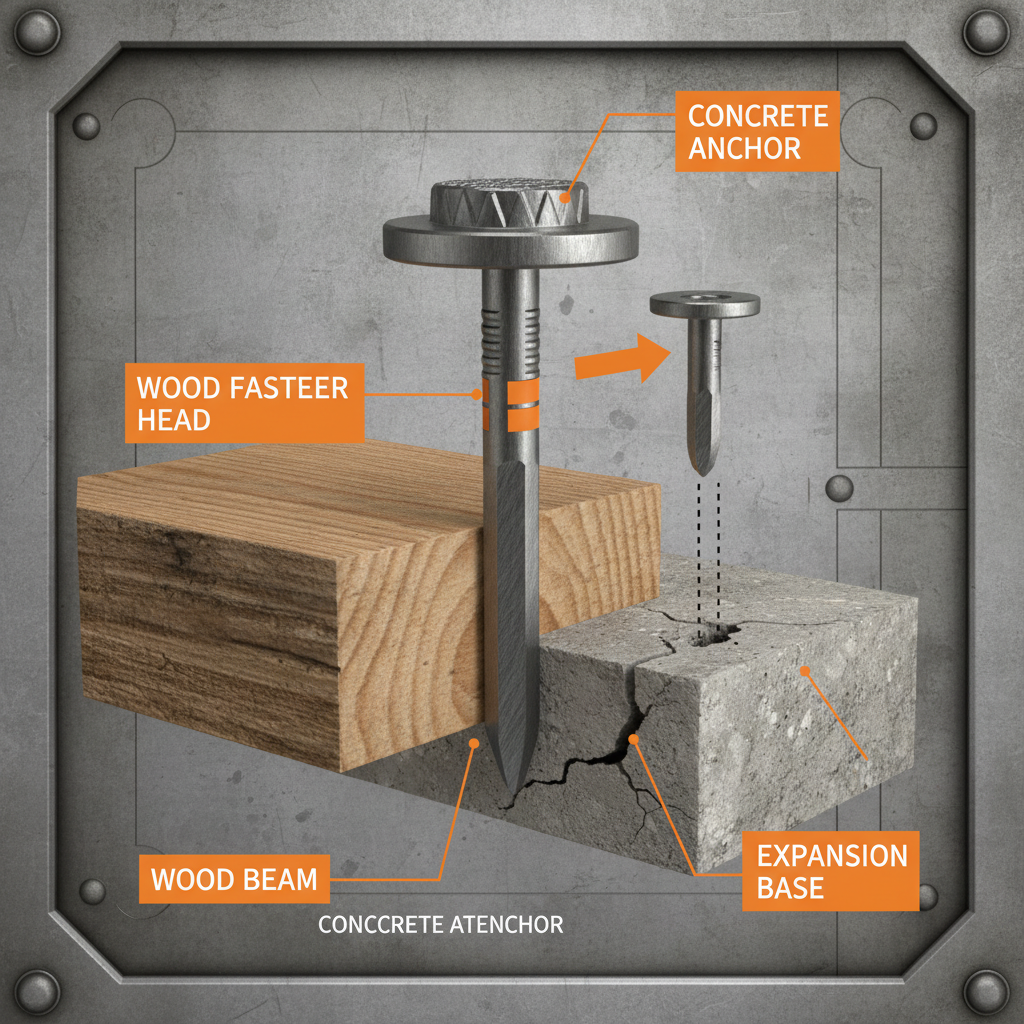
Concrete is a dense, hard material, while wood is relatively soft and prone to splitting. Directly nailing wood into concrete is often ineffective and can damage both materials. Therefore, specialized fasteners or techniques are required. Traditional wood nails lack the necessary strength and penetration capabilities. The key is selecting a nail that can adequately anchor into the concrete while minimizing the risk of damaging the wood fibers. Considerations include the concrete's compressive strength, the wood's species, and the load-bearing requirements of the application. Proper preparation, such as pre-drilling pilot holes in both materials, is also essential.
Key Considerations: Concrete density, wood species, load requirements, and proper pre-drilling are all vital for successful fastening.
Types of Nails for Wood to Concrete Applications
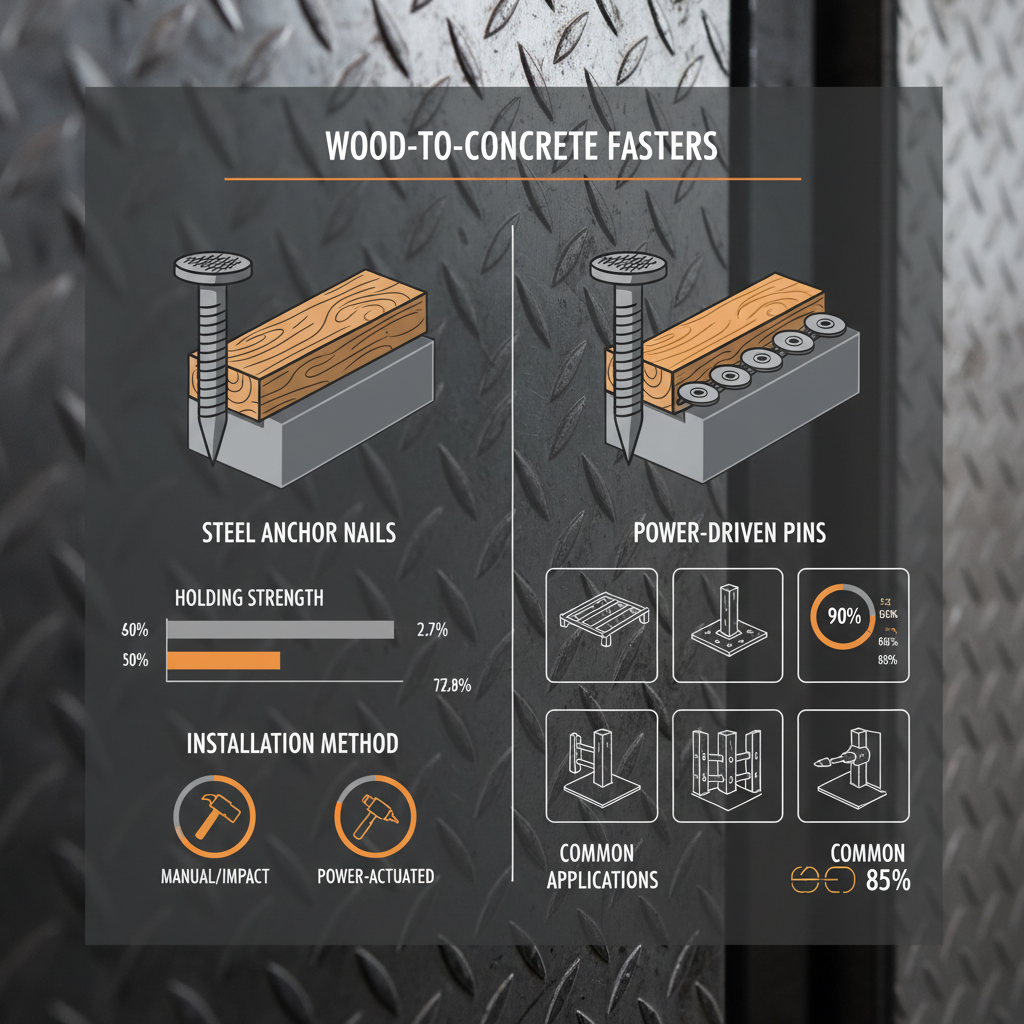
Several nail types are engineered for securing wood to concrete. These include hardened steel nails, concrete nails (specifically designed for masonry), and powder-actuated fasteners. Hardened steel nails offer increased strength but may still require pre-drilling. Concrete nails, often with ribbed or spiral shanks, provide improved holding power in masonry. Powder-actuated nails, driven by a specialized tool, offer rapid installation and strong penetration, making them suitable for high-volume applications. Selecting the appropriate type depends on the project's specific demands, budget, and available tools. Understanding the strengths and weaknesses of each option is crucial.
Nail Type Benefits:
• Hardened Steel Nails: Increased strength
• Concrete Nails: Improved holding power in masonry
• Powder-Actuated Nails: Rapid installation and strong penetration
Comparing Fastening Methods: Nails vs. Screws vs. Anchors
While nails can be used, screws and concrete anchors often provide superior holding power and long-term stability. Screws offer a stronger connection and are less likely to loosen over time, especially when used with pre-drilled pilot holes and appropriate screw types designed for masonry. Concrete anchors, such as sleeve anchors or wedge anchors, are specifically engineered for heavy-duty applications where maximum load-bearing capacity is essential. The choice depends on the load requirements, the frequency of stress, and the desired level of permanence. Nails are generally suitable for lighter-duty applications, while screws and anchors are preferred for more demanding projects.
Factors Influencing Nail Selection and Performance
Several factors influence the success of fastening wood to concrete with nails. These include the concrete's strength (measured in psi), the wood's hardness and density, the anticipated load on the connection, and environmental conditions (humidity, temperature). Using coated nails can improve corrosion resistance, especially in outdoor applications. Furthermore, proper nail size and gauge are critical. Larger nails generally offer greater holding power, but they also increase the risk of splitting the wood. It's essential to consult building codes and industry best practices to ensure compliance and structural integrity.
Best Practices for Installation
Proper installation is paramount for ensuring a secure and lasting connection. Begin by pre-drilling pilot holes in both the wood and the concrete, slightly smaller than the nail diameter. This reduces the risk of splitting the wood and makes driving the nail easier. Use a hammer with sufficient weight and strike the nail squarely to avoid bending. Avoid overdriving the nails, which can damage the wood surface. If using powder-actuated fasteners, follow the manufacturer's instructions carefully and wear appropriate safety gear. Regular inspections of the fasteners are recommended to identify and address any signs of loosening or corrosion.
Conclusion: Choosing the Right Fastener for Lasting Results
Selecting the right nails for wood to concrete, or opting for alternative fasteners like screws or anchors, depends on a variety of factors. Understanding the strengths and weaknesses of each option, along with proper installation techniques, is crucial for ensuring a secure and durable connection. At Iron Wire Factory, we provide high-quality fasteners and expert advice to help you tackle any project with confidence.
Frequently Asked Questions (FAQs)
What type of nail is best for attaching wood to concrete for outdoor projects?
For outdoor projects, galvanized or stainless steel concrete nails are highly recommended. These coatings provide excellent corrosion resistance, preventing rust and ensuring long-term durability in exposed environments. Powder-actuated fasteners with corrosion-resistant coatings are also a good option. Avoid using standard steel nails, as they will quickly corrode when exposed to moisture and the elements, compromising the strength of the connection. Consider the specific environmental conditions and choose a coating that offers adequate protection against those factors.
Is pre-drilling always necessary when nailing wood to concrete?
Pre-drilling is highly recommended, especially when working with hardwood or high-strength concrete. It reduces the risk of splitting the wood and makes it easier to drive the nail straight. It also helps to prevent the concrete from cracking, particularly if it's older or brittle. While you might get away with not pre-drilling in softer wood and less dense concrete, pre-drilling significantly improves the reliability and longevity of the connection.
What safety precautions should be taken when using powder-actuated fasteners?
Powder-actuated fasteners are powerful tools and require strict adherence to safety guidelines. Always wear appropriate safety glasses, hearing protection, and gloves. Ensure the work area is clear of obstructions and bystanders. Never point the tool at yourself or others. Follow the manufacturer's instructions carefully and use the correct fasteners for the tool. Always disconnect the power source when changing fasteners or performing maintenance. Proper training is essential before operating this type of equipment.
-
Professional Guide to Choosing Nails for Wooden Fence PanelsNewsApr.16,2026
-
PING HONGLIN WIRE MESH CO.,LTD: African Clients Visit Factory, Deepen Cooperation to Build a Global Quality BenchmarkNewsApr.14,2026
-
Guide to Choosing the Best nails for wood trim for CarpentryNewsApr.09,2026
-
Recognized for Excellence: ANPING HONGLIN WIRE MESH Named Alibaba FY2026 TOP Transaction Merchant, Celebrating 35 Years of Manufacturing HeritageNewsApr.07,2026
-
HONGLIN WIRE MESH Showcases at WORLDBEX Philippines 2026, Earning Strong Recognition from Global Builders & DistributorsNewsApr.07,2026
-
Spanish Client Delegation Visits Our Factory for Exchange, Exploring New Cooperation Opportunities in Welded Wire ProductsNewsApr.07,2026


