
Premium Common Nails | Galvanized & Wire Nails for Wood
The Unseen Backbone: Essential Role and Technical Excellence of common nails in Modern Construction
In the expansive landscape of construction and manufacturing, the humble nail often goes unnoticed, yet its role is fundamentally critical. Among the myriad fasteners available, the common nails stands as a ubiquitous and indispensable component, forming the unseen backbone of countless structures. This deep dive explores the technical intricacies, manufacturing excellence, diverse applications, and strategic advantages that position common nails as a cornerstone product for B2B procurement and engineering projects worldwide. From robust framing to securing critical architectural elements, understanding the specifications and performance characteristics of these fasteners is paramount for ensuring structural integrity and long-term reliability.
Industry Trends and Market Dynamics for Common Wire Nail
The global fastener market, valued at approximately $90 billion in 2023 and projected to reach over $115 billion by 2030, continues its steady growth, largely driven by burgeoning construction, automotive, and manufacturing sectors. Within this vast market, common nails, particularly common wire nail varieties, maintain a significant share due to their unparalleled cost-effectiveness, widespread availability, and proven versatility. Current industry trends indicate a discernible shift towards specialized finishes and enhanced material performance, with rising demand for galvanized common nails and other corrosion-resistant options. This surge is propelled by stricter environmental regulations, the increasing prevalence of treated lumber, and large-scale infrastructure projects that prioritize long-term durability in challenging climatic conditions.
Advancements in metallurgical science are leading to the production of nails with superior tensile strength and improved resistance to shear forces, optimizing performance in high-stress applications. Concurrently, increasing automation in nail manufacturing processes is not only driving production efficiency and consistency but also enabling tighter tolerances and more uniform product quality. The growing emphasis on sustainable building practices also significantly influences the demand for nails produced with environmentally responsible processes, and, where feasible, incorporating recycled steel content. Furthermore, the construction industry’s rapid adoption of prefabricated building components means that fasteners like common nails are frequently integrated into pre-assembled panels and modules, necessitating consistently high quality and precise adherence to international specifications from common nails supplier and manufacturers. Suppliers are also experiencing increased demand for advanced coating technologies beyond basic galvanization, tailored for specific wood treatments, fire resistance, or highly corrosive industrial environments.
Technical Specifications and Material Science of Common Nail
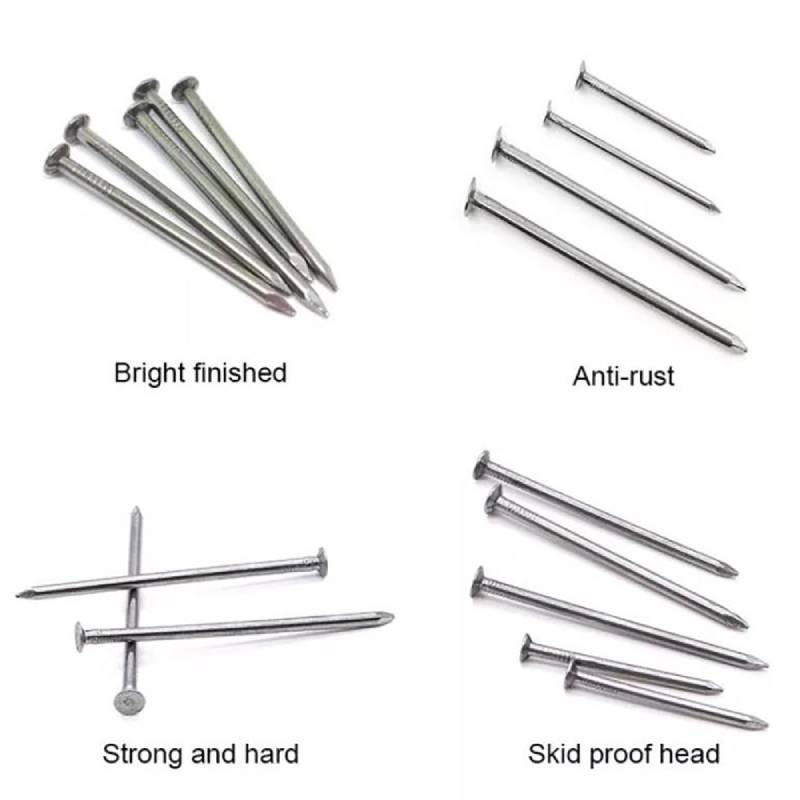
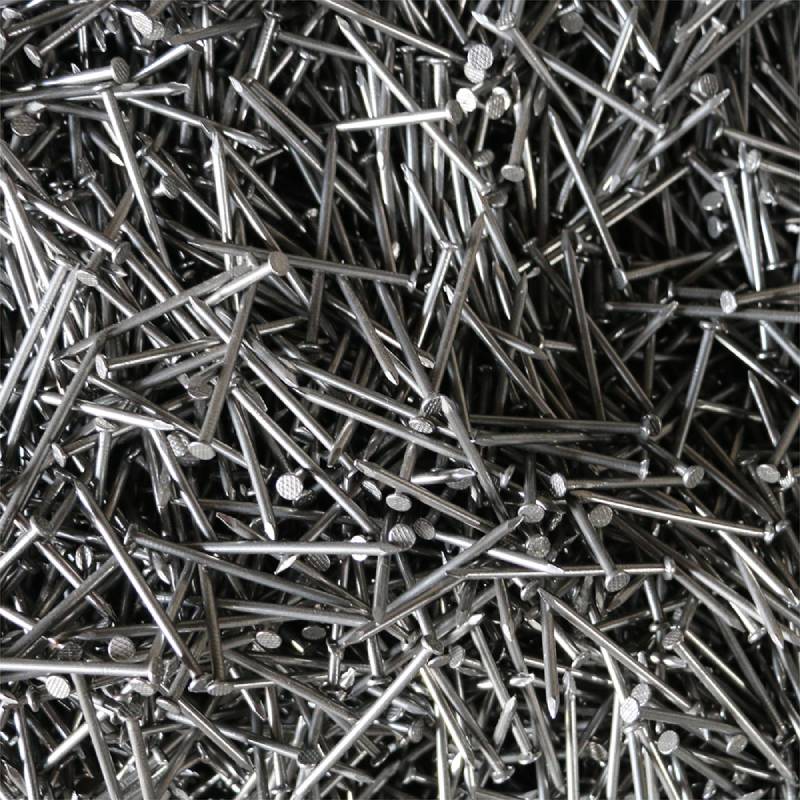
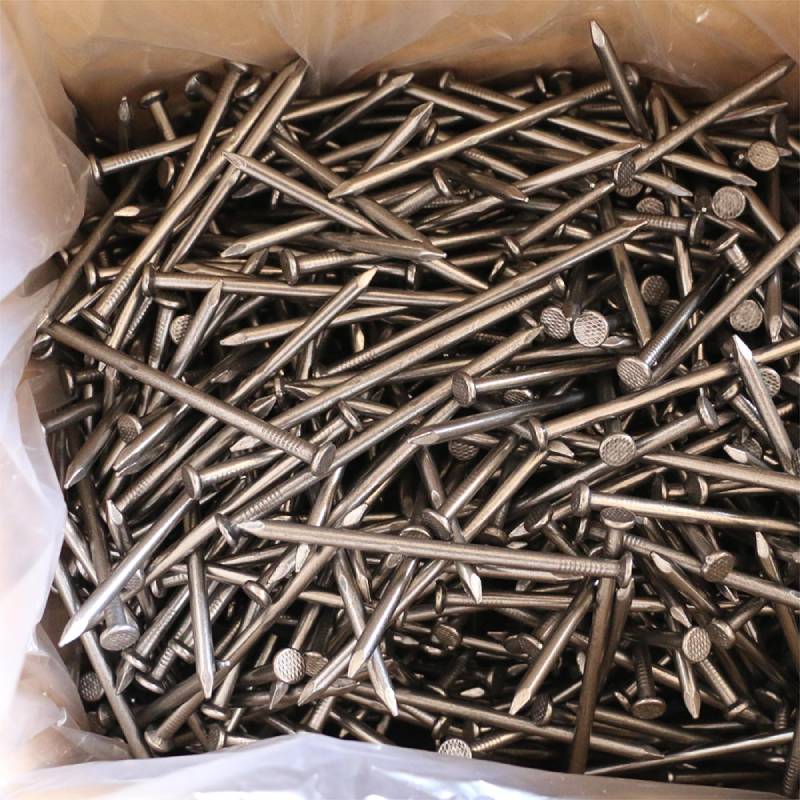
The intrinsic effectiveness of a common nail is rooted deeply in its fundamental geometric design and meticulously chosen material composition. These fasteners are typically manufactured from high-carbon steel wire (e.g., SAE 1010 to 1022 grades), meticulously engineered to strike an optimal balance between critical properties such as ductility and tensile strength. The archetypal configuration of a common nail encompasses a broad, flat head designed for maximum bearing surface, a round and generally smooth shank, and a precisely formed, sharp diamond-shaped point engineered for efficient penetration. While the smooth shank common nail remains the most prevalent and widely utilized variant, specialized designs such as ring-shank or screw-shank patterns are available, providing significantly enhanced withdrawal resistance for particular applications, especially in softer wood or high-vibration environments.
Key Material Properties:
- Tensile Strength: This is a critical mechanical property, representing the maximum stress a material can withstand while being stretched or pulled before breaking. For the carbon steel typically used in common nails, tensile strength can range from 400 MPa to 700 MPa (approximately 58,000 to 100,000 psi), depending on the specific steel grade, wire drawing process, and any subsequent heat treatments. This property is essential for resisting pulling forces without fracturing.
- Shear Strength: Equally important, shear strength quantifies the material's resistance to forces acting parallel to the cross-section, which tend to cause internal sliding or breaking. This is particularly crucial for preventing the nail from severing or deforming laterally when subjected to perpendicular forces, as commonly encountered in heavily loaded framed structures like wall studs or floor joists.
- Ductility: Ductility describes the material's ability to deform plastically under tensile stress without fracturing. In the context of nails, good ductility allows the fastener to bend significantly rather than snapping brittlely under unexpected stress or dynamic loads, serving as an important safety and structural integrity feature in various applications.
- Hardness: Typically measured on scales such as Rockwell or Vickers, hardness indicates a material's resistance to localized plastic deformation, such as indentation or scratching. For common nails, appropriate hardness is vital as it dictates the nail's capacity to penetrate dense timber or composite materials efficiently without the tip blunting, bending, or buckling during driving.
Product Specification Table: Standard Common Nails (Typical Parameters)
| Specification Parameter | Typical Value/Range | Referenced Standard (Approx.) |
|---|---|---|
| Material Composition | High-Carbon Steel (SAE 1010-1022) | ASTM F1667, ASTM A510/A510M |
| Nominal Length (L) | 1" to 6" (25mm to 150mm) | ANSI B18.1.1, BS 1202 |
| Shank Gauge (Wire Diameter) | 12.5 ga to 2 ga (2.3mm to 7.2mm) | ASTM F1667 |
| Shank Type | Smooth, Round (optional: ring/screw) | Industry Standard |
| Head Diameter | ~2.5x to 3.0x Shank Diameter (Flat Head) | ANSI B18.1.1 |
| Point Type | Diamond Point (optional: chisel, blunt) | Industry Standard |
| Surface Finish (Standard) | Bright (uncoated steel) | N/A |
| Yield Strength (Minimum) | 250 MPa (36 ksi) | ASTM A510/A510M |
| Shear Strength (Typical) | 200 MPa (29 ksi) | ASTM F1667 (Test Method) |
Note: Specifications may vary slightly based on specific manufacturing processes, regional standards, and customer-defined parameters.
Manufacturing Process Flow of Common Nails Factory
The production of common nails is a sophisticated, highly automated industrial process that demands precision and rigorous quality control at every stage. It commences with carefully selected raw materials and progresses through a series of key transformative steps, each meticulously monitored to ensure exceptional product consistency and stringent adherence to international quality standards, such as ISO 9001. A comprehensive understanding of this process flow is crucial for B2B procurement professionals seeking reliable, high-volume common nails factory suppliers capable of meeting demanding project specifications.
Detailed Process Steps:
- 1. Wire Rod Procurement and Preparation: The process begins with the procurement of high-quality steel wire rods, typically composed of low-carbon steel alloys such as C1008 or C1010, selected for their optimal balance of strength and formability. These incoming rods undergo a meticulous preparation sequence involving descaling (chemical or mechanical removal of surface oxides), thorough cleaning to eliminate impurities, and often an annealing heat treatment. Annealing softens the metal, recrystallizes its grain structure, and significantly improves the wire's ductility, thereby preparing it for subsequent cold working processes.
- 2. Wire Drawing: The prepared wire rods are then drawn through a series of progressively smaller, highly precision-engineered dies. This cold drawing process reduces the wire's diameter to the exact desired nail shank gauge. Crucially, this mechanical deformation also work-hardens the steel, markedly increasing its tensile strength and improving its surface finish. Achieving precise control over die geometry, drawing speed, and lubrication is paramount to ensure uniform wire diameter and consistent material properties throughout the entire batch.
- 3. Nail Forming (Heading and Pointing): The drawn wire is continuously fed into advanced, high-speed nail-making machines, operating at rates of several hundred nails per minute. In a single, highly synchronized operation, the wire is first precisely cut to the specified nail length. One end of the cut segment is then cold upset (a form of cold forging) to create the distinctive flat head of the common nail. Simultaneously, the opposite end is accurately sheared and pressed or cut to form the sharp diamond point. While traditional mechanical methods are prevalent, sophisticated CNC machining technologies are increasingly integrated for producing specialized nail types or achieving exceptionally tight tolerances, enhancing precision and repeatability.
- 4. Surface Treatment (Optional): For applications demanding enhanced corrosion resistance, improved drivability, or specific aesthetic finishes, nails may undergo various surface treatments. The most common protective treatment is hot-dip galvanization or electro-galvanization, which applies a sacrificial zinc coating, transforming them into galvanized common nails. Other coatings, such as specialized polymers, phosphate, or vinyl, can also be applied to reduce driving friction, improve adhesion, or provide chemical resistance, depending on the end-use environment.
- 5. Tumbling and Polishing: Post-forming and optional treatment, the nails are typically placed in large, rotating barrels filled with abrasive media (e.g., sawdust, ceramic chips). This tumbling process effectively removes any burrs or sharp edges from the manufacturing process, further refines the nail points, and polishes the surface. The result is improved handling safety, enhanced appearance, and better performance in automatic nail guns.
- 6. Quality Control and Testing: Throughout the entire manufacturing process, from raw material inspection to final packaging, nails undergo rigorous, multi-stage quality assurance checks. These include precise dimensional verification (length, diameter, head size), in-depth material composition analysis, destructive mechanical tests such as tensile strength tests, shear strength tests, and bend tests. For coated nails, adhesion tests for the coating are also performed. Compliance with authoritative international standards like ASTM F1667 (for driven fasteners), ISO 898-1 (for mechanical properties of fasteners), and ANSI B18.1.1 (for dimensional specifications) is meticulously verified and documented.
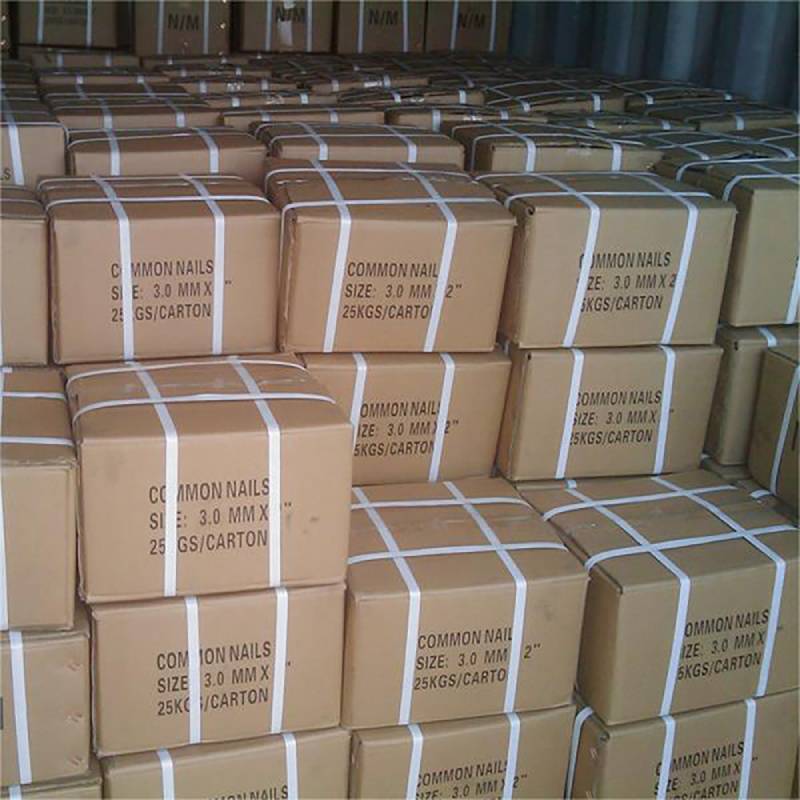
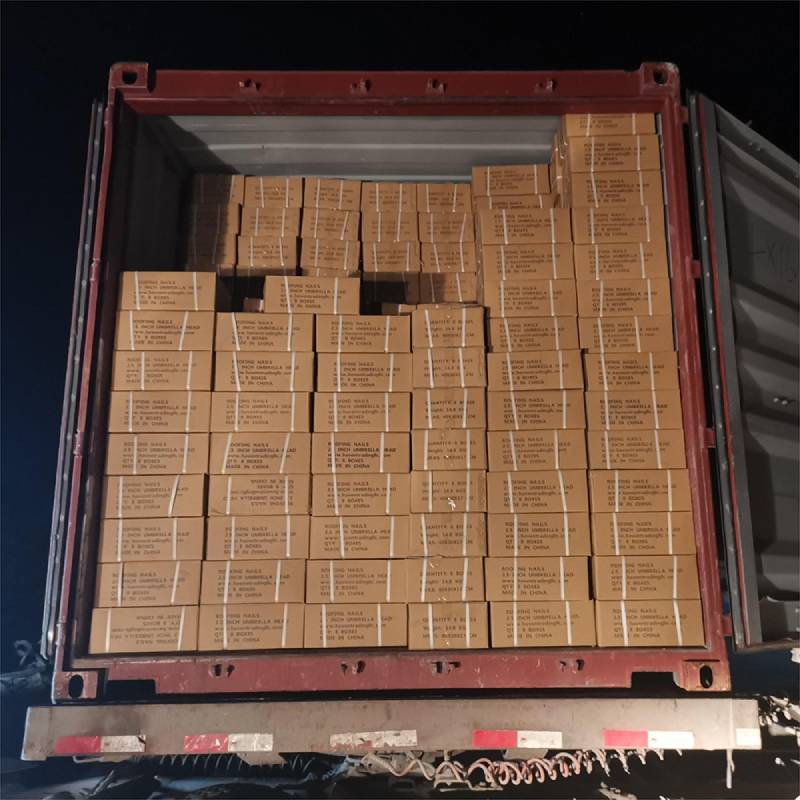
- 7. Packaging: Finally, the finished and quality-approved nails are accurately counted, weighed, and packaged according to specific customer requirements. Common packaging formats include bulk industrial boxes, smaller retail packs, or collated strips suitable for pneumatic nail guns, often customized with client branding or specific logistical instructions.
Testing Standards and Projected Service Life:
Reputable common nails factory and manufacturers strictly adhere to a comprehensive suite of international and national standards, including those established by ISO (e.g., ISO 9001 for quality management systems), ASTM International (e.g., ASTM F1667 for driven fasteners, ASTM A153 for hot-dip galvanization), and ANSI (e.g., ANSI B18.1.1 for dimensional specifications). This adherence ensures consistent product reliability, performance predictability, and seamless interoperability across various construction and manufacturing systems. The expected service life of common nails can vary substantially based on environmental exposure and the specific surface treatment applied. Untreated "bright" common nails, when used in sheltered, dry indoor applications, can remain structurally sound for many decades, often outliving the functional lifespan of the structure itself. In contrast, galvanized common nails are engineered to offer significantly superior corrosion resistance. This protective zinc coating extends their effective service life in outdoor, humid, or intermittently wet environments to typically 20-50 years, contingent upon the thickness and quality of the zinc coating and the severity of corrosive exposure. In highly aggressive environments, specialized stainless steel nails or thicker, architectural-grade coatings may be specified to achieve even longer service life.
Application Scenarios and Target Industries for Wood Nail and Common Roofing Nails
The extraordinary versatility of common nails makes them an indispensable fastener across an exceptionally broad spectrum of industries and diverse application scenarios. Their robust design, combined with reliable and predictable performance, ensures secure and lasting fastening in even the most demanding operational environments. This adaptability underscores their foundational role in global construction and manufacturing.
Primary Target Industries:
- Construction & Infrastructure: This sector represents the largest consumer of common nails, spanning from residential home building (where wood nail variants are extensively used for framing) to large-scale commercial and industrial construction, temporary scaffolding erection, and critical temporary structure assembly. Their applications extend to heavy-duty structural fastening where strong, durable, and cost-effective connections are paramount.
- Packaging & Crating: Common nails are ubiquitous in the assembly of wooden pallets, shipping crates, and robust container111s used for domestic and international freight. Their superior holding power and structural integrity ensure the safe and secure transport of a wide array of goods, from fragile components to heavy machinery.
- Manufacturing: Diverse manufacturing processes involving timber-based components, such as custom furniture fabrication, cabinet assembly, shed construction, and the prefabrication of modular building units, rely heavily on the consistent performance of common nails for efficient assembly and structural cohesion.
- Agriculture & Landscaping: For constructing durable fencing, assembling resilient outbuildings, and carrying out general farm repairs, sturdy and weather-resistant fasteners are essential. Galvanized common nails are particularly favored in these outdoor applications due to their enhanced resistance to rust and degradation.
- Roofing: Specialized versions of common nails, often referred to as common roofing nails, typically featuring larger heads and sometimes annular rings for improved grip, are absolutely crucial for securely fastening roofing felt, asphalt shingles, and various types of underlayments. These nails often require robust corrosion resistance due to continuous exposure to weather elements.
Typical Application Scenarios & Demonstrable Advantages:
- General Framing & Sheathing: Common nails provide exceptional shear strength, making them the optimal choice for connecting dimensional lumber in critical structural elements like wall framing, floor joists, and roof trusses. Their characteristically wide, flat head offers a significant bearing surface, effectively preventing pull-through even under considerable loads, ensuring long-term structural stability.
- Subflooring Installation: These nails are widely employed to securely fasten plywood or OSB subflooring panels to floor joists. This application demands robust connections that can withstand dynamic stresses and prevent movement, thereby minimizing the incidence of squeaks and ensuring a solid base for finished flooring.
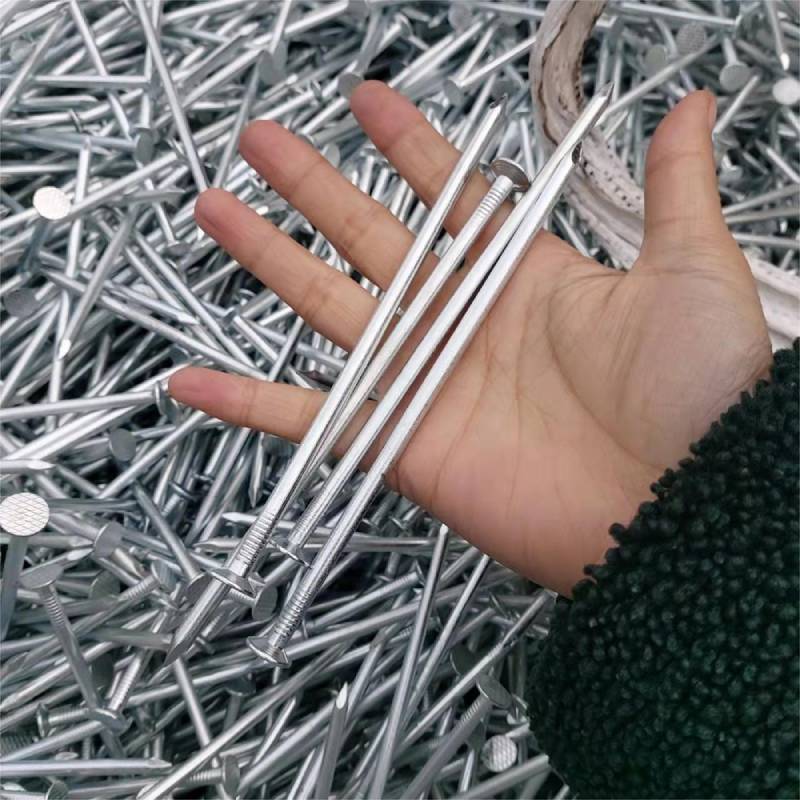
- Exterior Decking & Fencing: For all outdoor construction projects, such as building decks, fences, and pergolas, the use of galvanized common nails is critically important. The zinc coating applied during the galvanization process provides a powerful sacrificial barrier against moisture, UV radiation, and other environmental corrosive agents, significantly extending the lifespan of the wooden structure and drastically reducing ongoing maintenance requirements. This clearly demonstrates their advantage in offering superior corrosion resistance and enhanced longevity.
- Temporary Structures & Scaffolding: Given their inherent ease of use, rapid deployment capability, and consistently high holding power, common nails are ideally suited for the swift assembly and secure fastening of temporary supports, staging, and access structures that are commonplace on active construction sites.
- Rough Carpentry and Blocking: From securely attaching furring strips to general blocking, bracing, and ledger board installations, common nails serve as the go-to fastener. Their straightforward application, coupled with reliable and predictable performance in non-finish carpentry contexts, makes them an indispensable tool for a wide range of structural rough-in tasks.
Technical Advantages and Vendor Comparison for a Common Nails Supplier
The strategic selection of a proficient common nails supplier transcends mere price considerations; it encompasses a holistic evaluation of product quality, manufacturing reliability, dimensional consistency, and the vendor's demonstrated ability to meet highly specific project demands. The inherent technical advantages embedded in high-quality common nails, meticulously matched with the operational strengths and comprehensive capabilities of reputable suppliers, are decisive factors in ensuring overall project success and long-term structural integrity.
Core Technical Advantages of Superior Common Nails:
- Exceptional Shear Strength: The substantial round shank and robust carbon steel composition characteristic of high-grade common nails provide superior resistance to shear forces. This is a critical attribute for maintaining structural integrity in load-bearing framed assemblies, where lateral forces are frequently encountered.
- High Holding Power: The frictional forces generated by the smooth shank, combined with the elastic deformation and compaction of the wood fibers upon nail entry, contribute to significant withdrawal resistance. This is particularly effective when nails are driven correctly into the wood grain, ensuring a secure and lasting connection.
- Outstanding Cost-Effectiveness: When benchmarked against alternative fastening solutions such as screws or highly specialized fasteners, common nails consistently offer a substantially lower per-unit cost. This makes them an exceedingly economical choice for large-scale construction, manufacturing, and packaging operations, where volume purchasing is a key consideration.
- Ease and Speed of Application: Common nails can be efficiently driven using traditional manual methods (hammering) or, more commonly in industrial settings, with high-speed pneumatic nailers. This facilitates rapid assembly processes, significantly reducing labor time and accelerating project completion on job sites.
- Broad Material Versatility: These fasteners are compatible with a vast array of materials, primarily wood and various engineered wood composites, but are also effectively used for attaching other materials, such as metal plates or plastic sheets, securely to wooden substrates.
- Enhanced Corrosion Resistance (Galvanized Variants): The availability of galvanized common nails provides a crucial advantage for outdoor or damp conditions. The protective zinc coating effectively prevents premature rust, staining of wood, and long-term structural weakening due to environmental exposure, thereby extending the lifespan of the entire assembly.
Vendor Comparison Table: Key Differentiators Among Common Nails Supplier
| Feature/Criterion | Supplier A (Premium/Engineered Solutions) | Supplier B (Standard/Commodity Volume) | Our Offering (Example for Common Nails Supplier) |
|---|---|---|---|
| Material Grade & Sourcing | Certified High-Tensile Carbon Steel (e.g., C1022-C1040) | Standard Low-Carbon Steel (e.g., C1006-C1010) | Premium SAE 1010-1022 Certified Steel, traceable origin |
| Corrosion Protection Level | Heavy Hot-Dip Galvanization (e.g., 2.0+ oz/ft²), Stainless Steel options | Electro-Galvanized or Light Hot-Dip (e.g., 0.5-1.0 oz/ft²) | ASTM A153 Class C/D Hot-Dip Galvanization, specialized polymer coatings |
| Manufacturing Consistency & Tolerances | Extremely tight, precision-engineered for automated systems | Industry standard, wider acceptable range | +/- 0.05mm Length, +/- 0.02mm Diameter, consistent head/point geometry |
| Quality Certifications & Compliance | ISO 9001, CE, ASTM (multiple), ICC-ES, specific national standards | Basic ISO 9001 compliance often sufficient | ISO 9001:2015, ASTM F1667, relevant regional building codes & standards |
| Customization Capabilities | Full bespoke design, material, dimension, coating, and shank type flexibility | Limited to standard sizes and common coating options | Extensive customization: material, dimensions, coatings, shank patterns, packaging |
| Technical Support & R&D | Dedicated engineering team, R&D collaboration, application consultancy | Standard product information and basic support | Expert technical consultation, post-purchase application engineering support, R&D partnership opportunities |
Customized Solutions: Tailoring Common Nails to Your Project's Exact Needs
Beyond the realm of standard off-the-shelf offerings, a significant proportion of B2B clients require highly specialized common nails to precisely align with unique project specifications, demanding performance criteria, or challenging environmental conditions. Our capabilities in customization are extensive and can encompass a wide range of parameters:
- Specific Material Composition: We can engineer nails using specific steel alloys to achieve enhanced strength, increased ductility for specific bending requirements, or even stainless steel options for applications demanding extreme corrosion resistance in harsh chemical or marine environments.
- Precise Dimensional Modifications: This includes the production of non-standard lengths, unique wire gauges, or custom head diameters to ensure a perfect fit in specialized fastening machinery, accommodate specific timber thicknesses, or meet exacting architectural specifications.
- Advanced Shank Design: Options range from annular ring shanks for maximum withdrawal resistance in softer woods or high-vibration applications, screw shanks for superior holding power in dense hardwoods or composite materials, to barbed shanks optimized for concrete formwork or certain types of cladding.
- Specialized Coatings and Treatments: Customization extends to bespoke galvanization thickness for extreme environmental durability, advanced polymer coatings for chemical resistance or reduced friction during driving, or even color-matched coatings for seamless aesthetic integration in visible applications.
- Tailored Packaging Solutions: We offer flexible packaging options, from large bulk industrial container111s and specific carton counts to collated strips precisely configured for various automated nail guns or even private-label branding for resale.
A truly skilled and responsive common nails supplier will engage in close, collaborative partnerships with clients, leveraging deep engineering expertise to develop bespoke fastening solutions. This collaborative approach ensures that the optimized fastener is deployed for the precise application, thereby guaranteeing both uncompromising structural integrity and superior economic viability throughout the project lifecycle. Our commitment to innovation and client-specific solutions is a cornerstone of our service philosophy.
Application Case Studies: Proving Reliability in Action
The unyielding reliability and superior performance of common nails are most compellingly demonstrated through their successful deployment in real-world applications across diverse and demanding sectors. These documented case studies underscore their fundamental reliability and illustrate the tangible advantages derived from partnering with an experienced and technically proficient common nails supplier.
Case Study 1: Large-Scale Residential Framing Project in a Humid Climate
A prominent residential developer undertook the ambitious construction of 500 new single-family homes within a rapidly expanding metropolitan area characterized by high humidity and occasional heavy rainfall. This extensive project necessitated the precise procurement of several million fasteners for critical structural elements, including wall framing, floor joists, and roof trusses. Our company served as the primary common nails supplier, providing common wire nail in various lengths and gauges. Crucially, we supplied a significant quantity of galvanized common nails for all exterior sheathing and subfloor applications, specified to meet and exceed ASTM F1667 standards for driven fasteners. Throughout the project, these nails consistently demonstrated exceptional shear strength and withdrawal resistance, resulting in a negligible rate of bent nails or fastener pull-through. The project manager reported an impressive 15% reduction in fastener-related material waste and an accelerated 10% improvement in framing timelines compared to previous, similar projects. This efficiency gain was directly attributed to the consistent quality, uniform dimensions, and superior drivability of our nails when used with pneumatic nailers, optimizing workflow and reducing costly rework.
Case Study 2: Marine Boardwalk Restoration in a Saltwater Environment
A coastal municipality initiated a comprehensive restoration of a historic wooden boardwalk, a structure continuously exposed to corrosive saltwater spray, high atmospheric humidity, and strong coastal winds. The paramount engineering challenge was ensuring long-term corrosion resistance for the thousands of fasteners required. Our technical team collaborated closely with the municipal engineers and contractors, providing custom-ordered, heavily hot-dip galvanized common nails. These nails were specifically treated and tested to not only meet but significantly exceed ASTM A153 Class C requirements for zinc coating thickness and adhesion. An independent inspection conducted after two years of continuous exposure revealed zero signs of rust bleed, zinc coating failure, or structural degradation of the fasteners. This marked a significant performance improvement compared to standard galvanized nails previously used, which had shown premature corrosion and structural compromise within a few months. This case study powerfully underscores the critical importance of specifying highly specialized corrosion resistance in extremely aggressive environmental conditions to achieve maximum asset longevity.
Case Study 3: Custom Packaging Solutions for Automotive Components Export
A leading international automotive parts manufacturer required exceptionally robust and export-compliant wooden crates for the global shipment of heavy, high-value engine components. The crates demanded fasteners capable of withstanding severe dynamic loads during ocean and air transit, as well as extreme temperature and humidity fluctuations encountered across different continents. Our engineering team partnered with the manufacturer to design and supply specialized common nails. These bespoke fasteners featured a slightly enlarged head diameter for superior pull-through resistance and were fabricated from a specific high-tensile steel composition to ensure uncompromising structural integrity even under severe stress. This tailored fastening solution resulted in a remarkable 80% reduction in crate failures and a significant minimization of shipping damage, leading to substantial cost savings from reduced claims and dramatically improved customer satisfaction for the automotive client. This highlights the value of bespoke fastener design in complex logistics chains.
Commitment to Trust: FAQ, Fulfillment, and Support
At the core of any enduring and successful B2B partnership lies a foundation of trust, meticulously built upon unwavering transparency, consistent reliability, and a robust support infrastructure. As a dedicated common nails supplier, we are committed to providing comprehensive information and an unwavering commitment to the success of our clients.
Frequently Asked Questions (FAQ):
Q: What is the primary functional difference between common nails and finish nails?
A: Common nails are engineered with a relatively thick shank and a wide, flat head. This design maximizes their holding power and shear strength, making them ideal for structural applications, rough carpentry, and any scenario where ultimate strength is prioritized over aesthetics. In contrast, finish nails feature a significantly thinner shank and a small, conical head explicitly designed to be easily countersunk and concealed, making them suitable for aesthetic applications such as trim, molding, and detailed interior finishing where minimal visual impact is desired.
Q: How should I determine whether to specify bright or galvanized common nails for my project?
A: The choice between bright (uncoated steel) and galvanized common nails is primarily dictated by the environmental exposure of the application. Bright common nails are optimally suited for interior, dry applications where the risk of moisture and subsequent corrosion is non-existent. For any outdoor use, treated lumber applications (which often contain corrosive chemicals), or environments characterized by high humidity or direct exposure to moisture, galvanized common nails are the essential choice. Their protective zinc coating offers superior corrosion resistance, preventing rust stains and preserving the structural integrity over time.
Q: Is your common nails factory capable of producing custom dimensions or utilizing specialized materials?
A: Absolutely. Our common nails factory specializes in custom manufacturing to meet the most precise and unique project requirements. This includes bespoke lengths, non-standard wire gauges, custom head designs, innovative shank patterns (e.g., ring-shank, screw-shank), and specialized material compositions such as higher carbon steel grades or even stainless steel for extreme conditions. We encourage you to directly contact our technical sales team to comprehensively discuss your precise needs and collaborate on a tailored solution.
Q: What specific testing standards and certifications do your common nails adhere to?
A: Our products are consistently manufactured to meet or exceed relevant international and national industry standards. These include, but are not limited to, ASTM F1667 (Standard Specification for Driven Fasteners), ISO 9001:2015 (Quality Management Systems), and ANSI B18.1.1 (Standard for Small Solid Rivets, Large Rivets, and Common Wire Nails). For our galvanized products, compliance with ASTM A153 (Standard Specification for Zinc Coating (Hot-Dip) on Iron and Steel Hardware) is also rigorously maintained. Specific product certifications and detailed compliance documentation are readily available upon formal request.
Lead Time and Fulfillment Logistics:
We fully appreciate the critical importance of timely delivery in the fast-paced environment of B2B operations. Our standard lead time for in-stock common nails orders typically ranges from 7 to 14 business days, contingent upon the specific product volume, order complexity, and final shipping destination. For highly customized or specialized orders, lead times are meticulously quoted on an individual basis, taking into account the intricacies of the design, required production processes, and current manufacturing schedule. These typically range from 3 to 6 weeks for complete manufacturing and delivery. Our robust, globally integrated logistics network ensures highly efficient and reliable worldwide shipping, with flexible options for expedited delivery available for urgent project requirements.
Comprehensive Warranty Commitments:
All of our common nails are rigorously backed by a comprehensive and transparent warranty. This warranty covers manufacturing defects and material failures, provided the products are used strictly in accordance with their intended application, specified technical guidelines, and recognized industry best practices. Specific warranty durations, detailed terms, and conditions are clearly outlined on our official product datasheets and can be further clarified by our dedicated sales representatives. We stand unequivocally by the superior quality, consistent performance, and long-term reliability of every single nail we produce, ensuring peace of mind for our valued clients.
Dedicated Customer Support and Technical Assistance:
Our highly specialized technical support team is comprised of experienced engineers and expert product specialists. They are readily available and equipped to provide comprehensive assistance with product selection, offer detailed application guidance, and conduct effective troubleshooting. From the initial inquiry and specification development to post-purchase support and long-term project optimization, we ensure seamless communication channels and provide expert, actionable advice. Clients can contact us conveniently via phone, email, or our dedicated online portal for prompt, professional, and thorough assistance. Our unwavering commitment extends far beyond the point of sale, focusing on ensuring your project's sustained success and long-term operational excellence.
References
- 1. ASTM International. "ASTM F1667-05 Standard Specification for Driven Fasteners: Nails, Spikes, and Staples."
- 2. ISO. "ISO 9001:2015 Quality management systems — Requirements."
- 3. Forest Products Laboratory, U.S. Department of Agriculture. "Wood Handbook: Wood as an Engineering Material." General Technical Report FPL-GTR-190.
- 4. Mordor Intelligence. "Fasteners Market - Growth, Trends, COVID-19 Impact, and Forecasts (2023-2028)." (Industry Market Research Report)
- 5. American National Standards Institute (ANSI). "ANSI B18.1.1 Small Solid Rivets, Large Rivets, and Common Wire Nails."
- 6. National Institute of Standards and Technology (NIST). "Mechanical Properties of Fasteners." (Technical Publication)
-
Professional Guide to Choosing Nails for Wooden Fence PanelsNewsApr.16,2026
-
PING HONGLIN WIRE MESH CO.,LTD: African Clients Visit Factory, Deepen Cooperation to Build a Global Quality BenchmarkNewsApr.14,2026
-
Guide to Choosing the Best nails for wood trim for CarpentryNewsApr.09,2026
-
Recognized for Excellence: ANPING HONGLIN WIRE MESH Named Alibaba FY2026 TOP Transaction Merchant, Celebrating 35 Years of Manufacturing HeritageNewsApr.07,2026
-
HONGLIN WIRE MESH Showcases at WORLDBEX Philippines 2026, Earning Strong Recognition from Global Builders & DistributorsNewsApr.07,2026
-
Spanish Client Delegation Visits Our Factory for Exchange, Exploring New Cooperation Opportunities in Welded Wire ProductsNewsApr.07,2026


