
Premium Field Fence | Durable & Cost-Effective Farm Fencing
Understanding Field Fence: A Comprehensive Overview
In diverse sectors ranging from agriculture and livestock management to wildlife exclusion and expansive land demarcation, the demand for robust and reliable perimeter solutions is paramount. Central to meeting this demand is the Field Fence, a highly versatile and durable fencing option engineered to provide long-lasting security and containment. This comprehensive guide is tailored for B2B decision-makers and technical professionals, offering an in-depth exploration of the technical intricacies, application benefits, and strategic considerations essential for deploying high-quality fencing systems. From its precise manufacturing processes to its proven performance in challenging environmental conditions, a thorough understanding of its capabilities is crucial for informed procurement and project success. We delve into industry trends, technical specifications, competitive analysis, and customizable solutions, ensuring our clients receive optimal value.
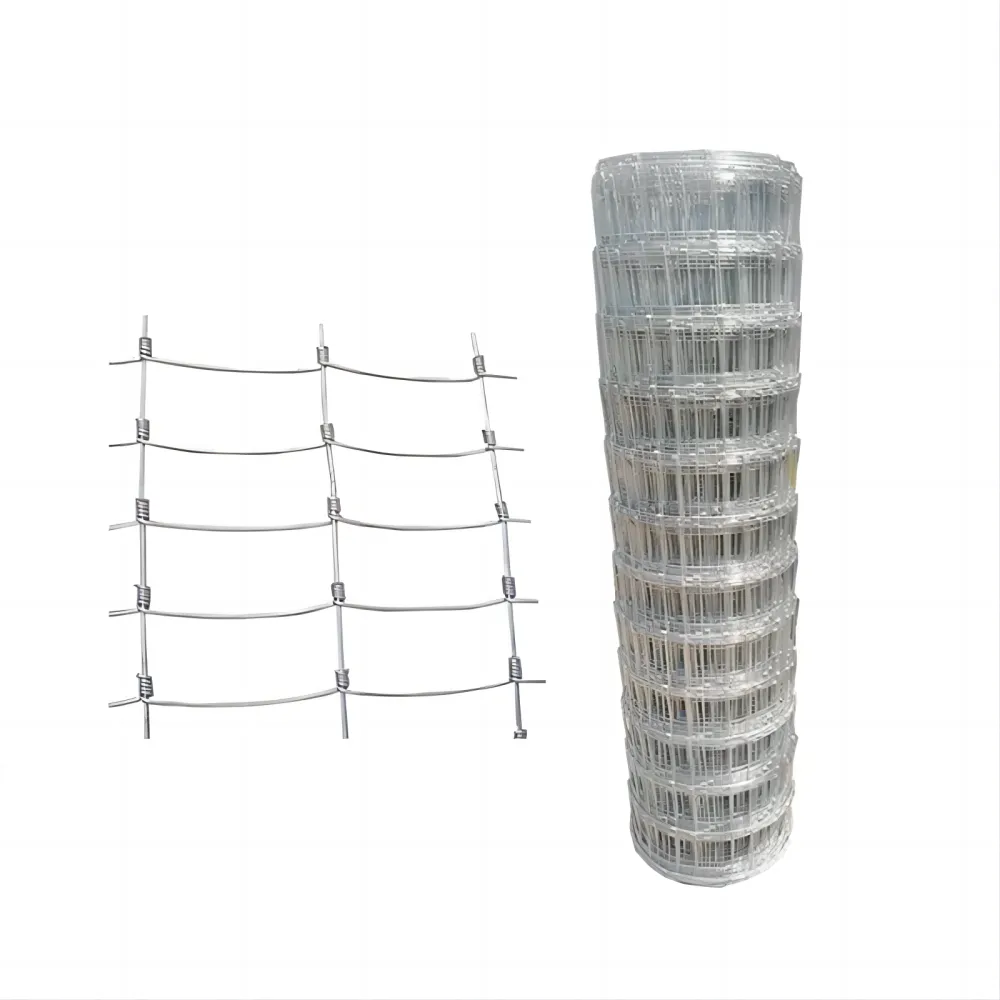
Manufacturing Process of Field Fence: Precision and Durability
The production of high-performance perimeter solutions involves a meticulous series of steps designed to ensure strength, longevity, and superior resistance to environmental factors. Unlike heavy industrial components requiring casting or forging, the manufacturing of woven wire fencing relies on specialized wire-drawing, knotting, and coating technologies. Our processes adhere strictly to international quality standards, ensuring each roll of fencing delivers consistent performance.
Process Flow:
- Raw Material Selection and Inspection: The foundation of durable fencing lies in the quality of its raw materials. We exclusively procure high-tensile carbon steel wire rods, optimized for both exceptional strength and necessary ductility. Each batch undergoes rigorous metallurgical analysis and mechanical property testing to verify compliance with stringent internal specifications and international standards like ASTM A510, ensuring the foundational quality of the final Field Fence.
- Wire Drawing: The selected steel rods are meticulously drawn through a series of progressively smaller dies. This cold-working process reduces the wire diameter to the precise gauges required for the fence fabric, simultaneously enhancing its tensile strength and improving its surface finish. This critical step ensures uniform wire dimensions and consistent mechanical properties throughout the product.
- Galvanization (Zinc Coating): For superior corrosion resistance, the drawn wires undergo a hot-dip galvanization process. This involves immersing the wires in a bath of molten zinc (at approximately 450°C), forming a metallurgical bond that provides a robust, self-sacrificial coating. We primarily offer Class 3 galvanization (per ASTM A116 and ASTM A641 standards), which provides a significantly thicker zinc layer compared to Class 1 or 2, extending the fence's service life to 20-30 years in typical outdoor conditions and enhancing its resilience against environmental degradation, including acid rain and abrasive elements.
-
Weaving and Knotting: Specialized automatic weaving machines interlace and knot the galvanized wires to form the characteristic mesh patterns of the fencing. Our manufacturing capabilities support various knot types, each optimized for specific applications:
- Hinge Joint: This flexible knot design allows the fence to flex upon impact from livestock or wildlife, effectively absorbing kinetic energy without permanent deformation. It's particularly well-suited for undulating terrain, as it conforms naturally to ground contours, minimizing gaps.
- Fixed Knot: A highly rigid and strong knot that mechanically locks the line and stay wires together. This design provides superior vertical strength and prevents fence fabric sag, allowing for wider post spacing. It offers exceptional resistance to impact and animal pressure, making it ideal for containing large or aggressive livestock.
- Square Knot: Offers a strong, rigid structure with good anti-climb properties, suitable for containing a variety of animals and applications requiring a more uniform mesh appearance.
- Quality Control and Testing: Each production run undergoes stringent quality assurance procedures. This includes automated online monitoring of mesh dimensions and wire tension, followed by laboratory tests for tensile strength (ASTM A641), zinc coating adherence and thickness (ASTM A90), and overall dimensional accuracy (ASTM A116). Our manufacturing facilities are ISO 9001:2015 certified, guaranteeing consistent product quality and adherence to specified performance metrics.
- Packaging and Dispatch: Finished rolls are tightly coiled, secured with robust strapping, and often wrapped with protective materials to prevent damage during handling and transit. Products are prepared for efficient distribution, ensuring they reach our clients in optimal condition, ready for immediate deployment.
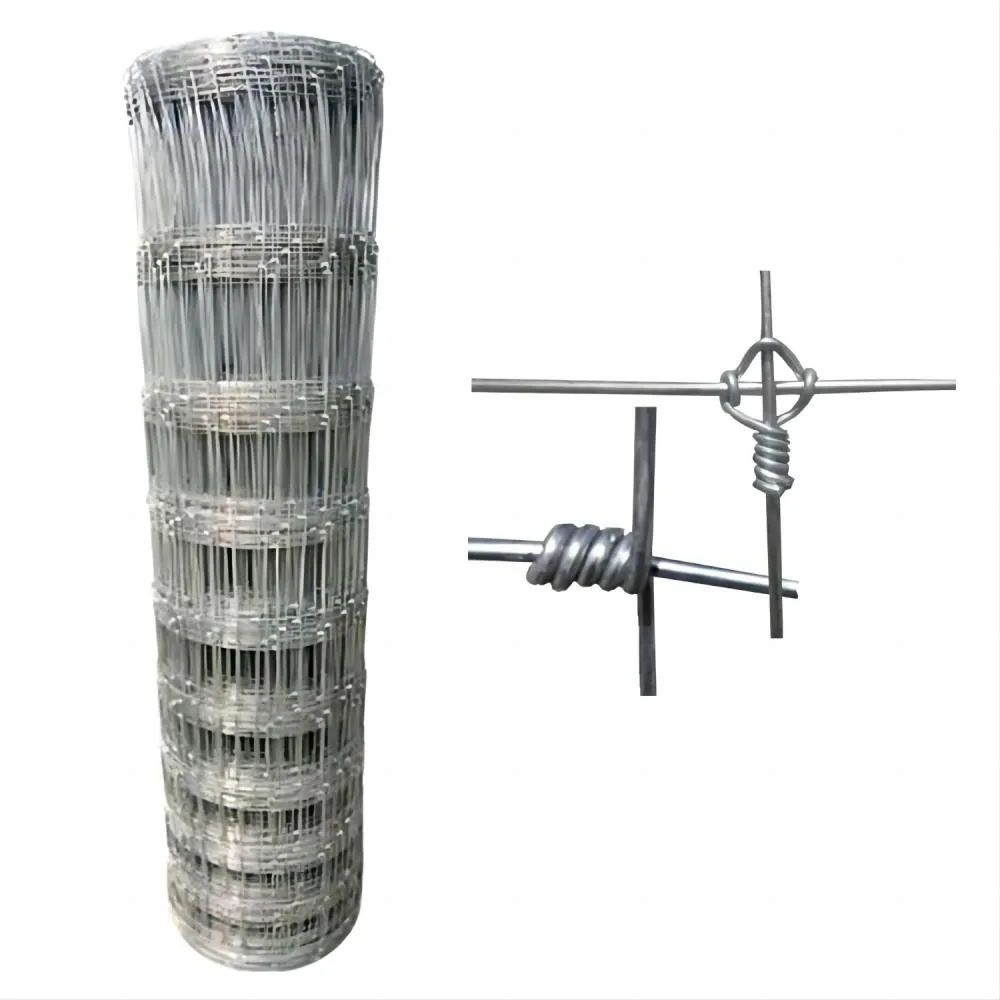
Technical Specifications and Industry Standards for Field Fence
The selection of an appropriate fencing solution necessitates a comprehensive understanding of its technical parameters, which directly dictate its operational performance and suitability for specific applications. Key specifications encompass wire gauge, mesh configuration, overall height, and the type of protective coating applied. Our products are engineered to meet or exceed relevant national and international standards, assuring reliability and durability for B2B applications.
Key Technical Parameters:
- Wire Gauge (SWG/AWG): This metric defines the diameter of the wire, with lower gauge numbers indicating a thicker, and consequently stronger, wire. For line wires, common gauges range from 10 to 14.5 SWG (e.g., 3.2mm to 1.6mm), while stay wires may utilize lighter gauges to optimize cost-effectiveness without compromising structural integrity. Thicker wires provide enhanced resistance to impact and environmental stressors.
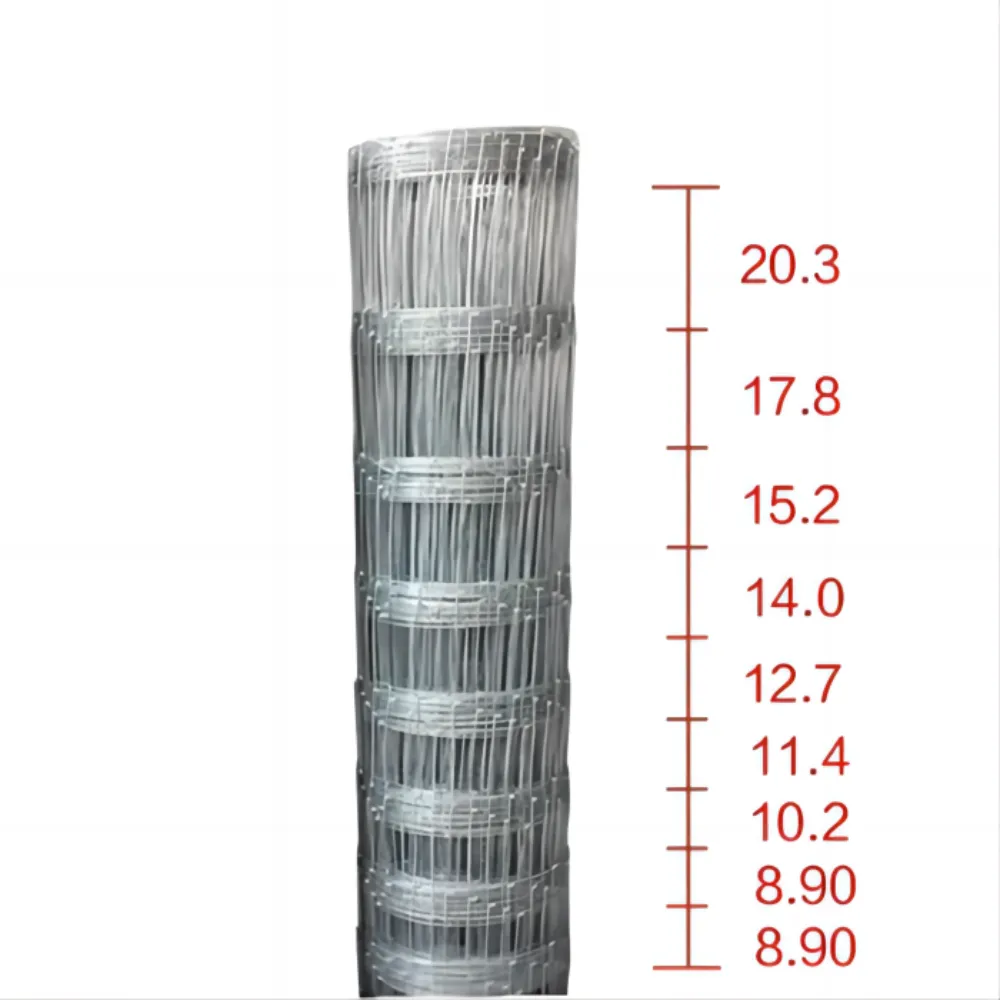
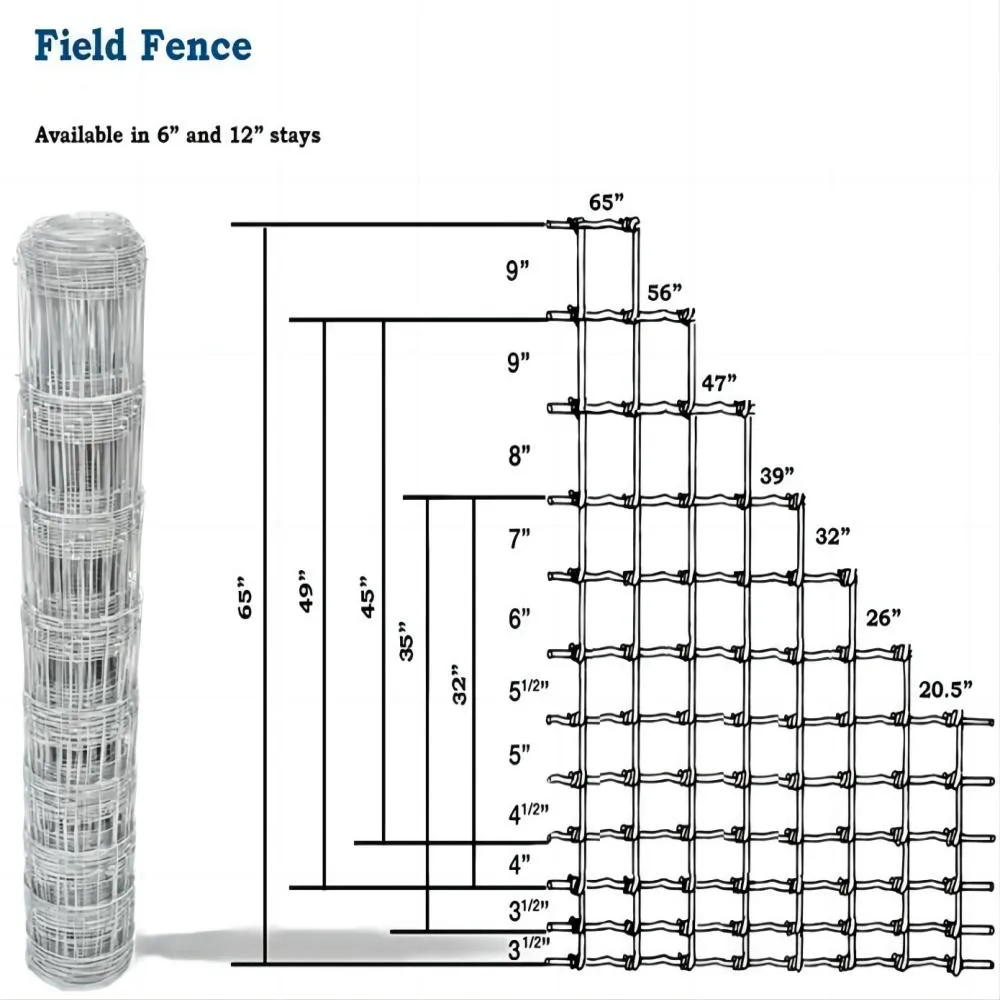
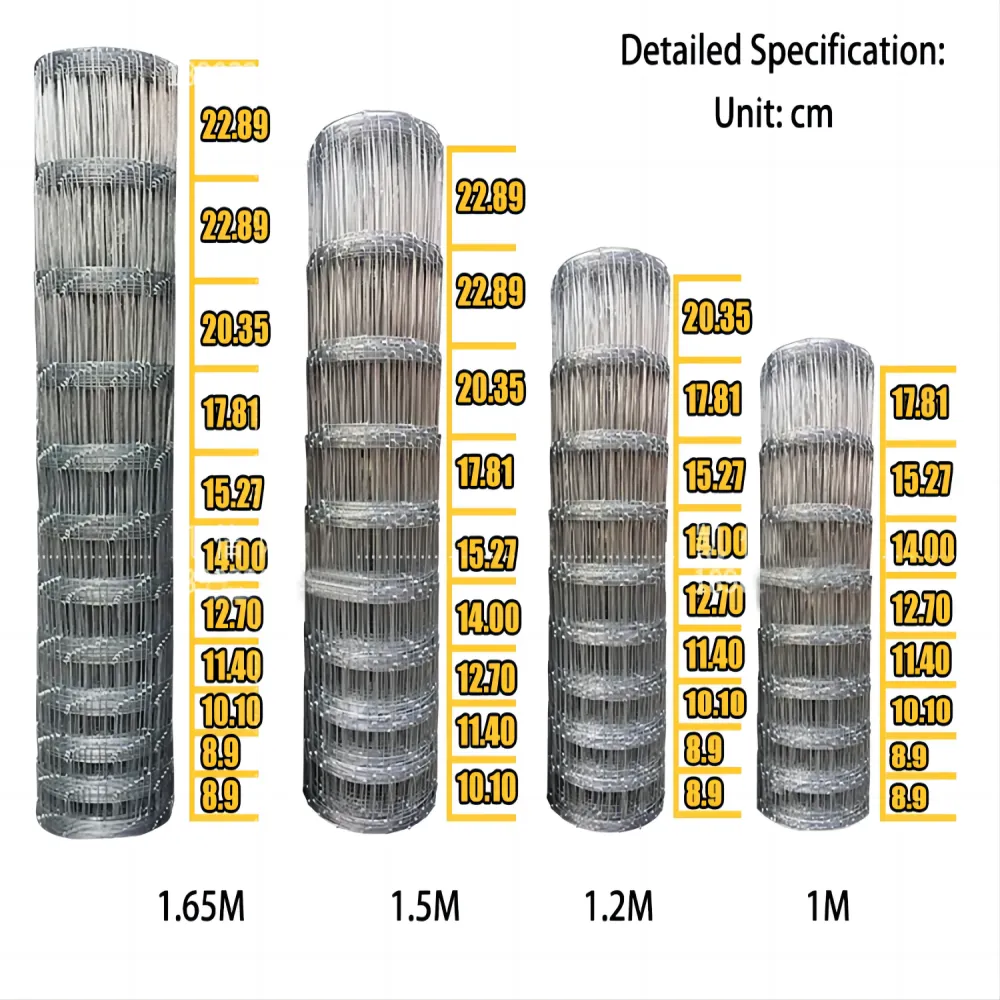
- Mesh Spacing and Configuration: The dimensions of the openings within the fence fabric are critical for effective containment or exclusion. Graduated mesh spacing, characterized by smaller openings at the bottom and progressively larger ones towards the top, is a standard feature designed to deter smaller animals while efficiently containing larger livestock. Typical bottom spacings range from 2-4 inches (5-10 cm), expanding to 6-8 inches (15-20 cm) at the upper sections.
- Tensile Strength: Expressed in pounds per square inch (PSI) or megapascals (MPa), tensile strength quantifies the maximum stress the wire can endure before yielding or fracturing. Our high-tensile wires typically exceed 80,000 PSI (550 MPa), offering superior strength, elasticity, and resistance to sag, which contributes significantly to the fence's extended operational lifespan and reduced maintenance requirements.
- Zinc Coating Thickness (Galvanization Class): Directly correlated with corrosion resistance and service life, zinc coating thickness is a critical parameter. Class 1 coatings provide good protection for 10-15 years, whereas Class 3 coatings, with a heavier zinc application (e.g., 2.5 oz/ft² or 762 g/m² per ASTM A116), extend the service life to 20-30 years or more in moderately corrosive environments. Adherence to ASTM A116 and ASTM A641 ensures verifiable coating quality.
- Fence Height and Roll Length: Standard fence heights vary from 32 inches (0.8m) for small animal exclusion to 78 inches (2.0m) for large livestock containment or demanding wildlife fencing applications (e.g., deer fencing). Standard roll lengths typically include 165 feet (50m), 330 feet (100m), or 660 feet (200m), providing flexibility for projects of varying scales.
Product Specification Table: Standard Field Fence Configurations
| Specification | Hinge Joint (Typical) | Fixed Knot (Typical) |
|---|---|---|
| Line Wire Gauge (SWG) | 12.5 (2.5mm) | 10 (3.2mm) |
| Stay Wire Gauge (SWG) | 14 (2.0mm) | 12.5 (2.5mm) |
| Zinc Coating Class (ASTM A116) | Class 1 / Class 3 | Class 3 |
| Height Options (in / m) | 39" (1.0m) - 60" (1.5m) | 48" (1.2m) - 78" (2.0m) |
| Mesh Spacing (Vertical, inches) | 6" / 12" (Graduated) | 6" (Uniform) / 12" (Graduated) |
| Roll Lengths (ft / m) | 165' (50m), 330' (100m) | 165' (50m), 330' (100m) |
| Tensile Strength (min. PSI) | 60,000 | 80,000 |
Note: Specifications can vary by manufacturer and specific product lines. Always consult detailed product datasheets for precise measurements and performance characteristics tailored to your project.
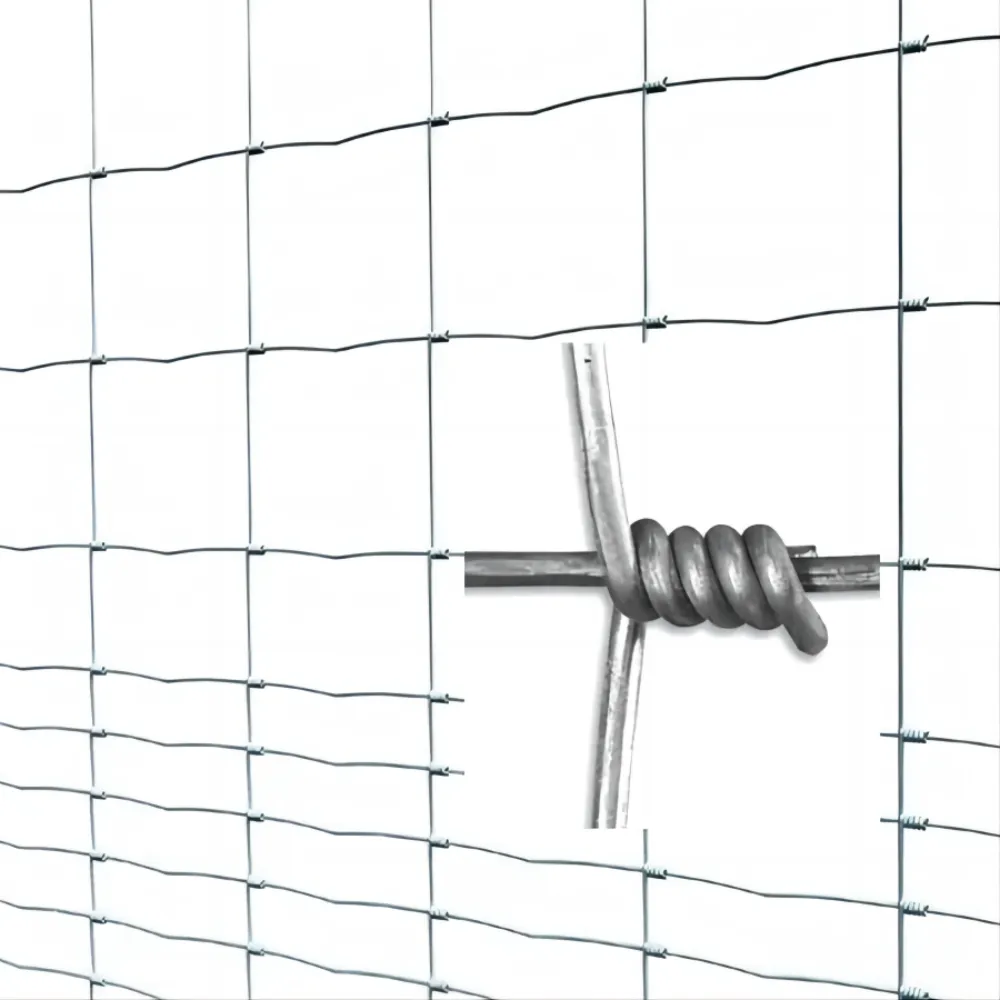
Application Scenarios and Industry Trends for Field Fence
The adaptability of modern wire fencing makes it an indispensable asset across a multitude of sectors. Its primary function revolves around effective containment, exclusion, and precise boundary definition. These applications are continuously evolving, driven by modern demands for enhanced sustainability, improved animal welfare, and optimized land management practices. Our fencing solutions are engineered to meet these dynamic requirements.
Target Industries and Typical Applications:
- Agriculture and Livestock Management: This remains a core application. Our fencing is essential for implementing efficient rotational grazing systems, establishing permanent pasture boundaries, and securely enclosing various livestock, including cattle, sheep, goats, and pigs. The graduated mesh design is particularly effective, ensuring the containment of different-sized animals while minimizing escape risks. Hinge joint designs are advantageous here, absorbing impacts from livestock without permanent structural damage, thus extending the fence's integrity.
- Wildlife Exclusion and Environmental Protection: Utilized extensively to protect valuable crops, orchards, vineyards, and gardens from damage caused by deer, rabbits, wild boars, and other indigenous wildlife. Taller and stronger specifications, often featuring robust fixed knots, are deployed for this purpose. This application is particularly prevalent in forestry management for safeguarding young saplings and reforestation efforts against browsing animals.
- Highway and Infrastructure Perimeter Security: Deployed strategically alongside highways, railways, and other critical infrastructure, these fences serve a vital role in preventing animals from encroaching upon traffic areas. This significantly enhances public safety and reduces the risk of collisions. The robust construction ensures long-term performance and minimal maintenance, even in challenging environmental conditions.
- Land Demarcation and Property Boundaries: Provides a highly durable and unambiguous boundary solution for large land parcels, expansive ranches, and private estates. Its low maintenance requirements and exceptional service life make it a highly cost-effective and reliable choice for defining and securing extensive areas, offering clear property lines without requiring constant upkeep.
Emerging Industry Trends:
- Sustainability Focus and Lifecycle Assessment: There is a growing emphasis on sourcing fencing materials with higher recycled content and adopting manufacturing processes that minimize environmental impact. The inherent longevity of high-quality products, particularly those with Class 3 zinc coatings, is a key factor in reducing the frequency of replacement and overall resource consumption throughout the product lifecycle.
- Smart Fencing Integration: While wire fencing is a passive barrier, there is an increasing trend to integrate it with active monitoring systems. This includes the incorporation of electrified strands for enhanced deterrence or the deployment of sensor technology for real-time security alerts and improved animal management, particularly in large-scale agricultural or conservation operations.
- Advancements in High-Tensile Wire Technology: Continuous innovation in high-tensile wire metallurgy and manufacturing allows for the production of fencing solutions that are lighter, yet demonstrably stronger. This enables wider post spacing, which significantly reduces installation costs, labor requirements, and the total environmental footprint of a fencing project, thereby improving overall system efficiency and economic viability.
Technical Advantages of Our Field Fence Solutions
Our fencing solutions are distinguished by a unique combination of superior material quality, state-of-the-art manufacturing techniques, and an unwavering commitment to rigorous testing and quality assurance. These technical advantages translate directly into enhanced performance, greater longevity, and significant lifecycle cost savings for our B2B clients, distinguishing our products in a competitive market.
Key Advantages:
- Exceptional Corrosion Resistance: By exclusively utilizing Class 3 hot-dip galvanization, our products feature a zinc coating thickness that is up to three times greater than standard Class 1 products. This substantial protective layer significantly extends the fence's operational life, even when exposed to harsh, corrosive environments such as coastal regions with high salinity or areas characterized by high humidity and industrial pollutants. This dramatically reduces the frequency and associated costs of replacement.
- Superior Tensile Strength and Impact Absorption: Manufactured from premium high-tensile steel, exhibiting a minimum tensile strength of 80,000 PSI, our fencing demonstrates remarkable elasticity and inherent strength. The hinge-joint design intelligently allows for controlled flexibility under animal impact, effectively minimizing damage and extending the fence's structural integrity. Conversely, our fixed-knot option provides robust, lasting structural rigidity, which is particularly critical for containing larger, more aggressive livestock or in regions prone to heavy snow loads and high wind forces.
- Optimized Mesh Design for Versatile Containment: The strategically engineered graduated mesh spacing, featuring smaller openings at the base and progressively larger ones towards the top, ensures highly effective containment of a wide spectrum of animal sizes. This design efficiently deters smaller game from penetrating the barrier while preventing larger animals from attempting to push through or over the fence. This thoughtful configuration also minimizes entanglement risks, enhancing animal welfare.
- Reduced Maintenance and Installation Costs: The inherent strength and superior knotting technologies of our high-tensile wire allow for significantly wider post spacing compared to conventional fencing (up to 20-30 feet for fixed knot versus 8-12 feet). This translates directly into fewer posts required per linear foot, reduced labor time, and lower overall material costs during initial installation. Furthermore, the enhanced durability and reduced sag minimize ongoing maintenance requirements, resulting in substantial long-term operational savings.
- Compliance with International Standards: Our products are meticulously manufactured to consistently meet or exceed the most relevant international industry standards, including ASTM A116 (Standard Specification for Metallic-Coated Carbon Steel Woven Wire Fence Fabric), ASTM A641 (Standard Specification for Zinc-Coated (Galvanized) Carbon Steel Wire), and ISO 9001:2015 for quality management systems. This steadfast commitment to quality assurance provides our B2B clients with certified, reliable solutions that are guaranteed to perform as expected under the most demanding conditions.
Vendor Comparison and Customized Solutions for Field Fence
Choosing the optimal supplier for your wire fencing needs is as critical as selecting the fence type itself. A thorough vendor comparison must extend beyond mere product specifications, encompassing an assessment of manufacturing capabilities, adherence to stringent quality assurance protocols, and the capacity to provide precisely tailored solutions. Our company prioritizes transparency and quality in every aspect.
Key Differentiators in Vendor Selection:
- Material Sourcing & Robust Quality Control: Leading vendors, such as ourselves, prioritize the use of high-grade virgin steel for wire drawing, coupled with advanced, controlled galvanization processes. We implement rigorous incoming material inspection and multi-stage in-process quality checks. This stands in stark contrast to some suppliers who may opt for lower-grade recycled materials or apply thinner, less durable zinc coatings, which invariably compromise product longevity and performance.
- Advanced Manufacturing Technology: Reputable manufacturers invest significantly in state-of-the-art weaving and knotting machinery, such as continuous-knotting machines for fixed-knot fence, which produce highly consistent mesh patterns and strong, secure knots. This technological advantage minimizes variations in tension and joint strength, a common issue with older or less sophisticated equipment, ensuring uniform product quality across entire production runs.
- Certifications and Regulatory Compliance: Suppliers who adhere to globally recognized standards such as ISO 9001:2015 for quality management and product-specific standards like ASTM A116, ASTM A641, or equivalent regional standards (e.g., European EN 10223-5 for woven steel wire fencing) offer a demonstrably higher guarantee of certified quality, consistent performance, and regulatory compliance.
- Comprehensive Warranty and After-Sales Support: The provision of extensive warranties (e.g., 10-20 years against premature corrosion and manufacturing defects) and highly responsive technical support are clear indicators of a vendor's profound confidence in their product's durability and their unwavering commitment to long-term customer satisfaction and partnership success.
Product Comparison: Fixed Knot vs. Hinge Joint Fencing
| Feature | Fixed Knot Fencing | Hinge Joint Fencing |
|---|---|---|
| Knot Type | Rigid, mechanically locked knot tightly wrapping line and stay wires, preventing slippage. | Flexible, non-slip hinge connection allowing for movement and articulation between wires. |
| Strength & Rigidity | Superior vertical strength, excellent sag resistance, exceptionally high impact resistance from large animals. | Good overall strength, flexible on impact, excels at conforming to uneven or undulating terrain. |
| Post Spacing | Allows for significantly wider post spacing (typically 20-30 ft / 6-9m), substantially reducing post material and labor costs. | Requires closer post spacing (typically 8-12 ft / 2.4-3.6m) for optimal tensioning and performance, increasing post requirements. |
| Installation | Requires more tension during installation to achieve rigidity, but the reduced number of posts simplifies large-scale projects. | Easier to install and stretch on undulating or irregular terrain due to its flexibility; less tension required. |
| Primary Application | Large, strong livestock (cattle, bison, horses), deer and wildlife exclusion, large area perimeter security, long-term installations. | Sheep, goats, pigs, smaller livestock, rotational grazing, temporary enclosures, land with varied topography. |
| Cost (Initial Project) | Generally higher per roll, but often results in lower overall project costs due to fewer required posts and reduced labor. | Generally lower per roll, but potentially higher overall project costs due to the necessity of more fence posts. |
Customized Solutions:
Recognizing that every B2B project presents unique challenges and specific requirements, we offer extensive customization options for our wire fencing products. Our dedicated engineering and design teams collaborate intimately with clients to develop innovative fencing solutions that are precisely tailored to their distinct operational needs. This bespoke approach ensures optimal performance and efficiency for specialized applications:
- Tailored Wire Gauge and Enhanced Tensile Strength: We can produce custom wire gauges and achieve higher tensile strengths to meet the demands of extreme load conditions, such as areas prone to heavy snow and ice, or for highly specialized animal containment scenarios requiring superior resistance.
- Bespoke Mesh Configuration: Our manufacturing flexibility allows for the creation of custom mesh patterns, including specific graduated spacings or entirely uniform openings, meticulously engineered to achieve precise animal exclusion or containment objectives for unique fauna or specialized livestock.
- Advanced Coating Options: Beyond our standard Class 3 galvanization, we offer a range of advanced coating options. These include durable PVC-coated products for enhanced aesthetics and significantly improved corrosion protection in highly aggressive environments, or specialized alloy coatings designed for particular chemical or environmental resistances.
- Custom Roll Dimensions: We provide custom heights and lengths for our fencing rolls to minimize material waste and streamline the installation process for large-scale infrastructure projects or sites with unique, challenging terrain.
Application Case Studies: Proven Performance of Our Fencing
Real-world applications unequivocally demonstrate the exceptional efficacy and unwavering reliability of our fencing solutions across diverse and challenging environments. These detailed case studies highlight the tangible practical advantages and the significant long-term value delivered to our esteemed B2B partners, showcasing how our products consistently meet and exceed operational demands.
Case Study 1: Large-Scale Livestock Ranch in the Midwest U.S.
Client: A leading beef cattle operation managing over 5,000 acres of pastureland across multiple states.
Challenge: The client required a robust and exceptionally durable fencing system for extensive rotational grazing paddocks, capable of reliably containing over 1,000 head of cattle across varied, undulating terrain, with a critical need for minimal ongoing maintenance. Their previous conventional fencing systems suffered from rapid corrosion and frequent, costly damage incurred from persistent livestock pressure.
Solution: We provided a comprehensive solution comprising 50 miles of 60-inch (1.5m) high, 10-gauge Fixed Knot Field Fence, specified with our premium Class 3 galvanization for maximum longevity. The superior high-tensile properties of this fencing allowed for strategic post spacing up to 25 feet (7.6m) apart, which dramatically reduced the total number of posts required and significantly curtailed installation labor and associated costs.
Outcome: After 5 years of continuous operation, the installed fencing exhibits no discernible signs of significant corrosion, material degradation, or structural fatigue, despite prolonged exposure to the severe climatic cycles characteristic of the Midwest. The fixed-knot design has proven exceptionally effective in consistently withstanding intense cattle pressure, with virtually zero instances of sagging or breaches. The client reported an impressive 30% reduction in annual fencing maintenance costs compared to their previous fencing infrastructure, alongside enhanced operational efficiency in their grazing management program.
Case Study 2: Wildlife Exclusion for a Commercial Vineyard in California
Client: A prominent commercial vineyard, undergoing significant expansion of its organic grape production facilities in a region known for diverse wildlife populations.
Challenge: The vineyard faced substantial and recurring crop damage from indigenous wildlife, including deer and wild boars. They required a tall, immensely strong, and durable perimeter barrier capable of effectively protecting sensitive grapevines from various sizes of wildlife, without disrupting vineyard operations or necessitating constant human intervention for repairs. Furthermore, aesthetic integration with the scenic vineyard landscape was an important consideration.
Solution: We engineered and supplied a customized 72-inch (1.8m) high woven wire fence with a graduated mesh pattern. This solution featured high-tensile 12.5-gauge wire for robust strength and was further enhanced with a dark green PVC coating applied over Class 3 galvanization. This multi-layered protection offered superior rust resistance and allowed the fence to blend seamlessly and unobtrusively with the natural vineyard environment, satisfying both functional and aesthetic requirements.
Outcome: Following installation, the vineyard reported an outstanding 95% reduction in wildlife-related crop damage within the initial growing season. The advanced PVC coating has meticulously maintained its integrity and vibrant color, providing long-term aesthetic appeal and unparalleled corrosion resistance against the elements. The fence’s robust structure and precise mesh configuration have proven highly effective in deterring all target wildlife species, thereby successfully safeguarding the vineyard's significant investment and ensuring sustained high-quality grape production.
Trust & Support: FAQ, Lead Time, Warranty, and After-Sales
At our company, we firmly believe that reliable product performance is inextricably linked with robust customer support and transparent business practices. We are deeply committed to fostering enduring, long-term partnerships with our B2B clients, relationships that are meticulously built on a foundation of mutual trust, verifiable quality, and shared success.
Frequently Asked Questions (FAQ):
A: Our Class 3 galvanized Field Fence is meticulously designed for exceptional longevity. It typically provides an estimated 20-30 years of reliable service life in most outdoor environments, and often extends beyond this range in less aggressive or well-maintained conditions. Our Class 1 galvanized products offer a durable 10-15 year service life.
A: Absolutely. Our fencing can be effectively combined with electrified wires for significantly enhanced containment or exclusion capabilities. However, it is critically important to utilize appropriate insulators to ensure the electric wire does not directly contact the main wire fabric. This prevents short-circuiting and ensures the electric system functions safely and effectively.
A: Fixed knot fences generally necessitate a higher initial tension during installation to achieve their inherent rigid structure, but this design advantageously allows for wider post spacing, thereby reducing the total number of posts required for a project. Hinge joint fences are more forgiving and easier to install on uneven or undulating terrain, requiring less initial tension but typically needing closer post spacing for optimal stability and performance.
Lead Time and Fulfillment:
Our standard lead time for the majority of our wire fencing products is typically 2-4 weeks, though this can vary based on the specific order volume, the complexity of any customization requirements, and current production schedules. For large-scale projects or bespoke specifications, our dedicated sales team provides a detailed and transparent production and delivery schedule upon comprehensive order confirmation. We strategically maintain robust inventory levels of our most popular configurations to facilitate expedited delivery whenever feasible. Our experienced logistics team ensures efficient, secure, and globally compliant shipping, partnering with trusted carriers to consistently meet your critical project timelines.
Warranty Commitments:
We proudly stand behind the superior quality and unparalleled durability of our fencing solutions. All our galvanized products are backed by a minimum 10-year limited warranty against manufacturing defects and premature corrosion under normal use conditions, providing essential peace of mind. Products specifically featuring our premium Class 3 galvanization are typically covered by an extended 20-year limited warranty, reflecting our confidence in their long-term performance. Comprehensive and transparent warranty details are meticulously provided with each product quotation and formalized sales agreement. Our unwavering commitment ensures not only superior product quality but also long-term performance assurance.
Customer Support and Technical Assistance:
Our dedicated customer support team and highly experienced technical specialists are readily available to provide expert assistance at every stage of your project lifecycle. This includes comprehensive guidance on product selection, detailed installation best practices, and efficient troubleshooting support. We offer proactive pre-sales consultation to help precisely define optimal fence specifications for your unique project requirements and provide comprehensive after-sales support to ensure successful deployment, seamless operation, and ultimate long-term satisfaction.
Contact Us:
- Email: sales@ironwirefactory.com
- Phone: +1 (XXX) XXX-XXXX (Example)
- Website: www.ironwirefactorys.com
References
- 1. ASTM International. "ASTM A116/A116M-11(2017) Standard Specification for Metallic-Coated Carbon Steel Woven Wire Fence Fabric." Retrieved from www.astm.org.
- 2. ASTM International. "ASTM A641/A641M-09(2014) Standard Specification for Zinc–Coated (Galvanized) Carbon Steel Wire." Retrieved from www.astm.org.
- 3. International Organization for Standardization. "ISO 9001:2015 Quality management systems — Requirements." Retrieved from www.iso.org.
- 4. Galvanizers Association. "Corrosion Protection by Hot Dip Galvanizing." Retrieved from www.galvanizing.org.uk.
- 5. University of Nebraska–Lincoln, National Agroforestry Center. "Fences for Livestock and Wildlife." Agroforestry Notes. Retrieved from digitalcommons.unl.edu/agroforestrynotes/12/.
-
Professional Guide to Choosing Nails for Wooden Fence PanelsNewsApr.16,2026
-
PING HONGLIN WIRE MESH CO.,LTD: African Clients Visit Factory, Deepen Cooperation to Build a Global Quality BenchmarkNewsApr.14,2026
-
Guide to Choosing the Best nails for wood trim for CarpentryNewsApr.09,2026
-
Recognized for Excellence: ANPING HONGLIN WIRE MESH Named Alibaba FY2026 TOP Transaction Merchant, Celebrating 35 Years of Manufacturing HeritageNewsApr.07,2026
-
HONGLIN WIRE MESH Showcases at WORLDBEX Philippines 2026, Earning Strong Recognition from Global Builders & DistributorsNewsApr.07,2026
-
Spanish Client Delegation Visits Our Factory for Exchange, Exploring New Cooperation Opportunities in Welded Wire ProductsNewsApr.07,2026


