
Stainless Steel Wire – High-Strength, Corrosion-Resistant
A Field Insider’s Guide to Stainless Steel Wire
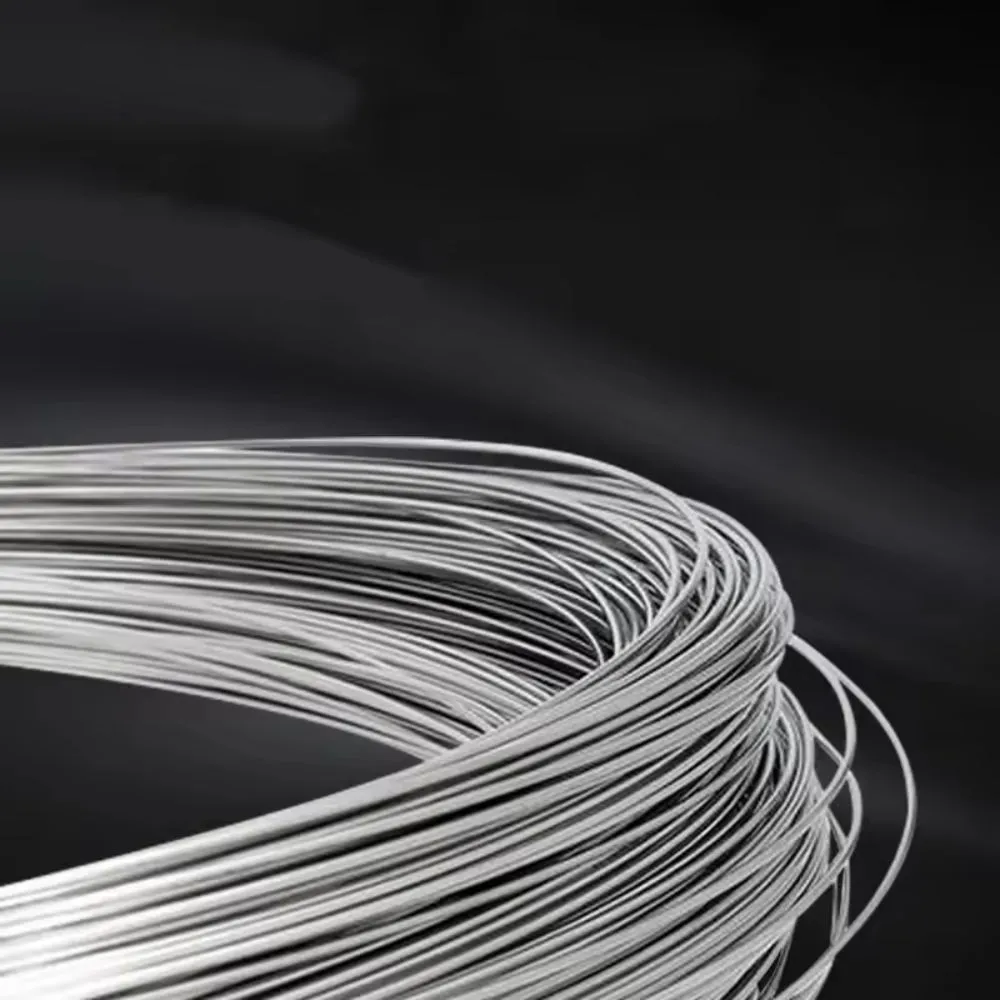
I’ve walked more mills than I can count, and—honestly—wire is where metallurgy meets everyday life. From precise medical springs to rugged architectural mesh, Stainless Steel Wire shows up everywhere. This particular line is produced in Heng Shui ZhengXuan Industrial Zone, AnPing, HengShui, HeBei, China—a region that’s been quietly refining wire-drawing craft for decades.
What’s trending (and why it matters)
- Shift to 304L/316L for weldability and chloride resistance; 301 for high spring back where cost matters.
- Tight-tolerance micro diameters (≈0.02–0.10 mm) for medical and wearables—actually harder than it sounds to draw consistently.
- Cleaner finishes (oil-free, passivated) to meet FDA-adjacent assembly rooms and RoHS/REACH restrictions.
Quick specs (real-world use may vary)
| Item | Details |
|---|---|
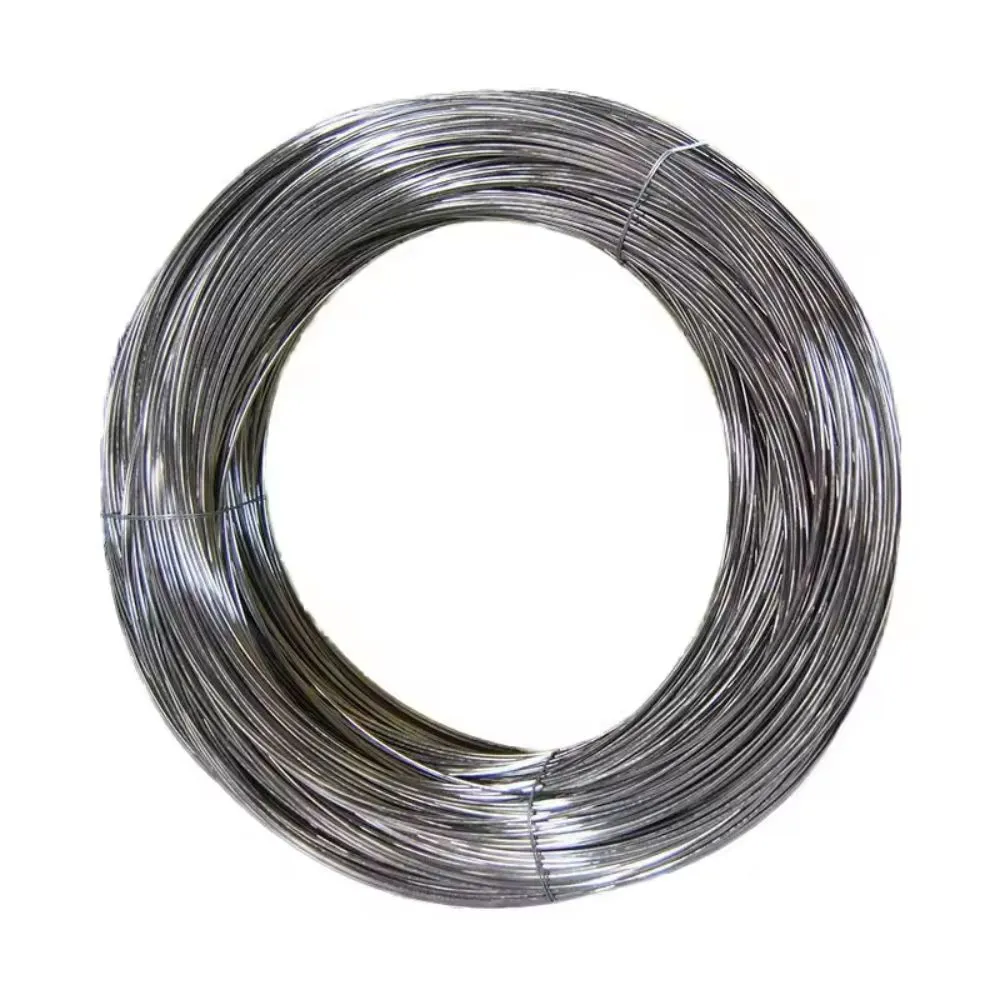
| Grades | 301, 304, 304H, 304L; (316/316L, 430 on request) |
| Standards | ASTM A580 (general), ASTM A313 (spring), AISI/GB/JIS/SUS/DIN |
| Diameter Range | 0.02–5.00 mm; typical tolerance ±0.003–0.02 mm depending on size |
| Finish | Bright-drawn, matte, polished; passivated; oil-free medical finish |
| Tensile (indicative) | 304/304L: ≈930–1500 MPa; 301 (spring): ≈1500–2000 MPa |
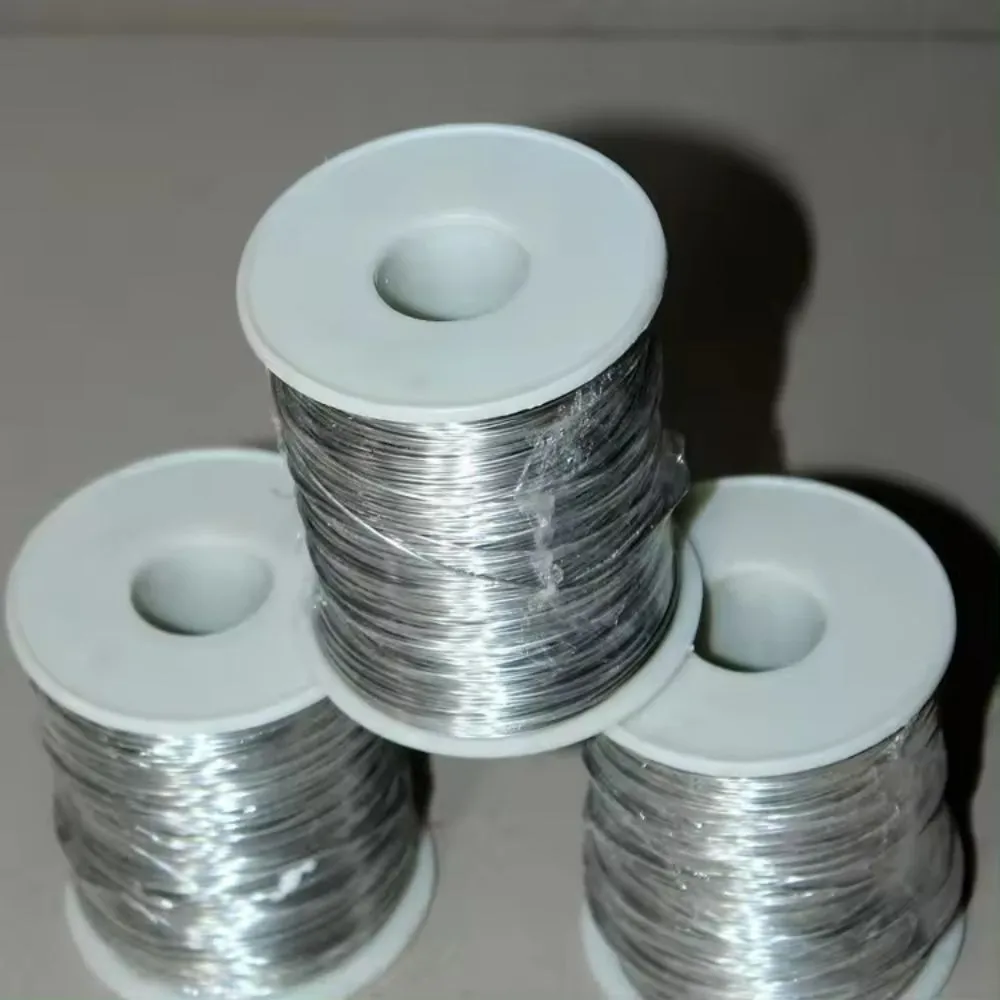
| Packaging | Spool or coil, moisture-protected, labeled traceability |
| Origin | AnPing, HeBei, China |
From melt to spool: process and testing
Materials: primary SS wire rod, typically EAF/BOF melt with controlled C, Cr, Ni (Mo in 316). Methods: pickling → multi-pass cold drawing → intermediate anneal → final draw → straightening → cut-to-length or spooling → passivation. Testing: PMI (XRF/OES), diameter and ovality checks (laser mic), tensile/elongation (ASTM A370), surface roughness (target Ra ≤0.4 μm), salt spray when specified (ASTM B117), intergranular corrosion optional for low‑C grades (ASTM A262). Service life: in urban atmospheres 304L can see ≈15–25 years; coastal splash zones favor 316L; indoors it’s almost boringly durable.
Where it’s used (and what people say)
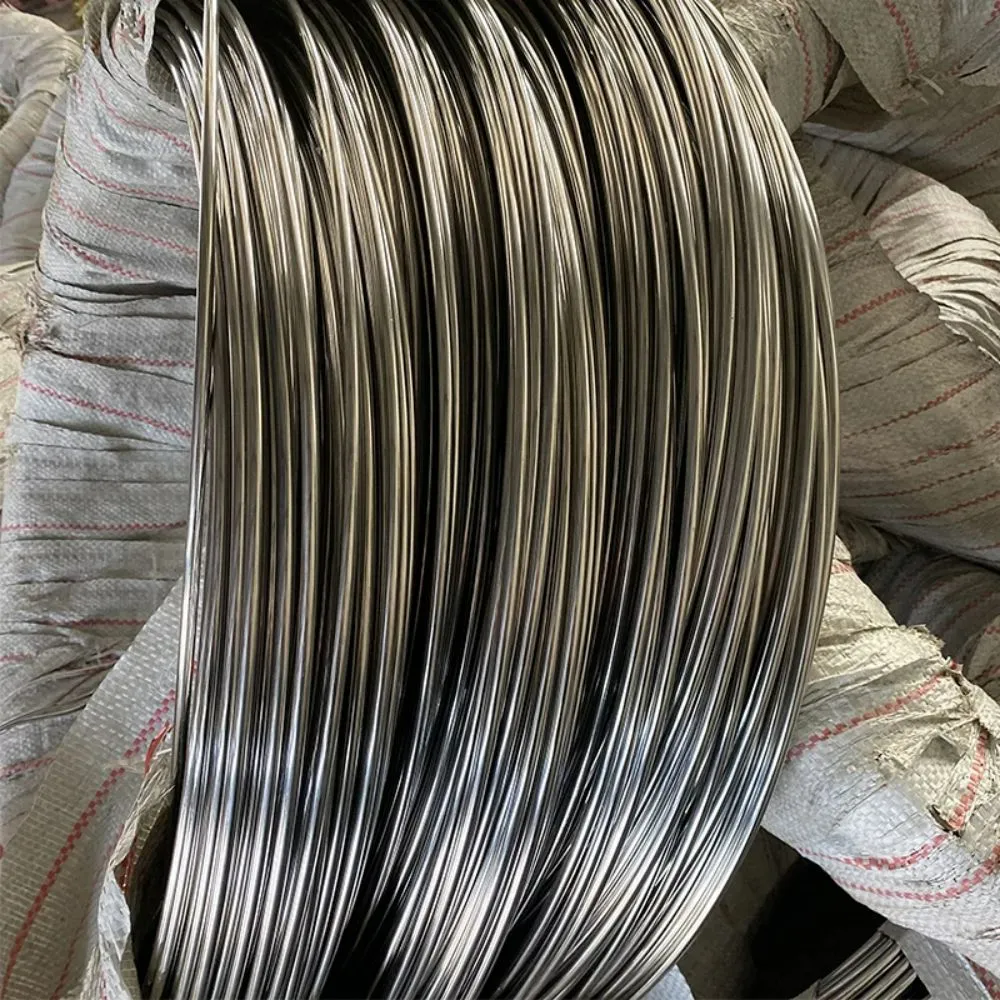
- Construction: balustrade cables, mesh facades, tie wires. Many customers say 316L saves headaches near the sea.
- Automotive: clamps, springs, harness lacing—surprisingly cost-effective in 301 tempered.
- Furniture and retail: clean bright finishes matter; 304 is the crowd-pleaser.
- Medical equipment (non-implant): guidewires, baskets; oil-free passivated Stainless Steel Wire keeps assembly lines cleaner.
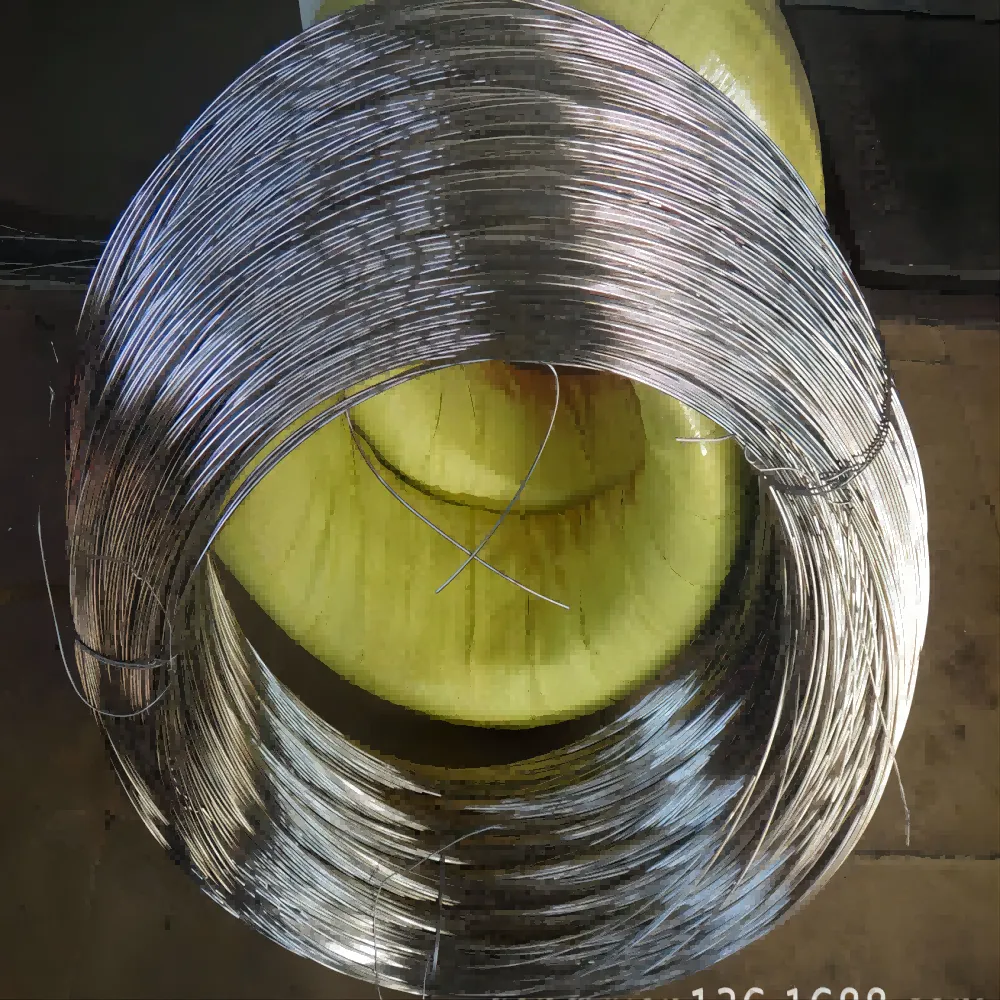
Vendor snapshot (I’ve bought from all three types)
| Vendor | Grades | MOQ | Lead Time | Certs | Notes |
|---|---|---|---|---|---|
| IronWireFactory (AnPing) | 301/304/304L; 316L on request | ≈300–500 kg | 2–4 weeks | ISO 9001; RoHS/REACH compliance | Good on customization and small runs |
| Trading House | Varies | Flexible | 3–6 weeks | Depends on source | Convenient, but QC transparency varies |
| Overseas Mill (EU/US) | Broad, incl. niche alloys | ≥1 ton | 6–10 weeks | ISO 9001/13485, more test options | Top-spec; price/lead time higher |
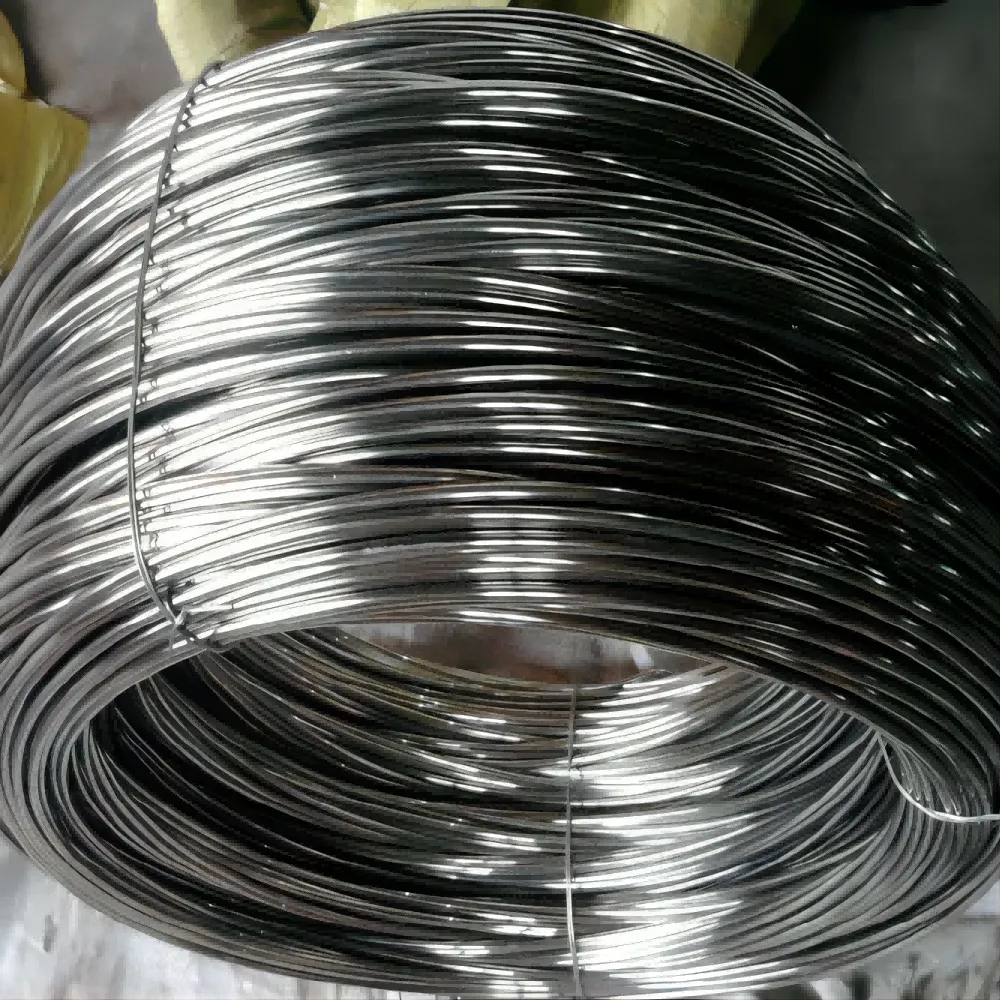
Customization that moves the needle
- Diameter: 0.02–5 mm; tight tolerance lanes for micro sizes.
- Temper: full soft to spring; work-hardening profiles tailored to coil forming or CNC springing.
- Surface: bright/polished, low residual oil, passivated; SSID-labeled spools for traceability.
- Packaging: narrow spools for automated payoff; coils for manual shops.
Mini case notes
- Medical basket maker switched to 304L oil-free Stainless Steel Wire; particulate counts dropped ≈35% and ultrasonic cleaning time fell by 20%.
- Coastal railing contractor moved from 304 to 316L; warranty claims on tea-staining dropped to near zero over 18 months.
Compliance and test data (sample)
Compliance: ISO 9001 QMS; RoHS/REACH; material certs with heat numbers. Sample lot (304L, 0.80 mm): tensile 1020 MPa; elongation 18%; diameter 0.800±0.006 mm; salt spray per ASTM B117 showed no red rust at 96 h (expected for SS; cosmetic spotting may occur—context matters).
References:
- ASTM A580/A580M – Standard Specification for Stainless Steel Wire. astm.org
- ASTM A313/A313M – Stainless Steel Spring Wire. astm.org
- ASTM B117 – Standard Practice for Operating Salt Spray (Fog) Apparatus. astm.org
- ISO 9001 – Quality management systems. iso.org
-
Professional Guide to Choosing Nails for Wooden Fence PanelsNewsApr.16,2026
-
PING HONGLIN WIRE MESH CO.,LTD: African Clients Visit Factory, Deepen Cooperation to Build a Global Quality BenchmarkNewsApr.14,2026
-
Guide to Choosing the Best nails for wood trim for CarpentryNewsApr.09,2026
-
Recognized for Excellence: ANPING HONGLIN WIRE MESH Named Alibaba FY2026 TOP Transaction Merchant, Celebrating 35 Years of Manufacturing HeritageNewsApr.07,2026
-
HONGLIN WIRE MESH Showcases at WORLDBEX Philippines 2026, Earning Strong Recognition from Global Builders & DistributorsNewsApr.07,2026
-
Spanish Client Delegation Visits Our Factory for Exchange, Exploring New Cooperation Opportunities in Welded Wire ProductsNewsApr.07,2026


