
Strong Welded Gabion Box: Durable, Easy Install for Retaining Walls
Industry Trends and Market Dynamics
The global market for civil engineering and environmental protection solutions continues to evolve, with an increasing emphasis on sustainable, durable, and cost-effective infrastructure. Within this landscape, Welded Gabion Box systems have emerged as a cornerstone solution. These modular containment systems, filled with natural rock, offer unparalleled flexibility and strength for a wide array of applications, from erosion control and retaining walls to architectural facades.
Recent industry analyses project a steady growth in the gabion market, driven by increased investments in infrastructure development, rising awareness of environmental protection, and the imperative to mitigate natural disasters such as landslides and flooding. Innovations in material science, particularly advanced coatings and alloys, are further enhancing the service life and performance characteristics of gabion structures, making them a preferred choice for geotechnical and hydraulic engineering projects. The B2B sector, comprising governmental bodies, construction firms, and consulting engineers, increasingly seeks solutions that offer verifiable technical advantages and long-term economic benefits.
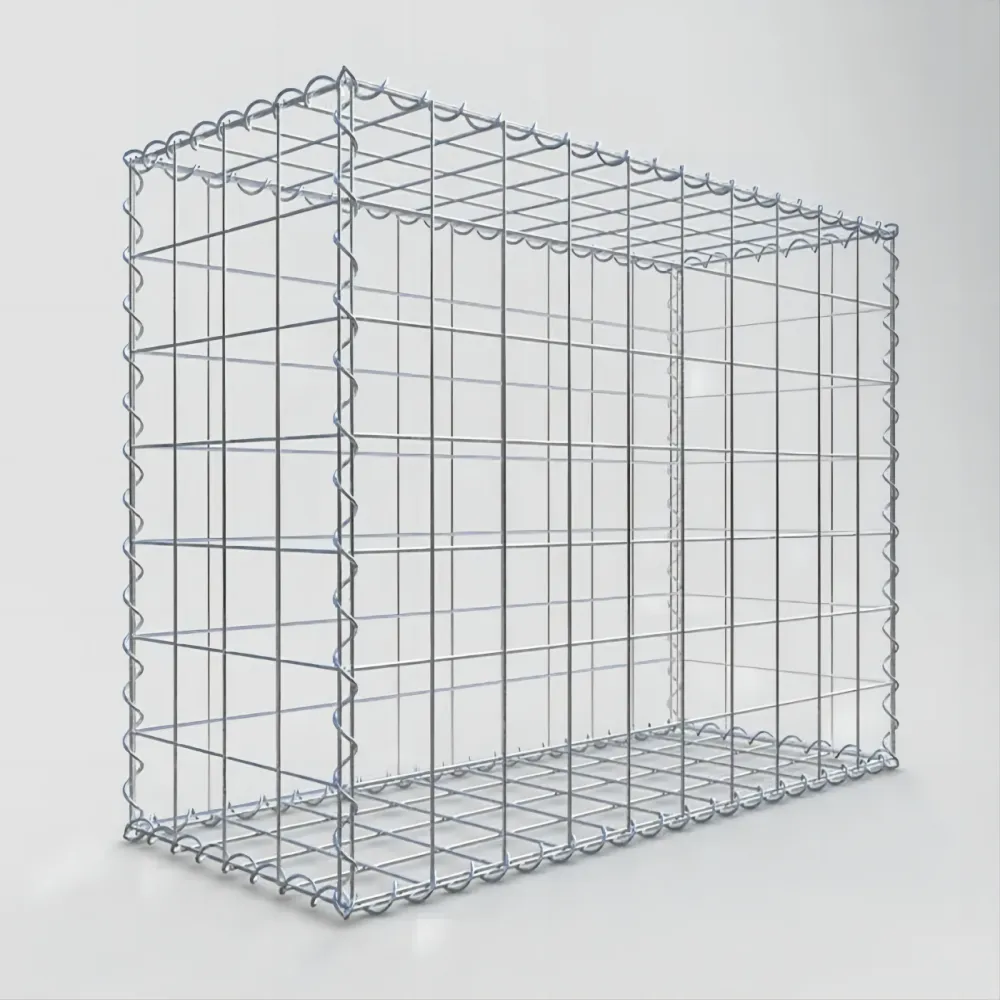
Detailed Manufacturing Process Flow
The production of a high-quality Welded Gabion Box involves a meticulous, multi-stage process designed to ensure structural integrity, longevity, and performance under demanding environmental conditions. Our manufacturing adheres strictly to international standards such as ISO 9001 for quality management and relevant ASTM/EN specifications for materials and fabrication.
Key Process Steps:
- Material Selection & Preparation: We begin with high-tensile steel wire, typically low-carbon steel, chosen for its ductility and strength. Common materials include galvanized steel wire, Galfan (Zinc-Aluminum alloy) coated wire, or PVC-coated wire for enhanced corrosion resistance. Wire diameters range from 2.0 mm to 6.0 mm, selected based on the required structural load and application environment.
- Wire Straightening & Cutting: The raw wire coils are fed into automated straightening machines to remove any curvature, followed by precision cutting to the exact lengths required for the gabion panels. This step utilizes CNC machining for optimal accuracy, minimizing material waste.
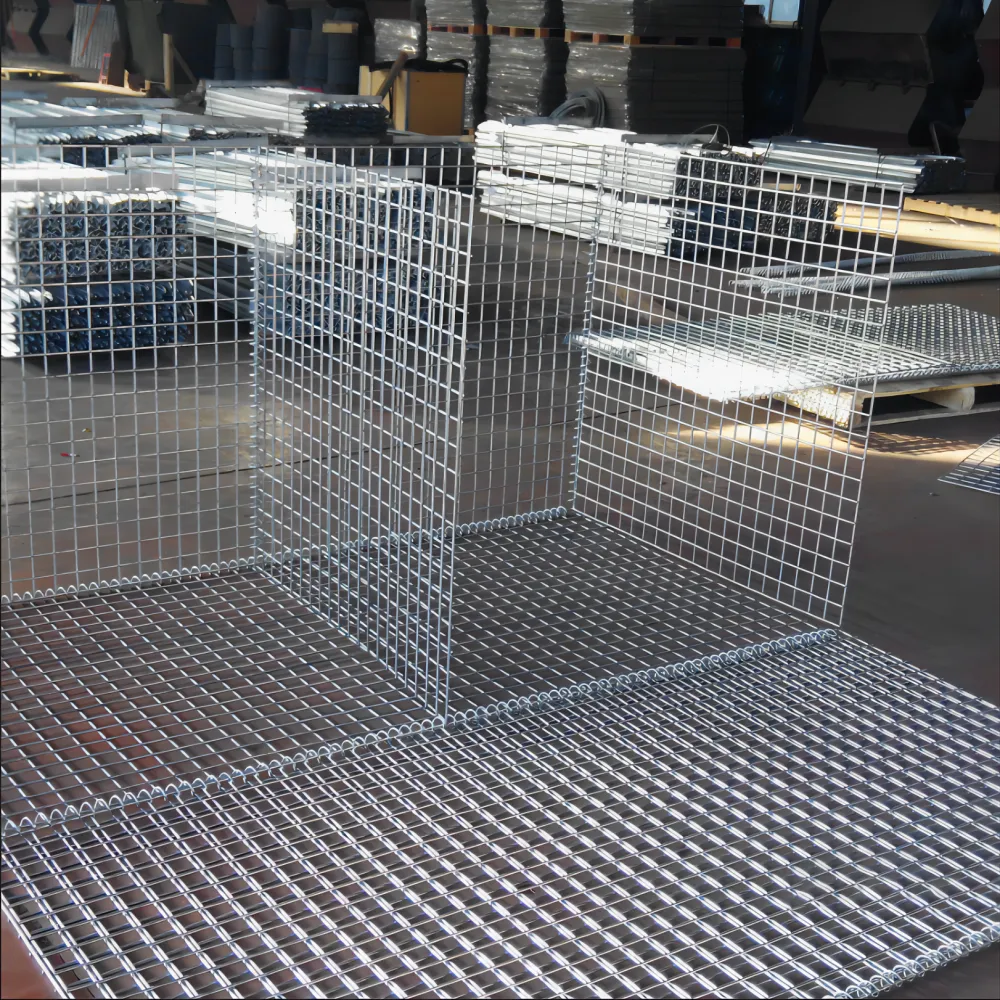
- Mesh Welding: Individual wires are then cross-welded at each intersection to form rigid mesh panels. Our state-of-the-art multi-spot welding machines ensure strong, consistent welds, forming a robust grid structure. The aperture sizes (mesh openings) are precisely controlled, typically ranging from 50x50mm to 100x100mm, influencing the structural rigidity and infill retention capabilities of the Welded Gabion Box. This crucial stage dictates the overall strength and shape retention of the final product.
- Panel Assembly & Folding: The welded mesh panels (front, back, sides, base, lid, and diaphragms) are then assembled. For ease of transport and installation, these panels are typically connected with spiraled wires or C-rings at the factory and subsequently folded flat. This modular design significantly reduces shipping volumes and simplifies on-site assembly.
-
Surface Treatment (if applicable):
- Hot-dip Galvanization: For enhanced corrosion resistance, especially in marine or acidic environments, many gabion wires undergo hot-dip galvanization after welding. This process applies a thick, uniform zinc coating (e.g., exceeding 245 g/m² according to ASTM A90/A90M).
- Galfan Coating: A superior zinc-aluminum alloy coating (typically 95% zinc, 5% aluminum) offers even better corrosion protection, often extending service life by several decades compared to standard galvanization.
- PVC Coating: For extreme environments, such as highly corrosive industrial sites or salt-water exposure, a layer of UV-stabilized PVC (Polyvinyl Chloride) is extruded over the galvanized or Galfan wire. This provides an additional barrier against chemical attack and abrasion.
- Quality Control & Testing: Each batch undergoes rigorous quality checks. This includes tensile strength tests (e.g., ISO 6892-1), weld shear strength tests (e.g., ASTM A974), coating adherence tests (e.g., ASTM A90/A90M for galvanized, ASTM A856 for Galfan), and salt spray corrosion tests (e.g., ASTM B117) to simulate accelerated aging. Dimensions, mesh sizes, and overall fabrication quality are meticulously inspected to ensure compliance with design specifications and industry standards like EN 10223-8 or ASTM A974.
- Packaging & Shipping: Finished gabions are compressed, bundled, and secured for efficient, damage-free transport to project sites globally.
The target industries for our gabion solutions include civil engineering (road and rail embankments, bridge abutments), hydraulic engineering (river bank protection, dam spillways, channel linings), environmental protection (landslide stabilization, noise barriers), and architectural landscaping. With proper material selection and installation, the service life of a well-constructed Welded Gabion Box system can exceed 50 years, often matching the lifespan of the underlying infrastructure.
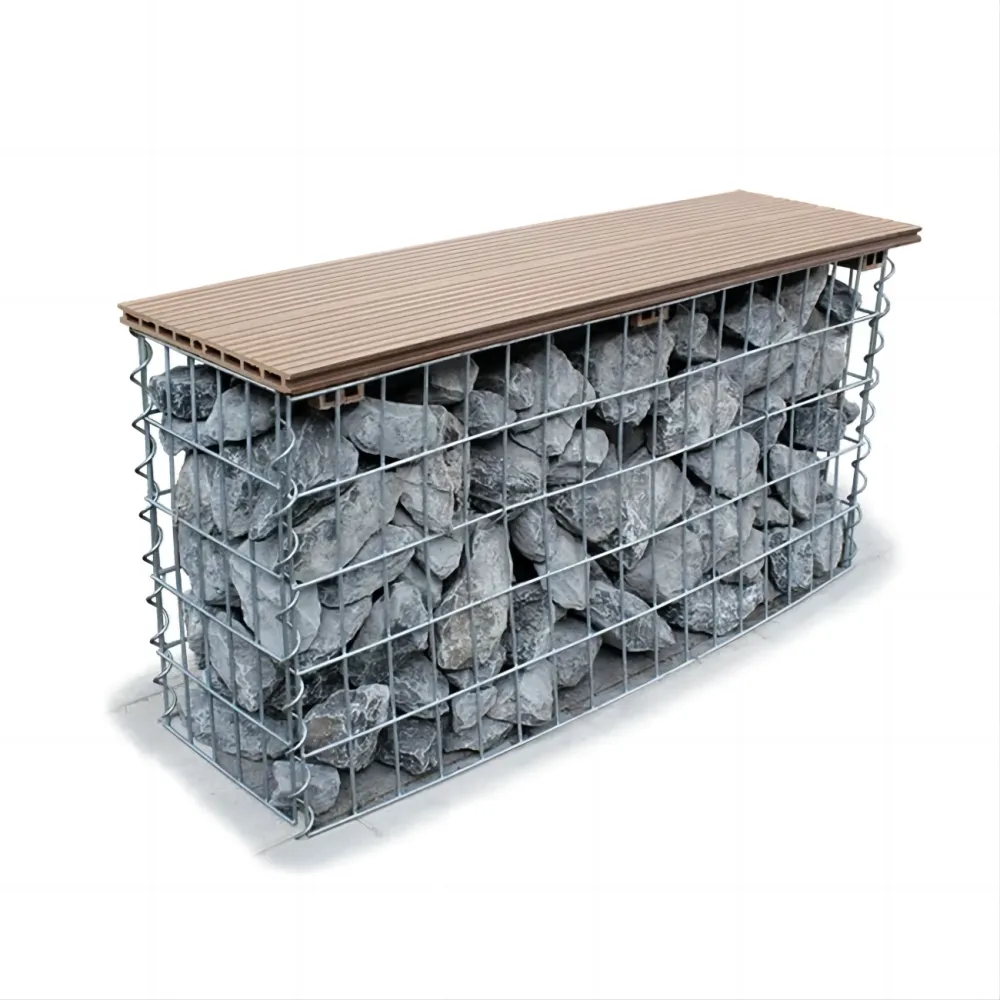
Technical Specifications and Performance Metrics
Understanding the precise technical parameters is crucial for engineers and procurement specialists when specifying gabion structures. Our Welded Gabion Box systems are engineered to meet stringent performance requirements, ensuring structural integrity and longevity.
Standard Product Specifications:
| Parameter | Specification Range | Relevant Standard |
|---|---|---|
| Wire Diameter (Main Mesh) | 2.0 mm – 6.0 mm (0.079" – 0.236") | ASTM A974, EN 10223-8 |
| Wire Diameter (Selvedge/Lacing) | Typically 0.5 mm – 1.0 mm thicker than main mesh | ASTM A974, EN 10223-8 |
| Mesh Opening (Aperture) | 50x50 mm, 75x75 mm, 76.2x76.2 mm, 100x50 mm, 100x100 mm | ASTM A974, EN 10223-8 |
| Standard Box Dimensions (L x W x H) | 1x1x0.5m, 1x1x1m, 2x1x0.5m, 2x1x1m, 3x1x1m, 4x1x1m (customizable) | Manufacturer Specific, Project Dependent |
| Coating Type | Hot-dip Galvanized, Galfan (Zn-5Al-MM), PVC Coated (over Galv/Galfan) | ASTM A90/A90M, ASTM A856, EN 10244-2 |
| Zinc Coating Weight | ≥ 245 g/m² (Hot-dip Galv), ≥ 260 g/m² (Galfan) | ASTM A90/A90M, EN 10244-2 Class A |
| Tensile Strength of Wire | 380-550 MPa (55,000-80,000 psi) | ISO 6892-1, ASTM A641 |
| Weld Shear Strength | Minimum 70% of ultimate tensile strength of wire | ASTM A974 |
The precise configuration of wire diameter, mesh size, and coating type allows for the optimization of gabion performance for specific geotechnical engineering challenges. For instance, larger wire diameters and smaller mesh openings offer enhanced rigidity and greater resistance to impact and abrasion, ideal for high-energy hydraulic applications. Conversely, in less aggressive environments, lighter gauge wires can be utilized to achieve cost efficiencies while maintaining structural integrity.
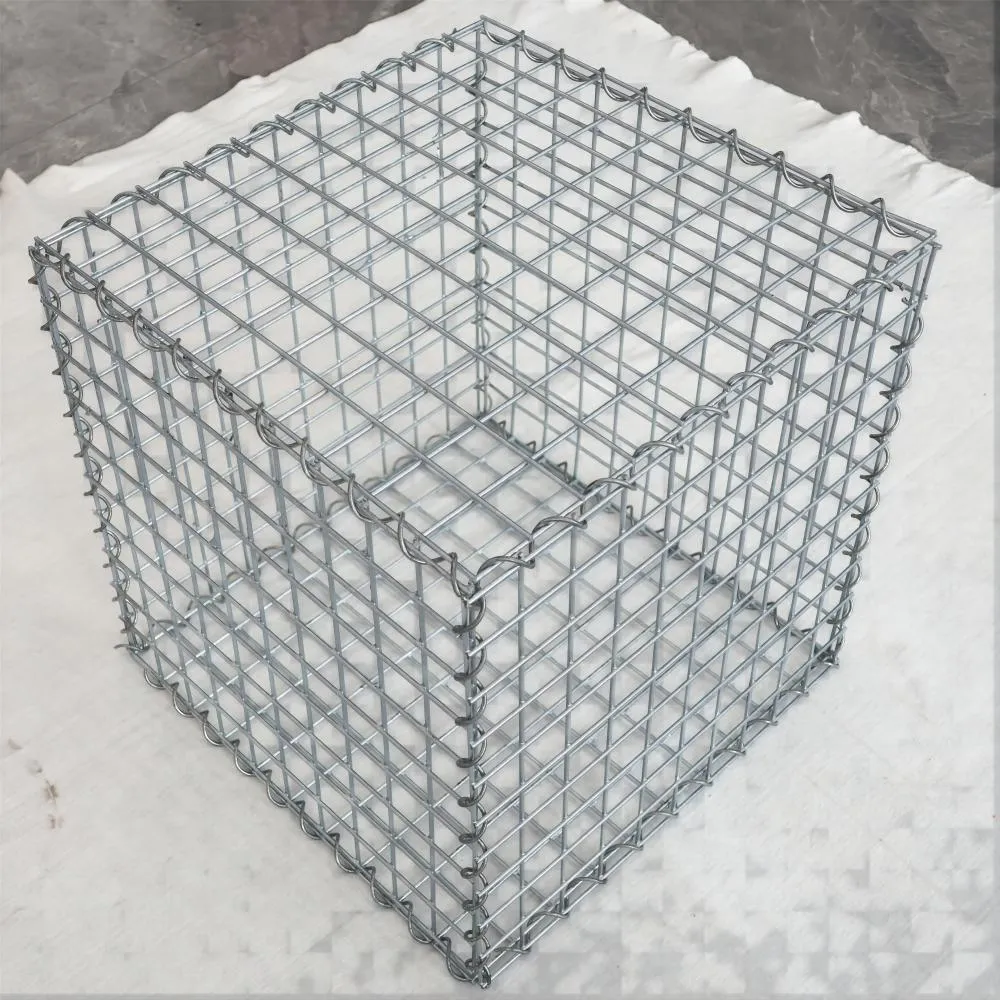
Versatile Application Scenarios
The inherent adaptability and robust nature of the Welded Gabion Box make it an indispensable tool across a diverse range of B2B applications. Its flexibility in design and infill materials allows for tailored solutions in various sectors.
Primary Application Areas:
- Erosion Control and River Bank Protection: Gabions form mass gravity structures that can effectively dissipate hydraulic energy, stabilize riverbanks, and prevent scour. Their permeable nature allows for hydrostatic pressure relief, which is critical in dynamic aquatic environments.
- Retaining Walls and Slope Stabilization: For civil infrastructure projects, gabion retaining walls offer a robust and flexible solution for stabilizing unstable slopes, supporting road embankments, and constructing bridge abutments. Their ability to deform without failure is a significant advantage in seismic zones or areas prone to ground movement.
- Channel Linings and Weirs: In water supply and drainage systems, gabions are used to line channels, create check dams, and construct weirs. This helps regulate water flow, prevent erosion of the channel bed and banks, and manage sediment transport.
- Landslide Mitigation: In mountainous regions or areas with unstable geology, gabion structures serve as critical components in landslide remediation strategies, forming buttresses and revetments to secure slopes.
- Architectural and Landscaping Features: Beyond their functional applications, Welded Gabion Box units are increasingly utilized in architectural design for creating aesthetically pleasing facades, sound barriers, garden walls, and public space demarcation, offering a natural and rustic appeal.
- Noise Barriers: When filled with appropriate aggregates, gabion walls can effectively attenuate noise, making them suitable for use along highways, railways, and industrial sites to reduce sound pollution.
From large-scale governmental infrastructure projects to specialized environmental engineering challenges, the adaptability and proven performance of these systems underscore their value. Each application benefits from the inherent durability and environmental compatibility of gabion technology, contributing to sustainable development goals.
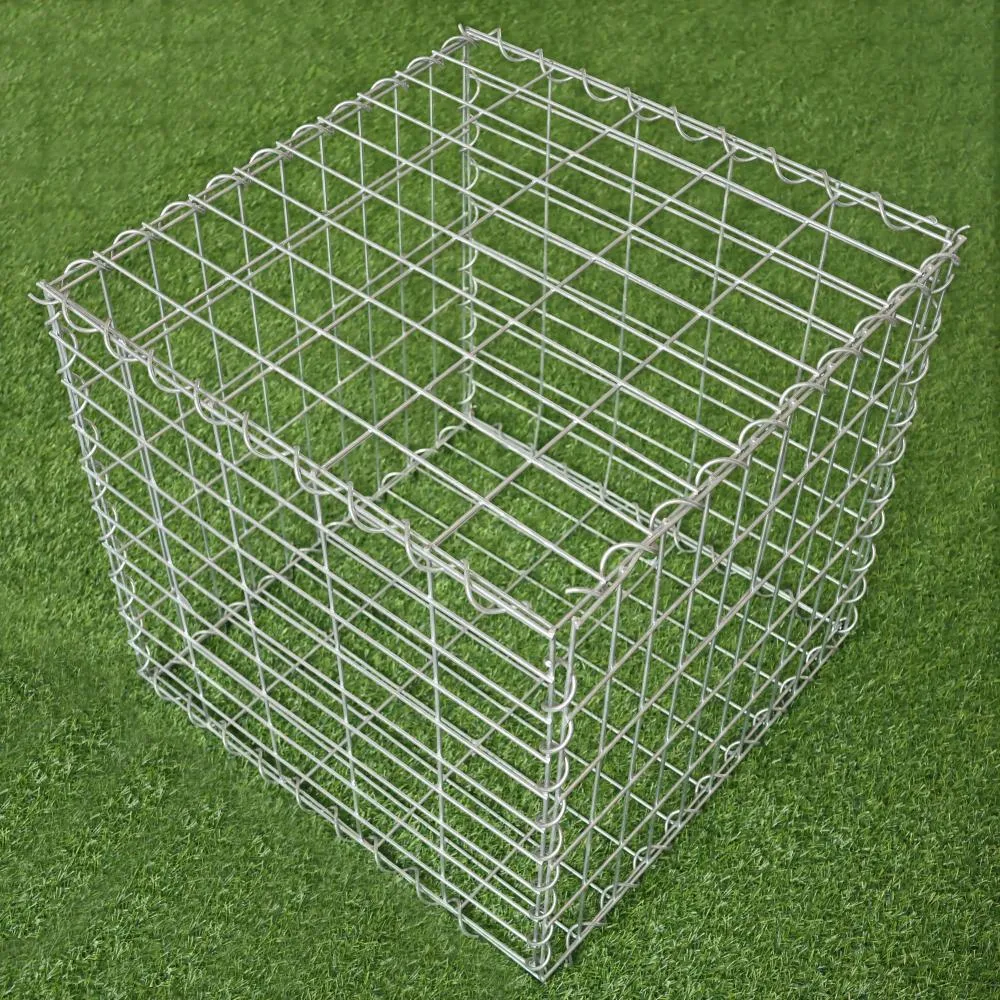
Technical Advantages and Performance Benefits
The adoption of Welded Gabion Box solutions offers distinct technical and operational advantages over traditional construction methods, particularly in demanding B2B applications where durability, environmental considerations, and cost-efficiency are paramount.
Key Advantages:
- Superior Structural Rigidity and Stability: Unlike traditional woven gabions which can experience some deformation under load, welded mesh gabions offer enhanced rigidity due to their precisely welded joints. This creates a more stable and aesthetically uniform structure, essential for critical infrastructure.
- Exceptional Corrosion Resistance: Through advanced coating technologies such as heavy hot-dip galvanization, Galfan, or PVC coating, our gabions exhibit outstanding resistance to corrosive elements, including saltwater, industrial pollutants, and acidic soils. This significantly extends their service life, reducing maintenance costs and ensuring long-term structural integrity.
- Permeability and Hydrostatic Pressure Relief: The inherent permeability of gabion structures allows for free drainage, preventing the buildup of hydrostatic pressure behind retaining walls. This characteristic is critical for stability, especially in applications subject to fluctuating water levels, such as riverbanks and coastal defenses, thereby enhancing structural safety and preventing failures common with impermeable structures.
- Flexibility and Adaptability: While rigid in form, gabion structures possess a degree of flexibility that allows them to accommodate minor ground settlements without compromising structural integrity. This makes them ideal for use in areas with unstable subgrades or seismic activity.
- Environmental Compatibility and Sustainability: Utilizing local infill materials reduces transportation costs and carbon footprint. Gabion structures integrate naturally into the landscape and promote vegetation growth over time, enhancing biodiversity and contributing to ecological restoration efforts. They are a sustainable alternative to concrete, requiring less energy in production and on-site construction.
- Ease and Speed of Installation: The modular, pre-fabricated nature of Welded Gabion Box systems simplifies assembly and accelerates construction timelines. Minimal specialized equipment or skilled labor is required, translating to significant cost savings on labor and project overheads.
- Cost-Effectiveness: When considering the full lifecycle cost, including material, installation, and long-term maintenance, gabion solutions often prove more economical than conventional rigid structures.
These advantages collectively position the Welded Gabion Box as a superior choice for robust, resilient, and environmentally responsible infrastructure development in various B2B contexts.
Vendor Comparison and Customization Options
Selecting the right supplier for Welded Gabion Box systems is a critical decision for B2B clients, impacting project timelines, budget, and long-term performance. A comprehensive vendor comparison should evaluate not just price, but also quality assurance, technical support, and customization capabilities.
Key Vendor Comparison Criteria:
| Criterion | Leading Supplier (e.g., Us) | Typical Competitor |
|---|---|---|
| Quality Certifications | ISO 9001, ASTM A974, EN 10223-8, CE Compliant | May vary, sometimes limited to basic standards |
| Material Traceability | Full traceability from raw steel to finished product | Limited or partial traceability |
| Coating Options | Hot-dip Galvanized, Galfan, PVC over Galfan/Galv (Custom thicknesses available) | Primarily Hot-dip Galvanized, limited advanced options |
| Customization Capabilities | Extensive, including non-standard dimensions, mesh sizes, wire gauges, and specialized coatings | Primarily standard sizes and configurations |
| Technical Support & Engineering | Dedicated engineering support, design consultation, installation guidance | Basic product information, limited design assistance |
| Lead Time & Fulfillment | Efficient production, optimized logistics, reliable global delivery | Variable, potential for delays with large or custom orders |
| Warranty & After-Sales | Comprehensive warranties, dedicated customer service | Limited or standard warranties, less responsive support |
Customized Solutions:
Recognizing that no two projects are identical, we offer extensive customization capabilities for our Welded Gabion Box systems. This flexibility allows us to tailor solutions precisely to the unique geological, hydraulic, and aesthetic requirements of each project.
- Dimensions and Configurations: Beyond standard sizes, we can fabricate gabions in custom lengths, widths, and heights, including trapezoidal or stepped units for specific slope geometries.
- Wire Gauges and Mesh Apertures: Projects requiring exceptional strength or specific infill retention can opt for heavier gauge wires or specialized mesh patterns.
- Specialized Coatings: In addition to standard galvanized and Galfan options, we provide bespoke PVC formulations for extreme chemical resistance or specific color requirements for architectural integration.
- Integrated Components: We can design gabions with integrated features such as geotextile filters, internal diaphragms for improved stability, or specialized connections for composite structures.
Our engineering team collaborates closely with clients from conceptualization through to implementation, leveraging decades of experience to deliver optimal, cost-effective, and performance-driven gabion solutions.
Application Case Studies
Real-world applications demonstrate the practical benefits and proven reliability of our Welded Gabion Box systems. Here are examples showcasing their versatility and effectiveness.
Case Study 1: River Bank Stabilization Project - Hydroelectric Dam Expansion
Client: Major Energy Utility, Southeast Asia
Challenge: The expansion of a hydroelectric dam necessitated the stabilization of highly erodible riverbanks susceptible to significant water velocity and scour during monsoon seasons. Traditional concrete solutions were deemed too rigid and environmentally invasive.
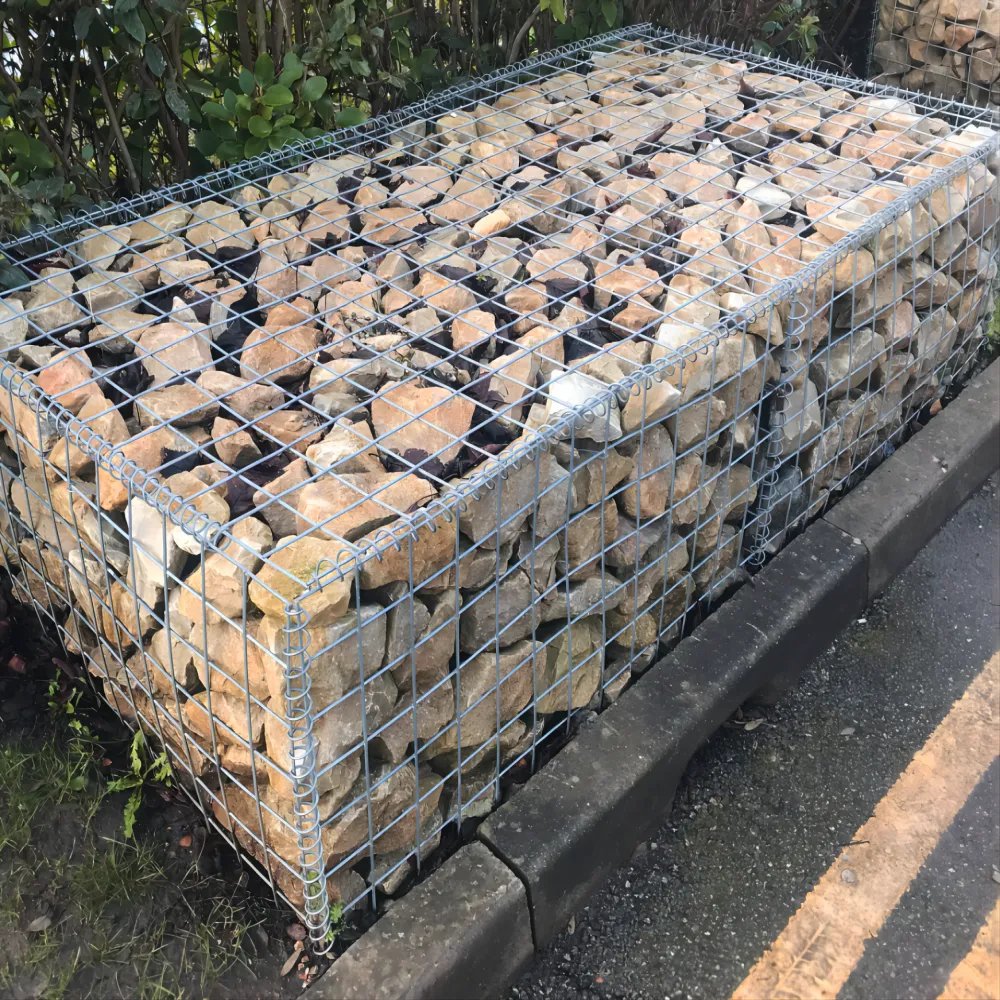
Solution: Over 5,000 cubic meters of heavy-gauge (4.0mm wire), Galfan-coated Welded Gabion Box units (2x1x1m) were supplied. These were stacked to form stepped revetments along a 2km stretch of the riverbank. The permeable nature allowed for natural drainage and rapid establishment of local vegetation within and around the structures, fostering ecological recovery.
Outcome: The gabion structures successfully withstood multiple severe flood events over a five-year monitoring period, showing no signs of structural failure or significant erosion. The client reported substantial cost savings compared to alternative methods and praised the rapid installation time, which was crucial for meeting project deadlines.
Case Study 2: Highway Embankment Retaining Wall - Mountainous Terrain
Client: National Department of Transport, South America
Challenge: Construction of a new highway through steep, geologically unstable mountainous terrain required a robust and flexible retaining wall system to support a 15-meter high embankment, capable of withstanding potential seismic activity and heavy rainfall.
Solution: A multi-tiered retaining wall was designed using custom-sized (3x1x1m and 3x1x0.5m), PVC-coated Welded Gabion Box units over hot-dip galvanized wire. The PVC coating was selected for enhanced durability against highly corrosive mountain soil and increased UV exposure. Local quarry stone was used as infill, providing both stability and a natural aesthetic blend with the environment.
Outcome: The gabion retaining wall system provided the necessary structural support, demonstrating excellent performance during minor seismic events. The permeable design effectively managed water runoff, preventing saturation and subsequent instability of the backfill. The project was completed ahead of schedule, attributing efficiency to the ease of gabion assembly and local material sourcing.
Trustworthiness: FAQ, Lead Time, Warranty & Support
Frequently Asked Questions (FAQ):
Q: What is the typical lifespan of a Welded Gabion Box system?
A: With appropriate material selection and coating (e.g., Galfan or PVC-coated wire), a well-installed gabion system can last upwards of 50 to 100 years, depending on environmental conditions and the aggressiveness of the local climate. Galvanized gabions typically offer 20-30 years in moderate conditions.
Q: Can gabions be filled with materials other than rock?
A: While rock is the most common infill due to its weight, permeability, and availability, gabions can also be filled with crushed concrete, recycled demolition material, or even soil for vegetated structures, provided the infill meets specific size and durability requirements.
Q: Are your gabions suitable for marine environments?
A: Yes, for marine or highly corrosive environments, we recommend our Galfan-coated wire with an additional PVC coating. This combination provides superior resistance to saltwater and abrasive forces, significantly extending the service life in such challenging conditions.
Q: What kind of site preparation is needed for gabion installation?
A: Proper site preparation is crucial. This typically involves clearing the site, excavating to the required depth, and preparing a level and stable foundation. Geotextiles may be used to prevent migration of fines if the underlying soil is cohesive. Detailed engineering designs and site-specific geotechnical assessments should always guide preparation.
Lead Time and Fulfillment:
Our manufacturing capabilities allow for efficient production schedules. Standard orders for Welded Gabion Box units typically have a lead time of 2-4 weeks from order confirmation to dispatch, depending on volume and current production load. Customized or large-scale project orders may require a lead time of 4-8 weeks. We maintain robust logistics partnerships to ensure timely and cost-effective global delivery, with detailed tracking information provided to clients.
Warranty Commitments:
We stand by the quality and durability of our products. All Welded Gabion Box products are backed by a comprehensive warranty:
- Hot-dip Galvanized: 10-year warranty against manufacturing defects and premature coating failure.
- Galfan Coated: 25-year warranty against manufacturing defects and coating corrosion.
- PVC Coated (over Galfan/Galv): 30-year warranty against manufacturing defects, coating delamination, and severe corrosion.
Customer Support Information:
Our commitment to client success extends beyond product delivery. Our dedicated customer support team and technical engineers are available to assist with:
- Pre-sales consultation and product specification.
- Design assistance and engineering recommendations.
- Order tracking and logistics support.
- Post-installation technical advice.
- Warranty claims and product feedback.
You can reach our support team via email at sales@ironwirefactory.com or by phone at +86-XXX-XXXX-XXXX during business hours. We are committed to providing prompt and effective solutions to all our clients.
References
- American Society for Testing and Materials (ASTM) International. "Standard Specification for Steel Wire, Zinc-Coated (Galvanized) or Zinc-Alloy-Coated (Galfan) for Gabions and Gabion Mattresses." ASTM A974/A974M.
- International Organization for Standardization (ISO). "Metallic materials — Tensile testing — Part 1: Method of test at room temperature." ISO 6892-1.
- European Committee for Standardization (CEN). "Steel wire and wire products for fencing and netting — Part 8: Welded mesh gabion products." EN 10223-8.
- Maccaferri Gabions Technical Manual. "Gabion Structures: Design and Applications for Geotechnical and Hydraulic Engineering."
- Terzaghi, K., Peck, R. B., & Mesri, G. (1996). "Soil Mechanics in Engineering Practice." John Wiley & Sons.
-
Professional Guide to Choosing Nails for Wooden Fence PanelsNewsApr.16,2026
-
PING HONGLIN WIRE MESH CO.,LTD: African Clients Visit Factory, Deepen Cooperation to Build a Global Quality BenchmarkNewsApr.14,2026
-
Guide to Choosing the Best nails for wood trim for CarpentryNewsApr.09,2026
-
Recognized for Excellence: ANPING HONGLIN WIRE MESH Named Alibaba FY2026 TOP Transaction Merchant, Celebrating 35 Years of Manufacturing HeritageNewsApr.07,2026
-
HONGLIN WIRE MESH Showcases at WORLDBEX Philippines 2026, Earning Strong Recognition from Global Builders & DistributorsNewsApr.07,2026
-
Spanish Client Delegation Visits Our Factory for Exchange, Exploring New Cooperation Opportunities in Welded Wire ProductsNewsApr.07,2026


