
Temporary Fence | Durable Panels, Fast Setup, Best Price
Field Notes on the Temporary Fence Market: What’s Really Working on Site
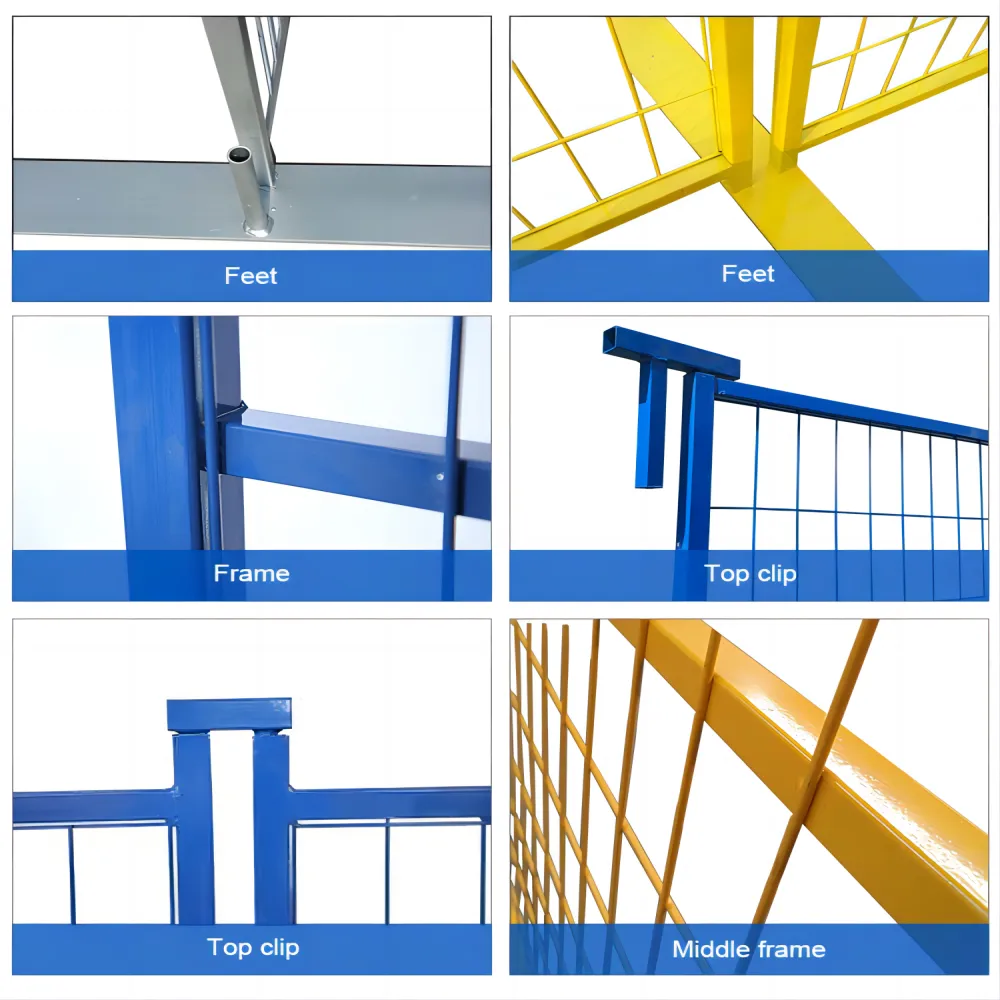
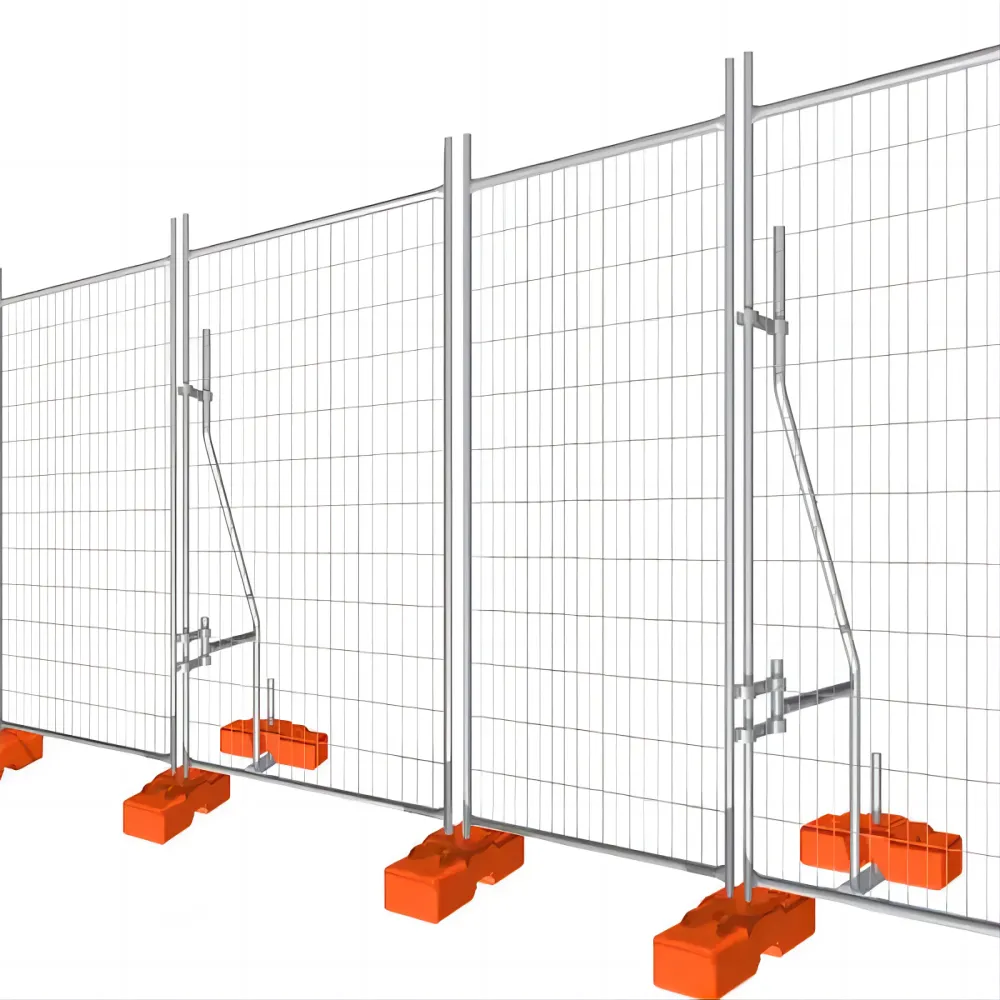
If you’ve worked a construction gate at dawn or wrangled crowd lines at a festival, you already know: a good Temporary Fence can save a job. I’ve spent enough time in boots to see the quiet heroes—panels, feet, clamps—doing the heavy lifting. Australia-style systems, in fact, are delightfully straightforward: panel + pipes + feet + clamps/clips + base/brackets. Simple, modular, surprisingly robust.
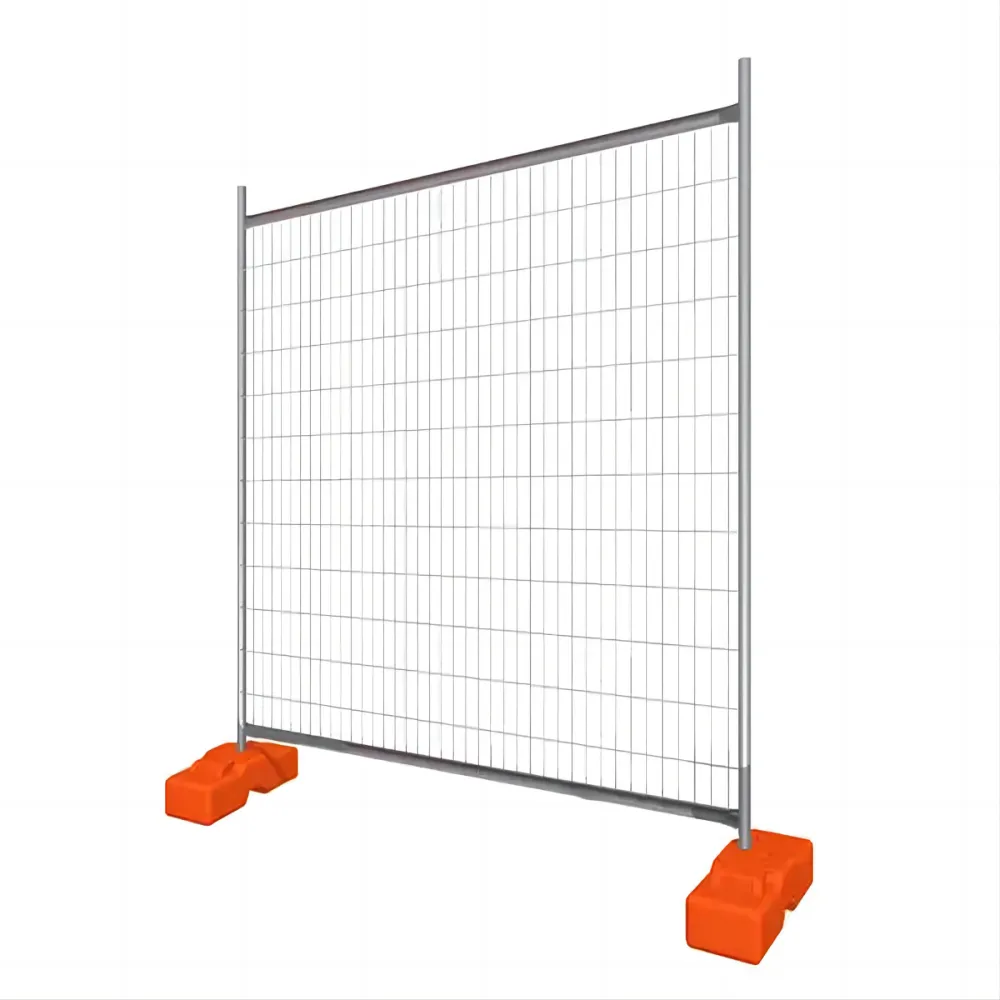
Where the industry is heading
Trends I’m seeing lately: recycled rubber feet (less cracking, nicer on pavements), hot-dip galvanizing for longer rentals, anti-climb mesh for urban sites, quick-latch clamps (fewer dropped bolts), and, yes, RFID tagging so yards stop losing panels. The rental market is still king, but small contractors are buying outright because lifecycle math favors owning after a season or two.
Technical snapshot (real-world specs)
| Item | Typical Spec (≈, real use may vary) |
|---|---|
| Panel size | 2100–2400 mm H × 2400–3300 mm W |
| Mesh aperture | 60 × 150 mm or 75 × 150 mm |
| Wire diameter | 3.0–4.0 mm (Q195/Q235 steel) |
| Frame pipe OD × thickness | 32–40 mm × 1.2–1.6 mm |
| Feet/base | Recycled rubber or HDPE concrete-filled |
| Coating | Pre-gal + powder, or hot-dip galvanized (ISO 1461) |
| Service life | 5–10 years, duty dependent |
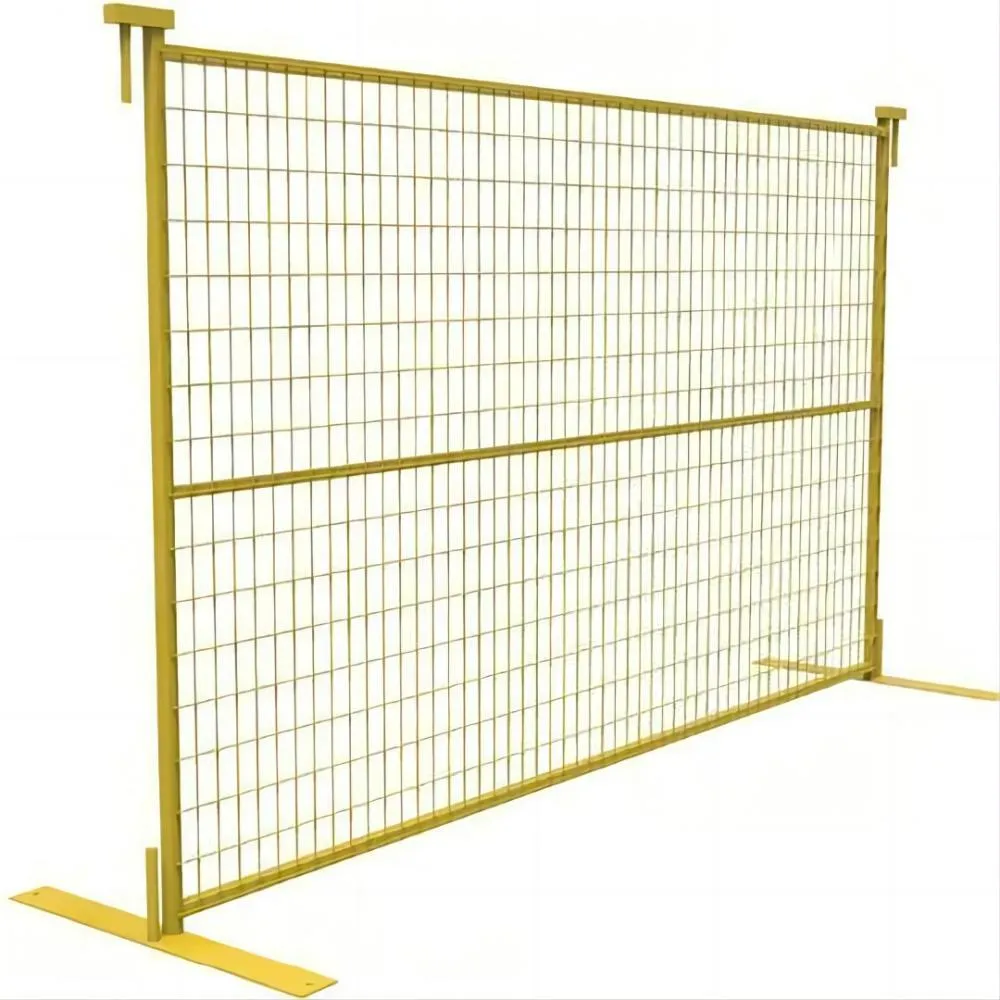
How it’s made (and tested)
Materials: low-carbon Q195/Q235 wire and tube. Panels are resistance-welded (I’ve counted 50–70 weld nodes on typical frames), frame corners fish-mouthed and MIG welded, then coated. Pre-gal + powder is cost-efficient; hot-dip galvanized after welding is the durability champ.
Testing that matters: weld shear (aim ≥ 800–1000 N/weld), salt spray to ASTM B117 (I like seeing 720 h no red rust for powder over gal, 1000+ h for HDG), and compliance to AS 4687 for temporary fencing and hoardings. Some buyers also request zinc mass checks (g/m²) and drop tests on feet.
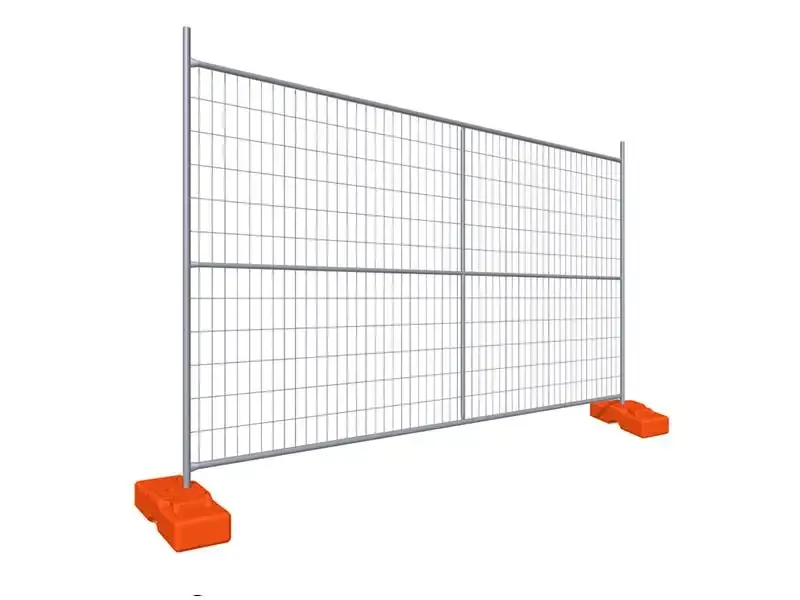
Where Temporary Fence works best
Construction perimeters, roadway works, festivals, crowd control at stadiums, utilities maintenance, airports, mining laydowns, emergency cordons. Add shade cloth or debris net for wind/dust management; brace bars in high-wind corridors; swing-gate kits for site access. Many customers say the anti-climb mesh keeps opportunists honest—no system is perfect, but it helps.
Two quick case notes
Temporary Fence around a Melbourne rail upgrade: 2.1 m anti-climb panels, recycled rubber feet, 1,200 m installed in 36 hours; no panel failures after three storms (gusts ≈ 70 km/h) with brace bars every third panel. A festival in the U.S.: powder-coated panels (sponsor color), 48 gates, and—surprisingly—zero trip claims after switching to low-profile feet.
Vendor snapshot (what to look for)
| Vendor | Origin | Coating | Weld strength | Lead time | Certs |
|---|---|---|---|---|---|
| Iron Wire Factory | Heng Shui ZhengXuan Industrial Zone, AnPing, HeBei, China | HDG or pre-gal + powder | ≈ 900–1200 N/weld | 15–30 days | ISO 9001; AS 4687 tested |
| Local Hire Brand | Regional | Mixed (often powder) | ≈ 700–1000 N | In-stock | AS 4687 compliant |
| Low-cost Importer | Various | Pre-gal only | ≈ 500–800 N | 20–45 days | Claims vary |
Customization tips
Ask for panel width to match your truck racks; select anti-climb mesh for urban jobs; specify zinc mass and powder thickness (e.g., ≥ 60–80 μm). Branding plates, gate wheels, and bright-color feet help. For windy corridors, request engineering for ballast spacing per AS 4687.
Bottom line
A well-built Temporary Fence is not fancy—just consistent. Get the welds right, the zinc right, the feet durable, and the clamps that don’t chew hands. Sounds basic, but that’s what keeps sites safe and projects moving.
- AS 4687: Temporary fencing and hoardings (Standards Australia).
- ISO 1461: Hot dip galvanized coatings on fabricated iron and steel articles.
- ASTM B117: Standard Practice for Operating Salt Spray (Fog) Apparatus.
- EN 10244-2: Steel wire and wire products — Zinc or zinc-alloy coated.
-
Professional Guide to Choosing Nails for Wooden Fence PanelsNewsApr.16,2026
-
PING HONGLIN WIRE MESH CO.,LTD: African Clients Visit Factory, Deepen Cooperation to Build a Global Quality BenchmarkNewsApr.14,2026
-
Guide to Choosing the Best nails for wood trim for CarpentryNewsApr.09,2026
-
Recognized for Excellence: ANPING HONGLIN WIRE MESH Named Alibaba FY2026 TOP Transaction Merchant, Celebrating 35 Years of Manufacturing HeritageNewsApr.07,2026
-
HONGLIN WIRE MESH Showcases at WORLDBEX Philippines 2026, Earning Strong Recognition from Global Builders & DistributorsNewsApr.07,2026
-
Spanish Client Delegation Visits Our Factory for Exchange, Exploring New Cooperation Opportunities in Welded Wire ProductsNewsApr.07,2026


