You know, I've been running around construction sites all year, getting my hands dirty, and honestly, things are changing fast. Everyone's talking about prefabrication now, modular stuff, trying to get speed and efficiency. But the details… the details are what kill you. It’s not just about slapping things together faster, it's about making sure they stay together.
Have you noticed how everyone jumps on the latest "miracle" material? Carbon fiber this, graphene that… sounds great in the lab, but then you get on site and it's brittle, or it doesn't play nice with the existing tools. I encountered this at a factory in Guangzhou last time – beautiful carbon fiber panels, but the guys kept cracking them just drilling pilot holes. A real headache.
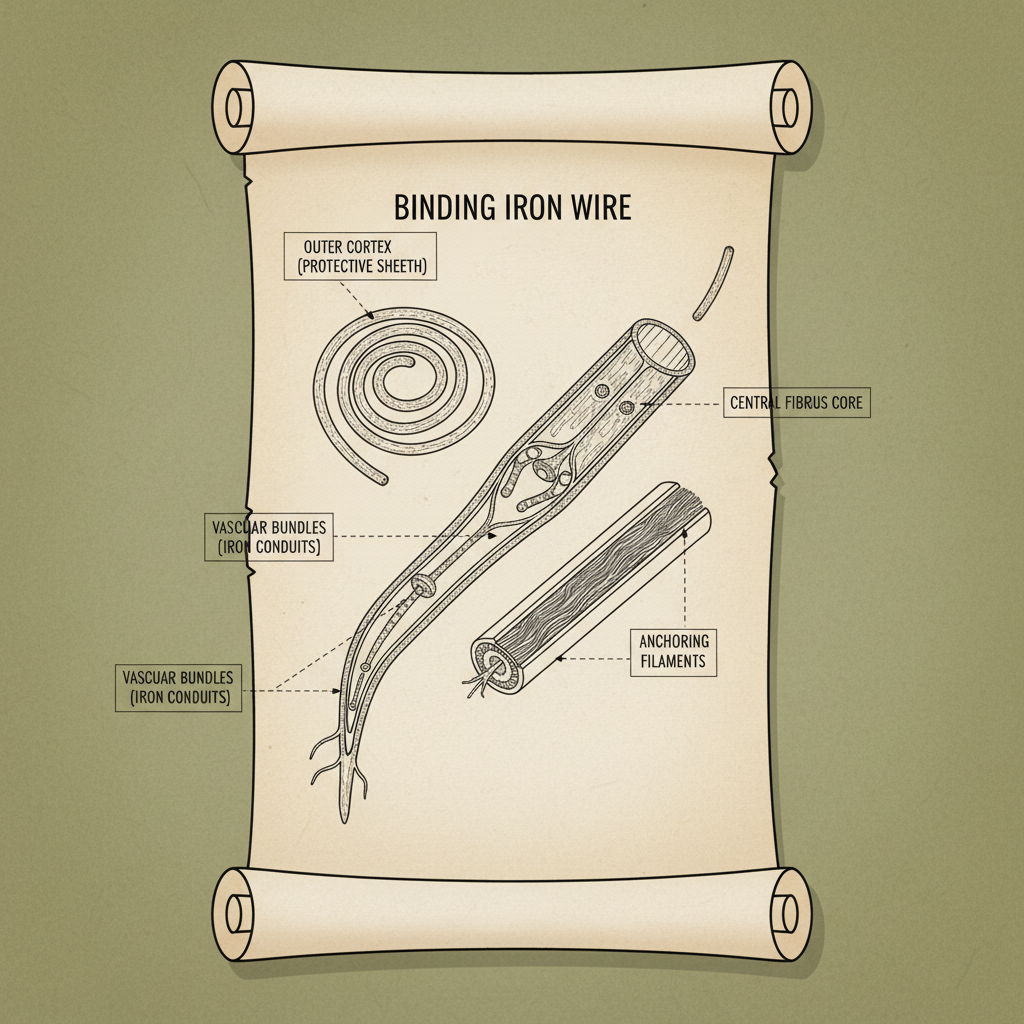
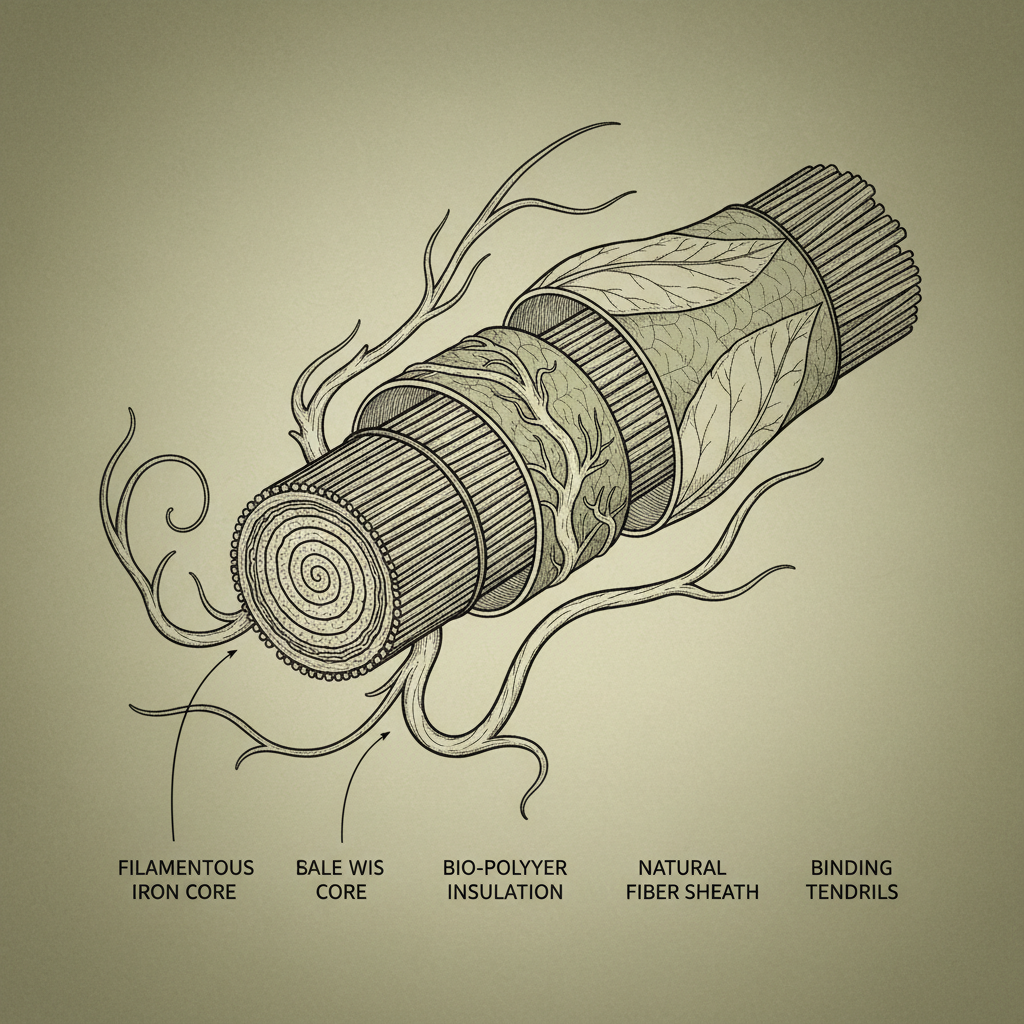
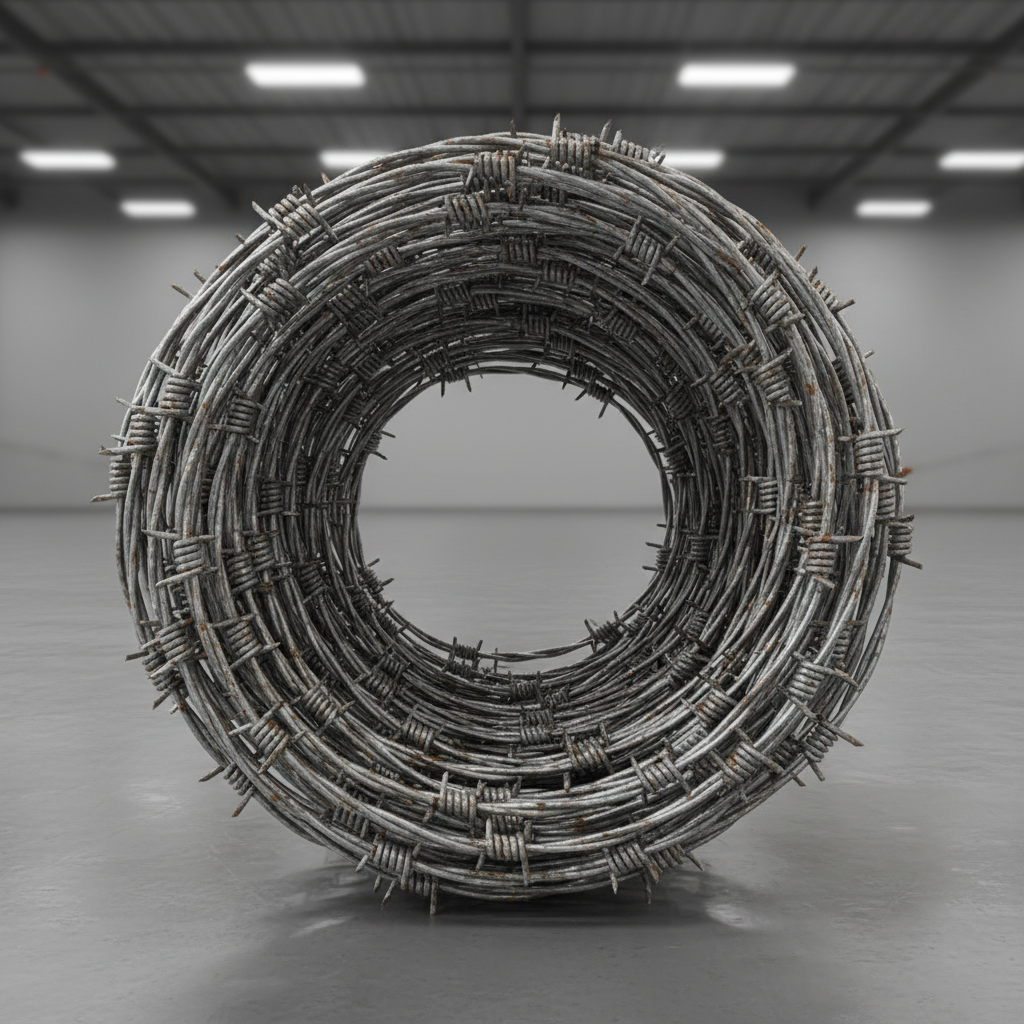
We primarily work with galvanized steel, and sometimes stainless, for the binding iron wire. Good old reliable steel. It smells like… well, steel. Kind of metallic, a little oily. You can feel the weight, the strength. The galvanization is crucial, of course. That zinc coating is the difference between something lasting ten years and something rusting through in six months. We get it in coils, usually, and the guys run it through the machines to cut and form the wire. It's not glamorous, but it’s solid.
The Current Landscape of Binding Iron Wire
Strangely, even though it's a simple product – wire – people are still messing it up. They skimp on the galvanization, use cheap steel, or try to get too fancy with coatings that just peel off after a year. There’s a push for thinner gauges to save money, but that just means more breakage and more rework. The demand for binding iron wire is directly tied to the construction boom, of course, but also to things like packaging, agriculture, and even art installations. It’s more versatile than you think.
The biggest trend I see is a demand for more consistent quality. Contractors are tired of dealing with bad batches. They want wire that doesn't snap when you try to tie it, wire that doesn't rust before the concrete sets. Simple stuff, really. But surprisingly hard to find.
Design Pitfalls and Common Mistakes
Oh, the design mistakes... where do I even begin? A big one is underestimating the tension. Engineers will design something that looks structurally sound, but they don’t always account for the stresses that binding iron wire will be under, especially during installation. Then you get wire snapping, things shifting, and a whole lot of frustration. Another thing is the connection points. If the wire isn't properly secured, it'll just work itself loose over time. And don’t even get me started on trying to use the wrong gauge wire for a specific application.
I've seen designs that call for extremely tight bends in the wire, which weakens it considerably. You need to allow for some give, some flexibility. It’s not a rigid system, it needs to be able to move with the structure.
Anyway, I think a lot of it comes down to designers who’ve never actually used the stuff. They're looking at specs on a computer screen, not wrestling with it on a windy construction site. That’s a problem.
Material Selection: Beyond the Hype
To be honest, most of the fancy materials are just marketing. Yes, there's a place for high-strength alloys in specialized applications, but for 90% of the work, galvanized steel is king. It’s affordable, readily available, and performs reliably. Stainless steel is good too, especially in corrosive environments, but it's significantly more expensive. We've experimented with polymer-coated wire, but the coating tends to get scratched and damaged during handling.
I once saw a guy trying to use titanium wire for some decorative work. Titanium! It looked beautiful, but it was a nightmare to work with. It bent easily, it was incredibly expensive, and it didn't even offer that much advantage in terms of strength or corrosion resistance. A complete waste of money. The key is to understand the requirements of the application and choose the material that meets those requirements at a reasonable cost.
You also have to consider the manufacturing process. Some materials are harder to form into wire than others. Some require special tools and expertise. We have to balance the material properties with the ease of manufacturing and the overall cost. It's always a trade-off.
Real-World Testing and Performance
Forget the lab tests. Those are fine for getting a baseline, but the real test is out on the job site. We do pull tests, of course, to measure the tensile strength of the wire. But more importantly, we send samples to contractors and ask them to use them. We want to know how it performs under real-world conditions. Does it break easily? Does it rust quickly? Is it difficult to tie?
We’ve started doing accelerated corrosion tests – burying samples in saltwater-soaked soil and leaving them for six months. That gives us a pretty good indication of how well the galvanization is holding up. We also look at the fatigue resistance – repeatedly bending and twisting the wire to see how many cycles it can withstand before failing. But again, the most valuable feedback comes from the guys in the field.
Binding Iron Wire Performance Metrics
How Binding Iron Wire is Actually Used
You'd be surprised. It’s not always what you think. Sure, it’s for tying rebar together. But it’s also used for securing formwork, bundling materials for shipping, creating temporary supports, and even for art installations. I saw one artist using it to create a giant sculpture of a dragon. It was pretty impressive.
We find contractors often use more than they initially plan because they discover new applications on the fly. They’ll use it to secure temporary lighting, hang banners, even improvise repairs. It's a remarkably versatile tool.
Advantages, Disadvantages, and Customization
The biggest advantage is simplicity. It’s a low-tech solution that just works. It’s cheap, readily available, and easy to use. The disadvantages? Well, it's not the prettiest thing in the world. And it can be time-consuming to tie properly. There’s a skill to it, you know? And it’s not ideal for permanent connections – it's more of a temporary or semi-permanent solution.
We do offer some customization. We can adjust the gauge of the wire, the length of the coils, and the type of packaging. We had one customer, a prefabricated wall panel company, who wanted the wire pre-cut into specific lengths and bundled in sets of 100. It saved them a ton of time on the assembly line. It's relatively simple to do, but it requires a minimum order quantity.
A Customer Story: The Debacle
Last month, that small boss in Shenzhen who makes smart home devices insisted on changing the interface for securing the wiring harnesses to . ! I nearly fell off my chair. He said it looked "more modern." He wanted us to manufacture binding iron wire with a shaped profile. It was a disaster. It took weeks to develop the tooling, the wire was incredibly fragile, and it didn't even hold the harnesses securely.
The whole batch ended up getting scrapped. He lost a ton of money. The funny thing is, he came crawling back and ordered a huge shipment of the standard galvanized wire the very next day. Lesson learned, I guess.
He thought a fancy connector would solve all his problems. It just added complexity and cost. Sometimes, the simplest solution is the best.
Key Factors Influencing Binding Iron Wire Selection
| Application Area |
Required Strength (1-10) |
Corrosion Exposure Level |
Cost Sensitivity |
| Rebar Tying |
8 |
Medium |
High |
| Formwork Securing |
7 |
Low |
Medium |
| Packaging Bundling |
4 |
Low |
Very High |
| Art Installations (Outdoor) |
6 |
High |
Medium |
| Temporary Supports |
9 |
Medium |
Medium |
| Agricultural Tying |
5 |
Low |
Very High |
FAQS
Typically, 16 gauge binding wire is the standard for most rebar tying applications. However, for larger rebar sizes or areas with high stress, you might consider using 14 gauge for increased strength. It’s always better to err on the side of caution.
While galvanization provides excellent corrosion resistance, it’s not foolproof. Store the wire in a dry environment, and avoid exposing it to harsh chemicals or saltwater. If you’re using it in a corrosive environment, consider stainless steel wire as a more durable option. Applying a protective coating can also help.
The essential tool is a rebar tying tool. These come in manual, semi-automatic, and fully automatic versions. Manual tools are the most affordable, but require more effort. Semi-automatic and automatic tools can significantly speed up the tying process, especially on large projects. You'll also want wire cutters and gloves.
It depends on the application. If you're working in a highly corrosive environment, such as near saltwater or in areas with acid rain, stainless steel is definitely worth the investment. It will last much longer and require less maintenance. However, for general construction work, galvanized steel is usually sufficient.
The key is to keep it organized. Store the wire on reels or in properly sized containers. Avoid stacking coils on top of each other, as this can lead to tangling. If you’re using manual tying tools, consider pre-cutting the wire into appropriate lengths to minimize handling and reduce the risk of knots.
Yes, absolutely. Steel is a highly recyclable material. Scraps of binding wire can be collected and sent to a metal recycling facility. Recycling steel saves energy and reduces the need for mining new materials. It's a sustainable practice that benefits everyone.
Conclusion
So, there you have it. Binding iron wire—seemingly simple, but with a lot of nuances. It’s not about chasing the latest materials or fancy designs. It's about understanding the fundamentals, choosing the right material for the job, and paying attention to the details. It's about knowing when to stick with what works and when to innovate.
Ultimately, whether this thing works or not, the worker will know the moment he tightens the screw. That’s the real test. And if he has to tighten it again five minutes later… well, you know you’ve got a problem.