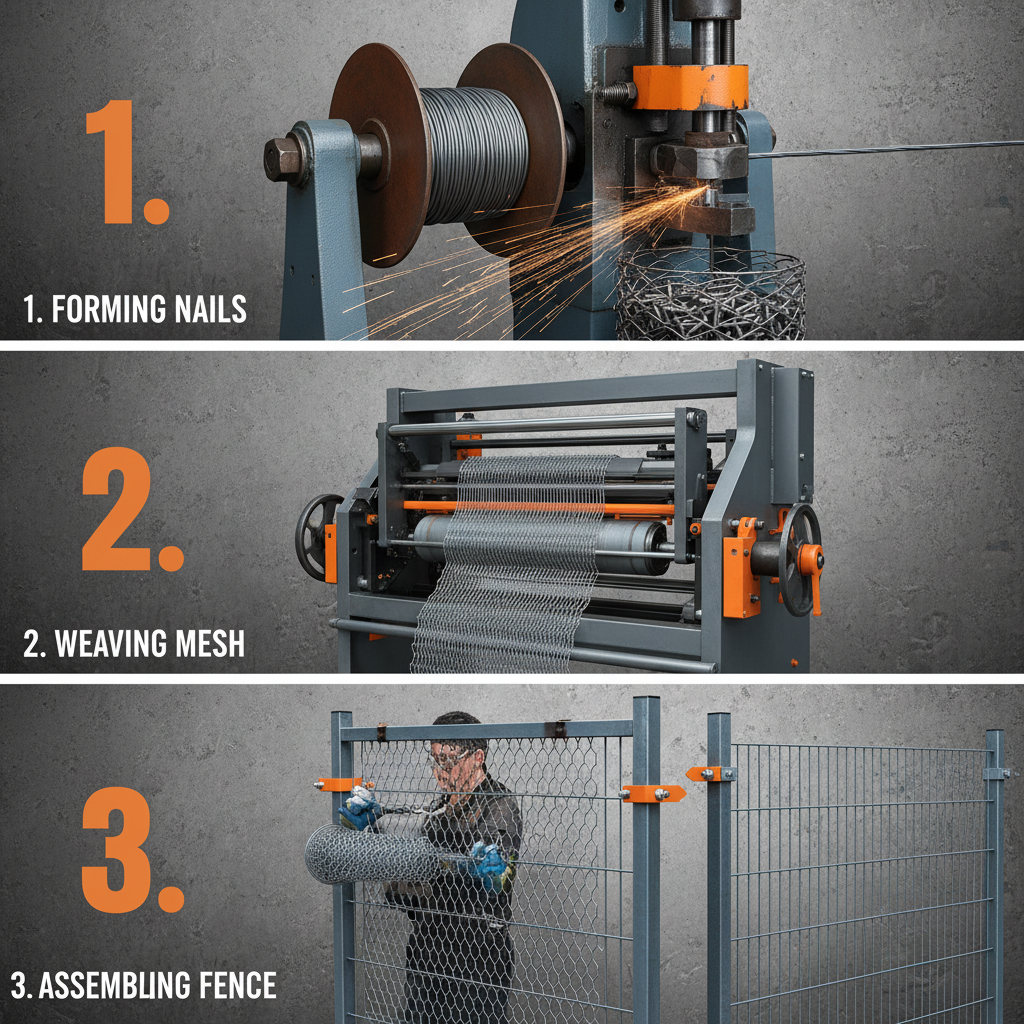
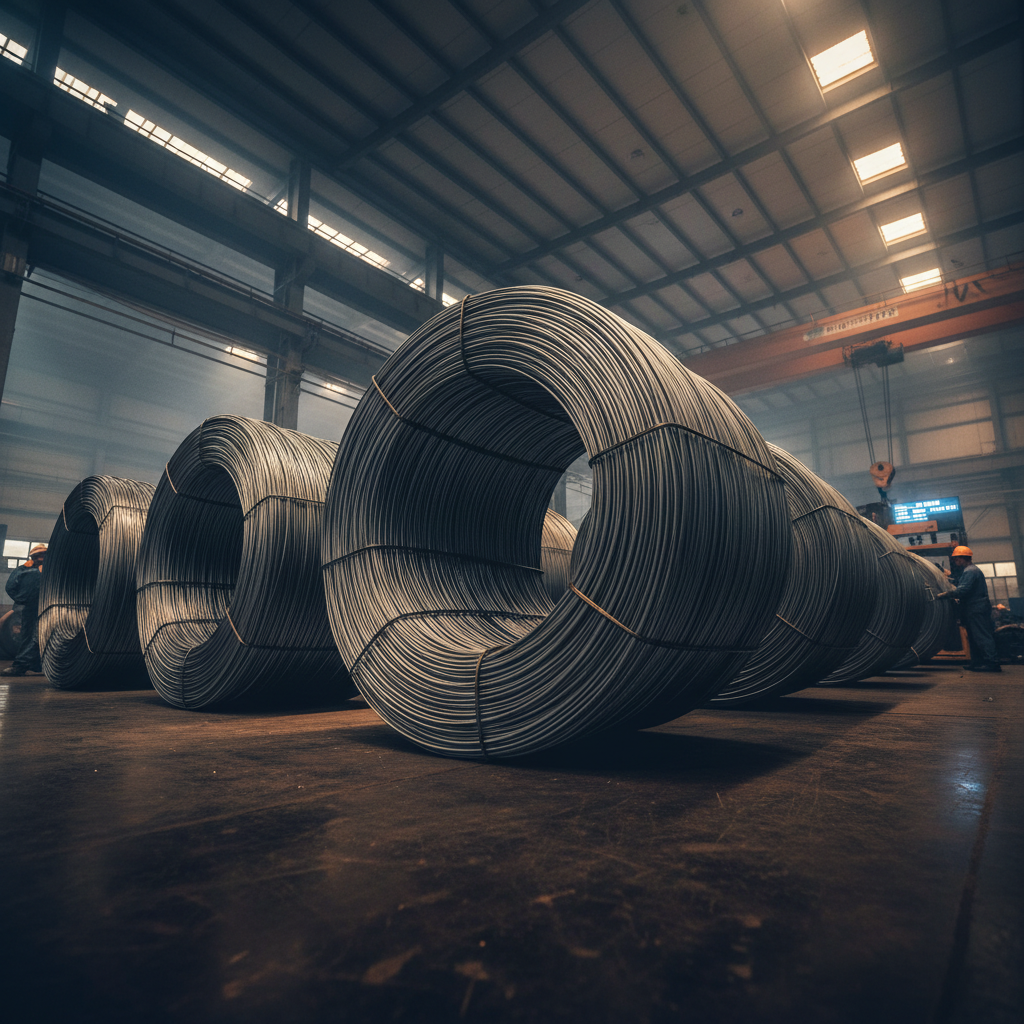
You know, I’ve been running around construction sites all year, getting my hands dirty with materials and chatting with engineers. Lately, everyone's talking about prefabrication, modular construction... honestly, it’s a big shift. It’s not just about speed, it’s about controlling quality, reducing waste. But, and this is a big but, a lot of folks are jumping on the bandwagon without really thinking through the details. It’s like, “Oh, pre-fab, must be good!” Nope, not always.
Have you noticed how everyone's obsessed with lightweight materials? Composites, advanced polymers... they're good, sure. But sometimes, you need the heft of good old steel. I encountered this at a factory in Tianjin last time – they were using this new polymer cladding, looked fantastic in the brochures. But the guys on site couldn't get it to stay put in a strong wind, kept popping off. Needed way more bracing than they anticipated. It's a balance, you see.
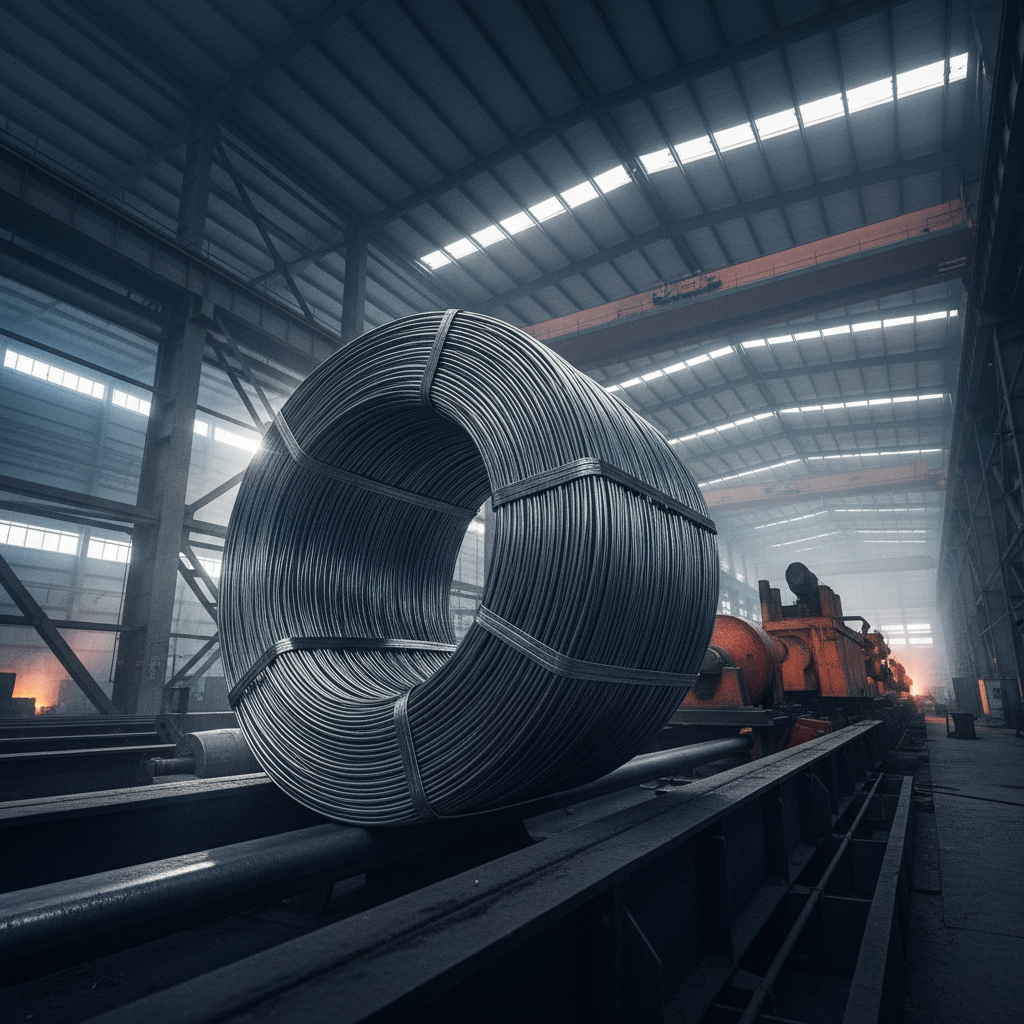
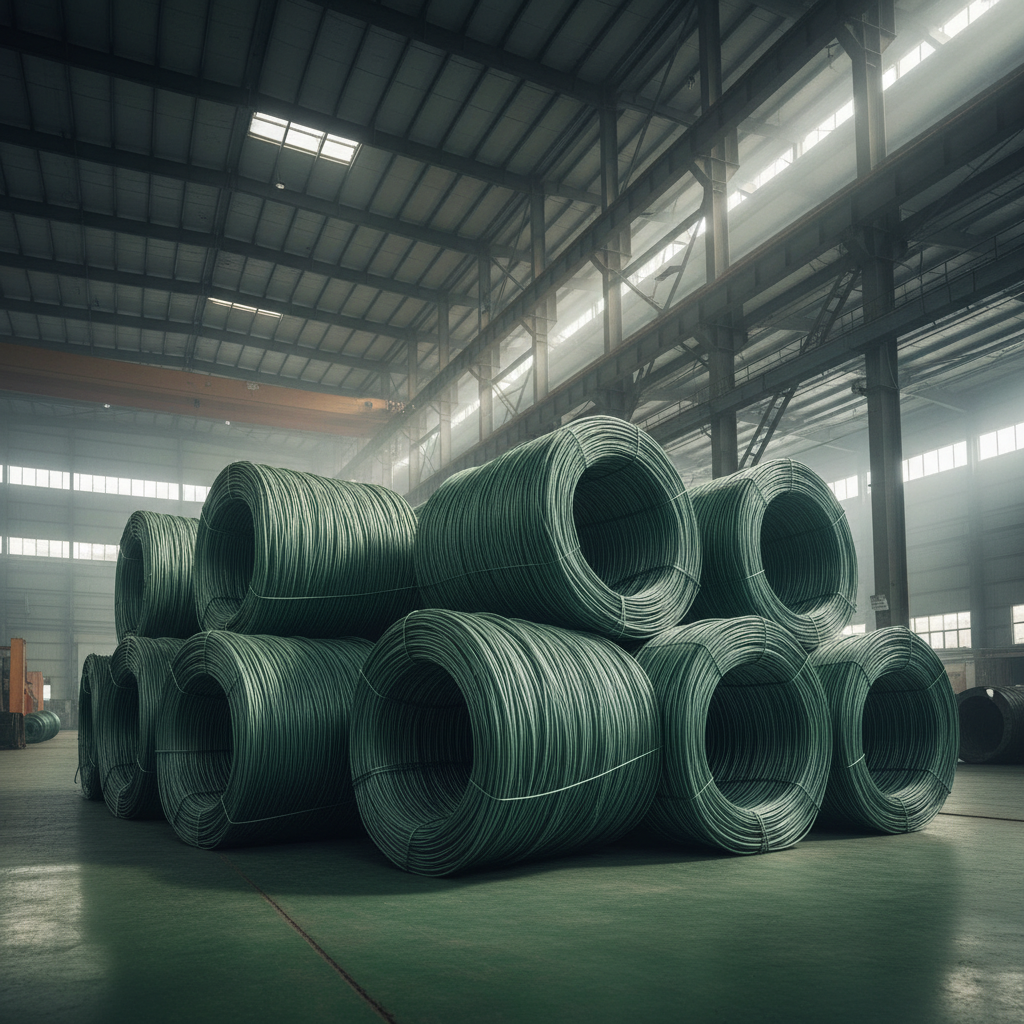
Speaking of materials… we use a lot of coated iron wire, naturally. A lot. It's the backbone of so many things - securing panels, reinforcing concrete, even tying rebar. The feel…well, it's wire. Cold, a bit rough. Good quality stuff has a slight oily sheen from the coating, smells a little metallic. Cheap stuff? It feels…brittle. And you can tell the coating isn’t going to last. You can tell, after a while, you just…know.
Industry Trends and Prefabrication
Prefabrication’s the name of the game, like I said. But strangely, a lot of companies are treating it like just swapping one building method for another. It isn’t! It requires a completely different mindset. You’re not fixing things on-site anymore, you’re fixing them in the factory. Which means more upfront planning, tighter tolerances, and frankly, better quality control. Otherwise, you're just moving your problems from the field to the shop floor.
The push for sustainable building is huge, too. Everyone’s looking at reducing their carbon footprint. That’s where things like coated iron wire come in. It’s durable, recyclable (in theory, anyway), and generally has a lower embodied energy than some of the newer, fancier materials. It’s not glamorous, but it gets the job done.
The Perils of Lightweighting
I'm telling you, this obsession with lightweighting… it can be a trap. I understand the desire to reduce transportation costs, make installation easier. But sometimes, you need weight for stability. I saw a project in Shanghai last year where they were using super-thin composite panels on a high-rise. The wind loading calculations were… optimistic, let's say. The whole building felt like it was going to sway in the breeze. They ended up having to reinforce everything with steel, defeating the purpose of going lightweight in the first place.
And don’t even get me started on corrosion resistance. Lightweight materials can be more susceptible to corrosion, especially in coastal environments. You end up spending more on maintenance and repairs down the line. Sometimes, a heavier, more durable material is just a better long-term investment.
It all comes down to understanding the specific application and choosing the right material for the job. It sounds simple, but you'd be surprised how often that gets overlooked.
Coated Iron Wire: A Material Deep Dive
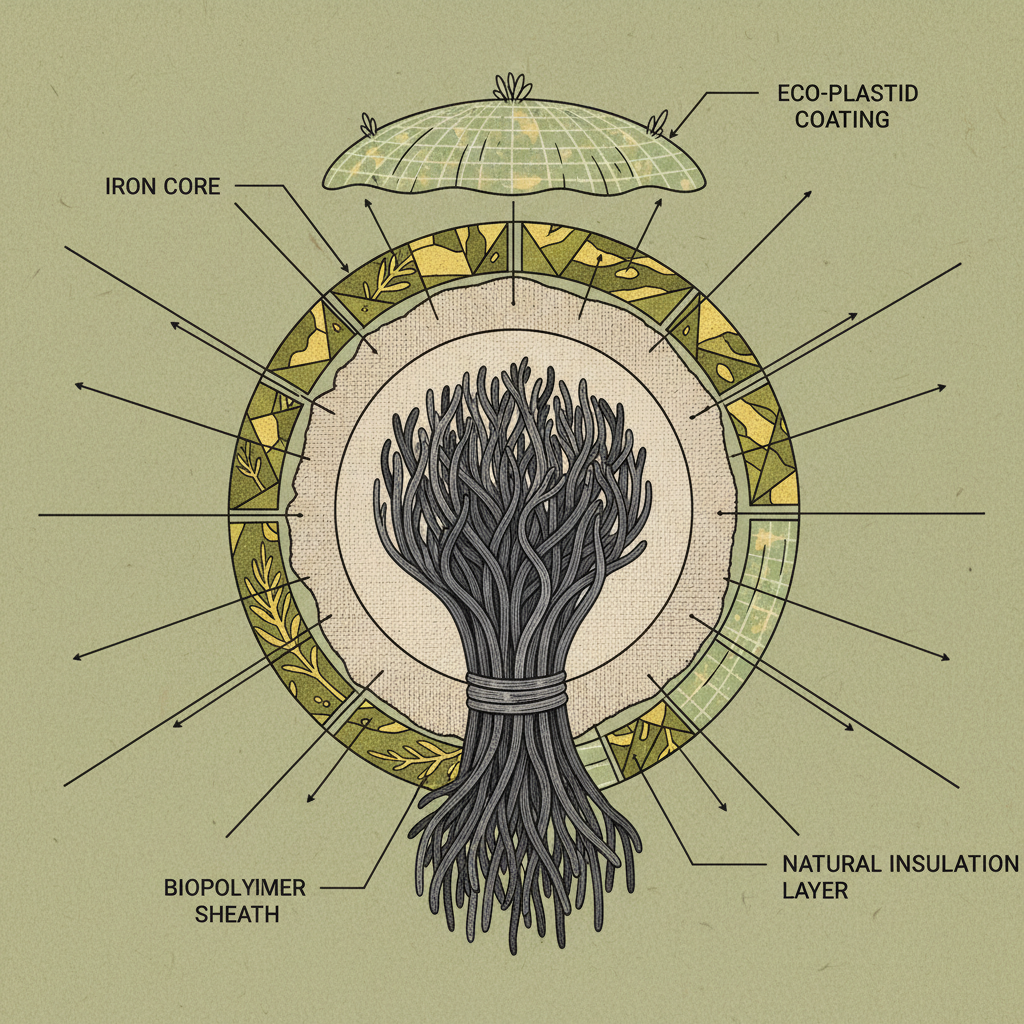
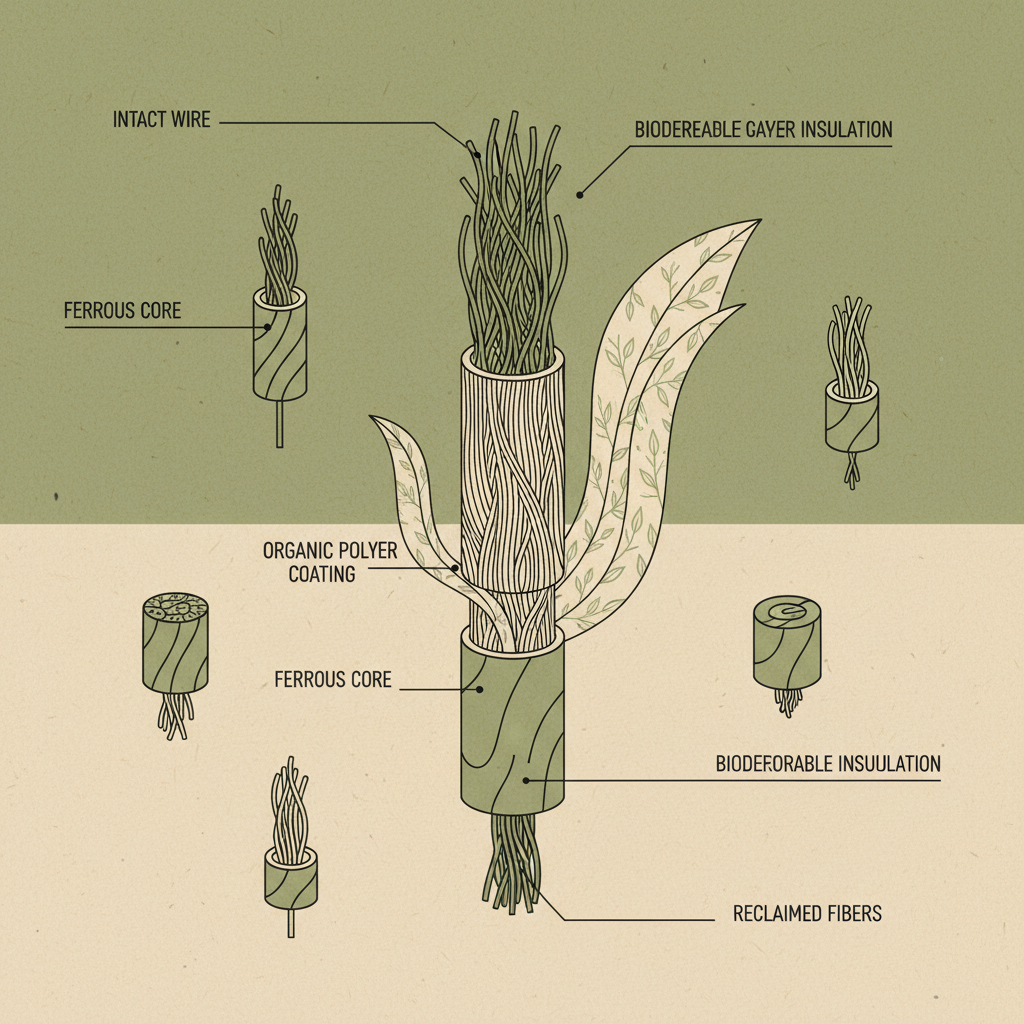
Coated iron wire. It’s everywhere. Galvanized, PVC coated, epoxy coated… you name it. The coating is key, obviously. It protects the steel from rust, which is the biggest enemy. Galvanizing is the standard, good all-around protection. PVC is cheaper, but not as durable. Epoxy offers the best corrosion resistance, but it’s also the most expensive.
We specify different coatings depending on the environment. Coastal projects get epoxy, inland projects can usually get away with galvanized. Thickness of the coating matters, too. A thin coating will wear through quickly, leaving the steel exposed. You can tell a good coating by the weight – it feels substantial. And the smell. Good quality PVC has a distinctive, slightly sweet odor. Cheap stuff smells… like plastic.
Handling it is pretty straightforward, but you gotta be careful with the sharp ends. Gloves are a must. And don’t let it get tangled – it’s a nightmare to untangle. I swear, I’ve lost hours of my life untangling coated iron wire. Anyway, I think it's important to know your material.
Real-World Testing and Performance
Forget the lab tests. They're useful, sure, but they don't tell you how something will actually perform in the real world. We do our own testing, on-site. Pull tests, bend tests, corrosion resistance tests. We’ll bury a length of wire in concrete for six months and see how it holds up. We’ll expose it to saltwater and monitor the corrosion rate.
It’s not scientific, I’ll admit. But it’s practical. And it gives us a much better idea of how the material will behave under actual conditions. We've found, for instance, that certain PVC coatings tend to become brittle in cold weather. Something you wouldn’t necessarily discover in a lab.
Coated Iron Wire Coating Performance
User Applications: Expectations vs. Reality
You’d think people would use coated iron wire for what it’s designed for: tying things together, reinforcing structures. But sometimes… you see things. Like using it to hang Christmas lights. Or to build a makeshift fence. I saw a guy trying to use it to repair a broken car bumper last week. A car bumper. I didn't even ask.
I mean, it’s strong stuff, but it’s not a miracle worker. And it's definitely not a substitute for proper engineering. People underestimate the forces involved in construction. They think, "Oh, a little wire will hold this." Nope. It won't. Not always.
Advantages, Disadvantages and Customization
Advantages? It’s cheap, readily available, and relatively easy to work with. Disadvantages? It corrodes (if not properly coated), it can be sharp, and it’s not the most aesthetically pleasing material. It's also...well, it's wire. It doesn't exactly scream "high-tech."
Customization? You can get it in different gauges, different coatings, different lengths. We had a client last month who needed coated iron wire pre-cut to specific lengths for a modular housing project. It saved them a ton of time on-site. They wanted a bright orange coating, too, for visibility. Cost a bit more, but worth it for the convenience.
A Shenzhen Story: The Interface Fiasco
Last month, that small boss in Shenzhen who makes smart home devices insisted on changing the interface to , and the result was a disaster. He thought it would be more “modern”. He ordered a ton of coated iron wire to secure the internal components, assuming the new housing would be the same size. It wasn't.
The housing was slightly smaller, and the wire wouldn't fit. He ended up having to redesign the whole thing, losing weeks of production time. He was furious. I tried to tell him, “Measure twice, cut once!” But he wouldn’t listen. He wanted "innovation". Sometimes, innovation just means making things more complicated.
It just goes to show you, no matter how much technology you throw at a problem, a simple mistake can derail the whole project.
Coated Iron Wire Usage Analysis
| Application Area |
Coating Type |
Durability Rating (1-10) |
Cost Effectiveness (1-10) |
| Reinforcing Concrete |
Galvanized |
7 |
9 |
| Securing Formwork |
PVC |
5 |
10 |
| Coastal Structures |
Epoxy |
9 |
6 |
| Panel Installation |
Galvanized |
6 |
8 |
| Landscaping/Gardening |
PVC |
4 |
9 |
| Prefabricated Housing |
Epoxy |
8 |
7 |
FAQS
For saltwater, epoxy coating is your best bet, hands down. It provides significantly better corrosion resistance compared to galvanized or PVC. It’s more expensive upfront, but you’ll save money in the long run by avoiding premature failure and costly repairs. We’ve seen galvanized wire rust through within a year in a marine environment. Epoxy will last a decade, easily.
That depends on the load it needs to bear. Thicker wire is stronger, obviously. You’ll need to consult engineering specifications and calculate the tensile strength required for the application. Generally, for tying rebar, 16 gauge is sufficient. For heavier duty applications, like suspending panels, you’ll need to go thicker. Don’t guess – get it right.
It's okay for light outdoor use, but it’s not ideal. PVC can become brittle in cold temperatures and it’s not as resistant to UV degradation as other coatings. It's fine for tying plants or securing lightweight items, but don’t rely on it for anything structural. Galvanized is a much better all-around choice for outdoor applications.
That’s the million-dollar question, isn’t it? Keep it on a spool, if possible. If not, coil it neatly and secure it with tape or straps. Don’t just toss it in a pile! And try to keep it dry. Wet wire is more likely to tangle. Trust me, I’ve spent too many hours untangling wire to tell you otherwise.
That’s a complex question. Iron mining has its environmental impacts, and the coating process uses chemicals. However, steel is recyclable, and coated iron wire can be salvaged and reused in many applications. Compared to some other materials, it’s relatively sustainable. Look for suppliers who prioritize responsible sourcing and production practices.
Repeated bending can weaken the wire, especially at the bend points. The coating can also crack. It's best to avoid excessive bending. If you need to form the wire into a specific shape, use a bending tool and avoid sharp angles. If the wire is bent too many times, it’s better to replace it than risk failure.
Conclusion
So, coated iron wire… it’s not sexy, it's not glamorous. But it's a workhorse. It's been around for a long time, and it’ll probably be around for a long time to come. It’s versatile, reliable, and relatively affordable. And in the end, a well-built structure relies on a lot of unseen components, like coated iron wire, to hold it all together.
Ultimately, whether this thing works or not, the worker will know the moment he tightens the screw. Don't overthink it. Choose the right coating, the right gauge, and don't cut corners. And if you’re ever in doubt, just ask someone who’s been doing this for a while. We’ve seen it all, and we’re usually happy to share our knowledge.