0%

Table of Contents

Iron tie wire, a seemingly simple material, plays a critical role in numerous industries and applications globally. From securing construction materials to providing essential support in agriculture and disaster relief, its versatility and affordability make it an indispensable component in modern infrastructure and emergency response. Understanding the properties and applications of iron tie wire is crucial for engineers, construction workers, humanitarian aid organizations, and anyone involved in projects where reliable binding and support are required.

The global demand for iron tie wire is constantly increasing, driven by rapid urbanization, infrastructure development in emerging economies, and the rising frequency of natural disasters. According to the World Steel Association, global steel production continues to climb, indicating a robust demand for its byproducts like iron tie wire. This increasing demand presents both opportunities and challenges, requiring sustainable production practices and innovative applications to meet growing needs effectively.

Iron tie wire provides a cost-effective and reliable solution for a multitude of binding and securing tasks. Its ease of use, combined with its strength and durability, ensures projects are completed efficiently and safely. Understanding its specific properties, variations, and optimal uses is paramount for maximizing its potential and ensuring project success.
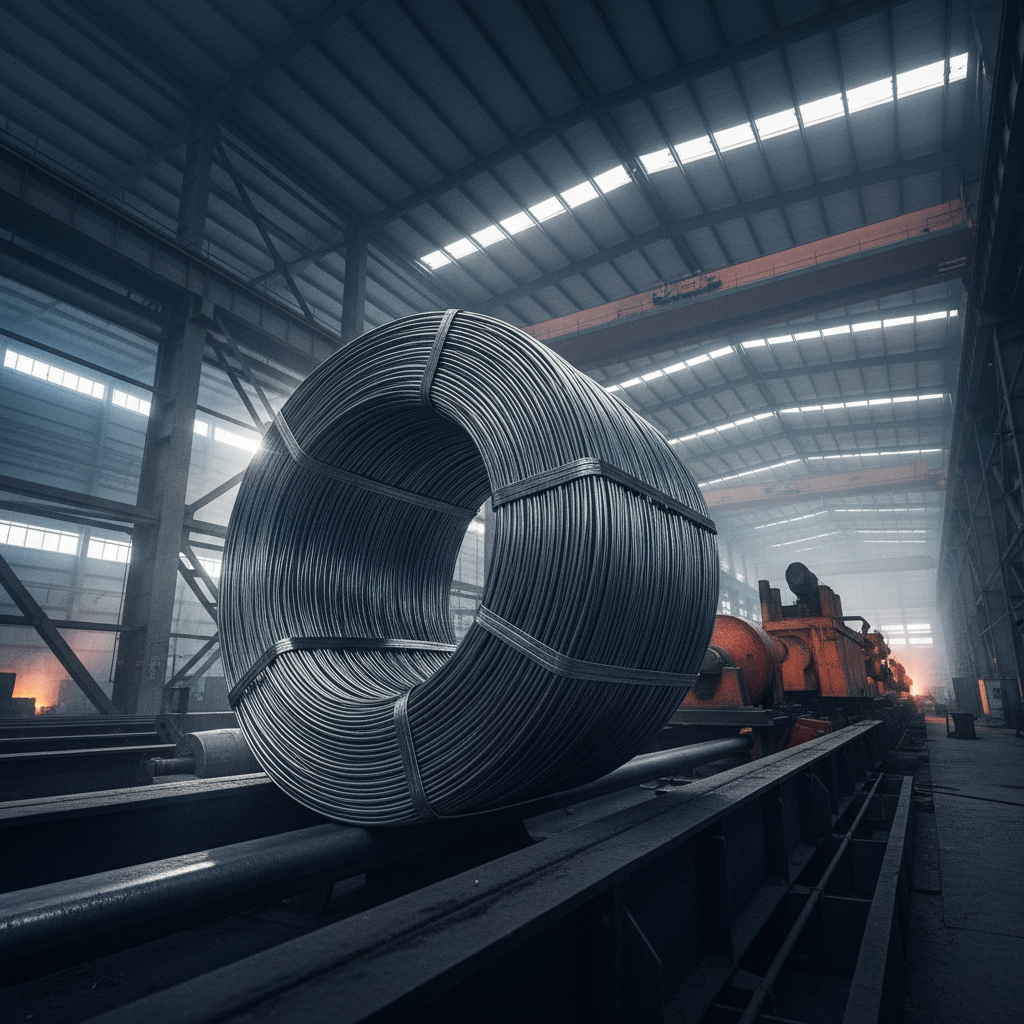
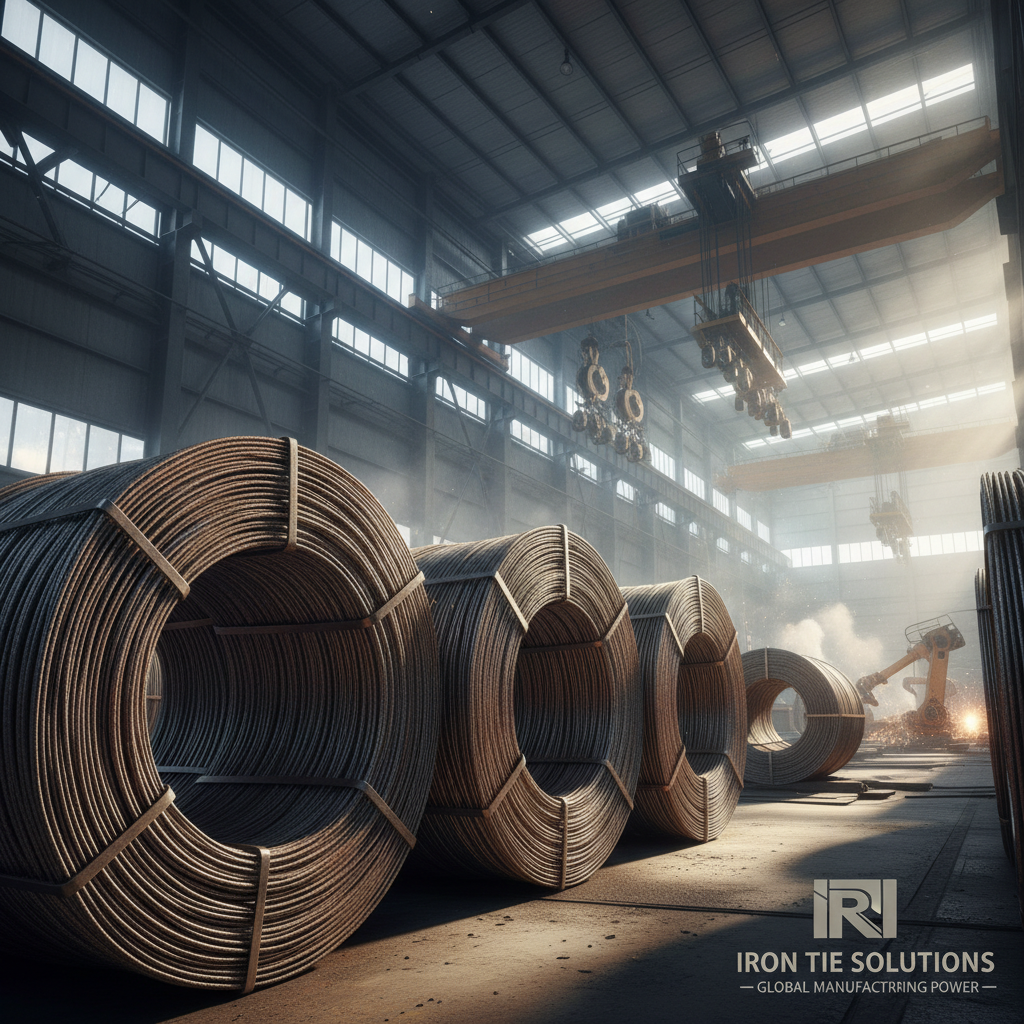
The Versatile Role of Iron Tie Wire in Modern Industries and Applications

The Importance of Iron Tie Wire

The Versatile Role of Iron Tie Wire in Modern Industries and Applications

Iron tie wire is fundamental to countless construction and industrial processes, acting as a critical component in ensuring structural integrity and project efficiency. It provides a simple, yet robust, method for binding materials together, offering a secure and reliable connection in a variety of applications. Its widespread use is a testament to its practicality and cost-effectiveness.

Beyond construction, the applications of iron tie wire extend to agriculture, where it's used for supporting plants, securing vines, and creating trellises. In disaster relief, it proves invaluable for quickly assembling temporary shelters and reinforcing damaged structures. This adaptability showcases the enduring importance of this versatile material.

Understanding Iron Tie Wire: Definition and Applications

Iron tie wire, in its simplest form, is a soft, malleable steel wire used for binding and fastening. Typically manufactured from low-carbon steel, it’s designed to be easily twisted and secured, providing a temporary or permanent hold. The ‘tie’ aspect refers to its primary function: to securely bind materials.

Its connection to modern industry stems from the need for efficient and economical binding solutions. Before the widespread availability of specialized fasteners, iron tie wire was a mainstay in construction, agriculture, and various manufacturing processes. Even today, with advanced fastening technologies, its simplicity and cost-effectiveness continue to make it a preferred choice in many situations.

The humanitarian need for iron tie wire is often overlooked, but it’s vitally important in disaster recovery efforts. It's instrumental in constructing temporary shelters, securing debris, and reinforcing damaged infrastructure. The availability of reliable iron tie wire can significantly speed up relief operations and improve the safety of affected populations.

Key Characteristics of High-Quality Iron Tie Wire

Durability is a key factor. High-quality iron tie wire exhibits excellent tensile strength, resisting breaking or stretching under stress. This ensures a secure hold, even in challenging environments. Different gauges (wire diameters) offer varying levels of strength to suit specific application requirements.

Malleability allows for easy twisting and forming, facilitating quick and efficient binding. A wire that is too brittle will snap easily, while one that is too stiff will be difficult to work with. The ideal balance of malleability and strength is crucial for optimal performance.

Corrosion resistance, while not inherent in standard iron tie wire, can be improved through galvanization or coating processes. This is especially important in outdoor applications or environments with high humidity, preventing rust and extending the wire's lifespan.

Performance Metrics of Various Iron Tie Wire Types

The performance of iron tie wire varies significantly depending on its composition, gauge, and treatment. Understanding these metrics is crucial for selecting the right wire for a specific application. Key performance indicators include tensile strength, elongation, and corrosion resistance.

Different manufacturing processes also impact performance. For example, cold-drawn wire typically exhibits higher tensile strength than annealed wire. Assessing these differences ensures the chosen iron tie wire can withstand the demands of the project.

Comparison of Iron Tie Wire Performance


Global Applications of Iron Tie Wire

In the construction industry, iron tie wire is extensively used to bind rebar (reinforcing steel) together, creating a strong and stable framework for concrete structures. This is particularly crucial in building foundations, walls, and bridges. It also aids in securing formwork during concrete pouring.

Agriculture utilizes iron tie wire for a variety of purposes, including training vines in vineyards, supporting fruit trees, and creating trellises for climbing plants. In remote agricultural zones, where access to specialized equipment may be limited, its simplicity and affordability make it an ideal solution.

The Long-Term Value and Benefits of Using Iron Tie Wire

The cost-effectiveness of iron tie wire is a primary benefit. Compared to many other fastening methods, it's a significantly cheaper option, making it accessible for projects with limited budgets. This affordability doesn't compromise on its ability to provide a secure and reliable connection.

The sustainability of steel, and therefore iron tie wire, is increasing with the rise of recycling programs. Steel is one of the most recycled materials globally, reducing the environmental impact associated with its production. Choosing iron tie wire supports a more circular economy.

From a safety perspective, using properly selected and applied iron tie wire minimizes the risk of structural failures, contributing to the overall safety of projects. Its reliable binding ensures components remain securely in place, reducing potential hazards.

Future Trends and Innovations in Iron Tie Wire Production

Research into more corrosion-resistant coatings for iron tie wire is ongoing. New alloy combinations and surface treatments aim to extend the wire’s lifespan and reduce the need for frequent replacements, especially in harsh environments.

Automation in the manufacturing process is increasing, leading to greater consistency in wire quality and reducing production costs. Automated winding and packaging systems are becoming more commonplace, improving efficiency and reducing labor requirements.

The integration of digital tracking technologies, such as RFID tags, is being explored to monitor the lifecycle of iron tie wire, ensuring traceability and accountability. This could help prevent counterfeit products and enhance quality control.

Summary of Iron Tie Wire Production Trends

Production Method Corrosion Resistance Automation Level Cost Efficiency
Traditional Drawing Low (Standard Iron) Manual (Limited) Moderate
Galvanized Coating Medium (Zinc Protection) Semi-Automated High
Polymer Coating High (Advanced Polymers) Fully Automated Very High
Cold-Drawn Steel Low (Requires Coating) Semi-Automated High
Alloy Steel Production Medium-High (Alloy Dependent) Fully Automated Moderate-High
RFID Tag Integration Variable (Dependent on Coating) Automated Tagging Moderate

FAQS

What gauge of iron tie wire is best for rebar tying?

The optimal gauge of iron tie wire for rebar tying generally falls between 16 and 18 gauge. 16 gauge provides greater strength for heavier rebar applications, while 18 gauge offers sufficient holding power for lighter-duty work and is easier to manipulate. The selection depends on the rebar size and the structural requirements of the project. Always consult local building codes for specific requirements, and prioritize safety when choosing the appropriate gauge.

How can I prevent rust on iron tie wire used outdoors?

Rusting is a common concern with standard iron tie wire exposed to the elements. To mitigate this, consider using galvanized iron tie wire, which is coated with a protective layer of zinc. Alternatively, you can apply a rust-inhibiting coating to the wire after installation. Regular inspection and replacement of rusted wire are also crucial for maintaining structural integrity and preventing potential hazards. Choose coatings that are environmentally friendly and appropriate for the application.

What is the tensile strength of typical iron tie wire?

The tensile strength of iron tie wire varies depending on its composition and gauge, but typically ranges between 350 MPa and 450 MPa (Megapascals). Higher gauge wires generally have greater tensile strength. This strength rating indicates the amount of force the wire can withstand before breaking. Refer to the manufacturer's specifications for the exact tensile strength of a particular wire product. Ensuring adequate tensile strength is vital for secure binding.

Is it safe to use iron tie wire for electrical grounding?

No, iron tie wire is not suitable for electrical grounding. It is not designed or certified for conducting electrical current safely and can corrode, compromising its conductivity and creating a fire hazard. Dedicated grounding wires, specifically designed and approved for electrical applications, must be used for all grounding purposes. Using improper materials can lead to serious safety risks and code violations.

How do you properly cut iron tie wire without damaging it?

Use specialized wire cutters designed for cutting hard steel wire. Avoid using pliers or other tools that may crush or distort the wire, reducing its strength. Ensure the cutters are sharp and properly maintained. Cut the wire cleanly and squarely to ensure a secure and reliable connection. Wearing safety glasses is recommended to protect your eyes from flying wire fragments.

What are the environmental considerations when disposing of iron tie wire?

Iron tie wire is primarily composed of steel, making it highly recyclable. Dispose of used wire through appropriate metal recycling facilities. Recycling steel reduces the need for virgin materials and conserves natural resources. Avoid discarding iron tie wire in general waste, as it can contribute to landfill pollution. Check local regulations for specific recycling guidelines.

Conclusion

Iron tie wire, despite its seemingly simple nature, remains an essential material across a diverse range of industries. Its affordability, versatility, and reliability have cemented its position as a fundamental component in construction, agriculture, and disaster relief efforts. Understanding its properties, applications, and future trends is crucial for optimizing its use and ensuring project success.

Looking forward, continued innovation in coating technologies and manufacturing processes will further enhance the durability and sustainability of iron tie wire. By embracing these advancements, and promoting responsible recycling practices, we can maximize the long-term value of this indispensable material while minimizing its environmental impact. For all your iron tie wire needs, visit our website: iron tie wire.

Michael Davis

Michael Davis

Michael Davis is a Key Account Manager for Anping Honglin Wire Mesh Co., Ltd. focused on the Southeastern US market. Michael has a strong track record of building long-term partnerships with distributors and retailers. He’s particularly skilled in identifying new business opportunities and expanding market share. Before joining Honglin in
Previous Exploring the Significance of Iron Wiring in Modern Infrastructure and Beyond
Next The Enduring Importance of Iron Fencing Wire in Modern Security and Infrastructure
tel
Email