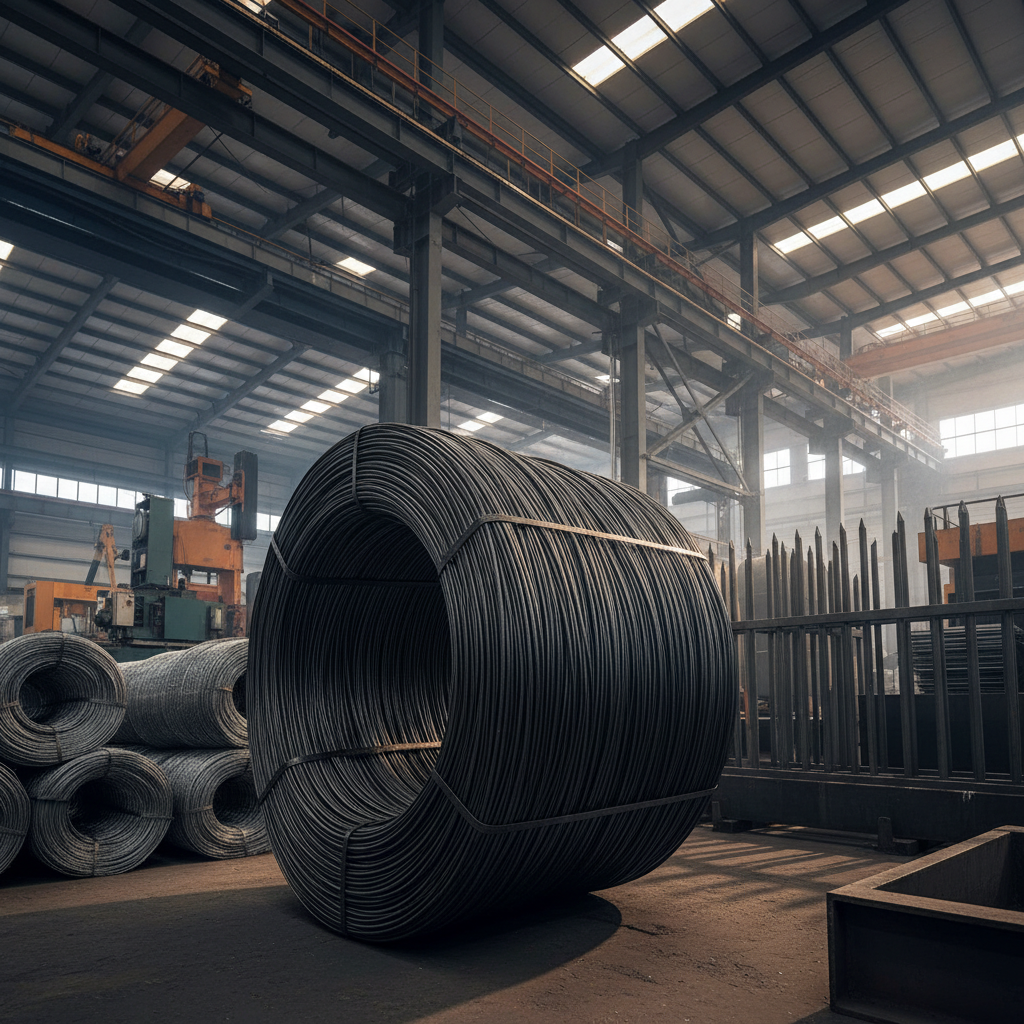
Iron wiring, at its core, represents a foundational element in modern infrastructure and construction. From providing the electrical backbone of cities to securing structures in challenging environments, its significance extends far beyond simple connectivity. Understanding the properties, applications, and future innovations surrounding iron wiring is crucial for engineers, architects, policymakers, and anyone involved in building a resilient and sustainable future. This knowledge is particularly vital in rapidly developing nations and areas prone to natural disasters, where reliable and cost-effective infrastructure is paramount.
The global demand for robust and dependable wiring solutions is consistently increasing, driven by factors like population growth, urbanization, and the expanding need for electrical power. The versatility of iron wiring—its strength, conductivity, and relatively low cost—makes it a cornerstone material across numerous industries. However, challenges like corrosion and the need for sustainable alternatives require ongoing research and development. Addressing these challenges is not merely an engineering concern; it’s a critical step towards ensuring long-term societal and economic stability.
Ultimately, a thorough understanding of iron wiring empowers informed decision-making, leading to the development of safer, more efficient, and more sustainable systems that benefit communities worldwide. It's a foundational building block for progress, and continued innovation in this field will be essential for meeting the demands of an evolving world.
The Fundamental Properties of Iron Wiring
Iron wiring's primary strength lies in its exceptional tensile strength, making it highly durable and resistant to physical stress. This characteristic allows it to withstand significant loads and harsh environmental conditions, a crucial factor in applications like overhead power lines and structural support systems. Coupled with good electrical conductivity – although not as high as copper or aluminum – iron wiring provides a reliable pathway for electrical current, making it suitable for a wide range of electrical applications.
Beyond its physical properties, iron's abundance and relatively low cost contribute significantly to its widespread use. Compared to more exotic materials, iron wiring offers a cost-effective solution for large-scale projects, particularly in developing nations where budget constraints are a major concern. However, understanding iron’s susceptibility to corrosion is critical. Protective coatings and alloying techniques are therefore essential to maintaining long-term performance and reliability.
Historical Context and Evolution of Iron Wiring
The use of iron in electrical applications dates back to the early days of electrical experimentation. Initially, iron wires were utilized in rudimentary telegraph systems and early forms of electrical lighting. However, these early iterations suffered from limitations in conductivity and a tendency to corrode rapidly. The discovery of galvanization – coating iron with zinc – marked a significant step forward, greatly improving its resistance to rust and extending its lifespan.
Throughout the 19th and 20th centuries, advancements in metallurgy led to the development of increasingly sophisticated iron alloys. Steel, an alloy of iron and carbon, offered superior strength and durability. The introduction of various protective coatings, including plastics and polymers, further enhanced the performance and longevity of iron wiring. These advancements enabled its widespread adoption in power transmission, building wiring, and industrial applications.
Today, iron wiring continues to evolve. Researchers are exploring new alloying techniques and corrosion-resistant coatings to further optimize its performance and address environmental concerns. The historical trajectory demonstrates a constant drive for improvement, solidifying iron wiring's role as a vital component of modern society.
Key Manufacturing Processes of Iron Wiring
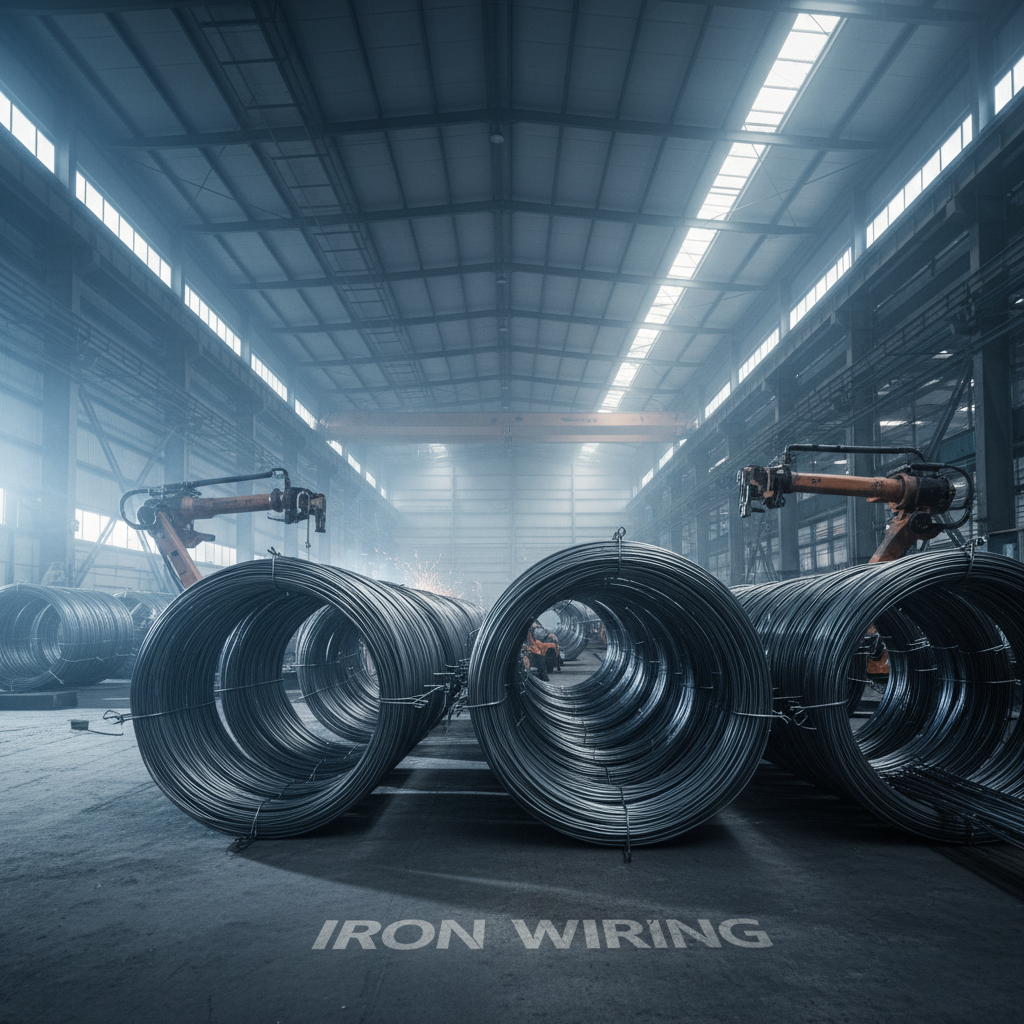
The production of iron wiring typically involves several key stages, beginning with the sourcing of raw iron ore. This ore is then processed through smelting to extract the iron, often using a blast furnace. The resulting molten iron is further refined to remove impurities and achieve the desired chemical composition. This refined iron is then cast into billets or rods suitable for drawing into wires.
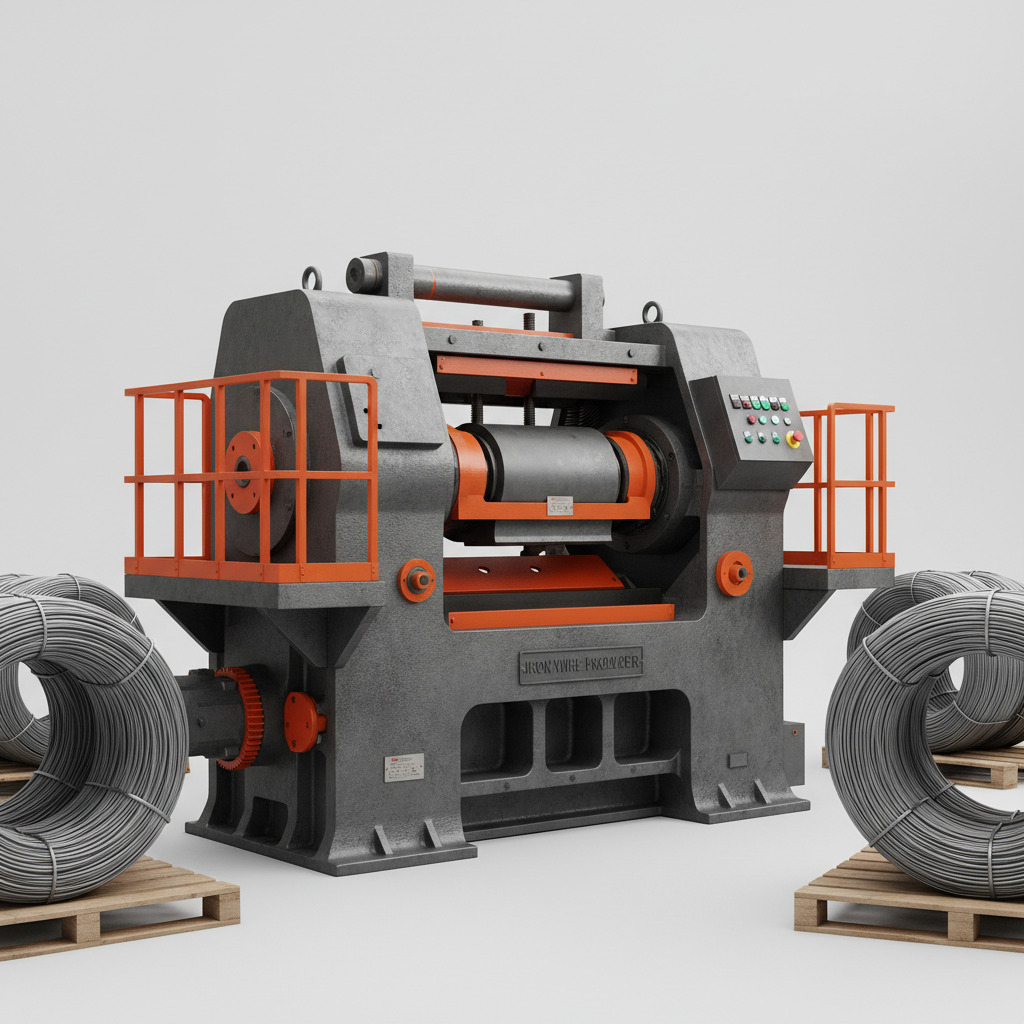
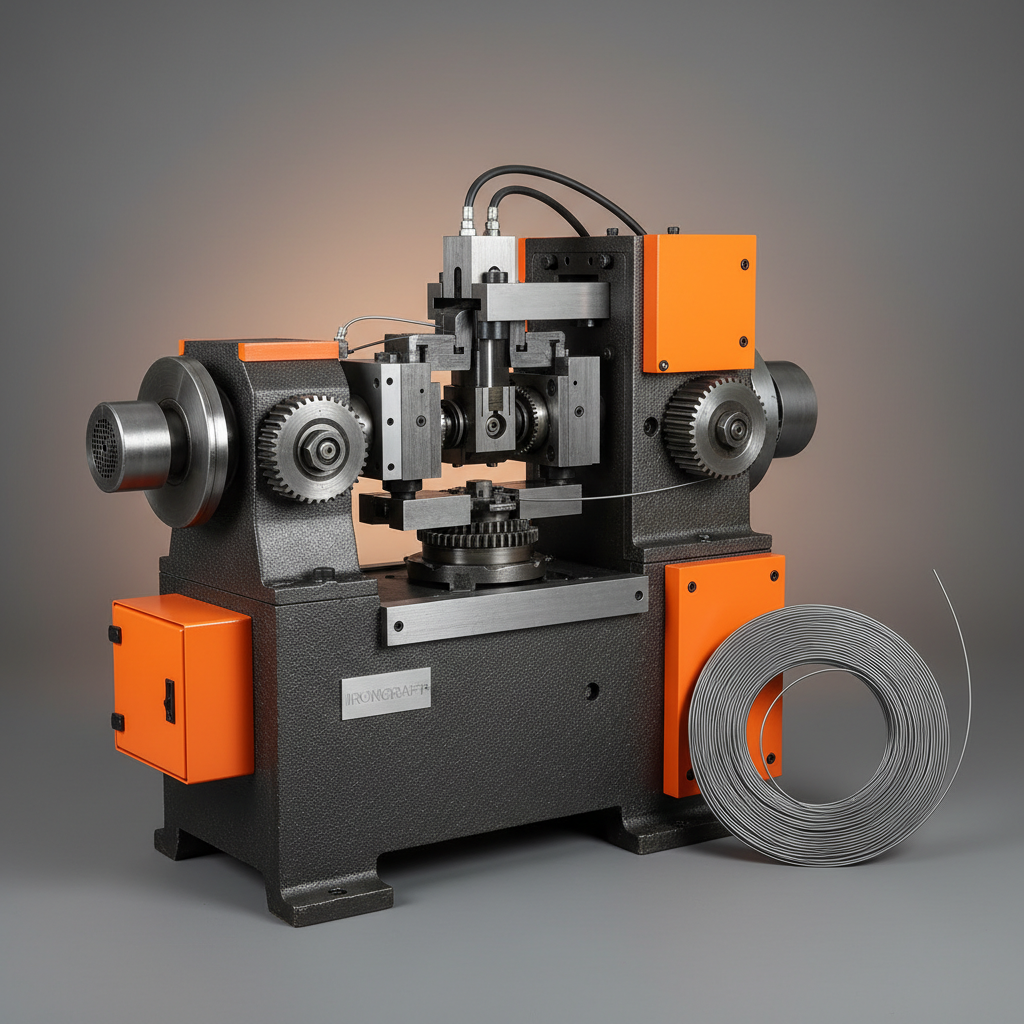
The wire drawing process is crucial. It involves pulling the iron rod through a series of progressively smaller dies, reducing its diameter and increasing its length. This process is often performed at elevated temperatures to improve ductility. Subsequent annealing processes relieve internal stresses introduced during drawing, enhancing the wire’s flexibility and workability. Quality control checks are performed throughout the process to ensure adherence to strict specifications.
Finally, depending on the intended application, the iron wiring may undergo additional treatments, such as galvanization, coating with polymers, or alloying with other metals to enhance its corrosion resistance and electrical properties. These finishing processes are vital for extending the lifespan and ensuring the reliability of the finished product.
Applications of Iron Wiring Across Industries
Iron wiring finds diverse applications across a broad spectrum of industries. In the construction sector, it’s widely used for grounding systems, conduit, and internal building wiring, providing essential electrical safety. Its high tensile strength makes it invaluable in the telecommunications industry for supporting overhead cables and securing infrastructure.
The automotive industry leverages iron wiring in vehicle electrical systems, although increasingly replaced by copper and aluminum in high-current applications. Manufacturing plants utilize it for powering machinery, lighting, and control systems. Moreover, iron wiring plays a critical role in infrastructure projects, such as railway systems and power grids, due to its durability and cost-effectiveness.
Iron Wiring Application Breakdown by Industry
Cost Analysis and Economic Impact of Iron Wiring
Iron wiring’s most significant economic advantage is its relatively low material cost compared to alternatives like copper or aluminum. This affordability makes it particularly attractive for large-scale projects, especially in developing countries where budget constraints are common. Reduced material costs translate to lower project expenses and greater accessibility to essential infrastructure.
However, the total cost of ownership must consider factors like installation, corrosion protection, and maintenance. While the initial cost is lower, ongoing maintenance – particularly in corrosive environments – can potentially offset some of those savings. Nonetheless, in many applications, the economic benefits of iron wiring far outweigh the drawbacks, making it a commercially viable solution.
The Sustainability and Environmental Considerations of Iron Wiring
Iron is a readily available and recyclable material, contributing to its overall sustainability. Compared to the extraction of some rare earth metals used in other wiring materials, iron ore mining generally has a lower environmental impact. Moreover, end-of-life iron wiring can be effectively recycled and reused, minimizing waste and conserving resources.
However, the manufacturing process of iron and steel can be energy-intensive and generate greenhouse gas emissions. Efforts to mitigate this impact include utilizing more sustainable energy sources and implementing carbon capture technologies. Furthermore, the environmental effects of corrosion – the release of iron oxides – need to be addressed through protective coatings and responsible waste management.
The lifecycle assessment of iron wiring demonstrates that, with responsible manufacturing and end-of-life management, it can be a relatively sustainable material choice, especially when compared to less recyclable alternatives.
Future Trends and Innovations in Iron Wiring Technology
Ongoing research focuses on developing new iron alloys with enhanced corrosion resistance and improved electrical conductivity. Nanomaterials and advanced coatings are being explored to create protective layers that significantly extend the lifespan of iron wiring, even in harsh environments. Smart wiring systems, incorporating sensors and data analytics, are also emerging, allowing for real-time monitoring of performance and predictive maintenance.
The integration of iron wiring with renewable energy systems is another key trend. As the demand for sustainable power sources grows, efficient and reliable wiring solutions are crucial for connecting solar farms, wind turbines, and other renewable energy infrastructure.
Furthermore, advancements in 3D printing technology offer the potential to create custom-designed iron wiring configurations, optimizing performance and reducing material waste. These innovations promise to shape the future of iron wiring, ensuring its continued relevance in a rapidly evolving technological landscape.
Summary of Key Future Trends in Iron Wiring
| Trend Category |
Technology Focus |
Potential Impact |
Adoption Timeline |
| Material Science |
High-Alloy Steels |
Enhanced Corrosion Resistance |
5-10 Years |
| Surface Coatings |
Nanomaterial-Based Coatings |
Extended Lifespan, Reduced Maintenance |
3-7 Years |
| Smart Infrastructure |
Integrated Sensors |
Real-Time Monitoring, Predictive Maintenance |
7-12 Years |
| Manufacturing |
3D Printing |
Custom Designs, Reduced Waste |
10+ Years |
| Energy Integration |
Renewable Energy Grid Connections |
Efficient Power Transmission |
Ongoing |
| Sustainability |
Closed-Loop Recycling |
Reduced Environmental Impact |
2-5 Years |
FAQS
While copper offers superior conductivity, iron wiring's key advantages lie in its cost-effectiveness and high tensile strength. This makes it a suitable option for applications where conductivity is not the primary concern, such as grounding systems, conduit, and structural support where durability and affordability are crucial. Furthermore, iron is more readily available than copper, mitigating supply chain risks and reducing overall project costs.
Corrosion is a significant concern with iron wiring, as it can weaken the material and compromise its electrical conductivity. Preventative measures include galvanization (coating with zinc), applying protective polymer coatings, and utilizing iron alloys with increased corrosion resistance. Regular inspections and maintenance, particularly in corrosive environments, are also essential for extending the lifespan of iron wiring. Proper sealing of connections and avoiding contact with dissimilar metals can further minimize corrosion.
Iron boasts a relatively lower environmental impact compared to some wiring materials due to its abundance and recyclability. While iron ore extraction and steel production have environmental implications, the overall footprint can be minimized through sustainable practices. Crucially, iron wiring is easily recycled at the end of its lifespan, reducing waste and conserving resources. However, assessing the full lifecycle impact, including manufacturing processes, is important.
Due to its lower electrical conductivity compared to copper and aluminum, iron wiring is generally not recommended for high-voltage applications requiring minimal energy loss. The higher resistance of iron can lead to increased heat generation and reduced efficiency in such scenarios. While advancements in alloys are improving conductivity, copper and aluminum remain the preferred choices for high-voltage transmission and distribution systems.
Alloying iron with other elements, such as carbon (to create steel), chromium, nickel, and zinc, significantly enhances its properties. Alloying can increase tensile strength, improve corrosion resistance, and enhance electrical conductivity. Different alloy compositions are tailored to specific applications, optimizing performance and lifespan. For example, stainless steel alloys provide exceptional corrosion resistance in harsh environments.
Iron wiring is generally more cost-effective than both copper and aluminum. Copper is significantly more expensive due to its higher conductivity and limited availability. Aluminum, while cheaper than copper, still typically exceeds the cost of iron. This price difference makes iron wiring an attractive option for large-scale projects and applications where cost is a primary consideration, despite its lower conductivity.
Conclusion
In conclusion, iron wiring remains a foundational component of modern infrastructure, offering a compelling balance of affordability, durability, and sustainability. Its historical evolution, driven by advancements in metallurgy and manufacturing processes, has solidified its role in a diverse range of applications, from building construction to power transmission. Understanding its properties, limitations, and emerging trends is essential for informed decision-making in the construction and electrical industries.
Looking ahead, continued innovation in iron alloys, protective coatings, and manufacturing techniques will further enhance its performance and address environmental concerns. By embracing sustainable practices and exploring new applications, iron wiring can continue to play a vital role in building a resilient and sustainable future. For more information on high-quality iron wiring solutions, visit our website: iron wire factory.