Black annealed iron wire. Sounds simple, right? But spend a year walking construction sites like I have, hauling materials, talking to engineers, and you realize it's the backbone of so much. It’s not glamorous, not a headline-grabbing innovation, but it's essential. From tying rebar in foundations to securing fencing around a job site, this stuff is everywhere. It's the quiet workhorse holding projects – and ultimately, our built world – together. Understanding its properties, its applications, and the market around it isn't just about understanding a product; it's about understanding how things get built.
Globally, demand for black annealed iron wire is consistently high, driven by infrastructure development, construction booms in emerging economies, and the need for reliable materials in various industries. According to UN reports on global construction spending, investment continues to rise, particularly in Asia and Africa, directly correlating with increased demand for binding and general-purpose wire. The ISO standards governing wire manufacturing ensure consistent quality, which is critical for structural integrity, particularly in seismic zones or areas prone to extreme weather events. This isn’t just about building structures; it's about building safe structures.
So, what is black annealed iron wire? Simply put, it's low-carbon steel wire that's been heated and slowly cooled – annealed – to make it softer and more ductile. That process gives it excellent bending properties without compromising strength. Unlike galvanized or stainless steel, it doesn't have a protective coating, which is why it's often referred to as "black" wire. This uncoated nature makes it perfect for applications where corrosion isn't a major concern, or where a coating might interfere with other processes, like welding. Modern industry relies on it, and even in humanitarian efforts – building temporary shelters, securing aid distribution points – you’ll find this wire playing a crucial role.
The Importance of Black Annealed Iron Wire in Modern Construction
Durability is key. Black annealed iron wire, while not corrosion-resistant on its own, can withstand a significant amount of stress and strain before breaking. This makes it ideal for binding rebar in concrete, where it needs to hold its shape during the pouring process and remain intact for the life of the structure. I've seen crews rely on this stuff for years, and it rarely fails.
Another critical factor is its formability. You need a wire that bends easily and holds its bend. It needs to tie knots securely and consistently. That’s where the annealing process really pays off. We’re talking about saving time and reducing errors on the job site, which directly translates to lower costs and faster project completion.
Global Demand and Industry Standards
The demand for black annealed iron wire is largely tied to global construction trends. Emerging economies in Asia, Africa, and South America are experiencing rapid urbanization and infrastructure development, fueling substantial demand. China, in particular, is a massive consumer, driving up global prices and influencing production levels. Understanding these market dynamics is crucial for predicting future supply and cost fluctuations.
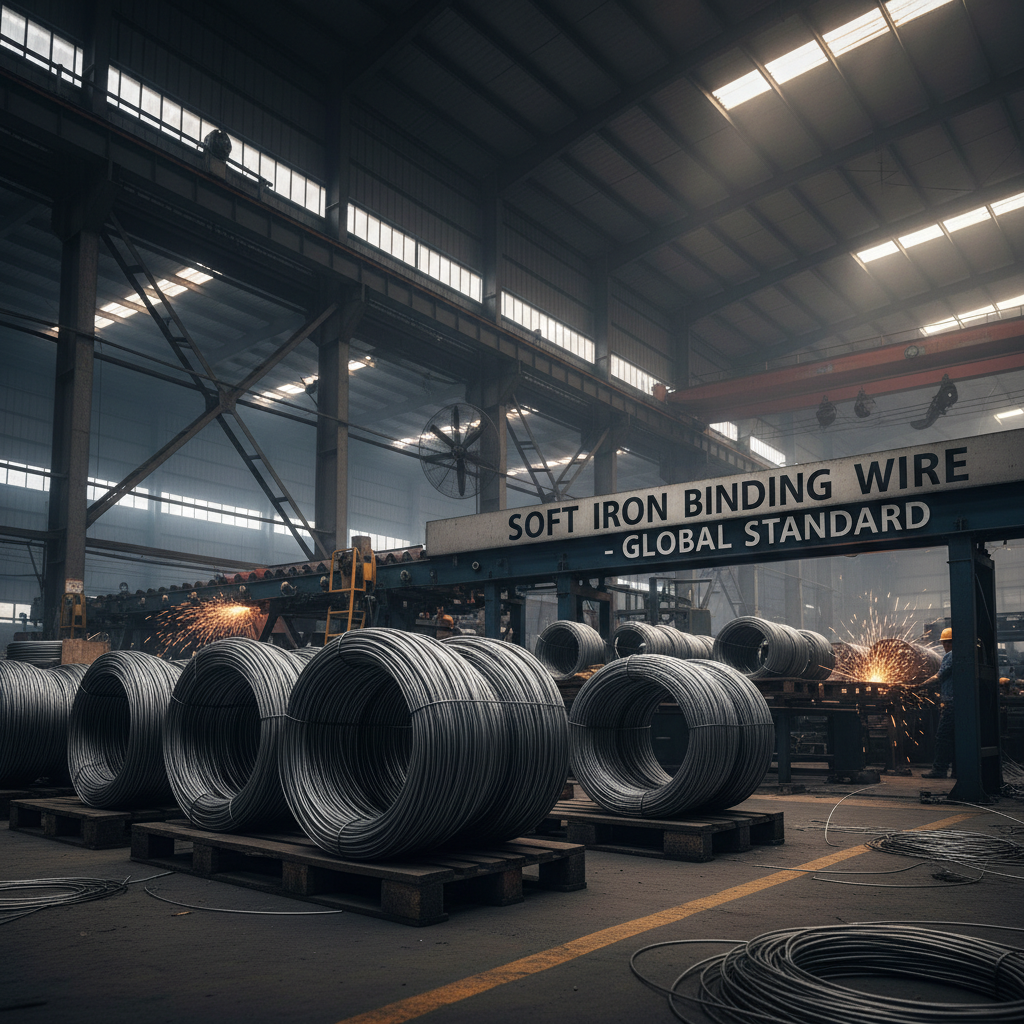
Quality control is paramount. International Organization for Standardization (ISO) standards, like ISO 9001, are widely adopted by manufacturers to ensure consistent product quality and adherence to safety regulations. These standards cover everything from raw material selection to manufacturing processes and final product testing. I always look for ISO certification when sourcing materials – it gives you a level of confidence that you’re getting a reliable product.
Beyond construction, the agricultural sector uses it extensively for tying plants, creating trellises, and securing netting. The packaging industry also relies on it for bundling and securing goods during transit. This broad range of applications contributes to the consistent, worldwide demand for this unassuming but vital material.
Defining Black Annealed Iron Wire: Properties and Uses
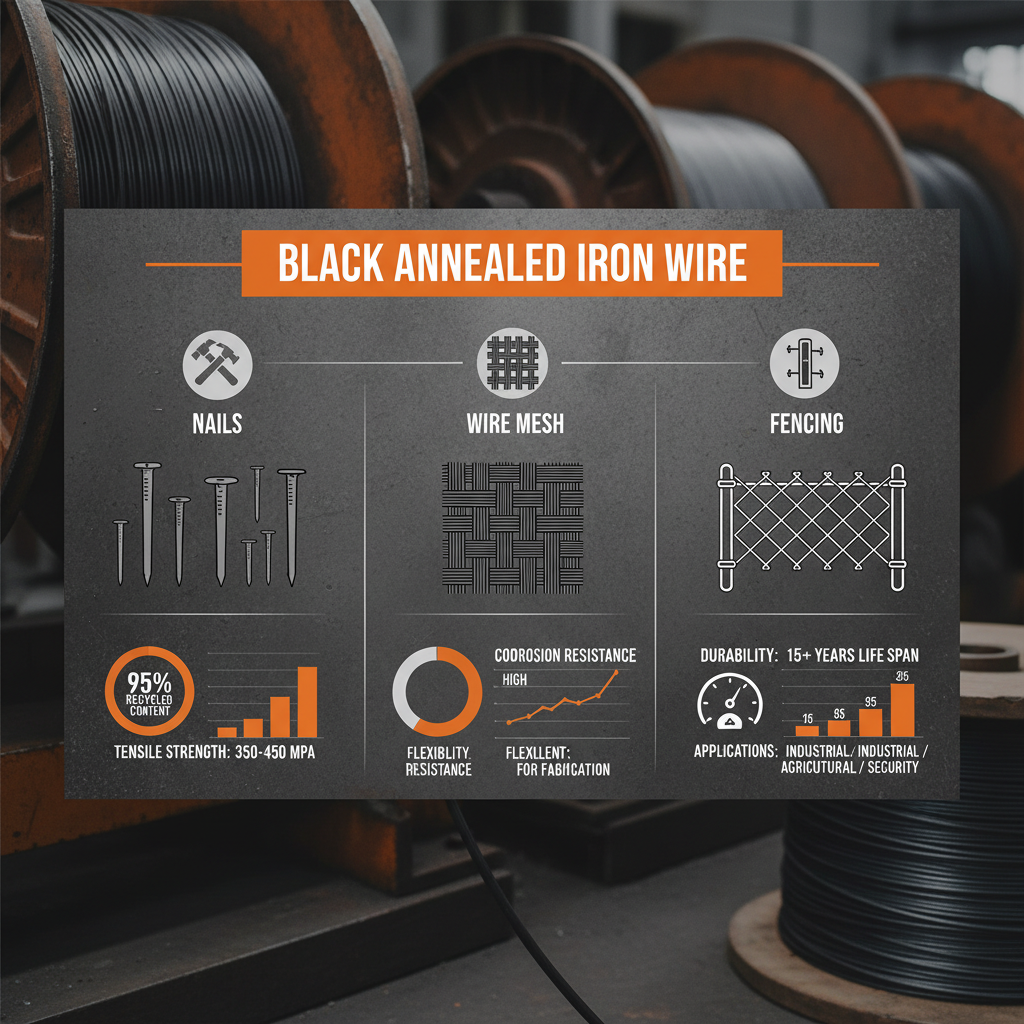
Let's break down the properties. It’s relatively low tensile strength compared to high-carbon steel wire, but that's not the point. The softness and ductility are what matter. You can manipulate it easily, tie complex knots, and form it around obstacles without snapping. It's the workability that makes it so useful. I’ve seen guys on site twist and bend this stuff into all sorts of temporary supports and fixtures.
Now, the uses are incredibly diverse. Beyond the rebar tying and fencing I mentioned earlier, it’s used in crafting, gardening, DIY projects, and even as a component in some types of electrical wiring (although specialized insulated wire is preferred for safety reasons). In remote areas, it’s often repurposed for repairs – fixing broken tools, patching fences, even securing makeshift shelters. It's a truly versatile material.
Crucially, understanding its limitations is important. Because it's uncoated, it will rust if exposed to moisture and the elements for extended periods. That's why it's not ideal for outdoor applications in harsh environments without additional protection. But for temporary uses or applications where corrosion isn’t a concern, it remains a cost-effective and reliable solution.
Key Characteristics for Practical Application
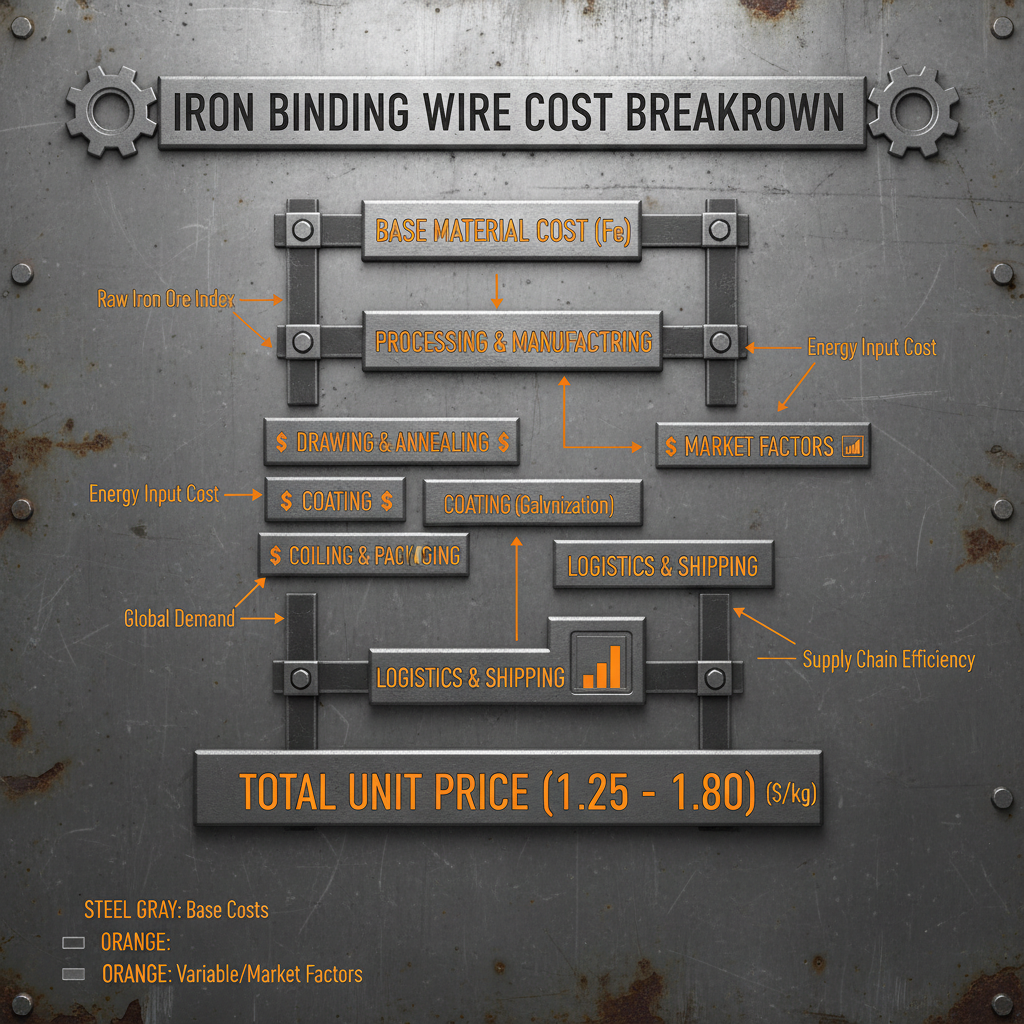
Cost-efficiency is huge. Black annealed iron wire is significantly cheaper than stainless steel or galvanized wire, making it a preferred choice for large-scale projects where material costs add up quickly. Every penny counts on a construction site, and using this wire can make a noticeable difference in the overall budget.
Then there's weldability. While it requires appropriate welding techniques, black annealed iron wire can be effectively welded for creating strong and durable connections. This is particularly useful in fabricating metal structures and assemblies.
Black Annealed Iron Wire Applications by Industry
Applications Across Industries and Regions
In post-disaster relief operations, black annealed iron wire is invaluable for constructing temporary shelters, securing aid distribution points, and repairing damaged infrastructure. I’ve seen it used extensively in Haiti after the earthquake, and more recently in areas affected by hurricanes. It’s quick to deploy and adaptable to various situations.
In remote industrial zones, where access to specialized materials is limited, it's used for everything from securing equipment to building makeshift repairs. Mining operations, in particular, rely on it for a wide range of applications, due to its availability and cost-effectiveness.
Long-Term Value: Cost, Reliability, and Sustainability
The long-term value proposition goes beyond just the initial cost savings. The reliability of the wire, even in demanding conditions, reduces the need for frequent replacements, minimizing downtime and maintenance costs. It's a material you can depend on to hold up, which is peace of mind on any job site.
While iron isn’t necessarily a “green” material, it’s highly recyclable. Scrap metal recycling programs can reclaim and repurpose black annealed iron wire, reducing waste and conserving resources. Choosing suppliers committed to sustainable practices further enhances its environmental profile.
And let's not underestimate the safety aspect. Properly used, this wire helps ensure the structural integrity of buildings and infrastructure, protecting lives and property. That’s a value that’s hard to quantify, but it’s the most important one of all.
Future Trends and Potential Challenges
We're seeing a growing demand for lighter-weight, higher-strength wires. Research and development are focused on improving the annealing process to achieve better ductility without sacrificing tensile strength. New alloys are also being explored to enhance corrosion resistance.
One challenge is the fluctuating price of iron ore, which directly impacts the cost of the wire. Supply chain disruptions, geopolitical instability, and increasing demand from developing economies can all contribute to price volatility. Strategic sourcing and long-term contracts with suppliers are crucial for mitigating these risks.
The rise of automation in construction is also impacting the demand. Automated rebar tying machines require consistent wire quality and precise dimensions. Manufacturers need to adapt to these evolving requirements to remain competitive.
Summary of Challenges and Potential Solutions for Black Annealed Iron Wire
| Challenge |
Impact on Industry |
Potential Solution |
Implementation Difficulty (1-10) |
| Price Volatility of Iron Ore |
Increased project costs, budget uncertainties |
Long-term contracts, diversified sourcing, hedging strategies |
6 |
| Corrosion Susceptibility |
Reduced lifespan, increased maintenance needs |
Protective coatings (where applicable), strategic material selection |
5 |
| Quality Control Inconsistencies |
Structural failures, safety hazards |
Stringent ISO certification, rigorous testing protocols |
7 |
| Demand for Higher Strength |
Limited application in advanced construction projects |
Research into improved annealing processes, alloy development |
8 |
| Supply Chain Disruptions |
Project delays, material shortages |
Regional production facilities, buffer stock management |
6 |
| Adapting to Automation |
Incompatibility with automated equipment |
Precision manufacturing standards, collaborative design with automation vendors |
7 |
FAQS
The tensile strength varies depending on the wire diameter, but typically ranges from 500 to 700 MPa. While not as strong as higher carbon steel, it provides sufficient strength for many binding and general purpose applications. The key benefit isn't sheer strength, but its malleability – it's designed to bend and tie, not necessarily withstand massive loads.
While it can be used outdoors, it's not ideal for long-term exposure to the elements due to its susceptibility to corrosion. Over time, it will rust. For outdoor applications, consider using galvanized or stainless steel wire for improved weather resistance. Alternatively, you can apply a protective coating to the black annealed wire to extend its lifespan.
Common gauges range from 12 gauge (thicker) to 18 gauge (thinner). 16 gauge is a very popular choice for general tying and bundling, striking a good balance between strength and flexibility. The appropriate gauge depends on the specific application and the amount of force it needs to withstand.
Annealing involves heating the wire to a specific temperature and then slowly cooling it. This process reduces its hardness, increases its ductility, and makes it easier to bend and form. Without annealing, the wire would be too brittle and difficult to work with. It's the key to its usability.
Yes! Black annealed iron wire is highly recyclable. It's a valuable scrap metal and can be easily reclaimed and repurposed. Recycling helps conserve resources and reduces the environmental impact of manufacturing new wire.
Always wear gloves to protect your hands from sharp edges and potential cuts. Be careful when bending or twisting the wire, as it can snap and cause injury. Eye protection is also recommended. Treat it with respect – it’s a simple material, but it can cause harm if mishandled.
Conclusion
Black annealed iron wire may not be the flashiest building material, but its consistent performance, affordability, and versatility make it an indispensable component of countless projects worldwide. From tying rebar in skyscrapers to securing crops in rural fields, this humble wire quietly supports our built environment and contributes to global infrastructure development.
Looking ahead, continued innovation in materials science and manufacturing processes will likely lead to even stronger, more durable, and sustainable versions of this essential product. But even without groundbreaking changes, understanding its properties, applications, and limitations is crucial for anyone involved in construction, agriculture, or any industry where reliable and cost-effective binding solutions are needed. For your black annealed iron wire needs, explore our range of high-quality products and dedicated customer support.