Honestly, this whole iron wire for fencing business… it's been a year, running around construction sites, smelling concrete dust, and talking to guys who actually use this stuff. You see a lot of things. And lately? Everyone's talking about higher tensile strength. It’s the buzz. Seems like everyone wants wire that can take more abuse, less sagging, and last longer. It’s not exactly revolutionary, but it’s what people are asking for.
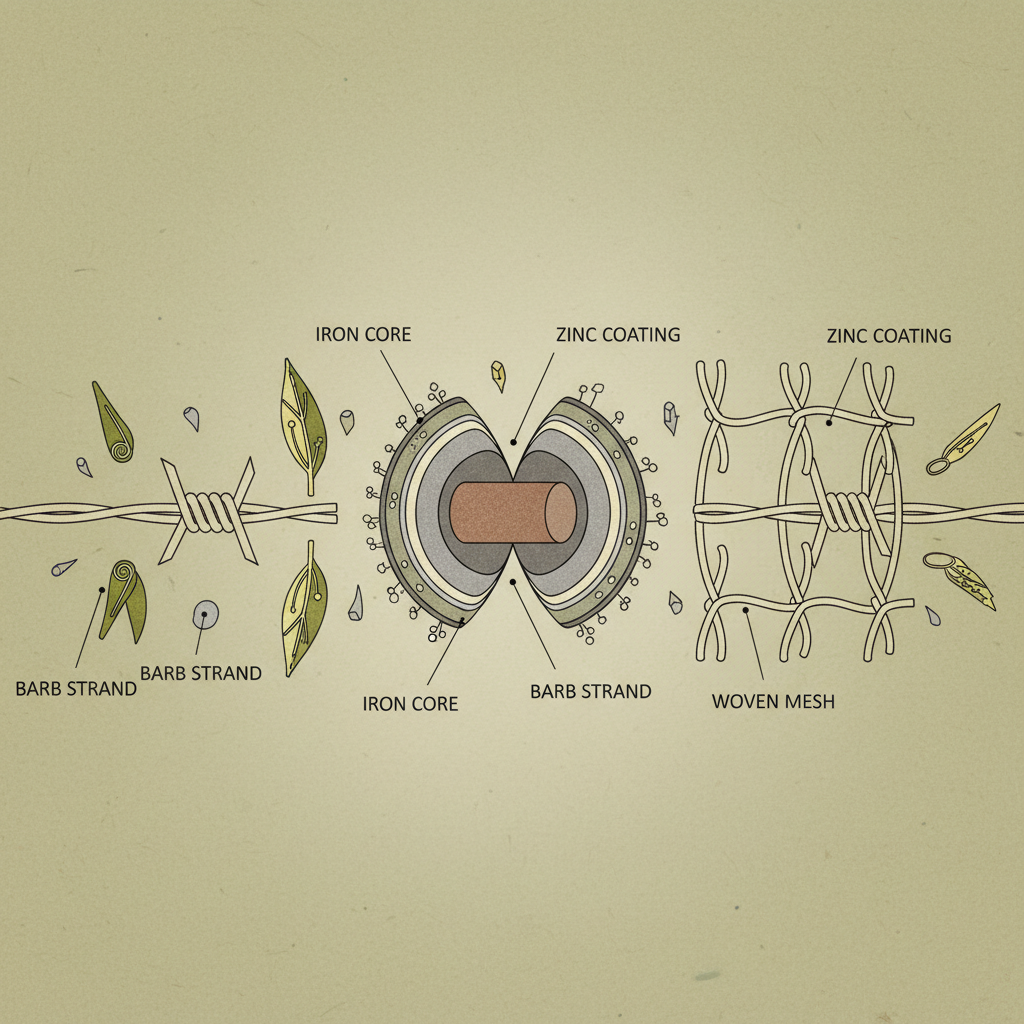
Have you noticed how many folks get tripped up on the coating? They think thicker is always better. It’s not. Too thick, and it cracks when you try to bend it. You get these hairline fractures, and then rust sets in. I encountered this at a factory in Hebei last time – beautiful, shiny wire, but totally unusable on site. It looked good in the showroom, though.
And the wire itself... it’s not just ‘iron wire’, you know? There's low carbon, high carbon… the feel is different. Low carbon is softer, easier to work with, but doesn’t hold its shape as well. High carbon? Stiff as a board, smells metallic, kind of burns your fingers if you're handling it a lot. We mostly use galvanized, of course. You can smell the zinc when you cut it, sort of a sweet, metallic tang. And then there’s PVC coated, which… well, that smells like plastic. Not a pleasant smell, frankly.
Strangely, everyone’s moving towards lighter gauge wire, but with more tensile strength. They want to save on material costs, but they still need it to hold. It’s a constant balancing act. We’ve seen a lot more demand for chain link fencing recently too, especially around industrial sites. Seems like security is always top of mind.
The big players are still in China, obviously. But there’s a growing number of smaller manufacturers popping up in Southeast Asia. Quality control varies wildly, though. You really need to vet your suppliers carefully. I’ve had too many shipments arrive with inconsistencies in the galvanization – some sections barely coated. And that’s a headache nobody needs.
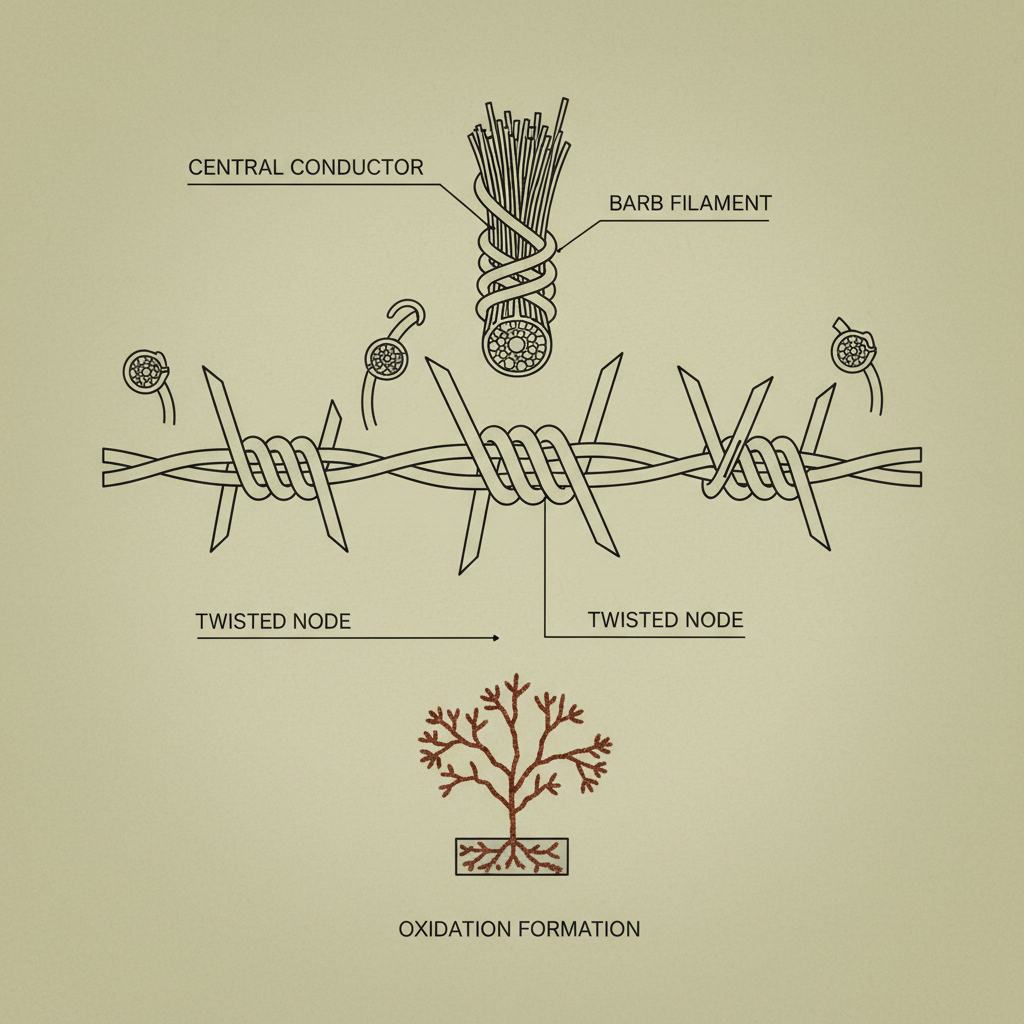
Honestly, you can't completely prevent it. Galvanization wears off over time. But you can slow it down. Proper storage is key – keep it dry, ideally indoors. Avoid stacking it directly on the ground. And if you scratch the coating during installation, touch it up with a zinc-rich paint. A good quality paint will add years to its lifespan, trust me. It’s worth the extra effort.
For a garden, you don't need anything too heavy-duty. A 1.6mm or 2.0mm wire is usually sufficient. You're mostly keeping out rabbits and the occasional dog, not trying to secure a military base. Just make sure the posts are properly spaced and well-anchored. And don't stretch the wire too tight, you'll damage your plants. It's a balancing act, right?
It depends. If you’re in a coastal area with high salt spray, or if you just want a more aesthetically pleasing fence, then yes, it's worth it. The PVC coating provides an extra layer of protection against corrosion and it comes in a variety of colors. But it’s more expensive, and the PVC can crack over time if exposed to direct sunlight. It’s a trade-off.
A fence stretcher is your best friend. Don't try to do it by hand, you'll end up with a sagging fence. Stretch the wire tight, but not too tight. You want it to be firm, but not so tight that it puts excessive stress on the posts. And make sure to use proper tensioning tools – come-alongs, turnbuckles, that sort of thing. Don’t cheap out on the hardware.
Barbed wire is designed for security – to deter people and animals from crossing a boundary. It’s aggressive. Chain link is more about containment – keeping things in or out, but without the sharp edges. The wire itself is different too. Barbed wire has barbs welded onto it, obviously, and chain link is woven into a mesh pattern. They’re for different purposes, plain and simple.
Minor damage, like a broken barb, can be repaired with wire connectors. But if the wire is severely rusted or broken in multiple places, it’s usually best to replace it. Trying to patch it up will just lead to more problems down the road. And a failing fence is a safety hazard. Remember, you're trying to contain something, and if that containment fails, well, you have a problem.
So, yeah, iron wire for fencing isn’t exactly rocket science. It's a simple product, but it's surprisingly complex when you get down to the details. From material selection to installation techniques, there’s a lot that can go wrong. Understanding these nuances can save you money, time, and a lot of headaches.
Ultimately, whether this thing works or not, the worker will know the moment he tightens the screw. They'll feel whether it's holding, whether it's bending, whether it's going to last. That’s the real test. And that’s why I trust the guys on the ground. They’re the ones who really know this stuff.