- Afrikaans
- Albanian
- Amharic
- Arabic
- Azerbaijani
- Belarusian
- Bulgarian
- Croatian
- Czech
- Danish
- Dutch
- English
- Estonian
- Finnish
- French
- German
- Greek
- Hungarian
- Indonesian
- Italian
- Japanese
- Javanese
- Korean
- Latvian
- Lithuanian
- Macedonian
- Malay
- Maltese
- Nepali
- Norwegian
- Persian
- Polish
- Portuguese
- Romanian
- Russian
- Serbian
- Sinhala
- Slovak
- Slovenian
- Spanish
- Swahili
- Swedish
- Tagalog
- Tamil
- Thai
- Turkish
- Ukrainian
- Urdu
- Uzbek
- Vietnamese

Gabion Box Applications In Riverbank And Shoreline Protection: Effective Solutions For Erosion Control And Slope Stabilization
Gabion boxes have become a widely adopted and highly effective solution in riverbank and shoreline protection projects. These wire mesh cages filled with stones or other materials provide a flexible, permeable, and durable structure that stabilizes slopes, prevents soil erosion, and safeguards infrastructure near water bodies. Understanding the different types of gabion boxes and their applications is essential for selecting the right solution for specific environmental conditions.
What is a Gabion Box?
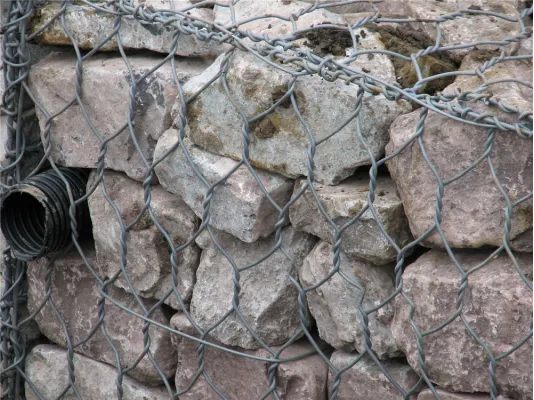
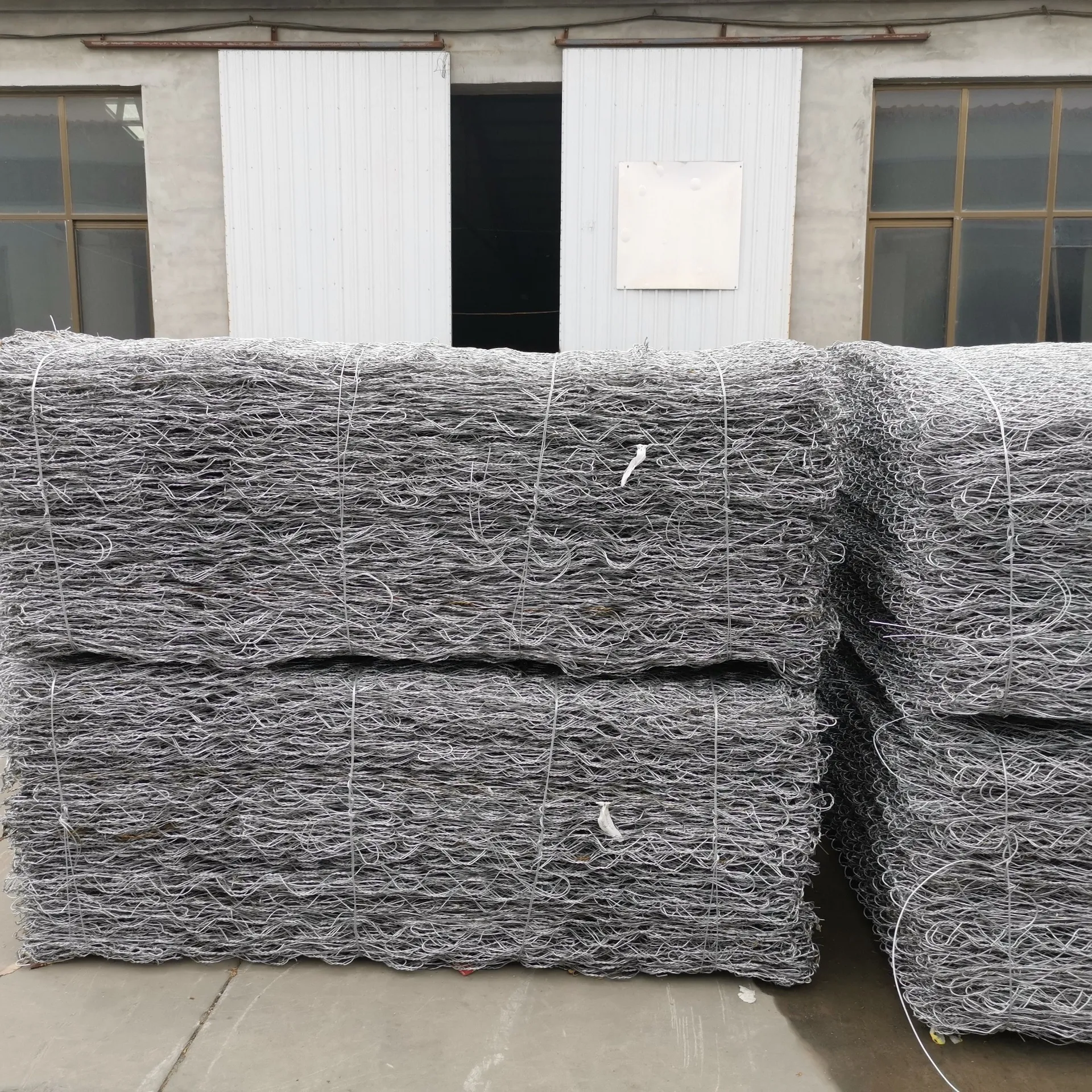
A gabion box is essentially a cage or container made of wire mesh, typically filled with natural stones, gravel, or concrete debris. These boxes are stacked or arranged to form retaining walls, embankments, or revetments that absorb and dissipate the energy of flowing water, thereby reducing erosion and stabilizing the soil.
Types of Gabion Boxes: Hexagonal vs. Welded
Hexagonal Gabion Box
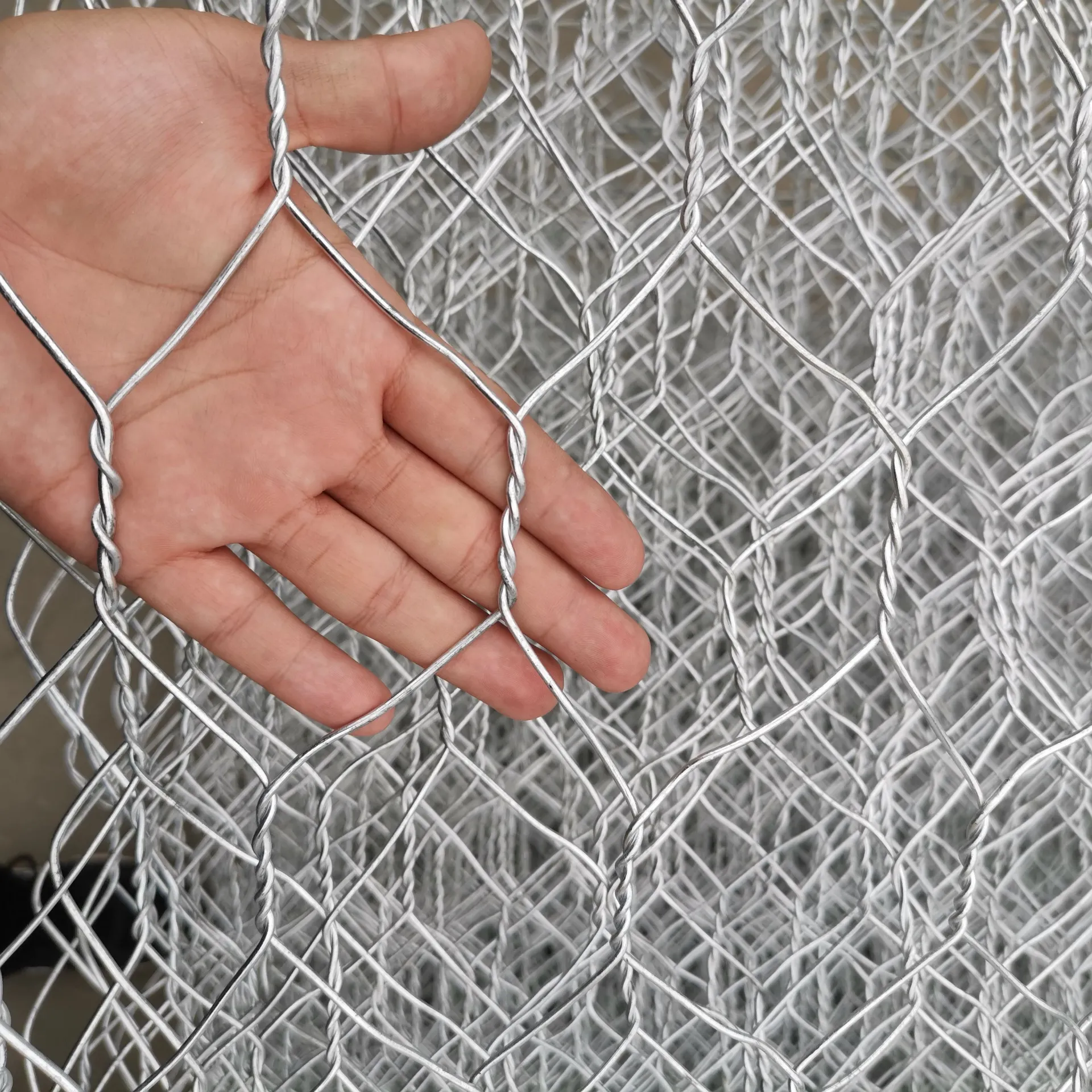
Also known as woven gabion, this type is made of hexagonal wire mesh where wires are twisted together to form a flexible net with hexagon-shaped openings.
Flexibility: The hexagonal structure allows the box to adapt well to uneven terrain and ground movement, which is advantageous in dynamic environments like riverbanks and shorelines.
Corrosion Resistance: Usually galvanized or PVC coated to resist rust in harsh outdoor conditions.
Common Uses: Ideal for slopes and embankments with irregular shapes, temporary or semi-permanent installations, and where adaptability is required.
Welded Gabion Box
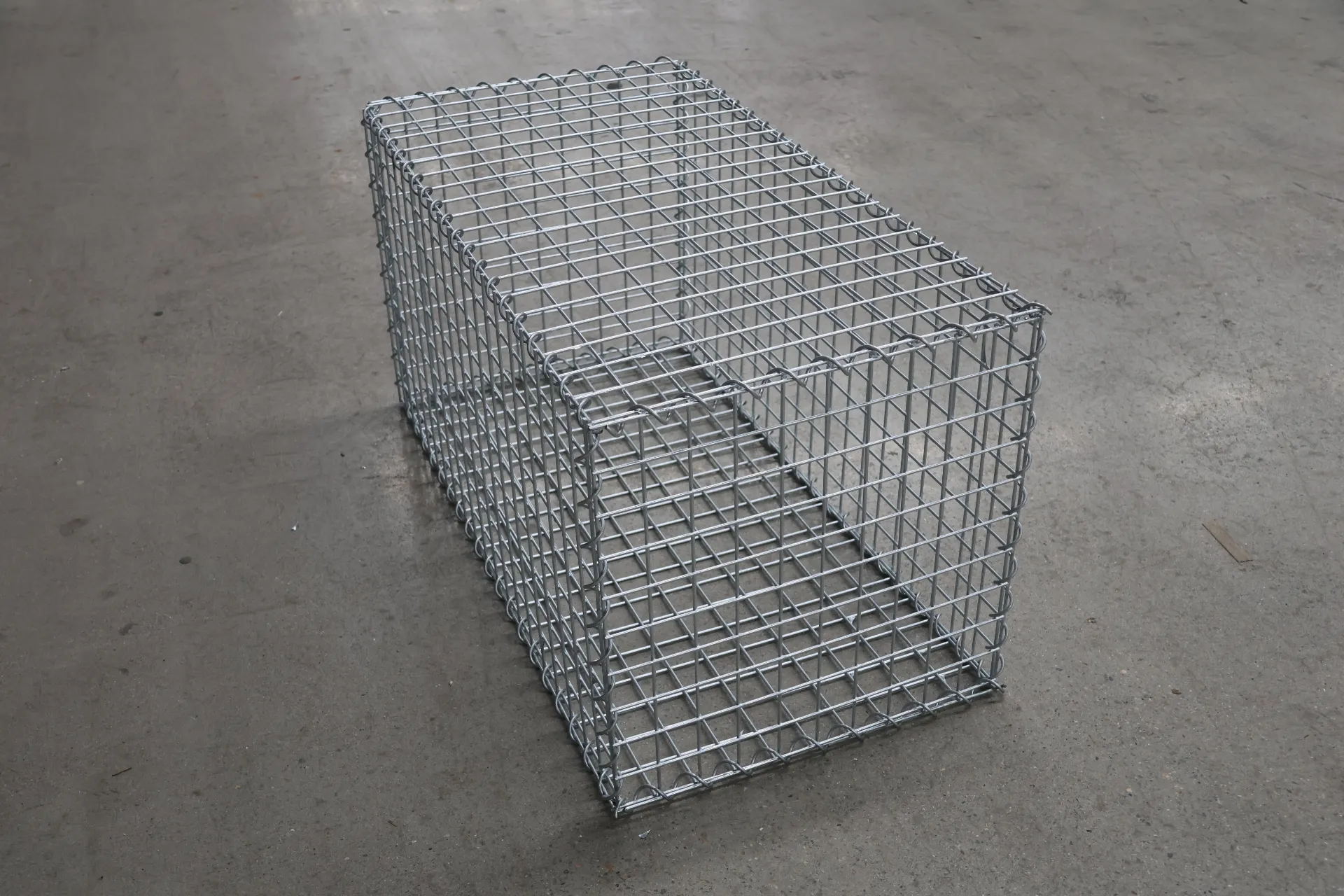
Constructed from welded steel wire mesh, these gabions have rigid square or rectangular openings.
Strength and Stability: The welded structure provides higher mechanical strength and rigidity compared to hexagonal gabions.
Durability: Excellent for permanent structures that require strong load-bearing capacity.
Common Uses: Used in infrastructure projects such as bridge abutments, retaining walls, flood control works, and permanent shoreline protection.
Why Use Gabion Boxes for Riverbank and Shoreline Protection?
Erosion Control: Gabion boxes act as a physical barrier that absorbs and dissipates the kinetic energy of flowing water, reducing soil erosion and sediment displacement.
Slope Stabilization: When stacked, gabions provide mass and stability to slopes, preventing landslides and soil washout.
Drainage and Permeability: Unlike concrete walls, gabion structures allow water to flow through while holding back soil, reducing hydrostatic pressure and preventing waterlogging.
Environmental Friendliness: The use of natural stone fillings supports vegetation growth and blends well with natural landscapes, promoting ecological balance.
Cost-Effectiveness: Gabions are often more economical and faster to install compared to rigid concrete structures, especially in remote or difficult-to-access locations.
Typical Applications of Gabion Boxes in Riverbank and Shoreline Protection
Retaining walls along riverbanks, lakes, and coastal areas
Revetments and embankment protection against wave action
Channel linings to prevent scouring and undercutting
Slope reinforcement for flood control and dam protection
Restoration of damaged or eroded shoreline sections
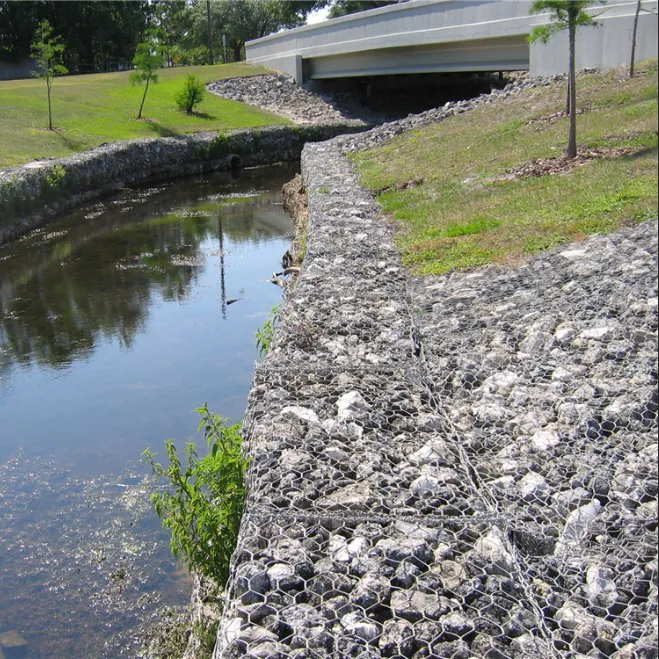
Our hexagonal gabion box and welded gabion box products are made with high-quality galvanized or PVC coated steel wire mesh, ensuring excellent corrosion resistance, tensile strength, and durability. Customizable mesh sizes, wire diameters, and box dimensions allow tailoring to specific project needs and environmental conditions.
For environmental engineers, contractors, and water management authorities seeking reliable and efficient gabion box solutions for riverbank and shoreline protection, ANPING HONGLIN WIRE MESH CO., LTD brings over 35 years of manufacturing expertise. Our high-quality gabion products comply with international standards and deliver lasting performance in erosion control and slope stabilization projects.
Contact us today for a detailed consultation and customized quotation. Secure your waterways with trusted gabion box fencing solutions designed for resilience, flexibility, and environmental harmony.
-
Professional Guide to Choosing Nails for Wooden Fence PanelsNewsApr.16,2026
-
PING HONGLIN WIRE MESH CO.,LTD: African Clients Visit Factory, Deepen Cooperation to Build a Global Quality BenchmarkNewsApr.14,2026
-
Guide to Choosing the Best nails for wood trim for CarpentryNewsApr.09,2026
-
Recognized for Excellence: ANPING HONGLIN WIRE MESH Named Alibaba FY2026 TOP Transaction Merchant, Celebrating 35 Years of Manufacturing HeritageNewsApr.07,2026
-
HONGLIN WIRE MESH Showcases at WORLDBEX Philippines 2026, Earning Strong Recognition from Global Builders & DistributorsNewsApr.07,2026
-
Spanish Client Delegation Visits Our Factory for Exchange, Exploring New Cooperation Opportunities in Welded Wire ProductsNewsApr.07,2026


