
Comprehensive Guide to Lumber Nails Types Sizes and Best Practices
Understanding Lumber Nails: A Comprehensive Guide
Lumber nails are a fundamental fastening component in construction, woodworking, and a wide array of DIY projects. Choosing the right nail for the job is crucial for structural integrity and project longevity. This article will provide an in-depth look at lumber nails, covering types, sizes, materials, applications, and best practices for selection. Whether you’re a seasoned professional or a weekend hobbyist, understanding the nuances of lumber nails will significantly improve the quality of your work. We’ll explore the key factors to consider when purchasing and using these essential fasteners.
Types of Lumber Nails
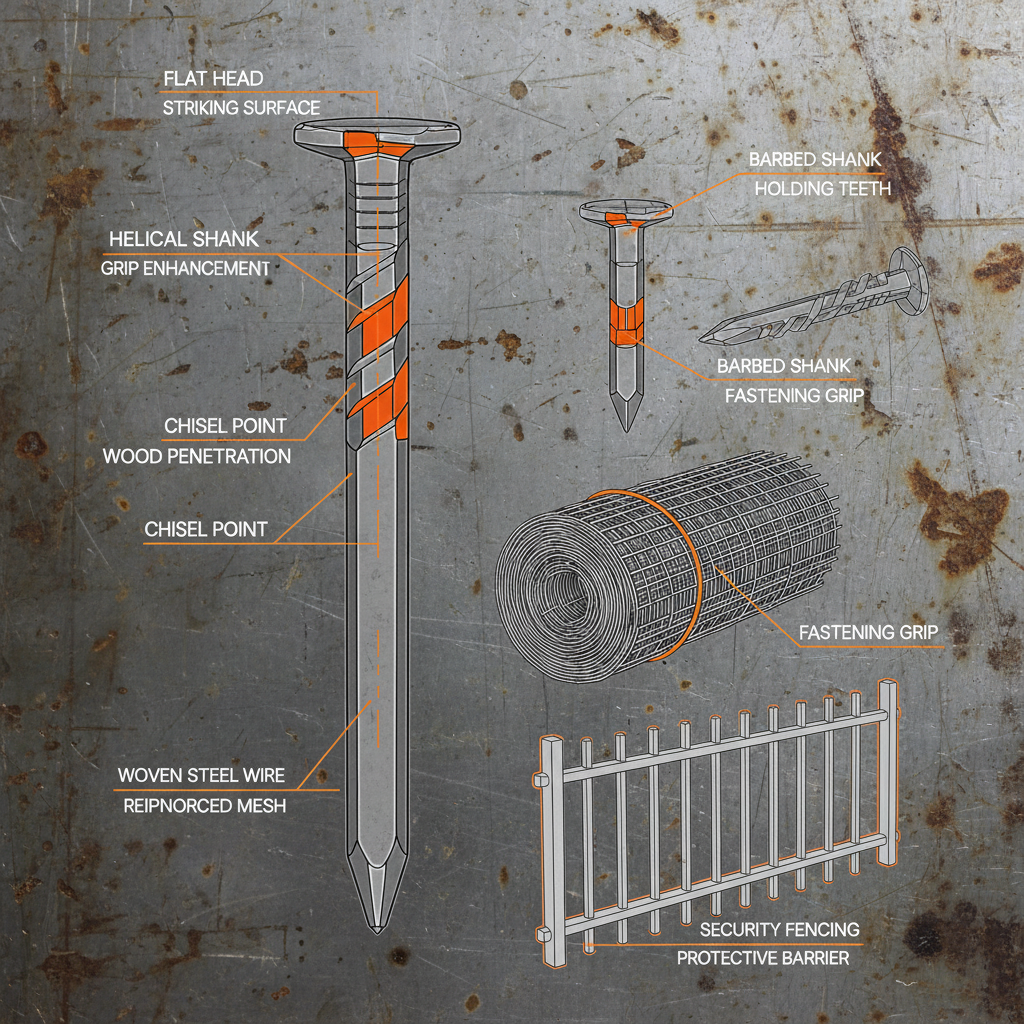
Lumber nails aren’t one-size-fits-all. They come in various types, each designed for specific applications. Common types include: Common nails, Box nails, Finishing nails, Roofing nails, and Brad nails. Common nails are general-purpose fasteners, while box nails are thinner and used for lighter-duty applications like crates and boxes. Finishing nails are designed to be set below the surface and filled, creating a smooth, clean look. Roofing nails have large heads for secure attachment to roofing materials, and Brad nails are small and used for delicate work like trim and molding. Understanding these differences is the first step toward choosing the correct nail.
Key Takeaway: Selecting the right nail type ensures the strength, durability, and aesthetic appeal of your project.
Lumber Nail Materials: Steel vs. Stainless Steel
The material a lumber nail is made from significantly impacts its performance and suitability for different environments. Most lumber nails are made from steel, offering excellent strength and affordability. However, for outdoor projects or in environments with high moisture levels, stainless steel nails are a superior choice. Stainless steel resists corrosion and rust, ensuring long-term durability. While more expensive than steel nails, the added lifespan and protection against degradation make them a worthwhile investment for certain applications. Choosing the right material prevents premature failure and costly repairs.
Material Comparison:
• Steel Nails: High strength, economical, prone to rust.
• Stainless Steel Nails: Excellent corrosion resistance, durable, more expensive.
Choosing the Right Lumber Nail Size
Nail size is measured in ‘penny’ (d), a somewhat archaic system. A higher penny number indicates a longer, thicker nail. The general rule is that the nail should penetrate at least two-thirds of the second piece of wood being joined. For example, when joining a 2x4 to another board, a 3d or 3.5d nail would be suitable. Using a nail that’s too short will result in a weak connection, while a nail that’s too long can protrude and create a safety hazard. Consider the thickness of the materials being joined and the intended load-bearing capacity when selecting the appropriate nail size.
Nail Coatings and Finishes for Enhanced Performance
Many lumber nails are coated with various finishes to improve their performance. Common coatings include galvanization, which provides corrosion resistance; phosphate coatings, which enhance paint adhesion; and ceramic coatings, which reduce friction for easier driving. Choosing a nail with the appropriate coating can significantly extend its lifespan and improve its usability. For example, galvanized nails are ideal for outdoor projects, while phosphate-coated nails are a good choice for painted surfaces. Consider the specific requirements of your project when selecting a nail with a protective coating.
Best Practices for Using Lumber Nails
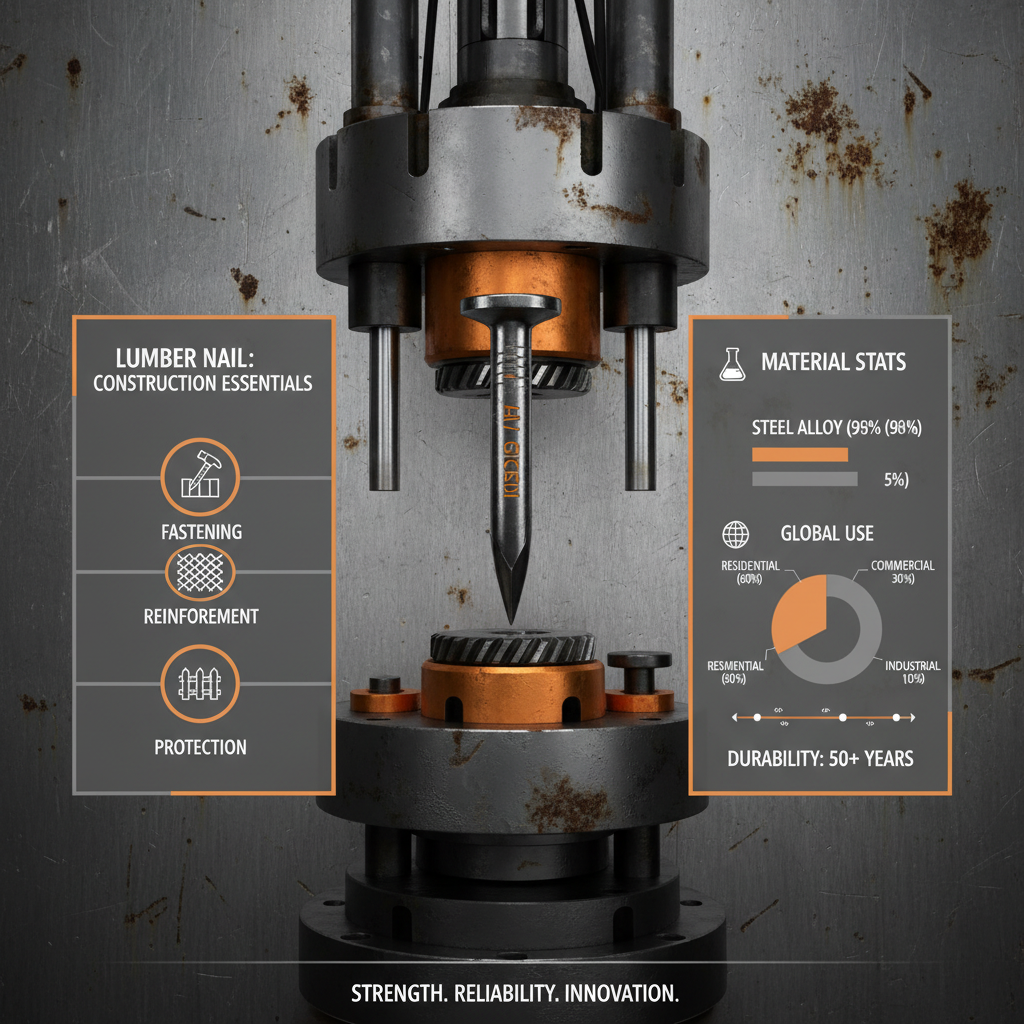
Proper nail driving technique is essential for a strong and reliable connection. Always use a hammer that is appropriately sized for the nail. Start by holding the nail perpendicular to the surface and tapping it gently to set it. Then, drive the nail with firm, controlled strokes. Avoid bending the nail, as this weakens the connection. For a clean finish, use a nail set to countersink the nail head slightly below the surface. Proper technique minimizes the risk of splitting the wood and ensures a secure, long-lasting joint. You can find quality lumber nails at Iron Wire Factory.
Conclusion: Selecting the Right Lumber Nail
Choosing the right lumber nail is critical for the success of any woodworking or construction project. By considering the type of wood, the intended application, and the environmental conditions, you can select a nail that provides the strength, durability, and aesthetic appeal you need. Don't underestimate the importance of this small but essential component – a well-chosen nail can make all the difference.
Frequently Asked Questions (FAQs)
What is the difference between common nails and box nails?
Common nails are thicker and sturdier, designed for general construction purposes where strong holding power is required. They are typically used for framing, structural work, and heavy-duty applications. Box nails, on the other hand, are thinner and lighter, making them suitable for lighter-duty tasks like assembling crates, boxes, or temporary structures. They are easier to drive and less likely to split the wood, but they don't provide the same level of strength as common nails.
How can I prevent wood from splitting when nailing?
To prevent wood from splitting, there are several techniques you can employ. First, blunt the point of the nail slightly. Second, pre-drill a pilot hole, especially when working with hardwoods or nailing close to the edge of the wood. Third, use a smaller nail size if possible. Also, ensure you are driving the nail straight and with consistent pressure. Finally, if using large nails, consider using a nail set to countersink the nail head and relieve pressure on the surrounding wood fibers.
Are ring shank nails stronger than smooth shank nails?
Yes, ring shank nails are generally stronger than smooth shank nails. The rings along the shank of the nail provide significantly increased holding power as they bite into the wood fibers when driven in. This makes them less likely to pull out under stress. Smooth shank nails rely solely on friction, which is less secure. Ring shank nails are particularly useful in applications where shear strength and resistance to withdrawal are critical, such as framing and decking.
-
Professional Guide to Choosing Nails for Wooden Fence PanelsNewsApr.16,2026
-
PING HONGLIN WIRE MESH CO.,LTD: African Clients Visit Factory, Deepen Cooperation to Build a Global Quality BenchmarkNewsApr.14,2026
-
Guide to Choosing the Best nails for wood trim for CarpentryNewsApr.09,2026
-
Recognized for Excellence: ANPING HONGLIN WIRE MESH Named Alibaba FY2026 TOP Transaction Merchant, Celebrating 35 Years of Manufacturing HeritageNewsApr.07,2026
-
HONGLIN WIRE MESH Showcases at WORLDBEX Philippines 2026, Earning Strong Recognition from Global Builders & DistributorsNewsApr.07,2026
-
Spanish Client Delegation Visits Our Factory for Exchange, Exploring New Cooperation Opportunities in Welded Wire ProductsNewsApr.07,2026


