Iron wire size plays a critical role in a multitude of industries, from construction and manufacturing to agriculture and even artistic endeavors. Understanding the nuances of iron wire size – its gauge, diameter, tensile strength, and material composition – is paramount for ensuring structural integrity, efficient production, and project success. This foundational knowledge directly impacts safety, durability, and ultimately, the cost-effectiveness of various applications globally.
The global demand for iron wire is substantial, driven by rapid industrialization, infrastructure development, and a growing population. According to the World Steel Association, global steel production reached nearly 1.9 billion tonnes in 2022, a significant portion of which is processed into various wire products, including iron wire. Variations in iron wire size are directly correlated to specific application requirements, demanding precise manufacturing and quality control standards.
The importance of specifying the correct iron wire size transcends mere technical specifications; it addresses real-world challenges such as disaster relief, efficient fencing solutions, and the creation of durable infrastructure in developing nations. Properly sized iron wire provides the necessary strength and resilience to withstand environmental stresses and ensure long-term performance.
The Significance of Iron Wire Size
The significance of accurately determining the appropriate iron wire size extends far beyond simply selecting a diameter. It’s a crucial element in ensuring the safety and longevity of structures and products. Incorrect sizing can lead to premature failure, costly repairs, or even catastrophic events. Therefore, a detailed understanding of the parameters that define wire size is vital.
Furthermore, the optimization of iron wire size directly impacts material costs. Utilizing an unnecessarily large wire gauge leads to wasted material and increased expenses, while undersizing compromises structural integrity. A thorough analysis of load requirements and environmental factors is essential for achieving a balance between performance and affordability.
Defining Iron Wire Size and its Applications
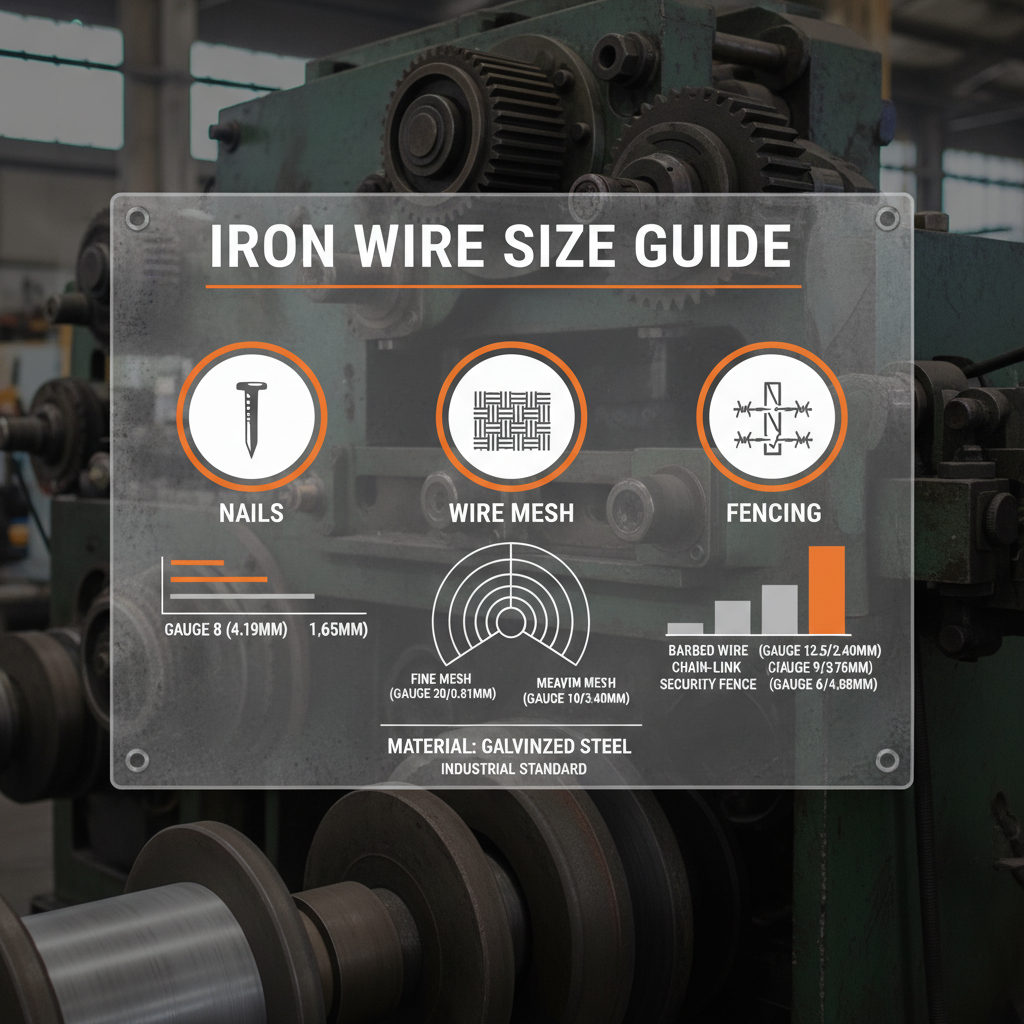
Iron wire size is primarily defined by its gauge, which is an inverse measure of diameter. Lower gauge numbers indicate thicker wires, while higher gauge numbers signify thinner wires. Commonly, the wire gauge system used is the American Wire Gauge (AWG). Beyond gauge, crucial parameters include diameter (measured in millimeters or inches), tensile strength (the amount of stress the wire can withstand before breaking), and material composition (affecting corrosion resistance and flexibility).
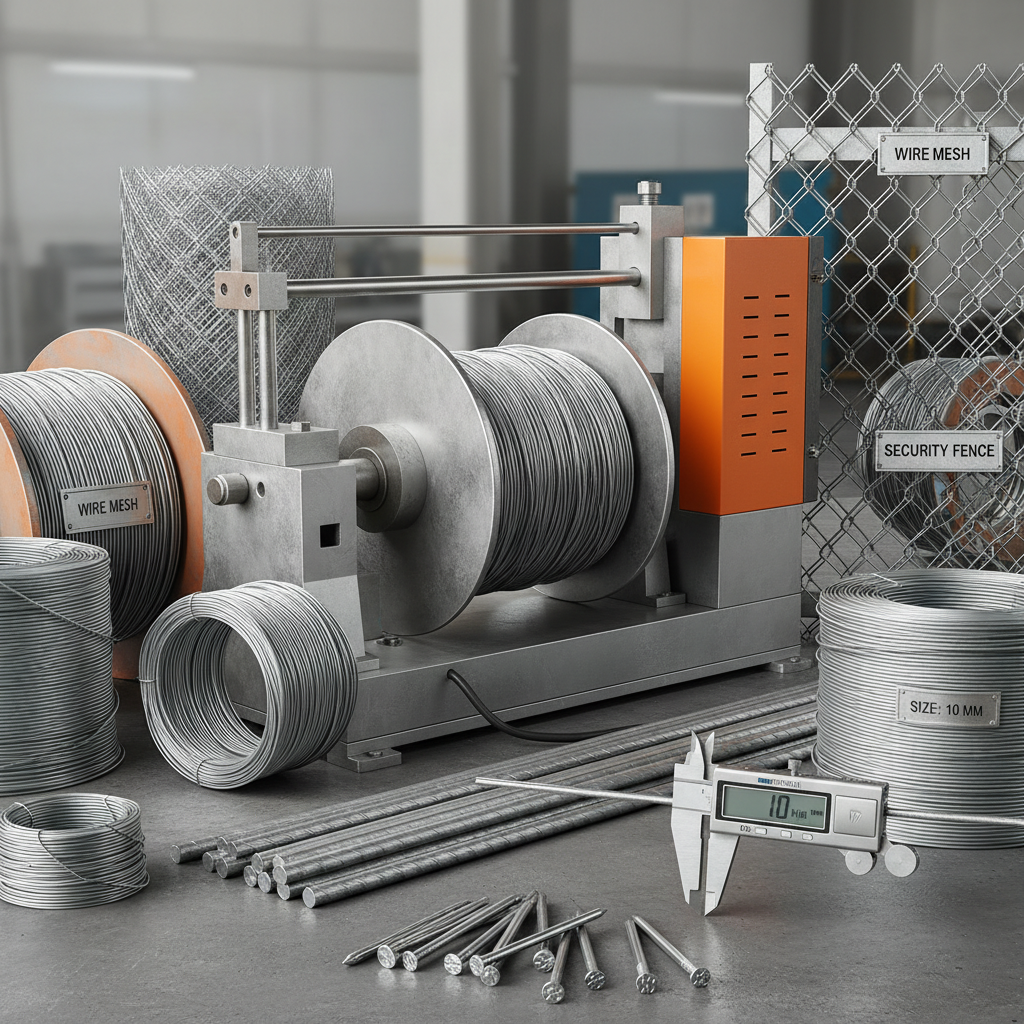
The applications of iron wire are incredibly diverse. Thicker gauges are frequently employed in construction for reinforcing concrete, creating sturdy fencing, and manufacturing heavy-duty cables. Conversely, finer gauges are utilized in applications demanding greater flexibility and precision, such as crafting wire mesh for screens, binding materials, or creating artistic sculptures. The iron wire size directly dictates its suitability for these varied uses.
This connection to modern industry is profound. Without accurate and reliable wire sizing, essential infrastructure projects and manufacturing processes would be severely hampered. The ability to specify and consistently produce iron wire to precise dimensions is a cornerstone of modern engineering and construction.
Core Factors Influencing Iron Wire Size Selection
Several key factors must be considered when selecting the appropriate iron wire size for a specific application. Firstly, the load-bearing capacity is crucial. The wire must be able to withstand the anticipated stresses and strains without deformation or failure. Secondly, the environmental conditions play a significant role; exposure to corrosive elements necessitates the selection of corrosion-resistant alloys or protective coatings.
Durability is another paramount consideration. The intended lifespan of the application dictates the required wire strength and resistance to fatigue. For long-term installations, choosing a higher-quality wire with a larger gauge may be prudent. Additionally, the flexibility required for the application influences the choice; thinner wires are more pliable, while thicker wires provide greater rigidity.
Finally, cost efficiency must be balanced against performance requirements. While thicker wires offer greater strength, they also come with a higher price tag. A careful analysis of all factors is necessary to arrive at the most cost-effective solution without compromising safety or reliability. Understanding the interplay of these factors is crucial to optimizing iron wire size selection.
Global Applications of Varying Iron Wire Sizes
The application of different iron wire sizes is widespread globally. In agriculture, thinner gauges are used for trellising vines and supporting delicate plants, while thicker gauges create robust fencing to protect livestock. Construction industries across continents utilize varied wire sizes for reinforcing concrete structures, ranging from residential buildings to large-scale infrastructure projects.
In post-disaster relief operations, readily deployable shelters often incorporate lightweight iron wire frames for structural support. These shelters, frequently used by organizations like the Red Cross, rely on efficient designs and carefully selected wire sizes to balance strength and portability. Furthermore, in remote industrial zones across Africa and Asia, iron wire size plays a crucial role in securing perimeters and protecting valuable assets.
Iron Wire Size Application Ratings
Advantages and Long-Term Value Proposition
Choosing the correct iron wire size delivers numerous tangible benefits. Cost savings are significant, as optimal sizing minimizes material waste and reduces the need for frequent replacements. Sustainability is enhanced by utilizing resources efficiently and extending the lifespan of structures. The provision of a reliable and durable product bolsters trust and builds long-term relationships with clients.
Beyond the practical advantages, there's a substantial social impact. Robust and well-constructed infrastructure contributes to safer communities and improved quality of life. Reliable fencing protects livelihoods and safeguards property. Investing in the correct iron wire size is an investment in a more resilient and sustainable future, enhancing safety, dignity, and fostering innovation.
Emerging Trends and Innovations in Iron Wire Technology
The field of iron wire technology is continuously evolving. Ongoing research focuses on developing high-strength, lightweight alloys that offer superior performance and durability. Nanomaterials and advanced coatings are being explored to enhance corrosion resistance and extend wire lifespan. Furthermore, automation and digital control systems are optimizing the manufacturing process, ensuring greater precision and consistency in iron wire size production.
The integration of smart sensors into wire products enables real-time monitoring of stress levels and potential failures, improving safety and reducing maintenance costs. These innovations align with broader trends towards sustainable manufacturing practices and the development of resilient infrastructure.
Challenges and Solutions Regarding Iron Wire Size
Despite advancements, challenges remain in ensuring consistent iron wire size quality and performance. Variations in raw material composition, manufacturing inconsistencies, and improper storage can all impact wire properties. Addressing these challenges requires stringent quality control measures throughout the production process.
Implementing robust testing protocols, utilizing advanced inspection technologies, and investing in employee training are crucial steps. Furthermore, adopting standardized specifications and collaborating with industry experts can help establish best practices and minimize variability. The development of more precise measurement techniques and automated sorting systems also contribute to improving overall quality control and accurate iron wire size.
A proactive approach to identifying and addressing potential issues is paramount for maintaining the integrity and reliability of iron wire products.
Summary of Key Factors Influencing Iron Wire Size Selection
| Application Type |
Environmental Exposure |
Load Requirement |
Cost Consideration |
| Agricultural Trellising |
Moderate - UV, Rain |
Low - Supporting Plant Weight |
High Priority |
| Construction Reinforcement |
Variable - Corrosive Environments |
High - Structural Loads |
Medium Priority |
| Security Fencing |
High - Coastal, Industrial |
Medium - Intrusion Resistance |
Medium Priority |
| Artistic Sculpture |
Low - Indoor Display |
Low - Self-Supporting |
Low Priority |
| Cable Manufacturing |
Variable - Depending on Cable Use |
High - Electrical Conductivity & Strength |
Medium Priority |
| Disaster Relief Shelters |
High - Harsh Weather, UV |
Medium - Wind & Weight Resistance |
High Priority |
FAQS
In construction, iron wire gauges typically range from 8 gauge to 16 gauge, depending on the application. Thicker gauges (8-12) are used for reinforcing concrete, providing substantial structural support. Finer gauges (14-16) may be utilized for tying rebar or creating mesh. Selecting the appropriate gauge is crucial for ensuring the long-term stability and safety of the structure.
Generally, as the gauge of iron wire decreases (meaning the wire becomes thicker), its tensile strength increases. This is because a larger cross-sectional area can withstand greater stress before breaking. However, tensile strength is also affected by the alloy composition and the manufacturing process. Therefore, it's essential to consult the manufacturer's specifications to determine the precise tensile strength of a particular wire size.
Corrosion significantly reduces the effective cross-sectional area of iron wire, diminishing its tensile strength and load-bearing capacity. Over time, corrosion can lead to wire failure and compromise the integrity of structures. To mitigate corrosion, protective coatings like galvanization or epoxy are often applied, or corrosion-resistant alloys are utilized. Regular inspection and maintenance are also crucial for identifying and addressing corrosion issues.
Accurately determining the correct iron wire size requires a thorough understanding of the load requirements, environmental conditions, and application specifics. Consulting with a structural engineer or a wire specialist is highly recommended. They can perform calculations and provide expert guidance based on industry standards and best practices. Don't hesitate to seek professional advice to ensure the safety and reliability of your project.
Galvanized iron wire is coated with a layer of zinc, which provides excellent corrosion resistance. This makes it ideal for outdoor applications or environments exposed to moisture and harsh chemicals. Galvanization significantly extends the lifespan of the wire, reducing the need for frequent replacements and lowering maintenance costs. It is a cost-effective solution for protecting iron wire from degradation.
While iron itself is a recyclable material, ongoing research is exploring more sustainable alternatives. This includes using recycled iron content in wire production and developing bio-based coatings to enhance corrosion resistance. Additionally, some applications are shifting towards high-strength steel alloys that require less material for equivalent performance, reducing resource consumption. These advancements are contributing to a more environmentally responsible approach to wire manufacturing.
Conclusion
In conclusion, understanding iron wire size is foundational for a broad range of industries and applications. From ensuring structural integrity in construction to providing secure fencing solutions and supporting agricultural practices, the correct wire size is paramount. Careful consideration of load requirements, environmental factors, and material properties is essential for achieving optimal performance, cost-effectiveness, and long-term sustainability.
Looking ahead, continued innovation in materials science and manufacturing techniques will further enhance the capabilities and efficiency of iron wire products. Embracing these advancements, coupled with a commitment to quality control and responsible sourcing, will unlock new possibilities and solidify the role of iron wire as a vital component of a resilient and sustainable future. For all your iron wire size needs, visit our website: www.ironwirefactorys.com.