
Comprehensive Guide to Selecting the Best Metal Nails for Wood Projects
Choosing the Right Metal Nails for Wood: A Comprehensive Guide
Selecting the appropriate metal nails for wood is crucial for any woodworking project, from simple repairs to complex constructions. The type of nail significantly impacts the strength, durability, and aesthetic outcome of your work. This article provides a detailed overview of different nail types, materials, sizes, and considerations for choosing the best option for your specific needs. We’ll explore the nuances of selecting nails to ensure your projects stand the test of time. Proper nail selection can make all the difference between a professional-looking finish and a compromised structure.
Understanding Different Types of Metal Nails for Wood
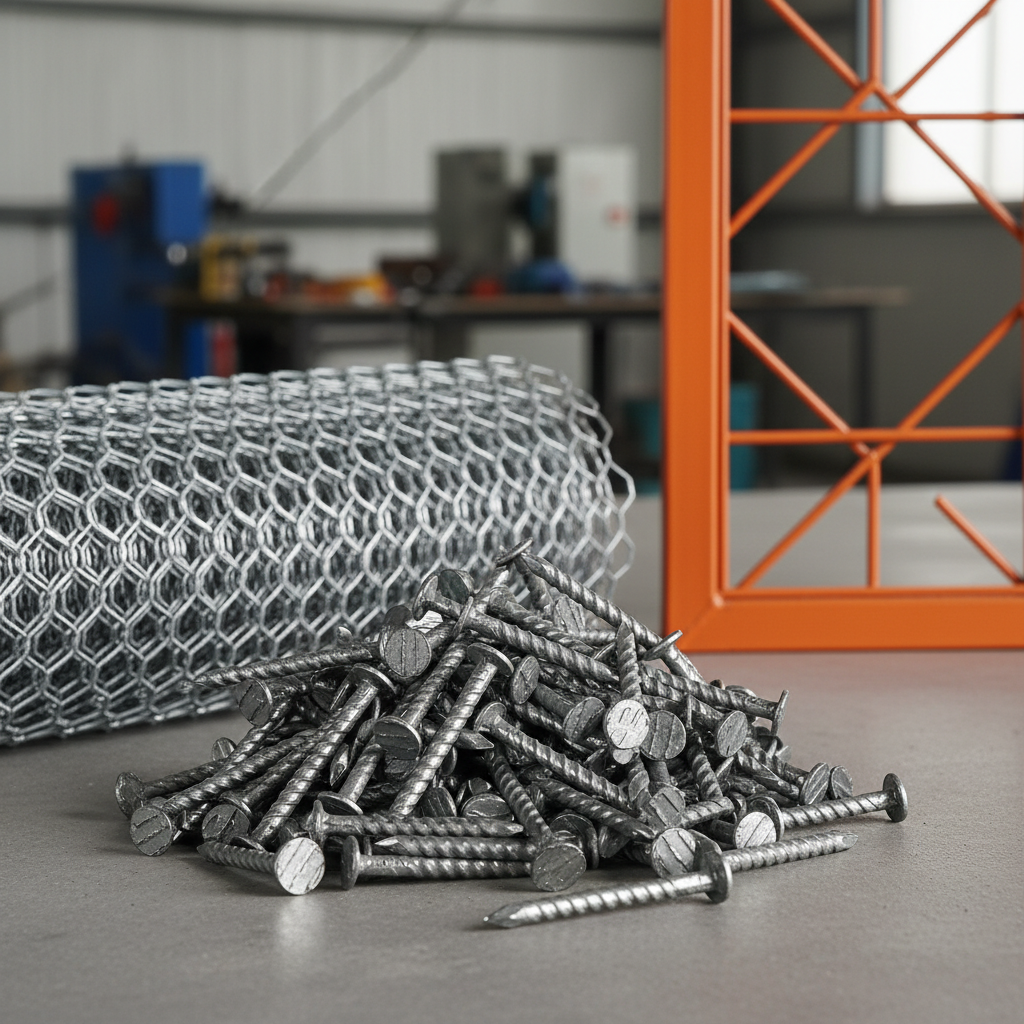
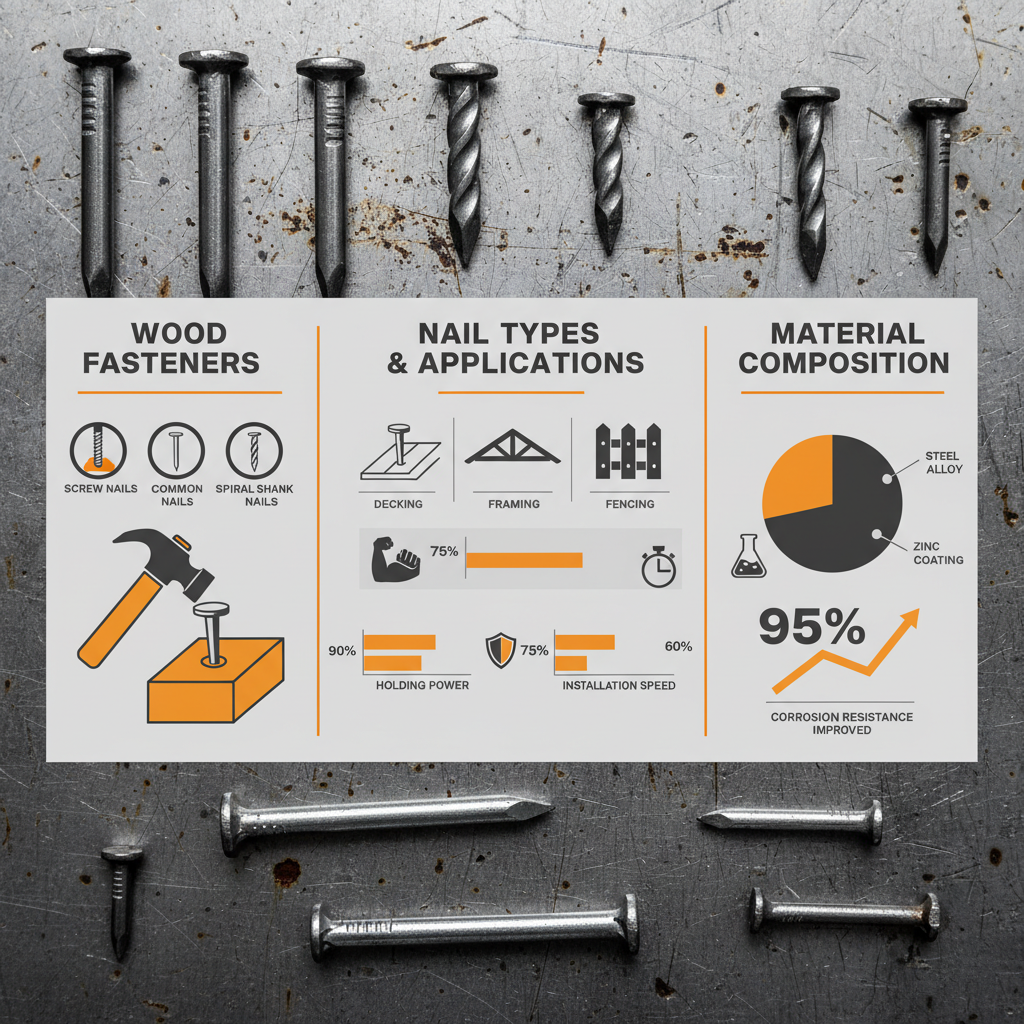
There's a vast array of metal nails available, each designed for a specific purpose. Common types include common nails (for general construction), finishing nails (for trim and molding where minimal visibility is desired), box nails (used for lighter duty applications like crates and boxes), and roofing nails (designed for securing roofing materials). Beyond these basics, you'll find specialized nails like spiral shank nails (providing increased holding power), ring shank nails (excellent for shear strength), and concrete nails (designed to penetrate concrete and wood simultaneously). The choice depends on the project’s requirements and the type of wood being used.
Key Highlights: Understanding the specific application of each nail type ensures optimal performance and project longevity. Selecting the right nail minimizes the risk of splitting the wood or creating a weak joint.
Nail Materials: Steel, Stainless Steel, and Aluminum
The material of the nail is just as important as its type. Steel nails are the most common and cost-effective, suitable for general construction. However, they are susceptible to rust, especially in outdoor applications or when exposed to moisture. Stainless steel nails offer superior corrosion resistance, making them ideal for exterior projects, coastal areas, or when working with treated lumber. Aluminum nails are lightweight and corrosion-resistant, often used for applications where rust stains are a concern, like with redwood or cedar. Choosing the right material safeguards the longevity and structural integrity of your woodwork.
Material Considerations:
• Steel: Cost-effective, general purpose, prone to rust.
• Stainless Steel: Corrosion-resistant, ideal for outdoor use.
• Aluminum: Lightweight, corrosion-resistant, avoids staining.
Metal Nails for Wood: A Comparison of Common Types
Different nail types excel in different situations. Consider the wood's hardness and the project's requirements to select the best fit. A comparison can help illustrate the strengths and weaknesses of each:
Selecting the Right Nail Size: Length and Gauge
Nail size is defined by two key factors: length and gauge. Length is measured in inches and should be approximately two to three times the thickness of the wood being joined. Gauge refers to the nail’s diameter – a lower gauge number indicates a thicker nail. For example, an 8d nail (8 penny) is approximately 2.5 inches long, while a 6d nail is around 2 inches. Thicker wood requires longer and thicker nails to provide sufficient holding power. Refer to nail charts and guidelines for specific wood thicknesses and applications. Using the wrong size nail can lead to weak joints or splitting the wood.
Conclusion: Investing in Quality Nails for Lasting Results
Choosing the Right Metal Nails for Wood is Key
Selecting the correct metal nails for wood is an investment in the quality and longevity of your woodworking projects. By understanding the different types, materials, sizes, and gauges, you can ensure a strong, durable, and aesthetically pleasing result. Don’t compromise on quality – choose nails that meet the specific demands of your project for a finish you can be proud of.
Frequently Asked Questions (FAQs)
What is the best type of nail for exterior projects?
For exterior projects, stainless steel nails are highly recommended due to their excellent corrosion resistance. They withstand weathering and prevent rust stains, ensuring the longevity of your outdoor structures. While more expensive than steel nails, the investment is worthwhile to avoid premature failure and costly repairs. Alternatively, hot-dipped galvanized nails offer good corrosion protection at a lower cost, but may not be as durable as stainless steel in harsh environments.
How can I prevent wood from splitting when nailing?
To prevent wood splitting, blunt the nail point slightly before driving it in. This reduces the force needed to penetrate the wood and minimizes the risk of splitting, especially near the edges or ends. Pre-drilling a pilot hole, particularly for hardwoods or when using larger nails, is also highly effective. Choosing the right nail size – not too large for the wood thickness – is crucial. Additionally, using a nail set to drive the nail head slightly below the surface helps prevent damage to the wood fibers.
What are spiral shank nails used for?
Spiral shank nails are designed for increased holding power. The spiral ridges grip the wood fibers more tightly than smooth shank nails, making them ideal for applications where shear strength is important, such as framing, decking, and subflooring. They are particularly useful when working with softer woods that may be prone to loosening over time. They require slightly more force to drive in, but the added holding power is well worth the effort.
How do I determine the correct nail length for a project?
As a general rule, nail length should be two to three times the thickness of the wood you're nailing through. For example, if you're joining two pieces of 1-inch thick wood, a 2- to 3-inch nail would be appropriate. However, consider the type of wood – hardwoods require longer nails than softwoods. Always ensure the nail penetrates sufficiently into the receiving piece of wood to provide a secure hold, but avoid driving the nail completely through.
-
Professional Guide to Choosing Nails for Wooden Fence PanelsNewsApr.16,2026
-
PING HONGLIN WIRE MESH CO.,LTD: African Clients Visit Factory, Deepen Cooperation to Build a Global Quality BenchmarkNewsApr.14,2026
-
Guide to Choosing the Best nails for wood trim for CarpentryNewsApr.09,2026
-
Recognized for Excellence: ANPING HONGLIN WIRE MESH Named Alibaba FY2026 TOP Transaction Merchant, Celebrating 35 Years of Manufacturing HeritageNewsApr.07,2026
-
HONGLIN WIRE MESH Showcases at WORLDBEX Philippines 2026, Earning Strong Recognition from Global Builders & DistributorsNewsApr.07,2026
-
Spanish Client Delegation Visits Our Factory for Exchange, Exploring New Cooperation Opportunities in Welded Wire ProductsNewsApr.07,2026


