
Comprehensive Guide to Selecting the Best Nails for Particle Board Projects
Choosing the Right Nails for Particle Board: A Comprehensive Guide
Particle board is a versatile and cost-effective material widely used in furniture, shelving, and construction. However, its proper assembly relies heavily on selecting the correct fasteners. Using the wrong nails for particle board can lead to crumbling, splitting, or a structurally unsound final product. This article will guide you through the key considerations when choosing nails, explore different types, and provide insights into best practices for achieving a durable and professional finish. We’ll cover everything from nail gauge and length to head styles and coatings, helping you make the optimal choice for your project.
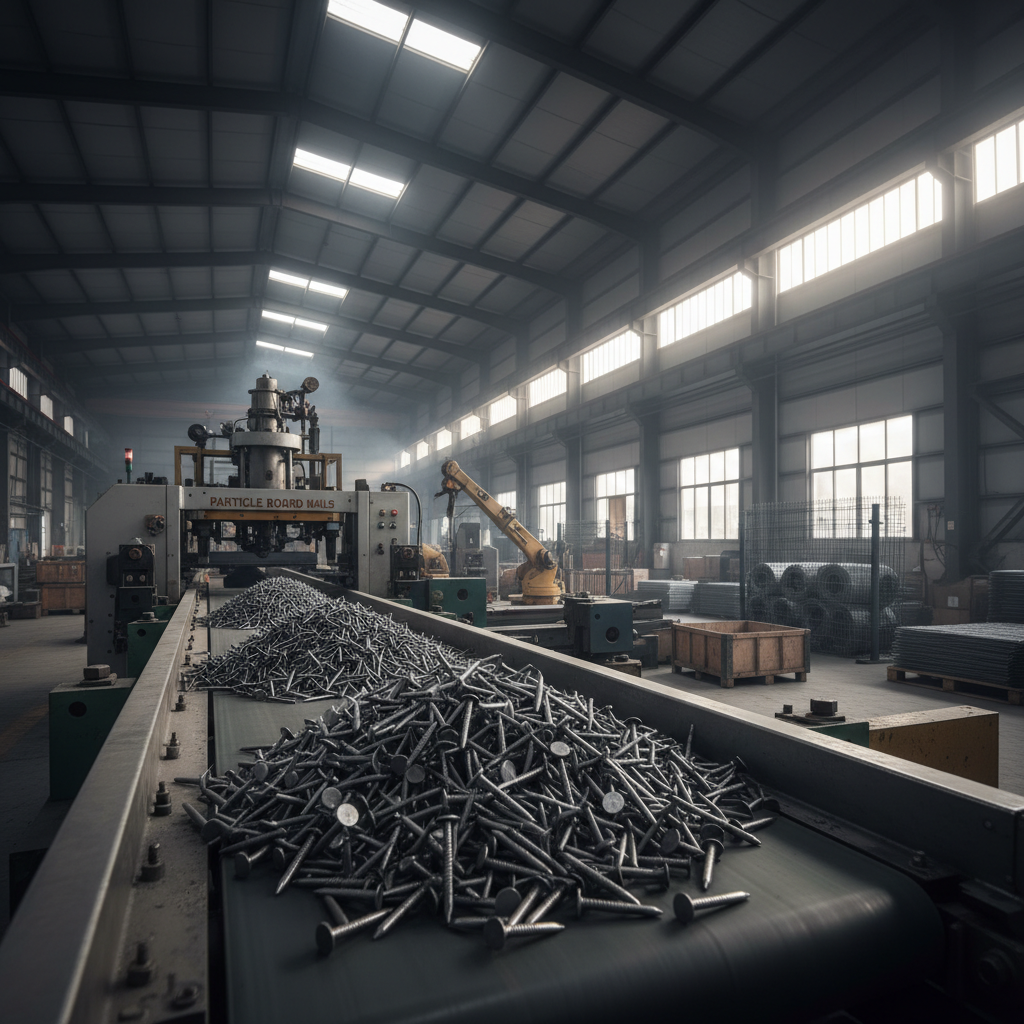
Understanding Particle Board and Its Challenges
Particle board, also known as chipboard, is engineered wood made from wood particles bonded together with resin. Its affordability and consistent density make it a popular choice. However, unlike solid wood, particle board lacks a natural grain. This means it’s more susceptible to splitting and crumbling, especially when subjected to shear forces. Therefore, nails must be chosen carefully to minimize these risks. Driving a nail directly into particle board can easily displace the wood fibers, weakening the joint. Using the right nail helps distribute the force and secure the connection effectively. A poorly secured joint won't last long and could lead to failure.
Key Considerations: Particle board’s lack of natural grain makes it vulnerable to splitting. Nails must distribute force effectively to prevent crumbling and ensure a durable connection.
Choosing the Right Nails for Particle Board: Key Factors
Several factors come into play when selecting nails for particle board. Nail gauge (thickness), length, head style, and coating all influence performance. Generally, smaller gauge nails are preferred to minimize splitting. Length should be sufficient to penetrate the particle board securely but not extend all the way through, which can weaken the material. Head styles like brad nails and finish nails offer a cleaner aesthetic, while common nails provide a stronger hold but require filling. Coatings, such as galvanized or zinc, protect against corrosion, particularly in humid environments. Choosing the right combination of these features is essential for a successful project.
Key Nail Characteristics:
• Gauge: Smaller is better to prevent splitting.
• Length: Sufficient penetration without going through the material.
• Head Style: Choose based on aesthetic and strength requirements.
• Coating: Protects against corrosion.
Comparing Nail Types for Particle Board Applications
Several nail types are suitable for particle board, each with its strengths and weaknesses. Brad nails, with their small heads, are ideal for delicate work where a minimal visible nail hole is desired. Finish nails offer a slightly stronger hold while still maintaining a relatively clean appearance. Common nails are the most robust but leave larger holes that require filling. Ring shank nails provide enhanced holding power due to the ridges around the shank, but they're more likely to cause splitting if not used carefully. Ultimately, the best choice depends on the specific application and desired aesthetic.
Best Practices for Nailing into Particle Board
To ensure a strong and lasting connection, follow these best practices when nailing into particle board. Pre-drilling pilot holes, even for smaller nails, significantly reduces the risk of splitting. Use a nail set to countersink the nail head slightly below the surface, creating a clean finish. Consider using wood glue in conjunction with nails for added strength and stability. Applying glue to the joint before nailing creates a mechanical and adhesive bond, enhancing durability. Avoid overdriving nails, as this can crush the particle board and weaken the connection. Iron Wire Factory offers a wide range of quality nails for various applications.
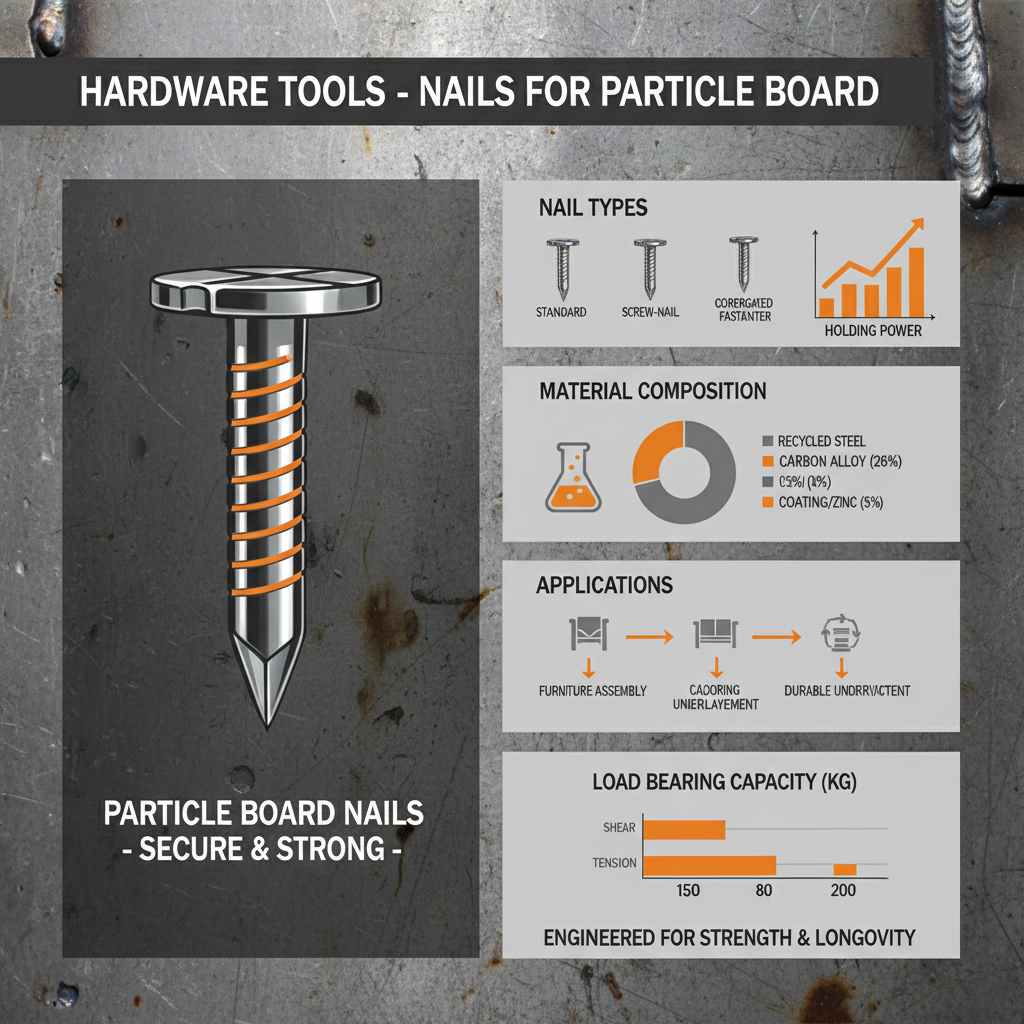
Product Spotlight: Iron Wire Factory Nail Selection
At Iron Wire Factory, we understand the importance of quality fasteners for particle board projects. We offer a comprehensive selection of nails specifically designed for engineered wood, including brad nails, finish nails, and ring shank nails in various gauges and lengths. Our nails are manufactured to exacting standards, ensuring consistent performance and reliability. We also provide galvanized and zinc-coated options for superior corrosion resistance. Explore our catalog to find the perfect nails for your next project.
Conclusion: Securing Your Projects with the Right Nails
Choosing the right nails for particle board is crucial for achieving a durable and professional result. By considering the factors outlined in this guide and selecting quality fasteners from a reputable supplier like Iron Wire Factory, you can ensure your projects stand the test of time. Remember to prioritize proper technique and pre-drilling to minimize splitting and maximize holding power.
Frequently Asked Questions (FAQs)
What gauge nail is best for particle board?
Generally, a smaller gauge nail is preferred for particle board to minimize the risk of splitting. 18-gauge brad nails are an excellent choice for most applications. If you require a stronger hold, you can consider 16-gauge finish nails, but be mindful of the potential for splitting. Always pre-drill pilot holes, especially when using larger gauge nails. The key is to balance holding power with minimizing damage to the particle board.
Should I use wood glue with nails when working with particle board?
Yes, absolutely. Using wood glue in conjunction with nails significantly increases the strength and durability of the joint. The glue creates an adhesive bond, supplementing the mechanical hold provided by the nails. This is particularly important for particle board, as it lacks the natural interlocking fibers of solid wood. Apply a thin, even layer of wood glue to both surfaces before nailing, and clamp the pieces together until the glue is fully dried.
What is the benefit of using ring shank nails on particle board?
Ring shank nails have ridges along the shank, which provide increased holding power compared to smooth shank nails. This is particularly beneficial for particle board because it helps prevent the nails from pulling out over time. However, ring shank nails are more likely to cause splitting, so pre-drilling is strongly recommended. They are a good choice for applications where a very strong and secure hold is critical.
How do I prevent particle board from splitting when nailing?
The most effective way to prevent particle board from splitting is to pre-drill pilot holes. The pilot hole should be slightly smaller than the diameter of the nail shank. Use a smaller gauge nail whenever possible. Avoid nailing too close to the edge of the particle board, as this is where splitting is most likely to occur. Consider using a nail set to countersink the nail head without damaging the surrounding material. Applying glue also helps to bind the fibers together and reduce the risk of splitting.
-
Professional Guide to Choosing Nails for Wooden Fence PanelsNewsApr.16,2026
-
PING HONGLIN WIRE MESH CO.,LTD: African Clients Visit Factory, Deepen Cooperation to Build a Global Quality BenchmarkNewsApr.14,2026
-
Guide to Choosing the Best nails for wood trim for CarpentryNewsApr.09,2026
-
Recognized for Excellence: ANPING HONGLIN WIRE MESH Named Alibaba FY2026 TOP Transaction Merchant, Celebrating 35 Years of Manufacturing HeritageNewsApr.07,2026
-
HONGLIN WIRE MESH Showcases at WORLDBEX Philippines 2026, Earning Strong Recognition from Global Builders & DistributorsNewsApr.07,2026
-
Spanish Client Delegation Visits Our Factory for Exchange, Exploring New Cooperation Opportunities in Welded Wire ProductsNewsApr.07,2026


